
There’s A LOT of options on the market for camping. You can get as simple as a tent, but if you aren’t a purist then you probably aren’t tent camping very often. For the rest of us, your options are typically between truck camper, travel trailer, fifth wheel, camper-van, motorhome, or a self-made conversion. Warning: If you’ve never RV camped before, you’ll be shocked by how small these are compared to the average home of today. Fair warning!
We’re No Place Like Gone and we’ve been full-time living and traveling in our Class C motorhome for 9 months now, nice to meet ya! We’ve driven from the East coast to the West coast during our trip so far and have got to see 15 different states along the way! We are currently camping in the country of California. (That’s a joke – because California is HUGE and it’s literally named the Republic of California.)
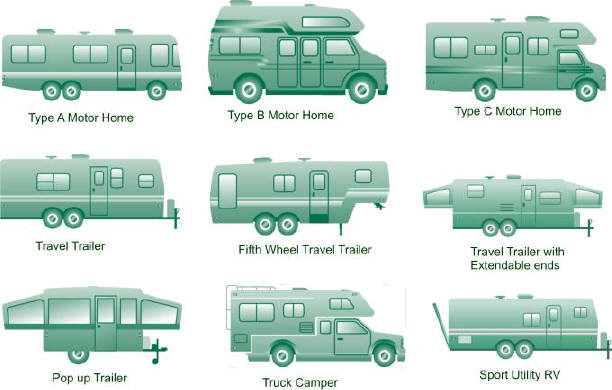
Here’s the most common variety of campers and the likes:

Are You Ready to Hit the Road?
Before ya do, follow us on social media so that you don’t miss our next adventure. We post camping advice, hiking trails, nature photography, and stories from our travels, click below:
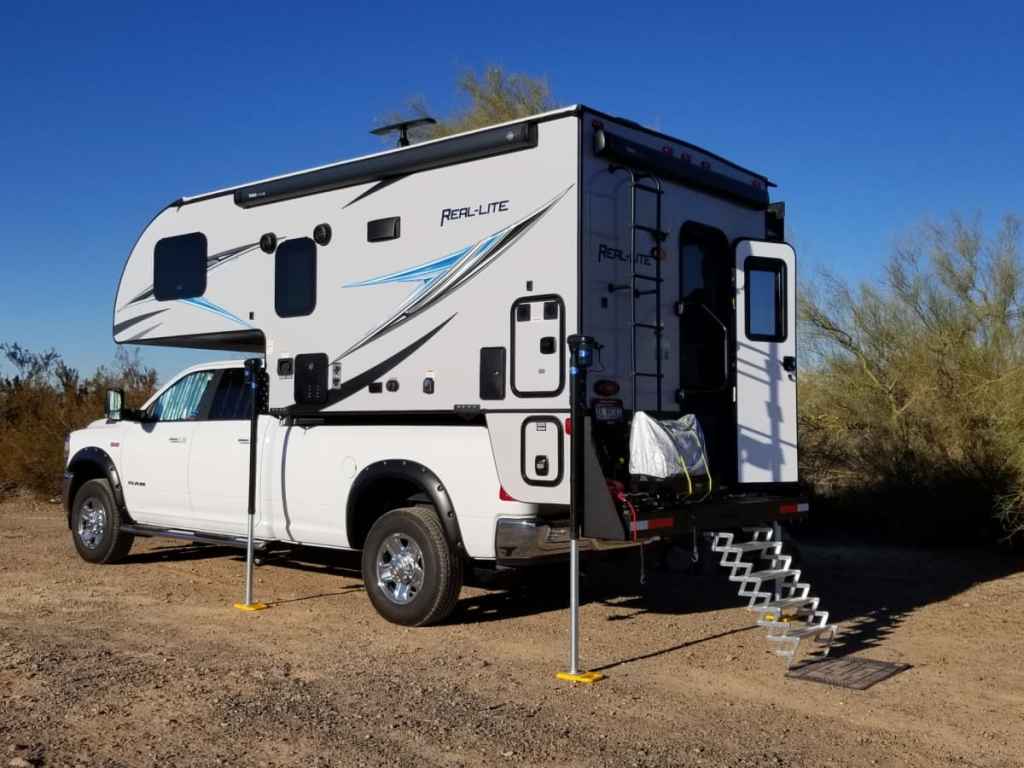
Truck Campers
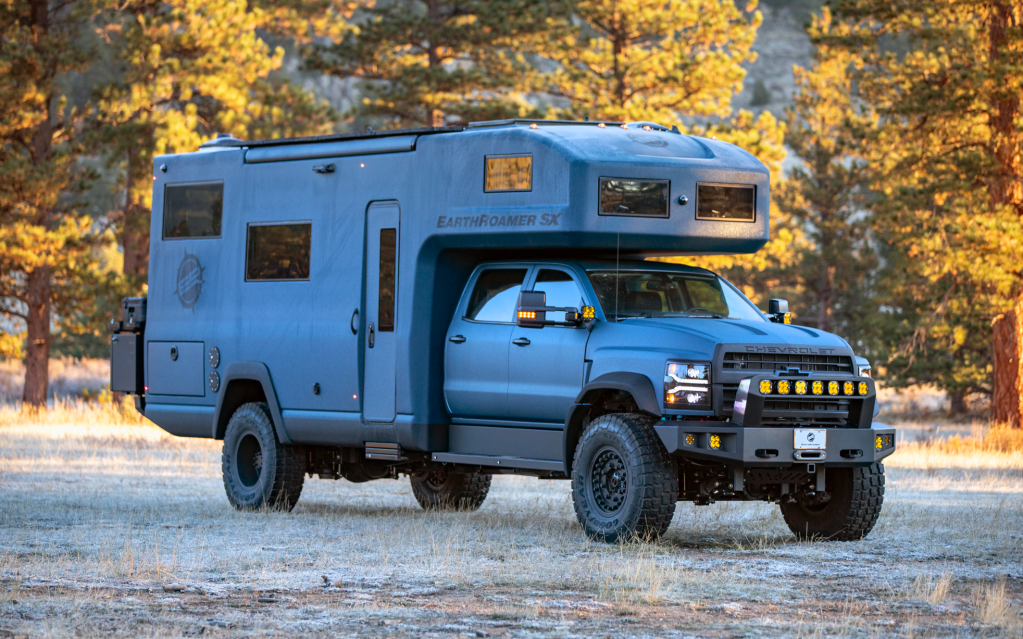
Starting off with a beauty, Earthroamer is in the upper echelon of truck campers. Priced as a luxury vehicle, they are self-contained and include all of the necessities that you need, while also including all of the things that you want. If you’re looking to go off-roading in style, while doing it self-sufficient and off-grid, this bad boy is for you.
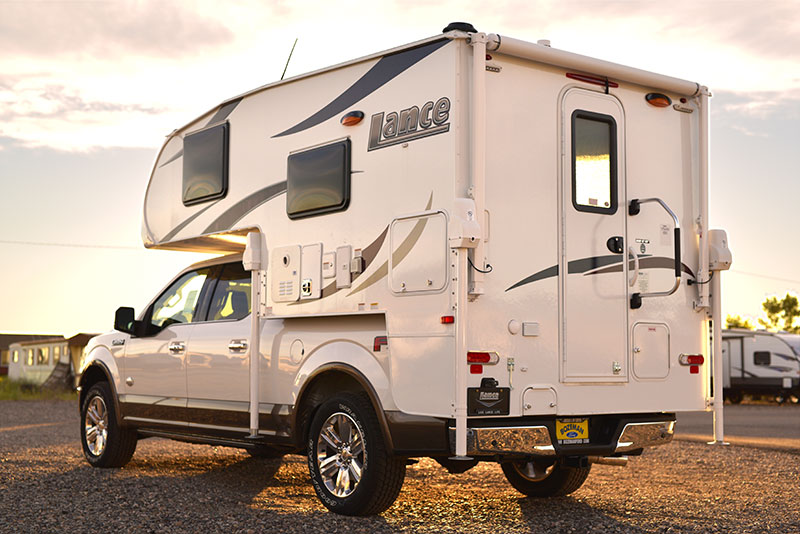
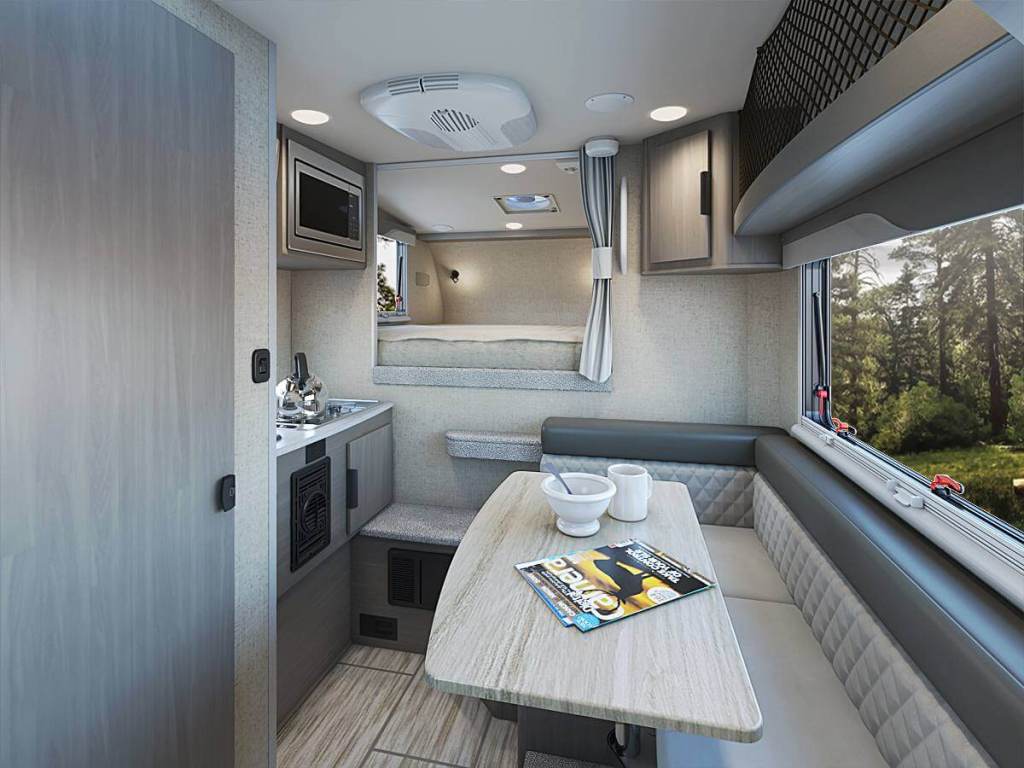
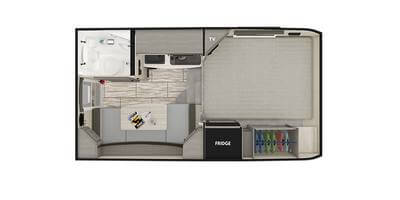
Lance truck campers are at a great price point, starting as low as $25,000 brand new. They’re available for Chevy/Dodge/Ford/GM trucks whether they’re short or long-beds. They have them for select Toyotas and Nissans as well. You get the modern luxuries in a very small package, that is still just an extension of your truck.
There are PLENTY of other truck campers on the market, for every size and shape of truck. We’ve even seen plenty of people that have custom built their truck camper, if you’re a handy type of person. You do sacrifice quite a bit of space over the likes of campers and motorhomes, so I’d recommend truck campers for 1-2 people and rarely more. There’s also options of truck campers with 1,2,3 slide-outs that help gain A LOT of space and storage for these. Expect to spend a little more money on these larger-sized $50,000-$100,000.

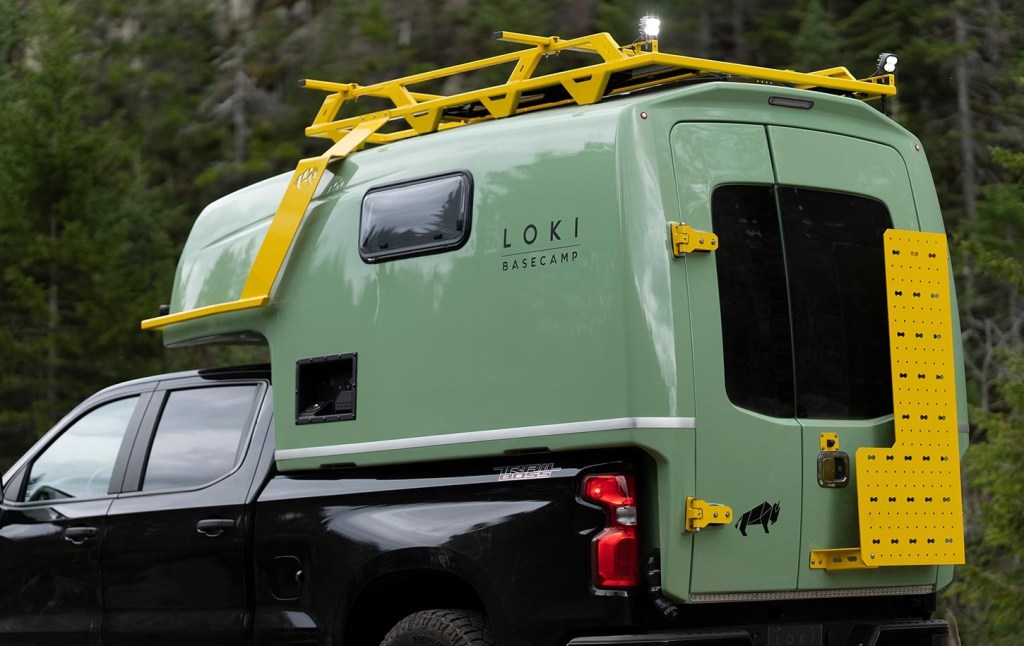
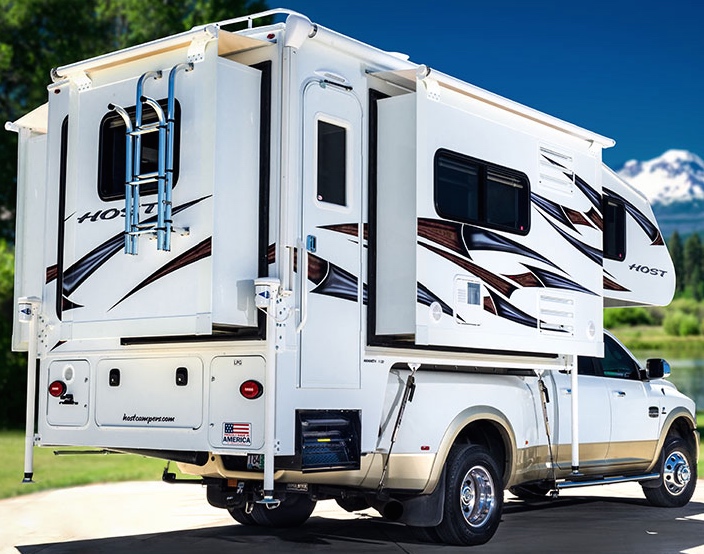
Pros: If you already own a truck, you just need to buy the camper portion to get started. For recreational campers, you can easily detach the truck camper and leave it at home while you still commute to work like normal. Truck campers detach and can be self-contained on most surfaces, just like any other camper. This makes your truck still usable if you want to leave the camper portion behind and go explore. Otherwise, it’s small and easy enough to drive with for any adventure. No pesky backing in a trailer or motorhome. No hitching or unhitching required
Cons: Not much storage, plus you sacrifice the truck bed to live in this monster! This is a difficult space to live in full time because of the tiny space and minimal storage.
Travel Trailers
Where do I start with travel trailers … when there’s a MILLION different layouts and options available.
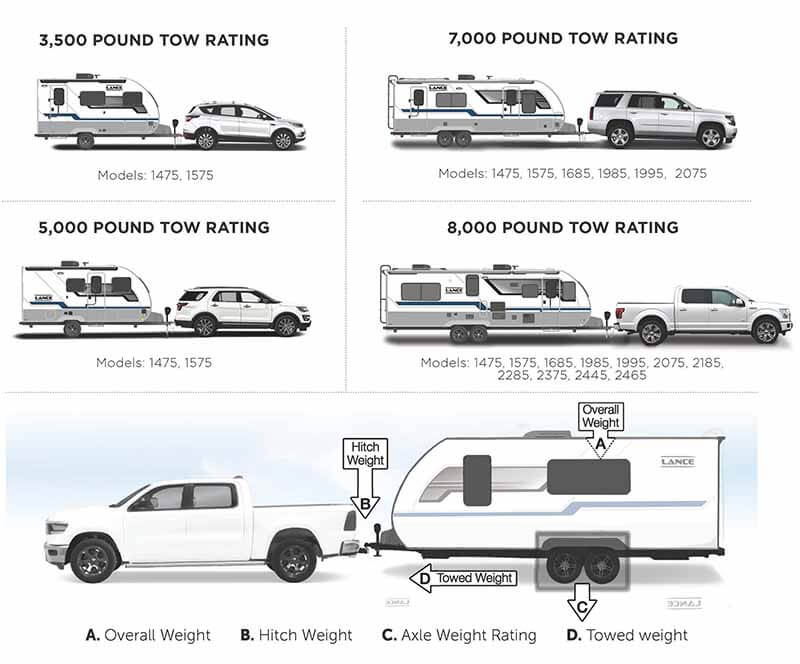

As a beginner, many opt to get the smallest travel trailer – and that’s reasonable. It looks scary to drive a freaking 18-wheeler- length rolling home. Most people will aim to get between a 25 and 35 foot travel trailer, especially if you have kids or any pets. Although, you can definitely exist in a much smaller space if you are willing to be minimal about your camping.


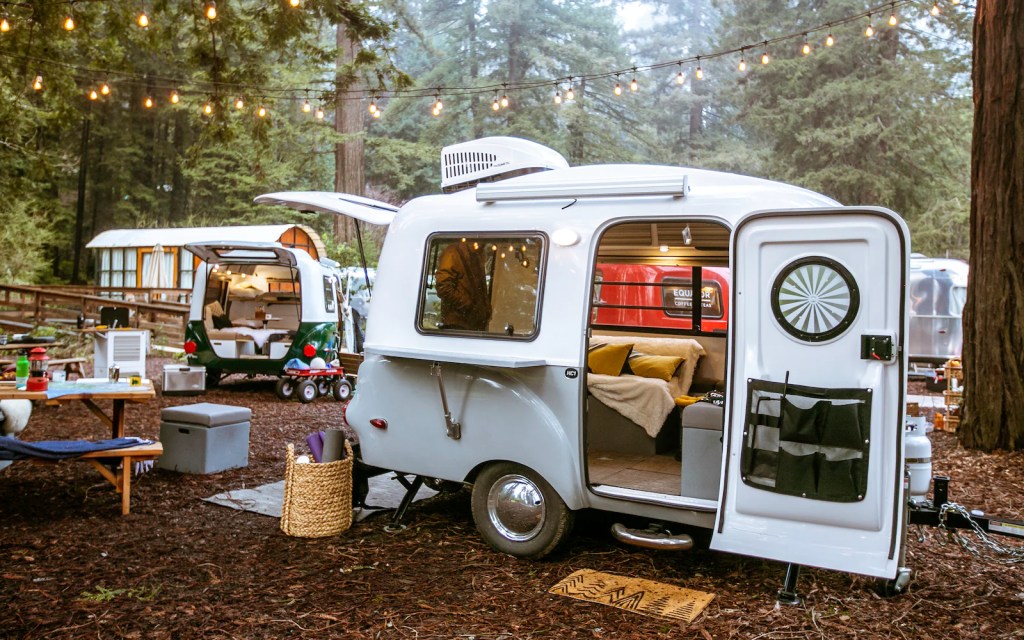
There’s plenty of very, very small options that are well under 20 feet as well, but I know that scares most people away when they actually see how small it is, these are things like Tabs. In this small of a vehicle, you’re sacrificing a lot over your traditional at-home living and I’ll admit that.
We personally accepted that we want a smaller space to save money, and to pair down into a more minimalistic lifestyle. We have a 26 foot Class C motorhome, don’t tow a car, and it’s been a dream for us. Camping, and life in general, really is a “choose your own adventure!”
Pros: You can pretty much pick your dream floor plan, with as many slide-outs and storage as you want. They literally have thousands of options here. Another good thing here is that if you already own a truck or large enough SUV, you’re pretty much ready to buy a trailer and take off!
Cons: If you’ve never driven a big truck or pulled a trailer, then be prepared for a learning curve. Also, backing in a travel trailer is somewhat frustrating for newbies – expect fights with your spouse (LOL). Difficulty of hitching, unhitching, setting up levels and chocks.
Fifth-Wheels

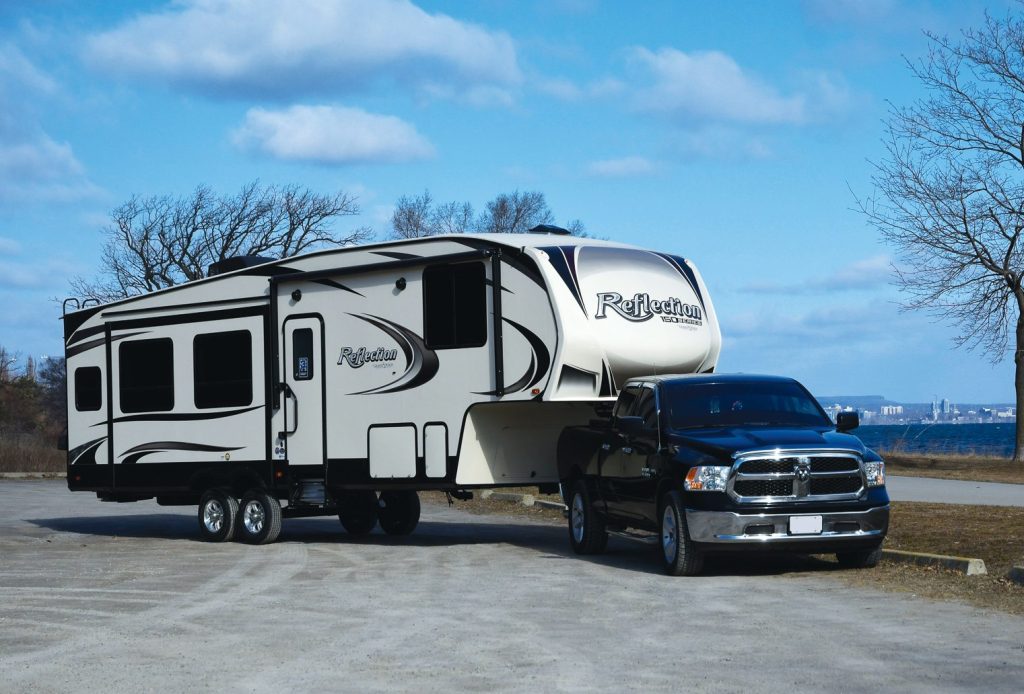
Fifth-wheels are pretty common nowadays, and for great reason. You combine the great size of a Class A motorhome with the ease of use of a travel trailer. Not to mention that you get to also include the space above your truck bed as additional living space, which travel trailers just can’t match. The turning radius on these bad boys is quite large too, much better than your pull-behind campers that can jack-knife (turn too hard and the trailer and hitch will crunch in on itself).
Finding a fifth-wheel for just about every price point is practical, with floor plans to appeal to everyone. Slide-outs here can almost double your living space in some cases.


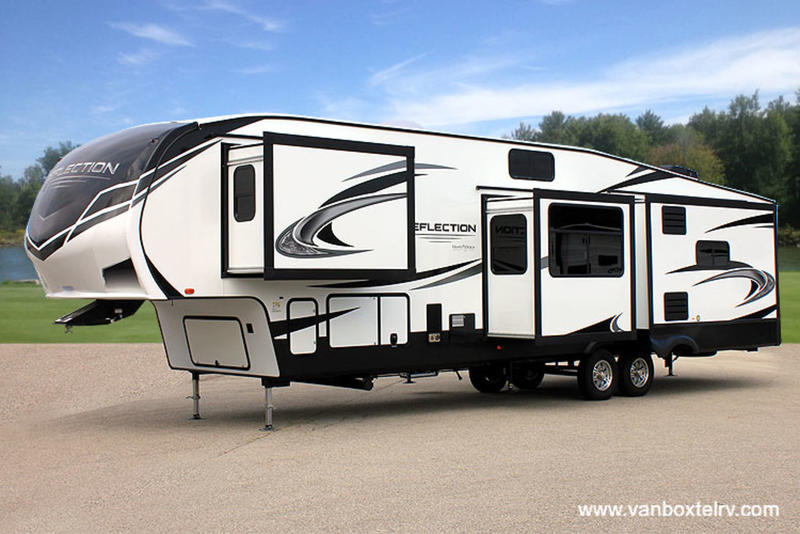
Pros: Gain the space over your truck bed as a living quarters, compared to travel trailers losing that. Quite easy to level and balance out once un-hitched from a truck. Can get these as large as a Class A motorhome, basically 45 feet of usable floor plan PLUS slide-outs and storage underneath.
Cons: Price, usually between $50,000-$150,000.Very bulky and usually between 25 and 45 feet. Harder to drive especially for newbies if you’ve never pulled a trailer. Hitching, un-hitching, and setup is more than a smaller travel trailer or motorhome/van. You must have a special hitch to connect to your truck.
Camper-vans
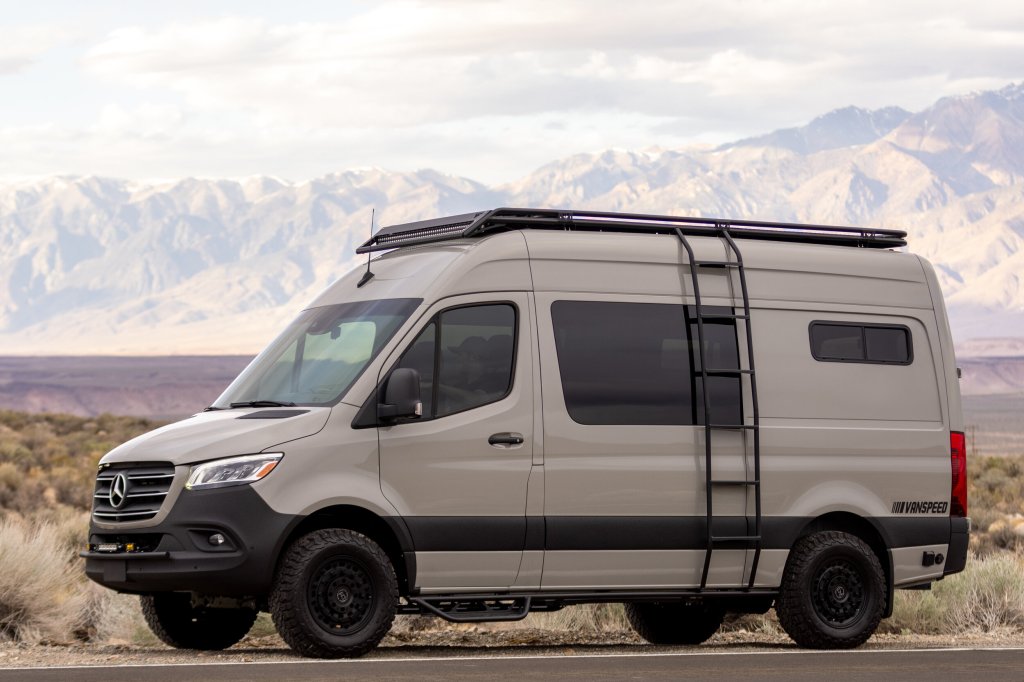
These are sometimes called Class B motorhomes (see below motorhome section), although not always. Sometimes simply called vans, these things are literally a mini-van that you sleep in. You can see the yellow VW below and this thing is beautiful.

Because of the size of these, you obviously won’t get very much storage space. Not to mention living space, which is basically non-existent. You usually have the front seats to drive, bench seating that converts to a bed (or in the case of the VW you can sleep in the pop-up camper top portion), a mini-fridge, little camping range, and a few cabinets. That’s about the extent of what you get here with vans.
A huge mention here is that these will not typically include a bathroom of shower, some of the most crucial luxuries for many of us. Expect to use the campground showers and toilets!
Of course, you can spend much, much, more on the higher end Class-B motorhomes. These would be camper-van conversions such as the Airstream Interstate, Thor sanctuary, and the Storyteller Overland.

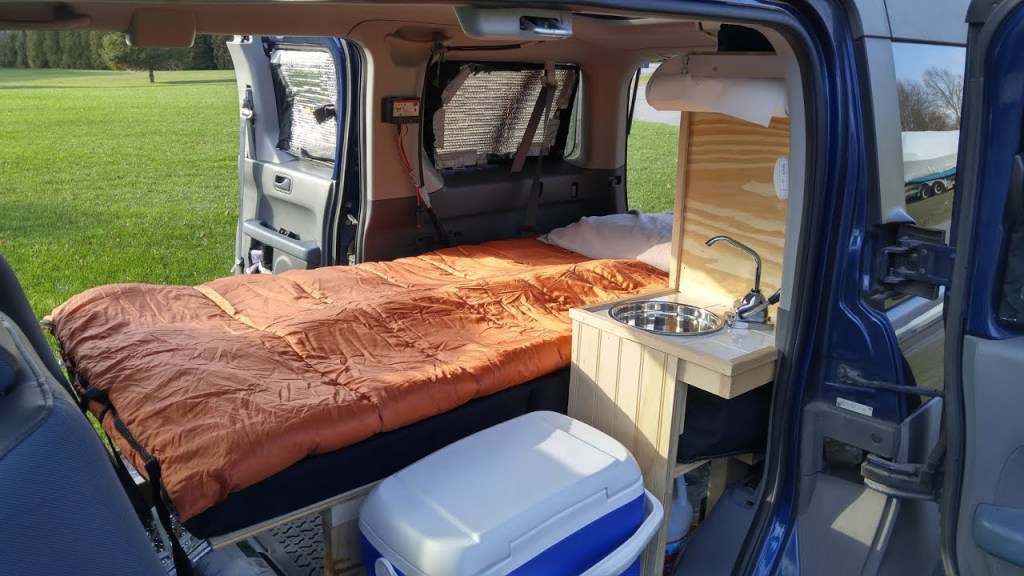
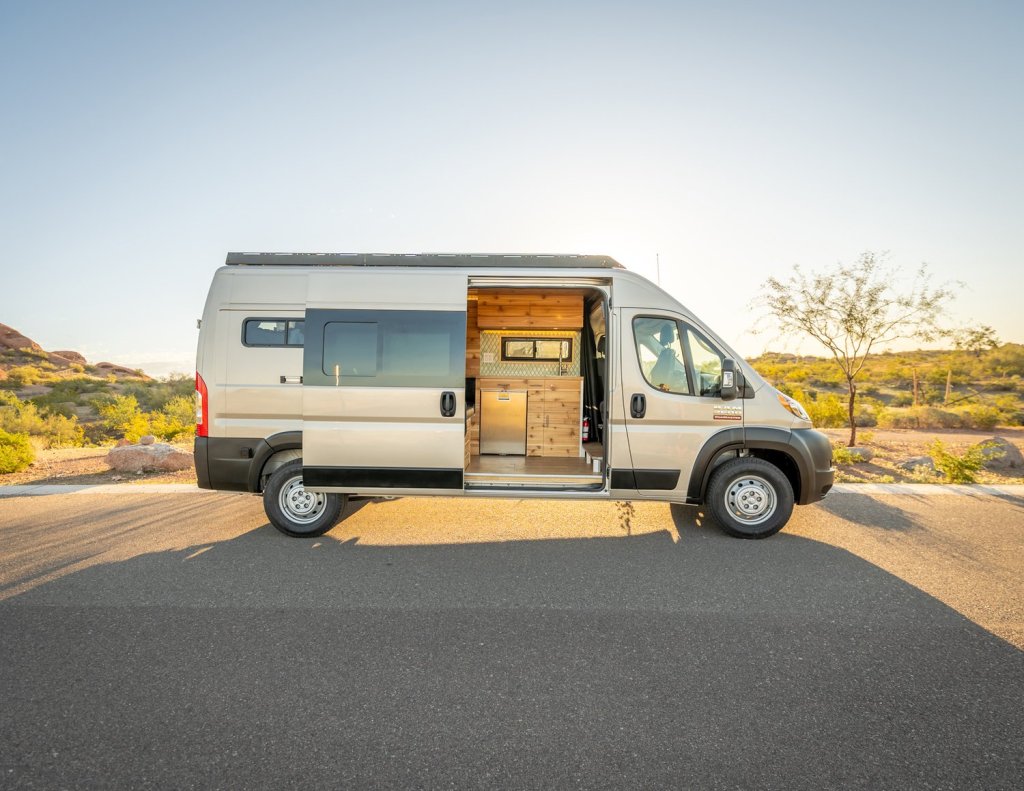
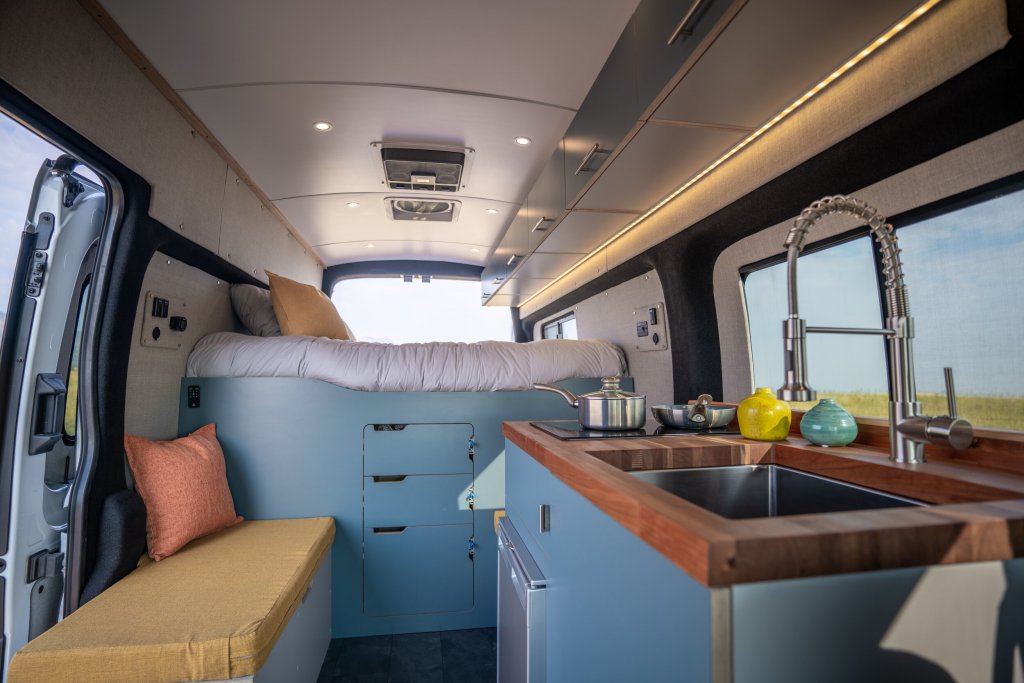
There’s a wide differential in prices of camper-vans, and there really is a different vehicle for everyone. They all vary widely with features, sizes, bed types, and more. If you’re considering one of these, make sure to do your extensive research and expect to pay a pretty penny. You’ll spend between $25,000-$225,000 whether you want a used little Dodge Promaster that’s been partially renovated, or a brand new ready to live in beast like the Winnebago Revel.
Pros: These are as small as your basic SUV or truck that you’re probably driving already. Picture a plumbing or construction work truck, but converted into a living space. Can be 4WD or lifted for plenty of driving clearance.
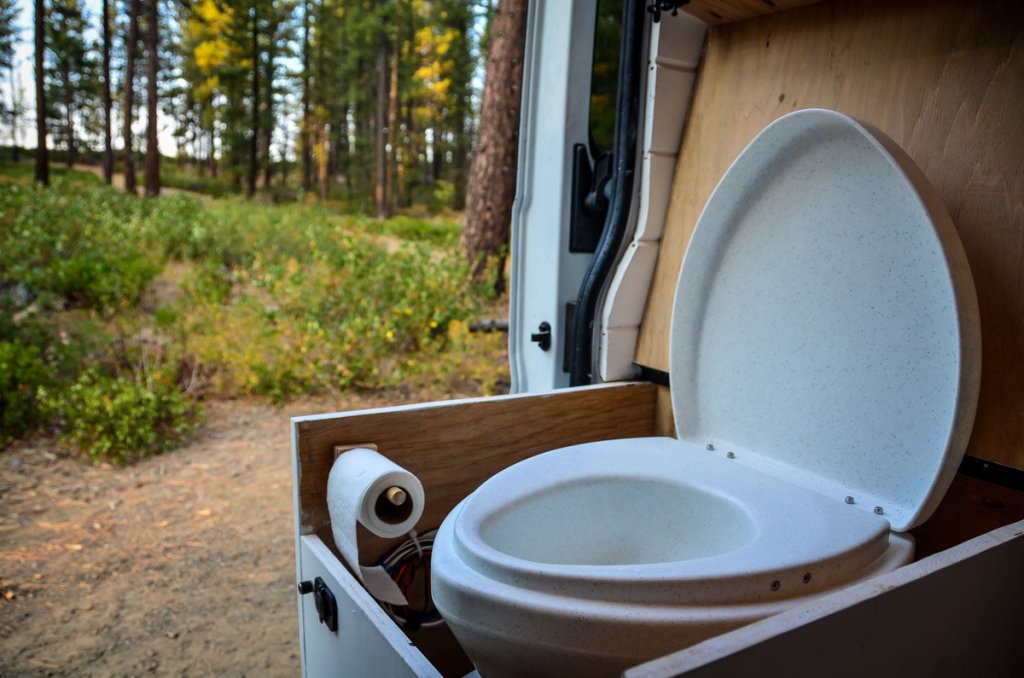
Cons: Basically zero storage – you’re living in a van, man. These rarely even can fit a shower or toilet. You’ll either have to use the camping bathrooms, or opt for a composting toilet and outdoor shower spray wand.


Motorhomes
Very important to note that this “class” system does not jump from A, to B, to C depending on length or price by any means. In general, Class A motorhomes are the largest and most luxurious or expensive. Class C motorhomes are a budget version of that, and in much smaller form factors. Then, you have Class B motorhomes which are heavily improved camper vans with all of your modern accessories, usually at a smaller package than both Class A and C motorhomes. I know, it’s pretty confusing, but I didn’t create this system!
Class A: The “Crème de la crème” (French, literally means cream of the cream, or translated further to mean cream of the crop, or the best of something) of motorhomes. These bad boys are usually starting at $50,000 for a VERY used model. You can expect to pay close to $250,000 for a decent motorhome here, and easily up to $1 million dollars for some of the top of the line options like Prevost.

These Class A motorhomes have all of your luxuries of a modern home, albeit in a much smaller package. They have sprawling living spaces, slide-outs to add additional space, king beds, dual-vanity sinks in the bathroom, and huge residential refrigerators (RV fridges are typically much smaller than a home/residential fridge). Expect to pay quite a pretty few pennies for these though.
Another super important thing to note is that Class A motorhomes can range from the smallest at about 22 feet, all the way up to 45 feet of living space.
Pros: More space than you should ever need. Easy setup: you pull-in, park, use your auto-levelers and hook up power, water, and waste. That’s basically it! You can tow almost any car, truck, or SUV. These things are beasts and way a ton, plus have massive diesel engines capable of pulling just about anything.
Cons: These motorhomes are huge and when you see them out, they’re usually 35-45 feet long. You’re basically driving a school bus with much more weight and features inside. Most engines here are diesel – expect HIGH fuel prices especially in these hard times. Good luck parking this thing anywhere, as its too large to fit in a lot of places.
Class B: These are also lumped into the “camper-van” category quite often. In reality, Class B motorhomes are larger and considerably more upscale over the traditional camper-van. Usually Class B motorhomes have a bathroom and shower, even if they’re tiny and hard to use, where as camper-vans almost always do not. The length of a Class B motorhome caps out at about 22 feet in most cases, so these are typically easy to maneuver and drive anywhere!


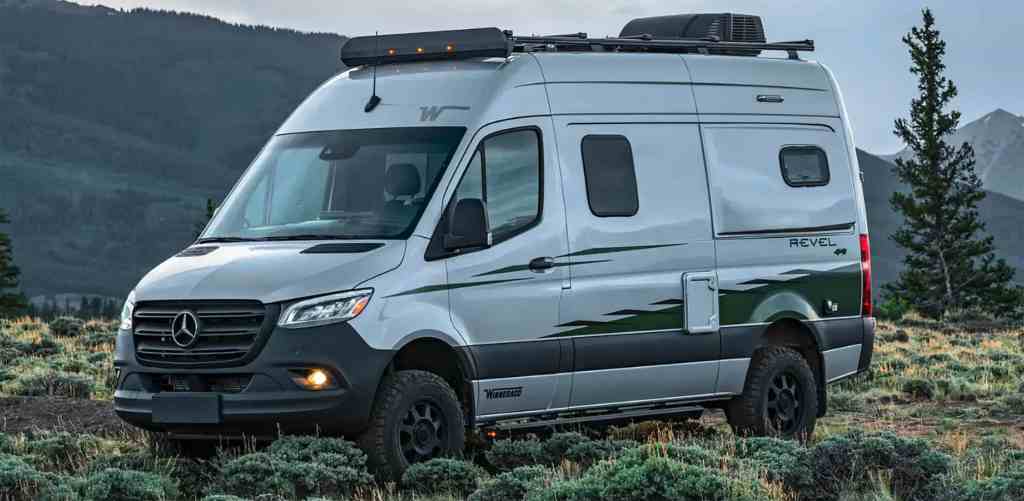
Pros: Very small and easy to drive, not much of a difference from your daily commuter. You can park it just about anywhere, standard parking spots are big enough. Most of these vans are available with 4WD making them beasts to go off-roading or onto a beach.
Cons: Very small space, good luck with storage, because you don’t get much. Usually your dining table/dinette converts into your bed. Although, in certain models you can definitely use the front driving seats as your dining space. Vans or Class B motorhomes are VERY expensive … usually starting at $100,000 and exceeding well above that!
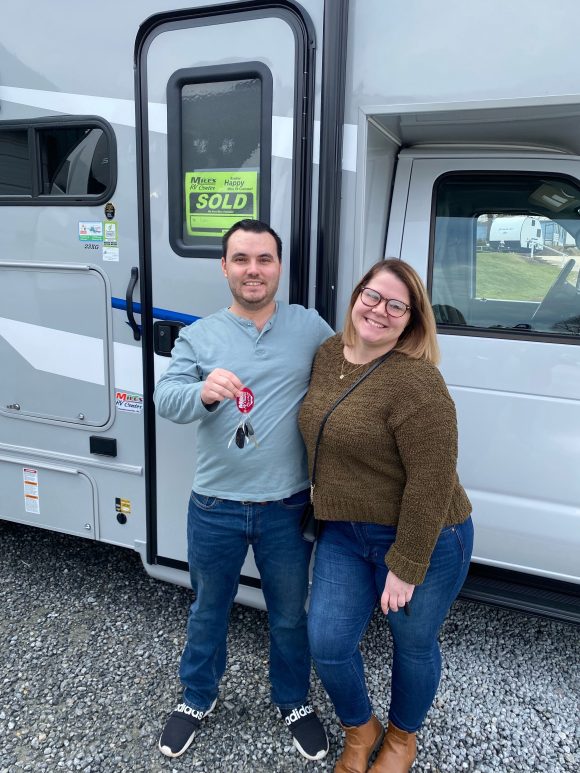
Class C: This is where WE fit in! We have a Class C motorhome, and it’s a 2022 Coachmen Crosstrail XL 23XG. Yep, that’s a mouthful – why do they name these things like freaking extraterrestrial planets?
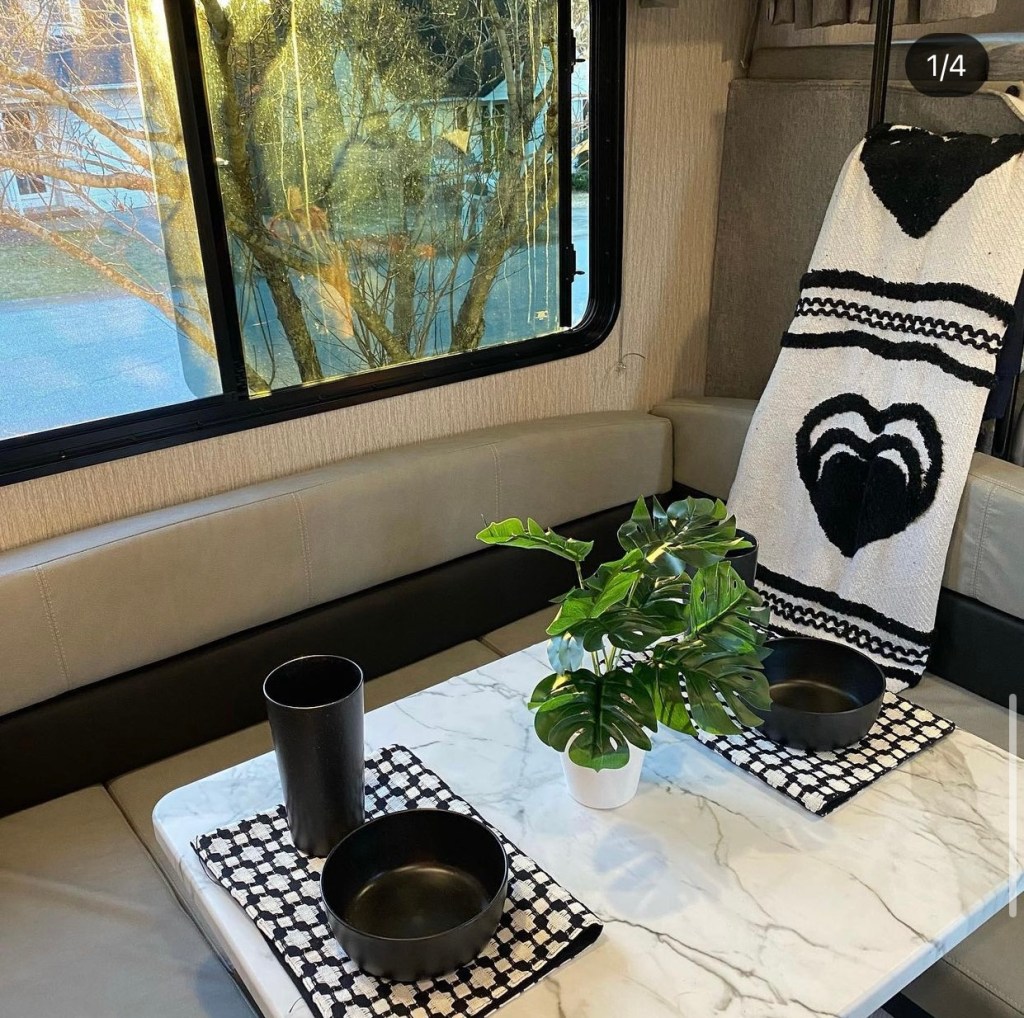
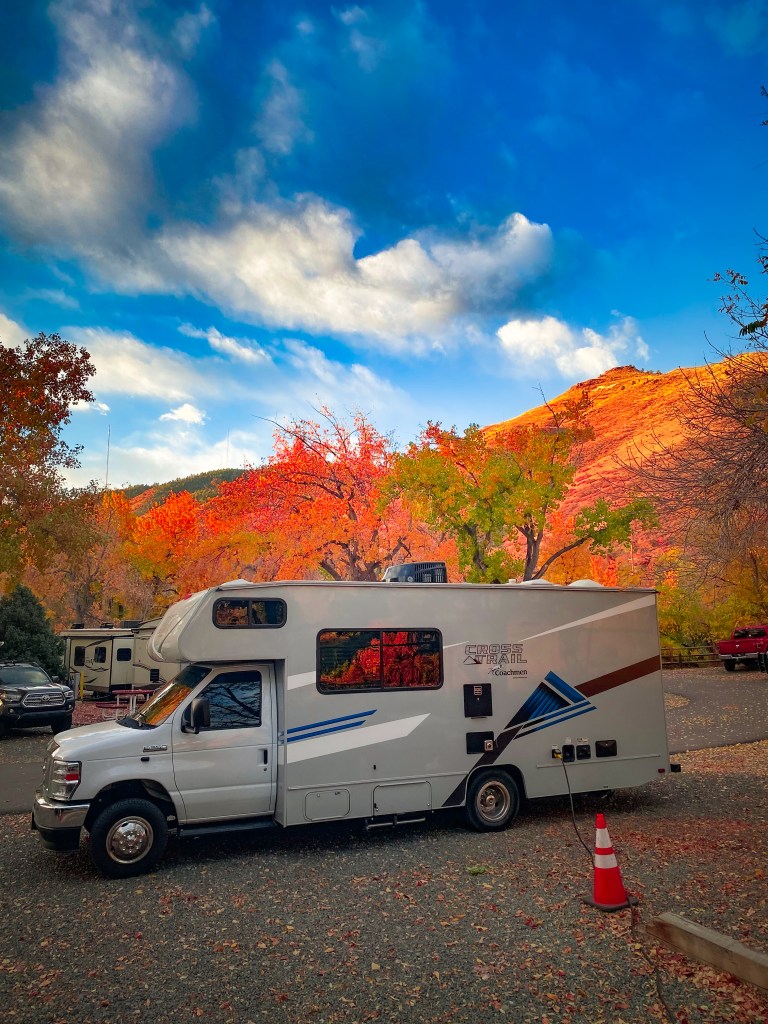


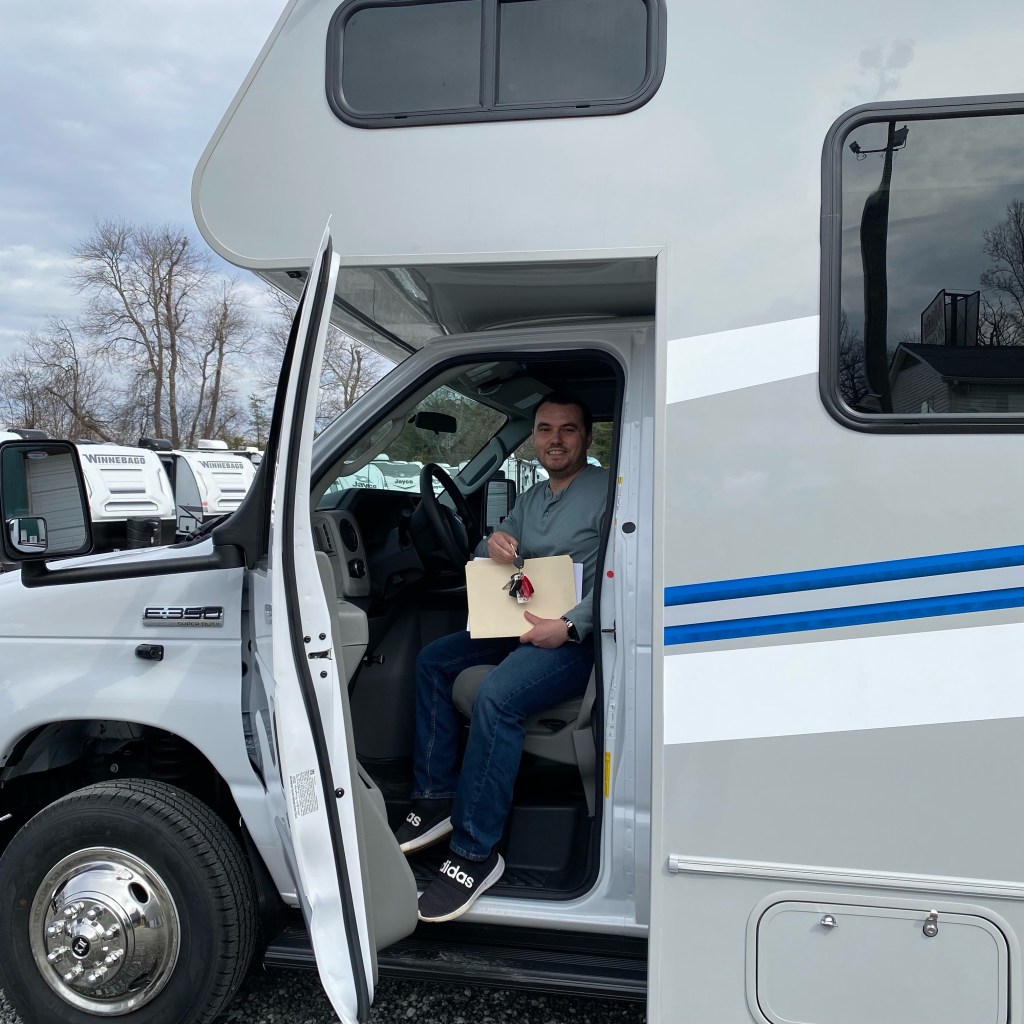
Class C motorhomes vary greatly between about 22 feet and 33 feet, and you can’t get much larger than that. Once you step above that threshold, you’re looking at either a travel trailer, fifth wheel camper, or a Class A motorhome because each of these have options to go much larger.
Pros: These offer a nice blend between the Class A and the Class B, which is why I’m baffled why it’s called a Class C. (I guess Class C was the third thing invented by combining the other two?) Budget friendly for the whole family, and Fido!
Cons: These cap out at about 35 feet, so if you want larger you’ll have to get a Class A or travel trailer/fifth-wheel. Very low ground clearance – expect to scrape a lot when driving. Not the most luxurious, if you want that instead: look to Class A or B.
The Others
We’ve seen just about everything on our trip over the last 9 months of full-time RV living. We’ve seen plenty of music festival-goers basically living in their vans and school buses. I spotted a Honda Element with a pop-up rooftop camper once. Plenty of SUVs like Toyota 4Runner, Subaru Outback, and others that people have slapped a rooftop camper top on. We’ve even seen a few people using “Camp mode” on their Tesla as they sleep in it at their campsite pedestal charging overnight.
“Life really is about creating your own adventure.”
-No Place Like Gone, 2023
We’ve Had Fun Today – Did You?
We can only hope that you had a blast reading our blog today. We love camping and traveling full-time so much that we have dedicated our time to help others do the same. It’s truly a lifestyle fit for just about everyone, with many, many options to suite your needs. The experience of camping is how you can live simply, see plenty of beautiful landscapes, and experience the world through your own lens.




 No Place Like Gone