Page, Arizona is a stunning destination filled with natural wonders and exciting attractions. It seems like you could write pages and pages about all of the adventures there are to do here in Page. But the real question many of us have is, “Just how many Pages are there in Arizona?” I know, awful dad jokes – I’ll try to refrain for the rest of this blog – no promises though…
Time to read:
6–9 minutes
Lower Antelope Canyon.Horseshoe Bend (“East-Rim of the Grand Canyon”).Bree at Lower Antelope Canyon.“This is as close as I’ll get to the edge.” -Matt.Each look at the canyon reveals another optical illusion.
In this blog, we’ll cover some of the top sights not to be missed while exploring this incredible desert-painted landscape in Page, Arizona. Remember while reading this list to check the opening hours, availability of guided tours, and any necessary permits to ensure a smooth and enjoyable visit as these fluctuate often depending on the season.
Situated west of the Navajo Nation’s border, Page, Arizona, has a little bit for everyone. Does exploring one of the most photographed canyons in the world sound cool to you? How about seeing the incredible “East-Rim of the Grand Canyon” – Horseshoe Bend? What about authentic Mexican food and an ice-cold margarita? And don’t worry, Page, AZ, even has a Walmart for all the necessities you forget to pack.
Advertisements
Antelope Canyon
We learned from our tour guide, Orin Yellowman, that you can take vertical panoramas with the iPhone 11 – look at this incredible picture!
Explore the captivating slot canyons of Antelope Canyon, known for its beautiful sculpted sandstone walls and breathtaking light beams. Whether you choose Upper or Lower Antelope Canyon, both offer a surreal photography experience.
“The Half Pipe”Incredible waves.Bree in Lower Antelope Canyon.Wind and water work together to shape the walls of the canyon.“Just WOW!”This place is incredibly photogenic.
We explored the Lower Antelope Canyon with Dixie’s Tours and it was worth every penny. When you get there, ask for Orin Yellowman as your tour guide – if you want Diné cultural history, laughs, and a master course in how to take captivating photos – He’s the absolute man – thank you Orin!
Prices start around $35/kid and $55/adult, + the Navajo park & recreation fee (another $8/person). Don’t forget to bring a little extra spending money for any gift shop purchases and tips you wish to give your guide.
Caution: be prepared to climb ladders and very sloped surfaces for the Lower Antelope Canyon tour. The Upper Antelope Canyon tour is more accessible if you have any concerns.
Advertisements
Orin Yellowman, tour guide, with Dixie Tours.Stairway down into the Lower Antelope Canyon.Parts of the tour are difficult to navigate. Be prepared for this – your tour guide can aid you if needed.
Horseshoe Bend
Horseshoe Bend, known as the “East-Rim of the Grand Canyon”.
Known by many as the “East-Rim of the Grand Canyon,” here you can marvel at the iconic Horseshoe Bend, a horseshoe-shaped meander of the Colorado River. Situated almost as far east as the Grand Canyon goes, these incredible rock formations are a delight to see. Enjoy a short hike to the viewpoint and witness the remarkable beauty of the massive 1,000-foot deep canyon.
Advertisements
This place almost doesn’t seem real – it’s one of those hard to explain ones. You just have to see it in person to even believe it! Over time, the Colorado River has been carving Horseshoe Bend and the Grand Canyon out chunk by chunk, very slowly.
The Sun was blinding – hence my squinty eyes.
Prices are $10/car (same price for RVs + campers) to get in the gate – there’s even a convenient RV-sized parking! With a short 0.6-mile stroll from the parking lot, you’ll arrive at the canyon overlook.
Consider joining the [gone] community!
Please consider joining the [Gone] community by subscribing below & following us on social media. It’s 100% free, and well worth the price of admission. We’ll update you with the newest RV lifestyle stories, tips and tricks, mental wellness tips, and so much more. DMs are always open to chat, and we’ll answer any questions you have about this lifestyle – it doesn’t have to be scary! We also promise not to spam your inbox with junk – we don’t care for that either.
Discover the splendor of Lake Powell, a massive reservoir encompassing crystal-clear blue waters and majestic red rock formations. Indulge in water activities like kayaking, paddle-boarding, boating, or simply relax along the scenic beaches. Guided tours are available.
Visit the impressive Glen Canyon Dam, the marvel of engineering that created Lake Powell. Take a guided tour to learn about the dam’s construction, its role in generating hydroelectric power, and the history of the area.
Prices: It’s free to get in and park, whether you want to see the Visitor Center, walk along the dam, or learn some local history about the lake. You can’t beat the price of admission here!
You can also visit the Carl Hayden Visitor Center to learn more from the staff there. Everything from the history of the dam, exhibits displaying damage that has happened over the years, and interactive learning opportunities for all ages. Children can even earn junior badges as this property is part of the National Park Service.
Advertisements
Rainbow Bridge National Monument
Rainbow Bridge, from Adam Birken.
The only way to see this amazing arch is by scenic boat tour or a long hike to Rainbow Bridge National Monument, one of the world’s largest natural bridges. This awe-inspiring natural wonder is an incredible sight to behold and holds great cultural significance for Native American tribes in the region.
See a barren, yet-alive landscape encompassing 1.25 million acres ready for exploration. Hundreds of miles can be hiked, biked, kayaked, explored, trekked, climbed, or simply walked. You are the deciding factor. How will you adventure in Glen Canyon National Recreation Area?
We Can’t Have a Blog Without FOOD!
I’m a foodie, so whenever I can get my hands on something new and tasty I.am.in. You don’t even have to ask – the answer is, YES!
Fiesta Mexicana with my love, Bree. I ordered a Super Burrito and Dos Equis Amber, and she had a Steak Fajita Burrito and a Fiesta Margarita. Both were amazing, and their “hot” salsa was bomb as a free appetizer!
Fiesta Mexicana claims to have the best margaritas in town, and although they’re good, we didn’t try any other margaritas in town. So, the verdict is out on that one. I can say they weren’t the best we’ve ever had but there burritos certainly were in top five!
Big John’s Texas BBQ has a Navajo and rustic theme. We didn’t have the time to try this one, but I can say it looked like good BBQ. Reviews say it’s fantastic. Reasonably priced menu with great side options, fruit cobbler and ice cream for dessert – yum!
Advertisements
Another one we didn’t get to try that looked appetizing was BirdHouse, where the local Arizona folk claim the best chicken around is served up daily.
Whatever you pick you can’t go wrong in this small town of Page, Arizona. There is heart and charm located all over the downtown area.
Campground Recommendation
Roam America – Horseshoe Bend.Sunrise at Roam America.Catching an epic sunrise!
Roam America – Horseshoe Bend was a fantastic stay (you may also find this one called “The Canyons RV Resort and Cabins” on Google – they just changed their name). This is the future of RV Glamping – move over KOA!
Brand new washers/dryers.Bathrooms ares suite-style rooms.Fancy tech allows you to pay digitally with a card.The waiting area of each bath hous+ laundry buildings looks something like this. There’s at least 4-5 of these comfort station buildings on site.
We HIGHLY recommend this campground as we had a phenomenal stay here. For the price of $50-$75/night for a RV site, you get full hook-ups, brand-new clean restrooms and shower suites, a dog park, pool, splash pad, camper store, digital laundry, WIFI, and more. This campground is conveniently located near all of the “Just WOW” sights on this list!
Advertisements
The Adventure Continues
Let us know your travel plans! Are you passing through Page, Arizona to get to the Grand Canyon, see Arches National Park, or coming to see the iconic “East-rim of the Grand Canyon” – Horseshoe Bend? We’d love to hear about your travels – tag us @noplacelike.gone on Instagram + Facebook! You can find us quickly with the links below.
Wildwood is located off of Highway 20 just before reaching the oceanside town of Fort Bragg, California when coming from Willits and Ukiah in the east. Northern California is known for its breath taking redwood trees and this campground is immersed deep within an old growth forest.
A word of caution: Highway 20 is VERY curvy coming from the east. As in, hairpin turns at 20 mph max around every corner. For the seasoned driver these can be tackled easily with a bit of patience and fínese but if you’ve got a large rig or are not 100% comfortable driving your RV yet, I would avoid coming in on highway 20.
After driving the windy mountain road pulling into the campground and meeting Jessica at the office was a welcomed relief – she greeted us with a warm smile & checked us in. Because the campground only requires a reservation deposit at booking, she processed the remainder of our campground fees and gave us a guide to the local area – “101 Things To Do in Mendocino County.” She gave some local recommendations includingprincess seafood market, Glass Beach, and the sea glass museum, she then radioed for Travis & Casey.
Travis and Casey greeted us on a gator golf cart and escorted us to our site. The communicated via walkie talkie and helped us back into our spot – number 67. We were able to join the “parked it on the first try club” & were congratulated with a fist bump from Travis. He then showed us our utility locations and helped us get plugged in.
The gravel site was mostly level but we did use a few leveling blocks on the rear to make it perfect. Some sites had a pretty significant slope so it is probably a good idea to pack extra leveling blocks, even if you have auto levelers.
We settled into our spot easily and took a walk around the campground. It was built in the 1970s and has all the vintage charm of the era. Yellow hand painted signs made of redwood slices number the sites and point out hiking trails as well as the restrooms. There are coin operated showers in the bathhouse so be sure to bring spare quarters if you plan on using the facilities.
Around the corner from the bathhouse is a stage and communal fire pit. We were treated to campground karaoke during the holiday weekend – Disney songs were a hit with the families camping.
We enjoyed cool days under the redwoods as temperatures nearby broke 100* F. We took advantage of the on-site hiking trails a few times during our stay. There is a pond with a family of otters on the property and if you’re lucky you might get to see them.
If you’re really lucky you’ll be able to meet “Spirit” the three legged tabby cat. We didn’t ask what happened to his leg – that seemed rude – but he stopped by a few times to ask us for pets and head scratches – we gladly obliged.
Everyone was SO friendly – the staff and the fellow campers. We enjoyed s’mores one night with our neighbors across the way & spoke to many of our neighbors in passing. There are several permanent residents on the west side of the park, they have a separate entrance and are separate from the short term campground area. Trash is picked up right from your site, just set the provided can at the end of your site and the guys pick it up each evening for you – this makes sure no hungry critters get in during the night. Beware this is bear country!
Travis, who we later learned is the new owner & manager, stopped by several times throughout our stay to check on us, even bringing us firewood directly to our site in the gator golf cart. Fire wood is $15 for a whole cord of wood and your first bundle is free! Our bundle was stacked & waiting for us next to the fire ring when we arrived. We learned Travis, the owner, even personally drove a family up to town when they were having car issues late in the evening and Uber wasn’t available. The customer service, willingness to help, and attention to detail here is unmatched.
Speaking of Uber, don’t depend on ride-share or cell signal here. Cell signal is not available for most carriers. There is 4G reception with Verizon ONLY. Our verizon phone hotspots worked surprising well and we were able to get on Zoom calls and such but there was definitely no star link coverage with the large tree canopies filling the sky.
Speaking of the trees, that was the best part! We were able to camp right under the enormous redwood trees and take in their beauty right from our campsite. Many afternoons were spent by the fire watching birds flit around the redwood trees. If you’re in to the more unique creatures – banana slugs were frequent visitors; slimy but harmless – and kinda cool to watch as they slowly make their way around. These slugs are native only to the redwood forests on the west coast and are bright yellow, sometimes with spots.
Overall, we give this campground a 10/10! The over the top customer service was soooo appreciated and was a huge contrast to other places we’ve camped. The redwoods provided a picturesque & relaxing backdrop, I even broke out my hammock. This is the only campground in the redwoods in close proximity to Fort Bragg & Glass Beach which is less than a 10 minute drive away. We enjoyed hunting for sea glass at this famous beach!
Travis & Kay have big plans for the future of the park including adding live music events on the weekend & opening a camp store. If you’re ever in the area, please check this place out and tell Travis & Kay we said hi!
Nature has a unique way of making us feel refreshed and alive. Spending time in the great outdoors can have numerous benefits for our physical, mental, and emotional wellbeing. Being in nature, we are able to unplug and reconnect with a more primal & simplistic state of being. Today, we’re going to talk about Ecopsychology and some of the top benefits of spending time in nature outside. Continue reading to learn how the great outdoors can be more effective than many of your prescription medications.
Ecopsychology is a word for “the study of nature and how it affects the human mind.” We’ve learned in the last 10+ months while full-time traveling in a RV that there’s nothing that even comes close to comparing with nature. You can take prescription meds, read self-help books, go to therapy, practice gratitude daily, etc. and then adding in time with nature will make you feel even better.
Research done by Yale University, showed that time in nature — as long as people felt safe in their environment — was an antidote for stress. Spending time outdoors can lower blood pressure and stress hormone levels, reduce nervous system arousal, enhance immune system function, increase self-esteem, reduce anxiety, and improve mood.
There’s a reason tree roots look like the nerves in the brain.
In other studies done by the American Psychological Association it was discovered that a simple stroll through a city park or a day spent hiking in the wilderness can be extremely beneficial. Their studies showed that exposure to nature was linked to improved attention, lower stress hormones, overall better mood, reduced risk of psychiatric disorders and even upticks in empathy and cooperation.
So why is this the case? What about nature encourages our mind and bodies to breathe slower, reduce anxiety, and function better holistically? Ecopsychology is a growing field that studies how nature and our environment affects our mental health, stress, mood, physical activity, oxygen levels, and more. We originally thought nature freaks were the only ones who thought this way – but numerous studies have shown that the hippies were right all along and modern science is actually on their side.
Nature Can Do Many Things, So Let’s Explore its Benefits:
Reduces Stress and Anxiety
Nature has a calming effect on our minds and bodies. Being surrounded by plants, trees, and fresh air can help reduce stress and anxiety levels. Studies have shown that spending time in nature can significantly lower cortisol levels, a hormone associated with stress.
Stress is a major talking point for everyone – you hear it in the news, at work meetings, and even in casual conversations. Everyone is “so busy” and stressed. The stress may look different person to person but there’s one thing that remains consistent – stress will completly fill any space you allow it to have.
There’s many times when we get stressed from overworking, being too busy, not having enough free time, or even just not sleeping properly. Getting out into nature is a free, easy way to get out and feel better – instantly. You don’t have to call the doctor to get a prescription and wait for it to kick it, you don’t have to sit in a therapy session for an hour, you don’t have to wait another day – just grab your shoes and hit the road, Jack.
Improves Physical Health
Nature is a great place to engage in physical activity. Hiking, walking, and biking are just a few examples of outdoor activities that can improve your cardiovascular health, reduce your risk of obesity, and lower your blood pressure.
It’s well known that we all need to work out, eat healthier, have less sugar and caffeine, and many, many other things that doctors tell us at every annual visit. However, just going out on a walk is enough to help – Rome wasn’t built in a day. While you are out exploring you get to create your own adventure. Do you want to hike 1 mile or 5 miles? The world is your oyster. The key is that you are outdoors doing something, and something is better than nothing.
Did you know that walking, hiking, running, or doing any form of exercise outdoors is the healthiest way for your body to produce “natural caffeine?” There’s no drawbacks to taking a walk. Unlike grabbing a sugar filled caffeinated beverage, you won’t have a sugar crash at the end of that walk either.
Boosts Immune System
Being in nature can also help boost your immune system. Trees and plants release phytoncides, which are chemicals that help protect them from germs and insects. When we breathe in these natural chemicals, our bodies respond by increasing the number and activity of a type of white blood cell that fights infection and even cancer.
“A growing body of evidence suggests that various forms of being exposed to nature, such as living close to, frequenting or even looking at environments dominated by living material, are able to provide salutogenic effects on human health. They range from beneficial psychological to physiological outcomes such as attention restoration, improved mood, lowered anxiety and decrease in depressive symptoms, improved cardiovascular, metabolic, oncogenic, respiratory and endocrine function as well as faster healing after surgery and longer life-expectancy. Often, these benefits are attributed to indirect effects of nature exposure, such as increased physical activity, social interactions, positive mental effects and exposure to sunlight, but recent findings have also highlighted direct physiological mechanisms that are triggered by exposure to natural environments. This review focuses on direct mechanisms by which nature can affect human health, more specifically on air-borne compounds emitted by natural environments that have the potential to modulate immunological responses when inhaled, such as biogenic volatile organic compounds (BVOCs), terpenes, essential oils, charged ions, pollen, fungi and bacteria.”
Did you know that your immune system could be enhanced by being out in nature? Because studies are finding out that it absoutely can be.
Enhances Creativity
Nature has been found to enhance creativity and problem-solving abilities. In a study conducted by the University of Utah, participants who went on a nature walk prior to testing performed better on a creativity test than those who went on an urban walk.
Provides Mental Clarity
Nature can also help clear our minds and improve our focus. Stepping away from our daily routines and technology can help us recharge and refocus our thoughts.
Have you ever been sitting at work for a few hours and just felt like you can’t focus anymore? There’s too many phones ringing, emails buzzing, your boss wants to have a meeting, and the intern has 500 questions for you today. It’s all happening at once, and the reality is that our brains and bodies were not made to handle this much stimulation at once.
Stress, depression, and other mental illnesses often follow when we are subjected long term to doing something that we can’t sustain. Your mind and body both can not keep up with the constant pinging of the world – so give them a break.
By going outside in nature, you allow yourself to see the trees, plants, animals, and the simplicity of the world. We have stepped away from a simple life in exchange for our digital world of notifications. At any time, you can decide to put down your phone and walk outside. Even turn it off, so that it won’t bother you the rest of the day. We are allowed to rest, and none of us are robots – even if our employers think we are or want us to be. We have to take breaks and reconnect with ourselves.
Wrapping Up:
Spending time in nature can have numerous benefits for our physical, mental, and emotional wellbeing. Whether it’s through hiking, camping, or even just taking a walk in the park, make sure to incorporate nature into your life to reap the (many) benefits it has to offer.
We appreciate you reading this far!
We’ve been full-time living in a RV for 10+ months, follow along with our adventures by clicking the buttons below:
National Parks are incredible and almost other-worldly. If you haven’t visited one yet, make sure you add one or two to your summer plans now. We’ve been lucky enough to camp at 10 national parks so far, and every single one of them in the national park system have been incredible.
Theodore Roosevelt, often called “the conservation president,” impacted the National Park System well beyond his term in office. He doubled the number of sites within the National Park System during his time in office. Between 1901 & 1909, President Teddy Roosevelt signed legislation establishing five new national parks within the National Park System: Crater Lake, Oregon; Wind Cave, South Dakota; Sullys Hill, North Dakota (later re-designated a game preserve); Mesa Verde, Colorado; and Platt, Oklahoma (now part of Chickasaw National Recreation Area). By the end of his term the US was the proud protector of
There is nothing so American as our national parks … The fundamental idea behind the parks … is that the country belongs to the people, that it is in process of making for the enrichment of the lives of all of us.
Teddy Roosevelt
We’re going to show you all of the current national parks by state with images and short explanations. If you’re looking for the ultimate adventure, then this list is where to start with the national park system.
Advertisements
Please consider joining the gone community by subscribing below & following us on social media. It’s 100% free, and well worth the price of admission. We’ll update you with the newest RV lifestyle stories, tips and tricks, mental wellness tips, and so much more. DMs are always open to chat, and we’ll answer any questions you have about this lifestyle – it doesn’t have to be scary! We also promise not to spam your inbox with junk – we don’t care for that either.
Denali National ParkGates of the Arctic National Park and PreserveGlacier Bay National ParkKatmai National ParkKenai Fjords National ParkKobuk Valley National ParkLake Clark National ParkWrangell-St. Elias National Park
Wouldn’t you love to wash up on this shore at American Samoa National?National Park of American Samoa
National Park of American Samoa, American Samoa
Arizona
We went to the Grand Canyon in December 2022 – incredible!Grand Canyon National Park, ArizonaSagauro National ParkPetrified Forest National ParkPetrified Forest National Park, Arizona
Grand Canyon National Park, Arizona
Petrified Forest National Park, Arizona
Saguaro National Park, Arizona
Arkansas
Hot Springs National Park, ArkansasHot Springs National Park, Arkansas
Hot Springs National Park, Arkansas
Advertisements
California
Channel Islands National ParkKings Canyon National ParkMe at Zabriskie Point in Death Valley, January 2023Death Valley National ParkJoshua Tree National ParkMe at the Palm Oasis, Joshua Tree, March 2023Lassen Volcanic National ParkLassen Volcanic National ParkPinnacles National ParkRV’s can’t fit through Redwood trees, LOL, Redwood National ParkRedwood National ParkEl Capitan, Yosemite National ParkGeneral Sherman Tree (the world’s largest tree) at Sequoia National Park
Black Canyon of the Gunnison National ParkRocky Mountain National ParkGreat Sand Dunes National ParkOur Luna at Great Sand Dunes National, November 2022Mesa Verde National Park
Black Canyon of the Gunnison National Park, Colorado
The climate is tropical in Biscayne National ParkBiscayne National ParkEverglades National ParkMarsh swamps in Everglades National ParkDry Tortugas National Park
Biscayne National Park, Florida
Dry Tortugas National Park, Florida
Everglades National Park, Florida
Hawaii
Haleakala National ParkA barren landscape in Haleakala National ParkHawai’i Volcanos National ParkWaterfall and spring at Hawai’i Volcanoes National Park
Haleakala National Park, Hawaii
Hawai’i Volcanoes National Park, Hawaii
Advertisements
Idaho
Grand Prismatic Spring in Yellowstone National ParkYellowstone National ParkGeysers spray hot spring water in all directions at Yellowstone National Park
Yellowstone National Park, Idaho, Montana, and Wyoming
Kentucky
A shot we took of former mining operations while in cave at Mammoth Cave National Park
Great Smoky Mountains National Park, North Carolina and Tennessee
Texas
Under the starts at Big Bend National ParkBig Bend National ParkGuadalupe National Park
Big Bend National Park, Texas
Guadalupe Mountains National Park, Texas
Utah
Arches National ParkBryce Canyon National ParkCanyonlands National ParkHorseshoe Bend at Canyonlands National ParkCapitol Reef National ParkA cave within Zion National ParkZion National Park
Virgin Islands National ParkBeautiful Palms at Virigin Islands National Park
Virgin Islands National Park, Virgin Islands
Virginia
Shenandoah National ParkSprawling hills of Shenandoah National Park
Shenandoah National Park, Virginia
Washington
The beach at sunset at Olympic National ParkOlympic National ParkExcellent trail view at North Cascades National ParkNorth Cascades National ParkMount Rainier National Park
We have merchandise now! Everything from stickers, water bottles, RV pillows, blankets, and plenty of clothing options (t-shirts, shorts, yoga pants, sports bras, hoodies, and more!)
You can click the above green hyperlink, any of the below images, or copy and paste the link below into a new browser window. Any of these will get you to our new merch store – and we know you’ll find something awesome!
Pictured above are all of the 6x custom designs that we have. These are all sample images of the merch we currently are selling, although plenty of other colors, sizes, and products are available on our official store!
If you haven’t used a RV before, it can be a little intimidating. We’ve been there too (we all started as newbies!), so today we’re bringing you this RV guide for beginners to help make the process painless. After reading this RV guide, you’ll learn how to setup your campsite and all the needed utilities for a RV. This will get you out in the great outdoors and finding your next adventure in no time. We’re Matt & Bree with No Place Like Gone, and we’ve been living and traveling the US full-time in a RV for almost a year now, here are our tips for setting up an RV for the first time.
Time to read:
9–13 minutes
Please consider joining the gone community by subscribing below & following us on social media. It’s 100% free, and well worth the price of admission. We’ll update you with the newest RV lifestyle stories, tips and tricks, mental wellness tips, and so much more. DMs are always open to chat, and we’ll answer any questions you have about this lifestyle – it doesn’t have to be scary! We also promise not to spam your inbox with junk – we don’t care for that either.
If you have any questions while reading this RV guide, make sure to shoot us a DM on social media with the below links:
Below are the basic steps of RV set up, from pulling in to the campground to roasting those s’mores. Keep reading for a detailed description of each step.
Arrive at campground
Find site number
Park in site
Level
Release slides (if you have them)
Hook up your utilities
Electricity
Water
Sewer
Enjoy camping!
Arriving at the Campsite
Our RV parked in a campsite in SoCal.
Once you get to the campground you’ve decided to stay at, you’ll have to find where your campsite number is.
Generally, numbering starts from smallest to largest and increases the further you drive. Go slow and pay attention to directional signs. Once you find your campsite, park in front of it but make sure you aren’t blocking the road. You’ll want to hop out to walk the perimeter of the campsite before parking.
Look for where the utilities are located in the campsite (electricity, water, sewer) but keep in mind not all campsites will have all three. Confirm where the utilities hook up on your RV or camper (typically on the driver’s side).
Check and see whether it’s easier to pull-in or back-in to the spot, typically you can tell by how the campsite is angled against the road – the utilities will also help determine this.
Park Your RV With This Guide
If you aren’t by yourself, you’re in luck (for many reasons). The person with you should hop out so that they can help guide you into the spot. Parking an RV takes teamwork! This is especially important when you are guiding your RV back into a spot. Instead of shouting throughout the campground, it’s best if you get on the phone to communicate directions with each other.
Backing up a trailer is no easy feat for a newbie – it takes practice AND patience.
Once backed into the spot, give yourself a pat on the back! If you managed to miss hitting anything, give yourself another pat on the belly … it’s dinner time! Well, first you have to hook the RV up to power, water, and all of the other things but you’ll be bbq’ing in no time.
RV Leveling Guide
You’ll want to make sure the RV is level so that you don’t trip, get hurt, or feel wobbly. There’s also other benefits behind this like water and propane flowing properly as well. If your fridge runs off of propane it is especially important to be level to prevent damage to your appliance.
If you’re renting a RV or camper, you might not have the right equipment to level. Make sure to check with who you have rented fromif to confirm they provided leveling instructions.
Auto-Levelers
One type of auto-leveler.Another type of auto-leveler.
If you have auto-levelers, you are the luckiest of all. You would know this because they are a huge deal in the world of RVs. With auto-levelers you can press a few buttons and be leveled within a minute or two. That makes things easy, right?
Jack Stands
With automatic jack stands, you can press the buttons to maneuver the jack stands down onto the ground to help you level and support your RV. If you have manual jack stands, you’ll have to use an impact drill or lever to turn the jacks to the proper height on each side.
Leveling Blocks
10-pack of Camco leveling blocks. Click the image above to be taken to the blocks we recommend on Amazon.
We use leveling blocks because we’re cheap, woo! With these, you’ll have to pull up onto the blocks and check your levels a few times until you get it right. The blocks interlock and stack just like legos, nothing fancy here, folks.
Quick Guide to Slide-Outs
Slide-outs are a great way to gain additional space in your RV’s floor plan. Many rigs have 2-3 slide-outs and there’s also some without any. We live full-time in a 2022 Coachmen Cross Trail 23XG which is a model with no slide-outs.
Our motorhome: 2022 Coachmen Cross Trail 23XG in Jacksonville, FL.
You’ll want to make sure that how you parked allows adequate room for the slide-outs on each side. This will mean that you can not be parked too close to trees or any other obstructions.
Insider tip: Typically you’ll have to leave the engine running of your motorhome to operate the slides, whereas campers and travel trailers do not have this problem.
By finding the slide-out control panel (probably located in the interior of the entrance to your RV) you can operate the slide-outs with the buttons. Make sure that you don’t hear any crazy or weird noises as they are extending out.
Insider tip: You can also open the windows so that you can watch as the slides come out. This will give you extra views to watch any trees or potential danger objects.
Utilities Guide for RVs
Electrical Hook-up
We’re going to have a crash course on RV utilities. Make sure you have all the proper RV accessories and necessities if you are new to camping so that you don’t have any issues when you get to the campsite.
For the renters: if you’re renting, you should have a water hose, sewer hose, power cord, and potentially other accessories with your RV. Make sure to check with who you’ve rented from to confirm what came with your rental.
An electrical surge protector is highly recommended. Click the image to see the one we use from Amazon.
You’ll want to hook up your electrical surge protector and flick on the 30A or 50A breaker depending on what your RV or camper is. You’ll find this out by which cord you have – it’s either 3-prongs or 4-prongs.
50A with four prongs (far left), 30A with three prongs (middle), 15/20A is a house electrical outlet (far right).
Do not hook up your RV or camper power cord yet! You should only be putting an electrical surge protector to the power pedestal (a sophisticated word for “electrical hook-up”).
Flick on the 30A or 50A depending on your cord, and check if the power is all green lights and safe to use. Otherwise, bring up any grounding issues or faulty electrical problems to the campground staff immediately.
Once your surge protector gives you an A-O-K, it’s time to move on to the power cord. Flick off the 30A or 50A breaker (depending on which one you turned on) to connect your power cord to the surge protector. After, connect the other side of the power cord to your RV electrical connection port. Now is time for the power – flick the corresponding breaker from back on.
Water Connections
A water pressure regulator is recommended to protect the plumbing in your RV. Click the image to see the one we recommend on Amazon.A water filter guarantees you’ll have cleaner water coming into your RV. You’ll want this if you plan to drink the water. Click the image to see the one we recommend on Amazon.
You’ll want to start with turning on your water spigot at the campsite to verify that it works. Let it run for 20-30 seconds to remove any sediment and water that may be settled down in the pipe. Now you can turn it back off.
It’s time to connect your water pressure regulator. One end of the water hose will then connect to the water pressure regulator, and the other end to the water connection on your rig (another word for RV). Be sure to look for the connection that says “city connection” or something similar and NOT “tank fill” – otherwise you’ll be filing your fresh water tank only!
Now you can jump for joy because all you have remaining for this section of the RV guide is to turn on the water and hope for plumbing to do its job. If you notice any leaks or spraying, turn off the water and try to tighten the connection where you saw an issue. Usually this is a simple and quick fix.
Sewer Connections
Remember, not all campsites will have all of these utility connections. Sewer is the least common to see, but many places that are more expensive do have a hook-up for this. If you want to know what van life is actually like, you may end up with poop on you at this point. Just warning you now so that you are prepared for the inevitable.
You’ll want to put one end of the sewer hose aka stinky slinky (lol, it literally is one though) to the waste connection on your RV. This will be a black plastic valve somewhere under the RV near the other utilities at the rear.
MAKE SURE THE SEWER VALVE HANDLES ARE CLOSED! There should be two of them and both should be closed or you will end up with a mess on your hands.
After connecting to your RV, place the other end of the poop slinky (I coined this term) down into the campsite sewer connection on the ground. From here you can let the tanks fill and dump once or you can let the gray drain while you’re parked. If you opt to leave the gray open (sink and shower waste) be sure temperatures won’t be dropping below freezing. Whether you dump once or leave the gray open, you have to leave the black tank (toilet and poop) valve closed and only dump it when you’re ready.
Insider tip: When you go to leave, you’ll always drain the black tank first and then the grey tank after because the sink water will help wash down the poop hose and any potential clogs.
Our new camping merch will level you up from RV beginner to RV pro.
Get to Camping!
That’s basically it … you’ve made it through this RV Setup Guide for Beginners. It wasn’t that bad, was it?
There’s plenty more to learn about this lifestyle, and we want to share it all with you. But the very best way to learn about it – go on a camping trip yourself!
And, we really want to hear about your adventure. If you’re reading this guide, that means you’re probably about to go somewhere awesome very soon. So, where are you camping? Tell us about it in the comments below.
Where Will Your Next Adventure Be After Reading Our RV Guide?
If you liked the blog, please share it with your friends (links below):
Please consider joining the gone community by subscribing below & following us on social media. It’s 100% free, and well worth the price of admission. We’ll update you with the newest RV lifestyle stories, tips and tricks, mental wellness tips, and so much more. DMs are always open to chat, and we’ll answer any questions you have about this lifestyle – it doesn’t have to be scary! We also promise not to spam your inbox with junk – we don’t care for that either.
DM us on social media (with the buttons below) if you have any questions or feedback about the blog today!
Joshua Tree National Park is located in southern California, covering an area of almost one million acres. The park is named after the unique (and eerie) Joshua tree, which is native only to the Mojave Desert and is found throughout the park. The park is a popular destination for nature lovers, hikers, rock climbers, and photographers of Joshua Trees.
Estimated time to read:
12–18 minutes
The park is divided into two distinct ecosystems: the Mojave Desert and the Colorado Desert. The Mojave Desert is characterized by its high elevation and rocky terrain, while the Colorado Desert is lower and has a more diverse landscape, including sand dunes and palm oases.
Advertisements
One of the most popular activities in Joshua Tree National Park is hiking. There are over 100 miles of hiking trails throughout the park, ranging from easy walks to strenuous hikes that require technical skill. Some of the most popular hikes include the Hidden Valley Trail, the Barker Dam Trail, and the Ryan Mountain Trail.
Joshua Tree National Park is also a VERY popular destination for rock climbers. The park has a whopping 8,000 climbing routes and is considered one of the best places in the world for bouldering. The park’s granite rock formations and unique geological features make it a challenging and rewarding destination for climbers of all skill levels. There are several local outfitters that will teach you to safely climb if you’re new to the sport.
In addition to hiking and rock climbing, Joshua Tree National Park offers visitors an incredible opportunity to stargaze. The park is located miles from major cities, which makes it an ideal location for viewing the night sky. Joshua Tree is a designated International Dark Sky Park and boasts some of the darkest skies in the U.S. On clear nights, visitors can even see the Milky Way.
Overall, Joshua Tree National Park is a must-visit destination for any nature enthusiast. Its unique landscape and diverse ecosystem offer visitors a truly unforgettable (and instagram worthy) experience.
Advertisements
Map of Joshua Tree:
Joshua Tree National Park is the 15th-largest National Park in the United States. It’s a few thousand acres away from being a total of 800,000 acres – which is relatively small as far as National Parks go. From north to south, the park is close to one hour of driving distance but can take a little longer depending on your route planning & stops. The shortest route is along Park Boulevard, so if you stay on this road then you’ll save extra time.
Refer to the map below to plan your adventure and see the landscape. We’ve also included a downloadable PDF below to get you jumpstarted with planning your trip to the park!
We Had Bad Weather at Joshua Tree … Make Sure to Check for Alerts!
Check this link to read the most current alerts at Joshua Tree National Park. While we were there, we encountered clear skies, rain, sleet, hail, and snow all in one day. It was a brutal storm moving in, but we enjoyed our unique time at the park nonetheless!
Visitor Centers @ Joshua Tree
There are THREE visitor centers in Joshua Tree. While we were there, the Oasis Visitor Center was closed, but we checked out the other two. Joshua Tree Visitor Center is at the main entrance that the majority of people come into from the Los Angeles area. Expect this center to be packed full of clamoring tourists, while the other two are much smaller experiences for those quiet minds.
We checked out this visitor center on the northwestern edge of the park, and it has just about everything. They’ve got a gift shop, plenty of cool exhibits, a cactus garden (albeit sad in the snow,) a coffee shop next door, and friendly park staff. This visitor center is also right next to the town of Joshua Tree – allowing you to make a day trip to explore the unique area if you’re so inclined.
Advertisements
Cottonwood Visitor Center
This visitor center was the first one we went to because of proximity to our campsite but it was well worth it. Of course they have the usual maps, information, and souvenirs but the best part is just around the corner. If you’re going to do any of the visitor centers, don’t miss this one for incredible views of the Cottonwood Spring, a quick walk from the nearby parking area. Here you will see larger-than-life palms, unique flora and fauna, and (if you’re lucky) the spring.
Oasis Visitor Center
This visitor center was closed when we went to the park. I checked online recently and it now says permanently closed … so expect that when you go! Regardless, this visitor center is right next to the Oasis of Mara which we heard is beautiful. Also near this area is Sky’s the Limit which is well worth the visit itself (more on that below).
– Our Campsite at Joshua Tree –
Belle Campground, #17
Belle Campground: $15/night dry camping. Pit toilets, tables, and fire grates on site. No water.
This is where we camped out, and you can see plenty of awesome pictures we took just at the campground. We originally wanted to be at Jumbo Rocks campground, but it was booked way out in advance. If your plan is to get one of these first-come, first-serve spots, make sure to get there early (before noon). Especially on the weekends!
Advertisements
– Other Camping Options at Joshua Tree National Park –
Reservations Required Camping:
Black Rock: $25/night, 99 campsites. Water, flush toilets, tables, fire grates, and a dump station.
Cottonwood: $25/night, 62 campsites. Water, flush toilets, tables, fire grates, and a dump station.
Indian Cove: $25/night, 101 campsites. Pit toilets, tables, and fire grates. No water.
Jumbo Rocks: $20/night, 124 campsites. Pit toilets, tables, and fire grates. No water.
Ryan: $20/night, 31 campsites. Pit toilets, tables, and fire grates. No water.
Hidden Valley: $15/night, 44 campsites. Pit toilets, tables, and fire grates. No water.
White Tank: $15/night, 15 campsites. Pit toilets, tables, and fire grates. No water.
Places We Explored in Joshua Tree:
Sky’s the Limit
Sky’s the Limit was a nice little stray out of the way, towards the town of Twenty Nine Palms. Here, they have a meditation garden, sun clock, celestial calendar, stargazing at night, and plenty more to do with a full event calendar. Even when not staffed, we still enjoyed all of the abstract artwork made out of metal modeled after the solar system, planets, & moons.
This one looks foreboding and for good reason – it’s literally in the shape of a skull (if you look from the right angle, lol.) It is literally called Skull Rock. As we were walking over to see this incredible rock formation, rain begin to fall. We even began to start to see snow flurries, how much fun!
Parking is on the side of the road right across from this, so very easy to access.
Cap Rock
Advertisements
Cap Rock is another easy walk from the parking lot. It’s pretty cool, because it literally looks like a ball cap on the edge of a rock formation. How long has it been holding onto the edge like that?
Snow started falling as we were sitting in the parking lot here. Our original plan was to head up to Key’s View to have a picnic in our RV there with a great vista all around. But, the rangers shut down the road to Key’s View because of inclement weather, so we pulled off in the nearby Cap Rock parking lot to have lunch with the snow. This detour ended up being a highlight of the day with plenty of fun picture spots.
Arch Rock
Narrow passage next to Arch Rock – take this!
Arch Rock looks exactly like that – a natural rock-shaped arch. How incredible is it that nature allows such a beautiful thing to happen?
BONUS: Once you get to Arch Rock, turn to the right. The arch should be on your left now. Keep heading straight through the narrow passages of rocks (top right picture above with a caption). This is an amazing picture-worthy area. If you keep going it turns to the right and there’s even more incredible crevices and rock formations to explore.
Cottonwood Spring
Sorry to disappoint but we didn’t actually get to see a desert oasis spring in the middle of the park. However, there is a spring underground which is indicated by the abnormally large growth of palm trees nearby. This spring feeds a few of the palm trees in this area to keep them growing happy, healthy, tall, and strong.
Advertisements
It’s a great hike to take regardless, and very easy for people of all ages – just a short walk down from the parking area. We ran into a nice elderly couple who had been hiking in the area and had a wonderful chat. Be nice to old people – you never know what you can learn!
These little cactus guys are something fierce. They can grow taller than people, and when in bloom, have an incredible looking flower. Not to mention that they are super cool and hollow on the inside. Make sure you don’t miss this area when at the park because it is well worth the time. It’s such a beautiful spot with thousands of Cholla cacti situated right off the parking area. The park service has made a walking path that feels like a labyrinth that allows you to get up close. Not too close though! These guys are SHARP.
While we were there, these weren’t in bloom. It’s said that they bloom 2-3 times roughly per year. When they do bloom, they become green, luscious, and even bear flowers. Obviously the pictures we have here tell a different story – not one of thriving and blooms. We saw a few that were starting their regrowth cycle, but I think we must have been too early in the season to see their full potential.
The full bloom of these magnificent cacti-trees. Quite something rare indeed.
This popular destination, perched on the crest of the Little San Bernardino Mountains, provides panoramic views of the Coachella Valley and is well worth the 20-minute drive from Park Boulevard down Keys View Road.
The Keys Ranch is the prime example of early settlement in the Joshua Tree National Park area. Bill Keys was the area’s leading character, and his ranch is a symbol of the resourcefulness of early settlers. The ranch is an extensive complex of small frame buildings built between 1910 and Keys’ death in 1964.
The Hidden Valley Nature Trail Trailhead is located just off Park Boulevard. This trailhead provides access to the Hidden Valley Nature Trail, an easy one mile loop through Hidden Valley on a dirt and rock trail. This is a popular hike through a rock-enclosed valley surrounded by unique rock formations. Along the way there are interpretive signs with information on the area. The trail has an average width of three feet and an average grade of 4% with a max grade of 19% and involves climbing both steps and open rock.
Ryan Mountain is a difficult three mile out and back hike with 1,050 feet of elevation in the central part of Joshua Tree National Park. The first section of the trail is relatively flat, but quickly gains in elevation up the mountain. This is one of the most popular hikes as it provides sweeping panoramic views of the park.
The trailhead for Ryan Mountain is located along Park Boulevard between Ryan Campground and Sheep Pass Campground. There is a secondary trailhead for campers at Sheep Pass Campground, but there is no parking available at Sheep Pass for non-campers.
Explore the rocky desert landscape of Joshua Tree on the Barker Dam Trail, an easy 1.1 (1.8 km) loop. Wander through Joshua Tree’s iconic monzogranite boulders, namesake Joshua trees, and past the historic Barker Dam. Visit a rock art site and experience human history from a respectful distance.
Encounter rock climbers, spot wildlife big and small, scramble over boulders, and walk along desert washes. Catch a glimpse of the far-off San Gorgonio Mountain. View the plant life of the Mojave Desert, including Joshua trees, creosote, Mojave yucca, and pinon pines.
Advertisements
This trail is ideal for short visits, families, wildlife enthusiasts, rock art and history enthusiasts, photographers, and novice scramblers.
Today Lost Horse Mill is considered one of the best preserved mills of its kind in a National Park Service unit. Lost Horse is also a popular destination for visitors looking for a moderate hike. The trailhead is located off Keys View Road. The trail, which is a four-mile round-trip, follows the road developed by the Ryans to haul ore and supplies. Mine shafts are dangerous, and historic structures are easily damaged. While the Lost Horse site has been stabilized, it is still not safe to walk on so proceed with caution.
Lost Palms Oasis is located in the southeastern portion of Joshua Tree National Park. This oasis can be reached on a 7.5 mile out and back hike from Cottonwood Spring with 500 feet of elevation gain. The trail is on a mix of rock, dirt, and sandy washes with very little shade and includes a strenuous climb on rocky terrain out of the canyon that the oasis is located in at the far end of the trail. The oasis is located in Lost Palms Canyon where a permanent water source allows fan palms and other plants to thrive, supporting a vibrant desert wildlife community.
Fortynine Palms Oasis is one of Joshua Tree National Park’s desert oases and is open to the public in the fall, winter, and spring. Located in the northern portion of the park, this oasis provides a refuge among the desert mountains. By providing a reliable source of water, this little oasis allows life to thrive in this seemingly harsh environment.
The oasis is reachable by the Fortynine Palms Oasis Trail, a three mile out and back hike with 300 feet elevation gain in each direction. The trail is on compact dirt with an average grade of 8% and max grade of 27%.
This oasis is a sensitive biological area, please follow posted signs and do not enter the oasis as this is a crucial water supply for plant and wildlife.
In the summer, Fortynine Palms Oasis, its trail, and the parking area all close to allow bighorn sheep undisturbed access to surface water. The park is under drought conditions and herds in the area are increasingly reliant on the oasis spring to survive the hot summer months. The closure will remain in place until summer or fall monsoons provide adequate rainfall to increase water availability.
Which Adventure Will You Take in Joshua Tree National Park?
We’ve had a blast writing this blog and hopefully you’ve got some awesome tips for your next trip to Joshua Tree National Park. My girlfriend’s favorite tree is a Joshua Tree – and for good reason. This park is loaded with thousands of them in all directions, and they’re all unique in their own way. Plus, we had the excitement of adventuring the park during a snow day, which is quite an unusual occurrence – like we are!
Advertisements
<img alt="Matt with
Matt with No Place Like Gone
Hey! I’m the man behind the magic – A.K.A. the camera and blog. I’m also a purveyor of craft beer, grill master, and chief RV driver.
The average American spends close to 90,000 hours in their lifetime working to make a living. Whether it’s a job that you love, hate, or could care less about, you’re working just like the rest of us.
But, who said you had to spend your life doing things that you don’t enjoy? Even if you went to trade school to get a certification or college to get a degree – you aren’t stuck doing that specific thing forever.
Instead, spend your life searching for adventure.Adventure is a little different for everyone, but there are proven ways to find the adventure that is uniquely yours.
Start your adventure today by joining the [gone] community!We’ll send you travel hacks, money tips, lifestyle advice, and so much more.
You can ask us any questions about van life, traveling the US, or just chat with us on social media:
You must find adventure – it’s out there waiting, undiscovered.
For me, I had a moment about a year ago when I just couldn’t handle the stress anymore. It felt like I was stuck in a rut and like I wasn’t moving anywhere. I wasn’t happy with my life, I was sinking down into depression, and I needed a way out. So, I began searching for adventure. “What do I love doing? And if I could find it, “why did I love doing it?” These are questions that kept me up late at night.
Me searching for adventure, from a tree stump.
Fast forward to where I am now, about a year later, and I’m feeling like the best version of myself. I went through a near death experience a few months ago, but that won’t stop me. I have things to accomplish, and I’m searching for adventure everywhere I go.
Advertisements
Along the way, I’ve discovered that I really enjoy writing. I actually started out with trying to write a self-help book – and that adventure lead to me wanting to begin this blog as we traveled the U.S. I took a hiatus from my day job because I needed to regroup and recover in many areas of my life. But even so, I worked vigilantly to create this blog & update our social media – passion projects that I discovered I really enjoy.
Our latest on Instagram:
A year ago, we knew that a change of pace could do us both good. Our instagram feeds were flooded with van-lifers and full-time RV travelers. You know the type, perfectly curated photos set in incredibly impossible locations – the stuff of dreams. We thought these people were crazy (guess we are now too), but there was something that continued to draw us both in – adventure. My girlfriend and I are both nature lovers, needed a change of scenery, and didn’t want to feel stuck with our careers or our day-to-day life. We wanted to create a new life, and that began with our plan to travel the United States.
Advertisements
We put down our fears and sold the house, both cars, and almost every material possession we owned. Knick-knacks – nixed. Extra clothes in the closet – donated. Christmas junk – gone. Lawn equipment – don’t need it without a house, huh? We were crazy enough to do that, and it was one of the scariest times of our lives. But, because of pushing through that fear, I’ve had the most exciting and exhilarating times of my life. It has been an adventure, daily.
We’ve traveled from South Carolina (where I’m originally from) down to Florida (where my girlfriend is originally from,) all the way across the country to California (where we are now). We’ve seen 15 states in about 10 months. We’ve really only slowed down recently because California is so ginormous!
Advertisements
We knew that things weren’t making us happy. They never did, even when society told us everywhere that they could (Thanks, capitalism). By saving money on useless things we used to buy, we were then able to invest that money back into ourselves. We reallocated our money towards therapy, books to inspire us, a RV, travel expenses, and investing in our future. That’s how important you are, I am, and we all are.
I want to ask you to analyze where you are in life right now. Think about your career, the city you live in, your living situation (house, apartment, etc.,) you relationships, your health, your community. The key here is to make sure you write all of this down – it can be on paper or even on your iPhone’s Notes app. Take this seriously, because you need to evaluate where you are in life so that you can make a plan for YOUR future adventure.
Who said you can’t chase your dreams? The wildest thing in life is that life is a choose-your-own-adventure type of experience – and everyone’s is different. During your lifetime, you can do just about anything – but you have to define what it is that you actually want to do.
Advertisements
Me almost two years ago starting this blog.
Do you want to become a YouTube video creator? Let’s say video games are your thing; you can make videos and game walkthroughs. Do it! Start your adventure today, and don’t quit. Part of the secret to success in life is that you have to invest enough time to let things flourish – don’t give up on your first try.
If you plant corn, you expect corn to grow – not pumpkins. So plant the corn and be hopeful about its future growth. Because of drought, pests, and/or bad weather, it’s possible that the corn may not grow well this year. Your harvest may be lacking now but next year will be better. If you keep watering the seeds, fertilizing the soil, and caring for your crop, you’ll eventually reap exactly what you’ve sown – corn.
Want to subscribe to blog updates? We won’t send you any spam – just the newest things we’re writing about!
Advertisements
Allow yourself to think heavily on what adventure(s) you want to pursue. If you don’t have any idea what this could be, think about what you are good at, what you find yourself excited about doing – or, better yet, try something new. Try writing, taking pictures, a new job, coaching youth sports, cooking your grandma’s recipes, or maybe even getting your hands dirty landscaping. I’ve really been enjoying exploring nature photography, as well as writing (of course.)
Some of my recent pictures from San Clemente Beach, CA.
The main point here is to try a little of everything until you discover what you really enjoy. It may be that something you never even considered – you’ll have to think outside of the box. To be honest though, the goal is less about finding what you enjoy and more about the adventure along the way of trying something new.
Advertisements
I don’t make a lot of money (yet) writing this blog. But every week I still sit down to write. That’s because I enjoy doing this, and want to share my thoughts with others. I want to change the way society sees things, lifestyles, and travel which is why I’m fulled by passion.
As this blog continues to grow, and that could take YEARS, it’ll evolve and take on new shapes. Along the way, I will get better and better at it, and people will begin to notice it online. The goal isn’t to make a lot of money writing, the goal is to see what becomes of the blog – to enjoy the adventure. These things take time. But since this is a passion of mine, it doesn’t matter how much time will pass for me, I’ll enjoy the journey along the way.
It’s important to note that you’ll have bills to pay as an adult, and adventure seeking won’t always pay those bills right away. It may take searching for a while and a lot of learning to discover how you can make a living doing something you are passionate about. So, you’ll probably have to work some jobs in the mean time that you align with but know that they won’t be forever. This is okay and is all a part of the adventure along the way.
Keep searching for your next adventure, and you will find it.
Advertisements
You’ve made it to the end, thank you so much for joining me on this adventure! I hope that I have encouraged you to chase your own adventure soon. You can become what you want to be, but you’ll have to work hard, and keep your face up to the sun.
Please sign up for blog updates, it’s completely free – no strings attached. We will only deliver our content to your inbox – no spam.
You can chat with us directly on social media – DMs are open!We’d love to hear about the adventures you’re chasing.
So you just got yourself a brand new (or new to you) RV and want to start exploring the world. Or maybe, you just grabbed a cheap tent and some cases of beer with your friends at the local Wal-Mart. Either way, you’ve come to the right place! We’ve got a guide to help you out with all of the different types of campgrounds.
There are plenty of options for camping that range from roughing it in the middle of the woods, to resort and glamping experiences. Prices and amenities vary heavily depending on where you stay, and you can easily overpay. In this blog we’re going to go over camping options for every budget and also tips & tricks for saving big.
Estimated time to read:
8–12 minutes
Have any questions about the nomadic lifestyle? Message us on any social media platform below:
If you like what you read today, make sure to consider joining the [gone] community. We’ll provide you with the newest updates to travel, minimalism, van life, and much, much more. (And don’t worry – we won’t send you any spam.)
Advertisements
State Park Campgrounds
According to a study in 2009, there are over 6,600 state parks within the United States. These parks sprawl over a total of 14 million acres of land. State Parks are fairly common across the US and are VERY popular during the spring & summer months. I’ve seen typical rates for dry-tent camping sites ranging from $15-$25/night and RV/hookup sites ranging from $30-$50/night.
State Parks highlight beautiful & ecologically significant locations – they typically include bodies of water and trails sprawling through the local topography. Prepare for a great time in the woods with any of these campgrounds. Spots are typically spacious with a few trees in between you and our neighbors. Another trade mark of the State Park system is the eclectic on-site camping stores. Here you can grab stickers and t-shirts to say that you’ve been there and any essentials you may have forgotten last minute for your weekend in the great outdoors!
Keep in mind, not all State Parks offer camping. Some of them are just day-use, meaning you can have a picnic there, hike trails, swim in the lake, etc. but are expected to leave the park right before dark. Rhyming will definitely be my fall-back job one day if this doesn’t work out. What do you think about me rapping about campgrounds?
Advertisements
National Park Campgrounds
There are 423 National Parks in the United States says the National Park Foundation. These are your big hitters. When you think of iconic spots for nature and camping, you think of places like the Grand Canyon, and Yellowstone National Park. These are premier destinations that people travel to from all over the world to see.
Typically, these are near IMPOSSIBLE to get a camping reservation for, unless you are an extreme planner who is ready to book a year in advance – or more. These campgrounds are usually remote and don’t include hookups, or even cell service in many cases. But being in proximity to some of the most beautiful places in the world is well worth the lack of traditional amenities. If you have the chance to snag a spot at any of our National Parks – take it!
Advertisements
COE’s (Army Core of Engineers)
In our opinion, these campgrounds are some of the best, at least for how we like to camp. They usually have plenty of sites available at these campgrounds, ranging between 100-250 sites each. Often a portion of these spots are primitive (meaning no electricity, water, or sewer hook ups.) These are your cheap options to tent camp or boondock with your camper, typically ranging from $15-$25 per night to stay.
The other portion of these sites are for campers and RVs. These are usually electricity only, but they do a great job of positioning water fill-up and sewer dump stations near the entrance of the campground for camper use. These sites are usually between $20-30 per night making these some of the cheapest options to have access to electricity, water, and a dump station while you are enjoying the great outdoors. We’ve stayed for as cheap as $18/night at a COE with electricity.
Another great benefit of COE’s is that they are typically located on a large body of water like a lake or river where you can swim, kayak, or fish. These parks are very well thought out by Army engineers. They also offer shower houses and kid’s playgrounds in most cases.
Advertisements
KOA’s (Kampground’s of America)
KOA sign – You can’t miss it!Activities and more!Cabins are available.Trademark KOA fun – this is what they are known for!
When it comes to KOAs, these are located all over the place. There’s about 480 of them spread across the United States and a few in Canada as well. See the comprehensive list of KOAs here if you want to plan your next family camping trip at a KOA.
They have done a great job of placing KOAs near a lot of the major travel destinations. Places like beaches, National Parks, and mountain ranges will typically have a KOA within driving distance. It’s hard to miss one of these kampgrounds with their highlighter yellow signs on the road. In our experience, it’s pretty costly to stay here. We’ve seen prices around $60-$100/night to stay here. KOAs typically offer amenities such as wifi, full hook ups, a pool to swim in, and dog parks. If that wasn’t enough – they’re espeically geared towards children and will include host activities, theme nights, and kid zones too.
Advertisements
Private Campgrounds
You can find GREAT private campgrounds all over the place. These aren’t affiliated with the parks system or government (city, state, etc.) in any way. They’re basically like you or I opening up our own campground and making our own rules and campsites how we like them.
A great example here is Hollywood RV Park which is where we recently stayed right outside of LA in Hollywood, California. It’s a super cool place that actually houses many film makers and production set workers for nearby film studios. It’s about $90/night in a place like this – mostly because of the prime location in one of the hottest real estate markets in the world – Los Angeles County.
Advertisements
These private campgrounds can range all the way from $25/night hole-in-the-wall type of experience, all the way up to $150/night for your more premium look and locations. Sometimes, they even include things on site like yoga, church services, community events, art classes, or concerts.
Resort “Glamping” Campgrounds
Typically, “resort” or “motor-coach clubs” campgrounds revere themselves for being top notch. Sometimes, they only allow RVs or campers in their park that are models within the last 10 years (2013-2023), or may dictate the type of RVs welcome, to keep up with curb appeal. You will definitely be paying a pretty penny for these – let’s say $90+ and easily into $120/night. These are going to have the most amenities and activities and offer a resort-like experience.
Let me share a little secret with you. If you ever end up in Myrtle Beach, South Carolina, then one of the best kept secrets is Ocean Lakes RV Resort. It’s incredible – and well worth the price of admission. Book early, because they generally fill up incredibly fast – months in advance.
Boondocking (BLM Land)
BLM (Bureau of Land Management) land is for staying over night with NO hook-ups. This land is actually provided by the government, for very small fees, to be used for camping off-grid or in the wilderness. Basically, if you want to get the hell out of society – you can grab a camper and have a blast in the great outdoors. These are most common out west, but can be found across the country.
BLM map provided by the Bureau of Land Management.
Advertisements
A great resource to use for this is FreeRoam, it’s an app and also website that you can download on the App Store. With this, you’ll be able to pop up a map for finding the nearest off-grid land for you to rough it out in.
Harvest Host (+ Boondockers Welcome)
Harvest Hosts:An RV membership program that allows self-contained travelers to overnight at unique locations around the country including farms, wineries, museums, breweries, and more! With 4773+ of host locations inside of the ever-expanding network, there’s an amazing experience waiting for everyone.
Boondockers Welcome: Enjoy truly unique stay experiences often without any sacrifice to comfort as 70% of Boondockers Welcome hosts offer hookups. Escape the crowded and noisy campground in favor of a private spot on beautiful property and a meaningful connection with a friendly host.
We have a great partnership right now with Harvest Hosts and also Boondockers Welcome. We can save you 15% right now on EITHER subscription. They’re normally $100/year for each of them individually, but we can get you down to about $80/year. Make sure to click the green text above to get the discount! Important: You may have to use code BWFRIENDS15 at checkout for Boondockers Welcome to work!
Advertisements
Military Campground/Army Camps/AFB
These are generally a cheaper place to stay, although you often have to be affiliated with the U.S. military in some fashion. These generally are your “on-site” living for most of the military branches: Army camps, Air Force Bases, etc. If you’ve heard of a family living on base in an RV with the member of their family that’s serving, that’s what this is.
You’ll typically see rates near $20-$25/night which is VERY inexpensive per night for full hook-ups and amenities. You can check with the local base campground if you can stay there not being military, but generally it’s for military and government personnel only.
Not Campgrounds – Wal-mart, Cracker Barrel
Oh, the glorious Wal-mart and Cracker Barrel. If you have ever heard of people living in a RV, you’ve probably heard of these two being common places to stay. We have stayed at a Wal-mart, but unfortunately not a Cracker Barrel – yet. If you are trying to save money and have a lower cost of living, than these are your best bets for the occasional stay.
Advertisements
Make sure that you ask the local Wal-mart or Cracker Barrel managers if they are OK with you staying overnight. Sometimes, they will not allow this and may even have signs posted in the parking lots about no overnight stays. You probably don’t want to get that knock on your door by the police in the middle of the night!
Campground Costs Breakdown and Averages:
Types of Campground
Average Price ($/night)
Notes
State Park
$35
Generally hard to get into without 2-3 months out reservation
National Park
$40
Sometimes takes 6 months – 1 year in advance to reserve
COE (Core of Engineers)
$20
Easy to land a spot often
KOA (Kampgrounds of America)
$70
Somewhat easy to get into
Private Campgrounds
$60
Plenty of availability as there are so many options and price points!
Resort Campgrounds
$90
All of the luxuries you would expect at most hotels nowadays
Boondocking (BLM land)
$50/monthly
Small fee to use them, no hook-ups
Harvest Hosts and Boondockers Welcome
Yearly subscription
Harvest Hosts and Boondockers Welcome are separately $80/year
Military Campgrounds/Army Camps/AFB
$30
Generally have to be in the military or branch that the campground belongs to
Other (Walmart, Cracker Barrel, etc.)
FREE
Sketchy at times, be safe out there!
This chart shows different type of campgrounds costs and descriptions.
Thanks for reading! As they say in French, au revoir!
Advertisements
Now that you’ve finished this great read, I ask kindly that you follow us on Instagram so you can keep in the loop of our travels! You never know, we may be the inspiration you need for your next destination 😉
The kids are back at it again, living in the van down by the river without a care in the world. “What the heck do they do for money?” you might ask. The answer is different for everyone. Some nomad jobs include camp hosts at campgrounds, have customer service jobs, work as insurance agents, or if you’re of the new-fangled age of kids, you can work remote freelancing. That’s what we’re going to focus on in this blog today! As always, I’d like to thank you for your time today. You’re in good hands!
Estimated time to read:
13–19 minutes
Real Quick …
Before we jump in, I’d like to remind you of the fact that money will not buy you happiness. Even nomad jobs can not produce happiness. It is merely a currency that allows us to exchange for products or services. Money really just is a tool – and it’s up to you to decide whether you want to have good, or bad, intentions with it. You tell your money what to do.
Plenty of people are talented in their own right, and Fiverr is the platform for them to grow and create their own business. It’s the first on the list of nomad jobs.
With Fiverr, you can search for just about any computer-type task that can be done. These range from: trip planning, video editing, graphic design, accounting, etc. You pay a basic fee for a service, enter your requirements and criteria, talk to the seller, and then they’ll return a finished product to you quick! Don’t forget to be nice and tip well.
As a seller you can work as much (or as little) as you’d like and Fiverr allows you the flexibility to work when you want to. With their huge categories of jobs available currently to work, feel free to jump in and start earning a commission today!
2. UpWork
Are you looking for another alternative to the above Fiverr? Introducing UpWork! We recommend this one as well because there are plenty of other jobs available.
Advertisements
You can create a seller account to sell your services to others as a 1099 contract employee, and work when you want to. The only “boss” you have is UpWork’s guidelines, and a different client to work for every time.
3. Start a Blog!
Plenty of digital nomads nowadays have a blog, course, YouTube channel, or something similar. It’s basically the work of the digital world – teaching others how to do very specific or niche skills.
I have seen quite a few of them to claim to make into the $10k-$30k per MONTH range. I obviously can’t back this one up with evidence as we aren’t a blog that huge (yet?), lol.
Regardless, if you are creative and love sharing your thoughts with the world, a blog should be as second nature as journaling is to most people.
4. Become a Freelancer Writer
You can write about anything, especially if you’ve got a knack for any given niche genre. If you know how to write, and have knowledge to share with others, this is the sign for you!
There are people who make a living reviewing video games and news, others who write scientific research papers, and the occasional blog-writer (that’s us!)
You can write about pretty much anything, as knowledge goes for a pretty penny when sold to the right mind.
Advertisements
5. Become a Bookkeeper
It’s easy to go online and get certified as a bookkeeper in little time at all!
Plenty of businesses are thriving yet need someone to help manage their numbers. That’s where you come in. Get certified, take invoices and expenses and help them know their numbers.
Websites like National Association of Certified Public Bookkeepers (NACPB) offer plenty of options for educational materials, exams, and getting you certified to help businesses in no time. You can save $50 right now and then the certification bundle becomes $449.
*We are by no way affiliated with the NACPB, we just want to help provide you guys with the most resources that we can.
6. Be a Virtual Assistant From Anywhere!
This is one dear to my heart because it’s what my girlfriend currently does. She’s been helping multiple business owners get crucial tasks done while we’ve been on the road.
Advertisements
A personal (or virtual) assistant would traditionally book flights, plan events, get in contact with bill companies, hunt down clients for payment, and many, many other daily tasks. Here’s a website listing statistics and more information.
This is a very practical job, because everyone from CEOs to small-business owners need help handling billing, taxes, conferences planned, and so many other routine tasks.
Do you have a knack for creating knick-knacks? Can you sew, paint, carve wood, make jewelry, or anything else creative? Of course you can – and we won’t settle for anyone saying that they have no talents or skills. Everyone knows how to do something. Everyone has something that excites you. Maybe you like how things tick, maybe you really like people, or possibly you are great at organization.
Combine your passion with some crafting skills, then you’ve got a solid business model for markets like Etsy.
With Etsy, you can get super creative products from a small business and makers. Plus you are supporting a single person or merchant most of the time, and not a corporate shill seeking profit. I kind of like the feel of that personally.
8. Become an Educational Tutor
Not every student learns in the same way. Some are auditory learners, some are hands-on and learn by doing, and others need to hear information in a different way than their teachers will present it. That’s where you can come in as a tutor!
If you’re good at any subject, or even have the credentials of a teacher already, you can start helping students today! The Tutor website seems to be a great resource for this.
There’s potential for tutoring in any subject: math, science, English, Spanish, music, and plenty others. Get started helping kids grow smarter now!
Advertisements
9. Learn Graphic Design
Have you dabbled with Adobe Photoshop creating memes in the past? How about self-learning how to use a platform like Canva for social media graphics? Regardless, the world is your oyster in this category.
If you have an eye for logos, creating graphics, flyers, social media posts, or virtually anything else, you’ll thrive here. It really is a build-your-own adventure sandbox software. You can design flyers for a business, wedding invitations, social media posts, logo designs, and anything else you can possibly think of. Canva is amazing – I’m not paid by them to say that, we just use them for everything design-wise.
There’s always something that a business needs to look good in this marketing driven world of today.
10. Online Marketing
It’s no surprise that businesses are easier than ever to start with the rise of the internet. Basically, anyone can pop up a shop with platforms like Shopify and get started selling a product right away.
Advertisements
A core thing you need with any business is an audience, and a brand worthy of them telling their friends about. You have to be eye-catching, humorous, a great product, and also stand on good morals.
A marketing agent is someone who comes in and focuses on developing your brand, colors and schemes, designs, and more. They help make your product look better and better, and bring it to new heights, and eyes.
Is Van Life as Glorious as Instagram Lets You Believe?
Could you imagine living on the road as a digital nomad? Do you want to see different states, countries, and parts of the world? Are you bored of the sameness: sitting at the same desk, driving the same route to work, talking with the same people, doing the same old routines?
I know that I was, and that’s when we set out on this adventure. We’ve lived in 15 different states over the last 10 months. Literally. We sold our house, cars, and live full-time in a Class C motorhome. It sounds CRAZY! But, that’s the life that we have chosen to live. As awesome as this all sounds, we want you to see the realities of this life as well!
11. Social Media Assistant
If you would have asked me before writing this blog if I believed that being a social media assistant was a real job, I would have been baffled. But, here we are.
Yes, there are literally people whose entire jobs are to schedule posts, engage with comments, share their content on the internet, and run customer service fronts. Now hows that for making the list of nomad jobs?
I’m personally amazed at some of these jobs on the list as they’re all unique in their own way, but this one has me chomping at the bit. Now don’t get me wrong, I’m not saying that this work is easy, or bad. I just want to snatch this job for a huge company like Skittles or something. Sponsor me!
12. Website Designer
It’s no question that with the rise of the internet, websites are more important than ever. To get your name or business out there, you have to have an online presence. Eventually, brick and mortar stores limit you nowadays. Not to mention that the majority of people look up a business online to see their Google reviews before considering a visit.
The internet helps you quickly connect to anyone, anywhere, in the world. The better your website is designed, the more people will be likely to find it and stay engaged with its contents. Don’t skimp too much on this front, as you want a great product.
Find a great web developer right now on Fiverr to get started. You can actually learn a website builder like WordPress or Wix to help jumpstart your career in web development. To become great at it though, you definitely need to learn C++ and web coding at a later point.
Advertisements
13. App Developer
It’s no question that with the rise of the internet that website designers and app developers are more important than ever.
Apple offers plenty of resources from software development kits, digital textbooks to learn from, video explanations, and more. Although, some of these require a small yearly fee to get involved in their programs.
Every great app starts with a great app developer. Learn today, or commission someone on UpWork to help you turn your brilliant idea into reality. You never know what’s waiting for ya!
14. Get Paid to Walk Dogs
We’ve all seen that one person walking down the street. They’re walking six different dogs, and you are left perplexed by this. Most likely, they are probably walking dogs for a living, literally!
Yep, you heard me right. You can get paid to board dogs, babysit them for the day, and even walk them with apps like Rover. For what its worth, the name Rover is incredible.
Next time you find yourself planning a vacation trip or have to work and can’t plan to be around your doggos for a while, you can hop on the app and schedule someone to help you watch them.
This functions similar in the way that AirBnB works, where you open the app, find a local dog sitter and see their reviews, then contact them. Usually, when you go to drop off you will be able to meet the people and chat with them about all of their policies and vet (hah – good joke) if you want to use them!
15. Life or Career Coaching
It goes without being said that not everyone has ended up in a great spot in their current life. Sometimes we need help and we might turn to a friend, family member, pastor, or even advisor/counselor.
Advertisements
There exists plenty of certifications online if you’d like to get them as well, that offer to train you in the ways of helping people and their largest life decisions. The one I found online by the Certified Life Coach Institute claims to be $995 for the initial course and certification.
There is a lot of grey area in places like this, because you don’t technically need any kind of degree or training to be a “coach”. But it really gets down to the brass tax when you see the experience the coach possesses, which is much more important.
16. Create Online Courses
I know a fantastic woman who has various years of experience and certifications in dog behavior and psychology. Not only does she offer consulting one-on-one to help teach dog owners, but she decided to launch a course.
By viewing her course here online, you can get the majority of the educational information and what she teaches, but at a lower rate and at your own pace. It’s not personalized for you like the one-on-one opportunities are, but that’s kind of the point with the course is to learn the general skills for your pup at a cheaper price point.
Desiree uses a very wholistic method of training – not strength and dominance.
Teaching a course is always a great way to help others learn a new subject or skill they didn’t have before. Udemy is a great resource for courses online, and I’d also recommend SkillShare (who is giving a free month trial RIGHT now).
17. Edit Videos like a Pro with Final Cut Pro
Everyone needs video edited for social media – specifically YouTube and TikTok nowadays. Whether it’s an individual person who doesn’t have the time to string together all of their travel vlogs, or a company needing to edit together promo videos. Oh, and if it wasn’t implied – yes, some people are making money from their videos!
Advertisements
You can get started for free editing videos by using iMovie on Apple products. There’s also HitFilm which is free but has optional upgrades.
Once you get into the upper echelon, the majority of people use Sony Vegas, Final Cut Pro, or Premiere Pro as they are the top of the line softwares jam packed with movie-quality features.
18. Uber or Lyft Driving
Did you know you can become an Uber or Lyft driver even without owning a car? Let’s say you are a digital nomad like us, wandering across the USA, and you only have a motorhome (which is not fit for driving around city streets picking people up – trust me). Uber will let you rent a car through a partner company like Hertz for as low as $260/week. That’s discounted well below how much it costs to rent a car normally – usually double that number.
In larger areas like LA, Atlanta, New York City, you can rent just about any car that you want. Feel like driving people around in Mercedes-Benz luxury? How about saving the environment with an EV like a Tesla Model 3? You can get them all as a rental car, and make sure your passengers are safe, sound, and happy!
Another great thing about Uber and Lyft is that you get to pick when you’d like to work. Feeling sick today? Call out and sit home! Want to pick up three shifts tonight? Hop on the app and get going in your car! They make it seamless to transition from work-mode to chill-mode.
19. Uber Eats, GrubHub, PostMates
The barrier for entry here is low, as you just need a car, a phone, and some gas money (that’s the most expensive part). When you swipe one of these apps on, you can start driving to a store to pick up food for a customer.
You don’t have to cook the food, pick the order, shop for groceries, or anything. Usually, you arrive at the restaurant or store and go to the delivery pickup counter where the order should be ready for you.
This works on base pay plus tips, so treat your customers well to make BIG MONEY!
Advertisements
20. Instacart, Shipt, DoorDash
Feel like delivering groceries and other quick convenience store runs? You can often deliver prescription medicines from CVS, Walgreens, and other big box stores directly to a customer.
There’s plenty of people wanting grocery delivery straight to their door. They place their order on the app, you go shop it, and you get paid to hand deliver it to their door.
Me over here grinding at my third job once upon a time.
These apps make it so easy to hop on and do a few deliveries, then shut off the phone and take a break at any time. Your pay is heavily dependent on tips the majority of the time, because base delivery pay is usually not the best here.
Budgeting is Also Very Important
Although we’ve equipped you with plenty of ideas to work and make money, the fact still stands that you need to know how to handle your money. We have a sample RV-life budget with actual numbers, not made up, within this read below.
We know how valuable your time is, and that’s why we don’t want to waste a second of it. We want to help you build a quality life which begins with deciding how you want to live. By finding new ways to make money, you can afford to create this new life full of your passions, goals, and dreams. We aren’t here trying to sell you anything. We simply want you to be better off after every new read here on our blog. Thanks for reading today!
See you later – ciao!
Advertisements
Join the [gone] community to receive the newest blog updates about travel, money, mental health, and more.
Have you been pushing through grueling 60 hour work weeks at the office, struggling to keep up? Has life been keeping you busy with the new baby, endless social obligations to show up at, and constant notifications blowing up your phone? Maybe you need a break, and a road trip sounds like a nice respite. Regardless of your reasons – planning the [perfect road trip] begins with having a destination in mind. Where do you think you want to go?
Welcome to Fabulous Las Vegas, Nevada!
If you are lucky enough to be a resident in Florida or California then you are probably enjoying the ability to soak up the sun and hit the beach during this winter. Consider yourself among the lucky bums! But if you live in one of the 48 other states then you’re probably freezing right now. How about an escape to Las Vegas this winter? Maybe you just need some warmer weather – because seasonal depression definitely exists.
Yes, it’s 80 degrees almost everyday in Tampa, FL. While the rest of the country is experiencing below freezing temperatures, the people of Florida-land stay warm!
Advertisements
I’m going to let you in on the best tricks around for planning out the [perfect road trip]. Whether you’re just planning a one week vacation, or ready to take off on the cross-country road trip of your dreams (something we’ve recently done and still going strong,) you are in the right place with this blog!
Before we jump in, one last speed bump in the road – I ask that you subscribe to our email list below. It’s 100% risk-free, and if you aren’t happy with your purchase – we’ll refund all of your money. 😜
P.S.: We won’t send you any spam mail. We will only update you about the BEST experiences to have, RV life, and much more!
First, start with the right [tools]
Google Travel:This wonderful tool from our friends at Google can pretty much do it all. In addition to road trips it can search for flights, hotels, and vacation rentals; you can search for the best deals around with multiple options by using this tool. This travel tool combined with the powerful capabilities of Google Maps, will allow you to plan each piece of the puzzle for any trip. And you have the freedom to decide if you want to drive, fly, or take a cruise for your vacation.
Google Travel is 100% free, and so is Google Maps.
The only downside is that Google is using every one of us as a product to market out to other companies. It’s no surprise that when you start looking at vacation packages online that you will soon start seeing advertisements popping up all over your Facebook and Instagram feeds from travel companies. That’s how their tools remain to be the great price of “free.”
Here’s a video tutorial for how to use Google Flights within Google Travel by Insider Tech.
Advertisements
RV Trip Wizard:This is OUR go-to. We use this in combination with Google to search for and plan out each leg of our roadtrip route. Of course, we are full-time RVers so we are constantly driving from city to city, state to state, and staying at new campgrounds along the way. RV Trip Wizard is a wonderful tool for roadtrip planning, especially when you have a camper or motorhome. Also, it has a solution for all of those low bridges, narrow city streets, and dirt roads – it’ll route you around those based on your vehicle’s dimensions within account settings. It also alerts you when it’s time to fill up with fuel. Not only is the software powerful enough to let you plan a trip, add multiple stops, and plan out your safest route with your big rig – it can also help track your trip expenses. This financial tracker includes everything you’ll need from campground fees, fuel, maintenance costs, food and entertainment costs. Check it out today!
The interface for RV Trip Wizard might look confusing at first, but it’s not too bad once you jump in. You can see all kinds of useful information about our road trip in this screenshot.
RV Trip Wizard costs $59/year, and gives you an RV Life Pro account which will unlock access to RV Trip Wizard planning, RV Life app, and also RV GPS routing. They also have plenty of wonderful blogs on their platform for newbies. You can’t go wrong here!
Advertisements
Harvest Hosts and Boondockers Welcome: This subscription allows you to have [free] destination-stays along the way as you plan out your next road trip.
Right now, you can get 15% off a year of unlimited overnight stays at wineries, breweries, farms, and more! The Harvest Host stops may become your favorite stops along the way of your next trip. For only $85 per year, a Harvest Hosts membership will give you access to trip-planning tools, $1500 worth of Member benefits, and 3000+ overnight RV stays for a whole year. Start a membership today and see where the road takes you.
P.S.: We were able to stay on a working farm and bottle feed baby llamas with our membership – if you love animals definitely check this out!
Boondockers Welcome is a sister program to Harvest Hosts and opens up another whole world of camping opportunities. Escape the crowded and noisy campgrounds in favor of a private spot on beautiful property, a coveted city parking spot, and, if you’re lucky, a meaningful connection with a friendly host. City spots can be hard to come by when you’re parking an RV but with BW, you won’t have to sacrifice comfort as 70% of Boondockers Welcome hosts offer hookups. Branch out of your comfort zone and make new friends with Boondockers Welcome, here’s 15% off with our link – make sure to use code BWFRIENDS15 at checkout to apply the full discount.
Advertisements
Now that you have the tools, here’s a step-by-step guide for using them:
1. Select a Destination.
It’s as simple as that. Where do you want to go? For how long? Nail down these specifics so that you have an end goal in mind and parameters for your trip. Every good plan starts with direction (nice pun, lol.)
2. Search Google for Activities in the Area.
You can Google simple terms like:
And typically the best places to look for great attractions quickly are here, after a little scrolling down the search page:
The red outline sections are recommended because they will immediately show you the best rated things to do around the area that you’re traveling to. Sometimes these are free like parks or shopping, and other times they cost admission like a museum.
Look for “Tripadvisor” and “Top sights” – these are always super useful to me. Search through these two sections and links to get activity ideas and local recommendations of things to do. Now, based on how much time you will have in the area, you can make a list of things you want to do while you are there.
Advertisements
3. Make a Schedule or Calendar
Now I know – not everyone likes to plan ahead and make schedules or to-do lists. But if you do, you’ll optimize your trip because you’ll have the freedom of knowing what you’re doing – and when. Plan your time wisely, with a great balance of activities and plenty of rest. Don’t feel like you have to plan every minute, just block out times for the major events of the day and leave time for spontaneous adventures in between.
Whether you fancy old fashioned paper, or making an excel sheet, it ultimately doesn’t matter. Throw together a quick calendar like the below image so you can make the most out of the time on your trip.
I recommend something even as simple as this, or using the Calendar app on your iPhone. Whatever works for you to keep track of times and activities on your next trip is fine.
4. Look for Discounts!
Check places like Groupon that offer travel discounts to save money on activities and restaurants. Checking with a local tourist information office can also be a great resource. It only takes a little time, and often you can save big! Ask for any discounts they offer with local activities, and also what they recommend to do in the area! You never know what exciting new thing you’ll find out about.
5. PACE Yourself. No, Really.
I feel like every time you talk to someone who just got back from vacation they’re exhausted and say they need a vacation from the vacation. They’re emotionally and physically drained, and there is no way in heck that they can smoothly transition straight back into working right away. Who would ever want to go back to work anyway?
Many people try way too entirely hard to do every possible thing that they can on vacation. Of course you have to go snorkeling, dolphin watching, to the gift shops, paddle boarding, on a sunset boat ride, to a nice restaurant, to see your family in the area, to take family portraits, to the museums – you get the point. You can’t possibly do it all, and you’ll wear yourself out quickly trying to. Vacations are meant to be enjoyable and relaxing for the most part – not jam packed with too much stress!
6. Set a Budget for Vacation
This one might blow your mind away because the concept of a budget and limiting your spending on vacation may seem a little ludicrous! The truth is, if you set a budget and stick to it, then you will have a gauge for what you can afford and won’t add extra stress upon your return. The activities, tours, shopping, and restaurants quickly add up. Often times, there is way too many things to do in a short vacation timespan anyway, so it’s wise to only plan for what you have time and money for so you don’t break the bank. The money experts at Ramsey Solutions have super helpful guidance on this.
I’ve Created a Realistic Budget:
Type of Expense
Amount ($)
RV Payment
$600 ($87k purchase price, 180 months @ 3.5 APR – with 10% down payment ($8,700))
$1,000/month OR SO (depends heavily on each person)
Grand Total
$5,120
Sample RV-Lifestyle Budget
Advertisements
7. Don’t Book the First Flight, Hotel, or Vacation Package That You See
We all get excited to take off on the glorious vacation trip. But, don’t let your impatience ruin your chance of getting a much better deal in the long run! Check various places when you are ready to book the trip.
For us, we check between RV Trip Wizard (shows quick stay options all around your planned route), Recreation.gov (great for finding cheap Core of Engineer parks), Google (for finding campgrounds in a big city or town), and Harvest Hosts (when we plan to stay short times at breweries, farms, and unique stays).
Here’s a general search for hotels in Las Vegas, NV to help you get started with your million dollar winnings at the slots!
If you are booking flights and hotels, I’d definitely check out Hopper, Hotels.com, or Kayak. I also personally recommend Cheap Caribbean for pretty inexpensive, all inclusive vacation packages to travel to the Caribbean and other tropical places. We’ve used this platform for three separate out-of-the-country trips and loved every one of them. They do a great job helping you travel plan and stay informed about what to do next when you arrive in a foreign country.
8. Plan Your Trip Far Ahead of Time
When you plan far ahead, you have the option to book anywhere you want to be. Sometimes you can even get an “early-bird” discount. The longer you wait, the more expensive the trip will be. Not to mention that most vacations or stays end up getting booked within 6-12 months in advance most of the time.
9. Reduce Your Dining Budget
I know as a foodie myself, it’s almost impossible to resist eating out and trying new restaurants, especially while traveling. I’m not saying you can’t eat out at all, but, eating out is a great luxury. If you need to save money, then cut the dining out from your trip budget. It’s significantly cheaper to make a sandwich or pop open a can of soup at your Airbnb instead of going out for every single meal. Save money by eating at “home,” especially if this allows you to do more experiences!
10. Bring Your Pet Along!
Our pretty girl Luna, almost 2 years old!
Don’t leave Fido at home this time! The truth is, plenty of hotels and condos nowadays are willing to make accommodations for a dog companion. And no, they don’t even have to be certified as a service animal. There’s also plenty of options on Airbnb and Vrbo that allow pets. So come on, and bring your fluffy friend!
A great experience we suggest is always related to the great outdoors. Look at camping, renting a RV, and other nature-related trips. You can almost ALWAYS bring a pet along on these types of trips. This way, you don’t have to make a plan for someone to watch them, or board them for a price at a local vet.
Advertisements
[Make Memories]
The most important part of your vacation trip is to ENJOY it! After spending weeks, or even months planning, make the most of your time and make memories that will last you a life-time. There really is [no place like gone] and we’d love to see your travel pictures – tag us on social media – @noplacelike.gone. I’ve put a link button below, and also our latest posts on Instagram so you can quickly find us.


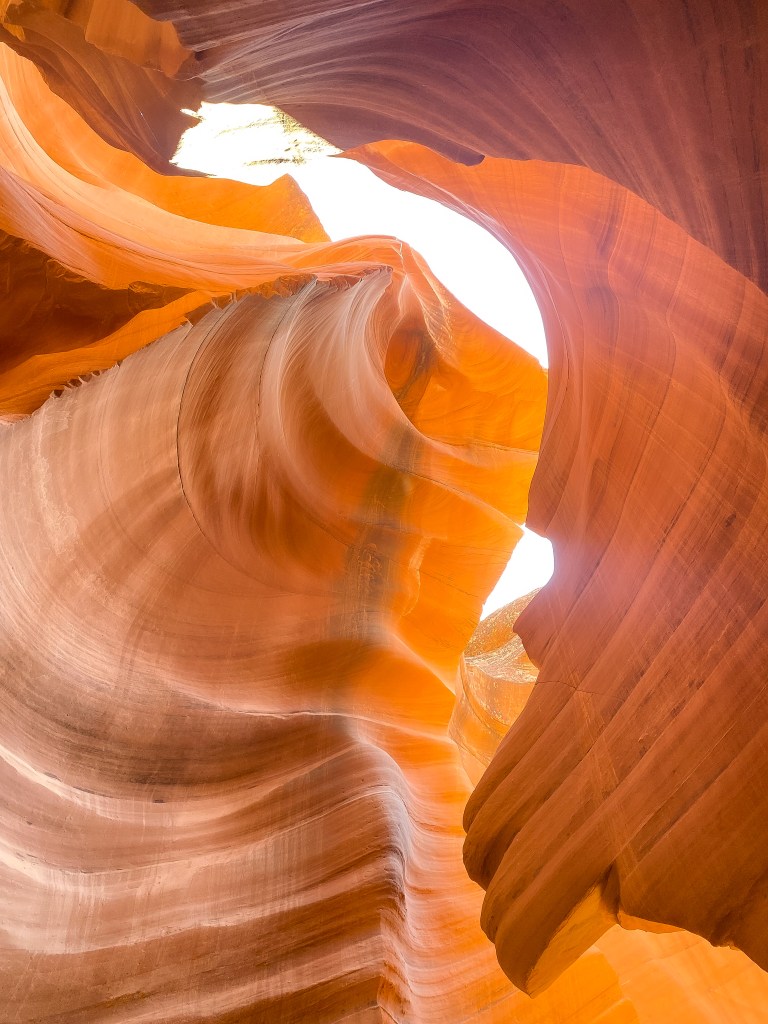


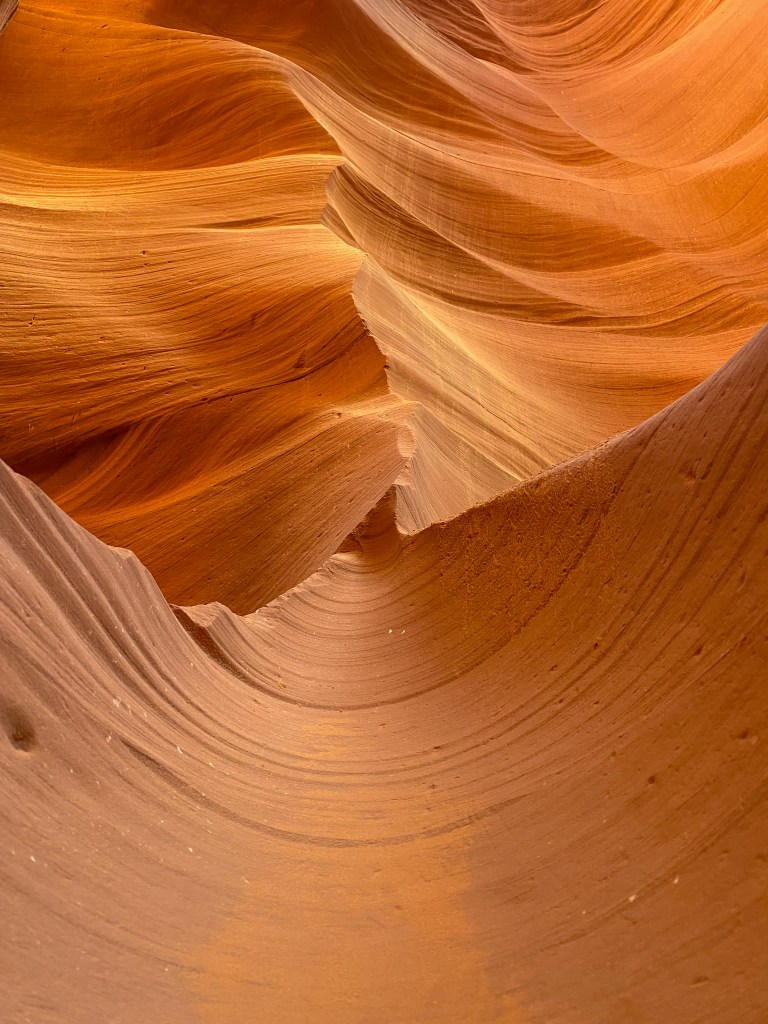
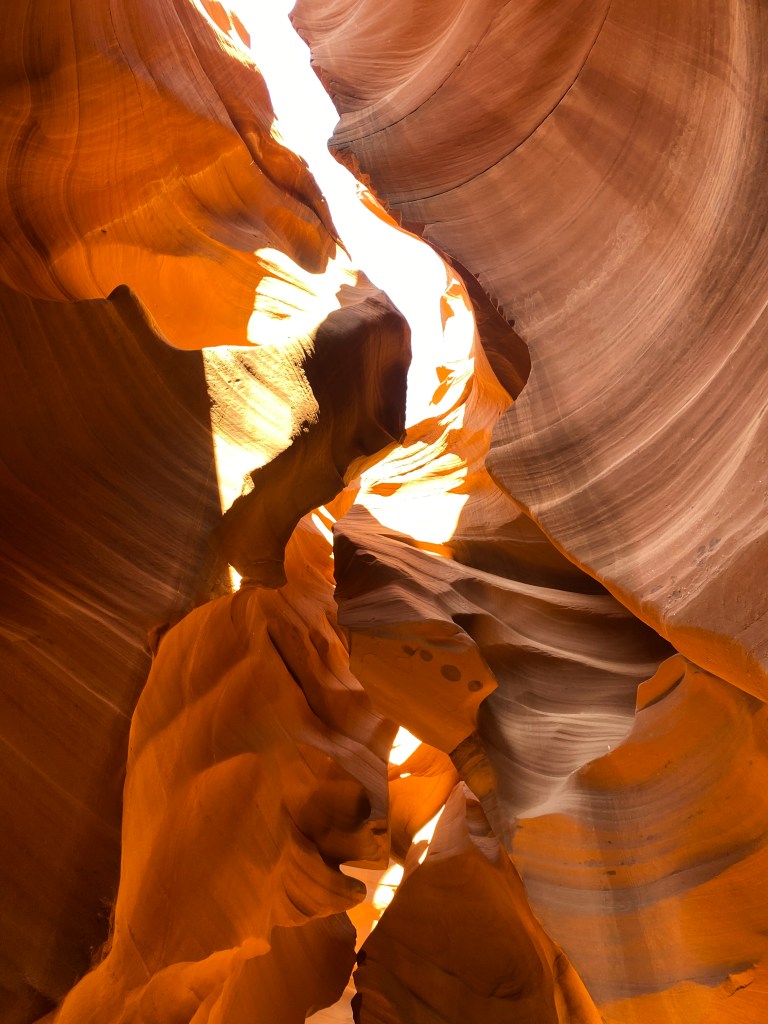
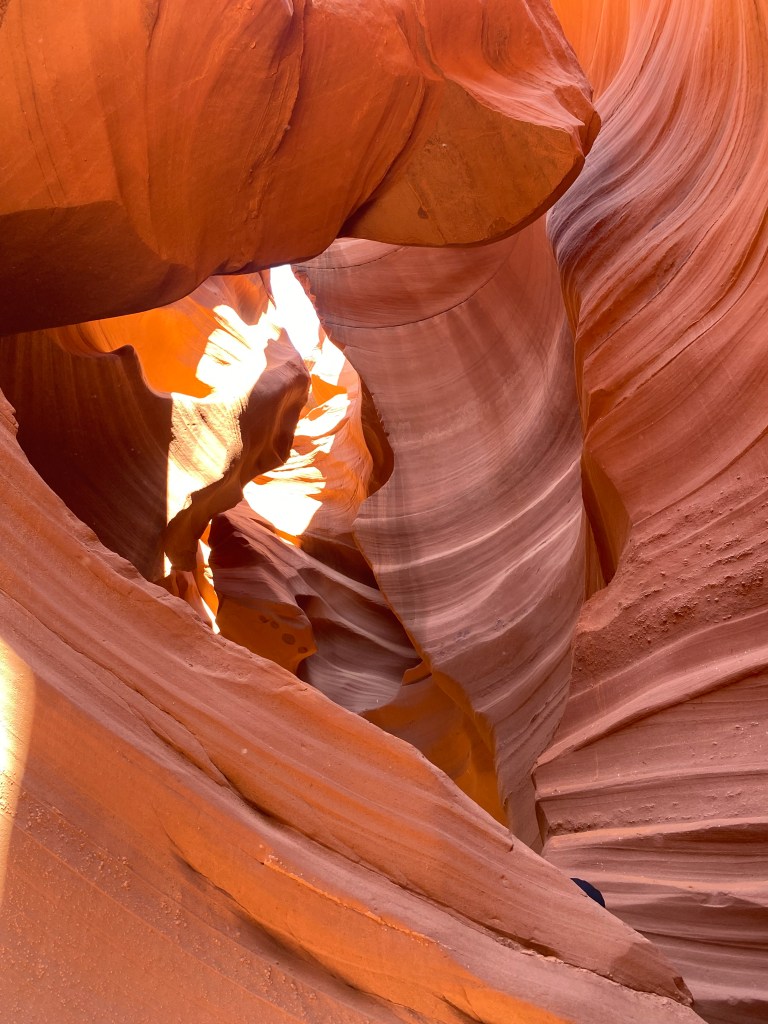


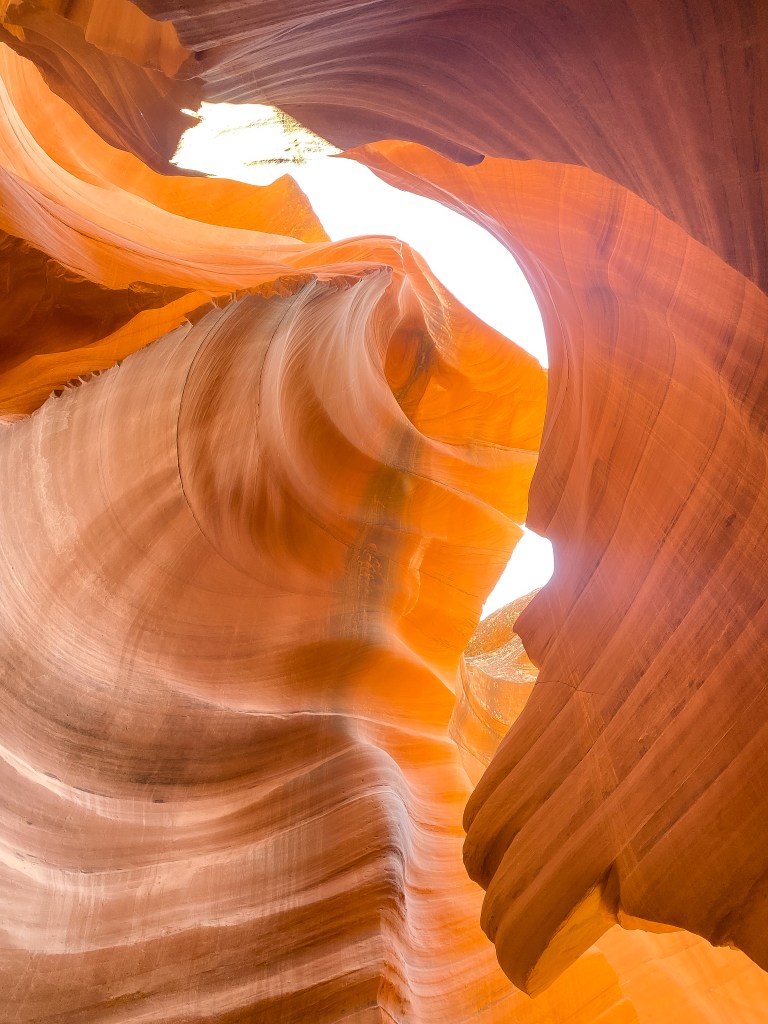


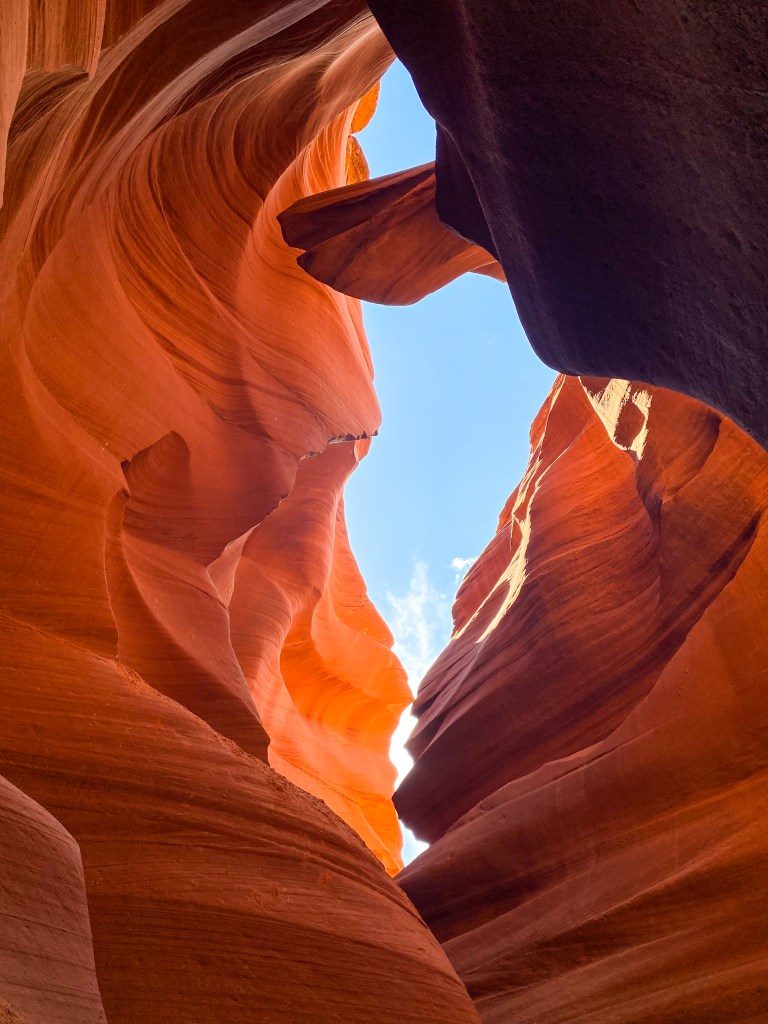


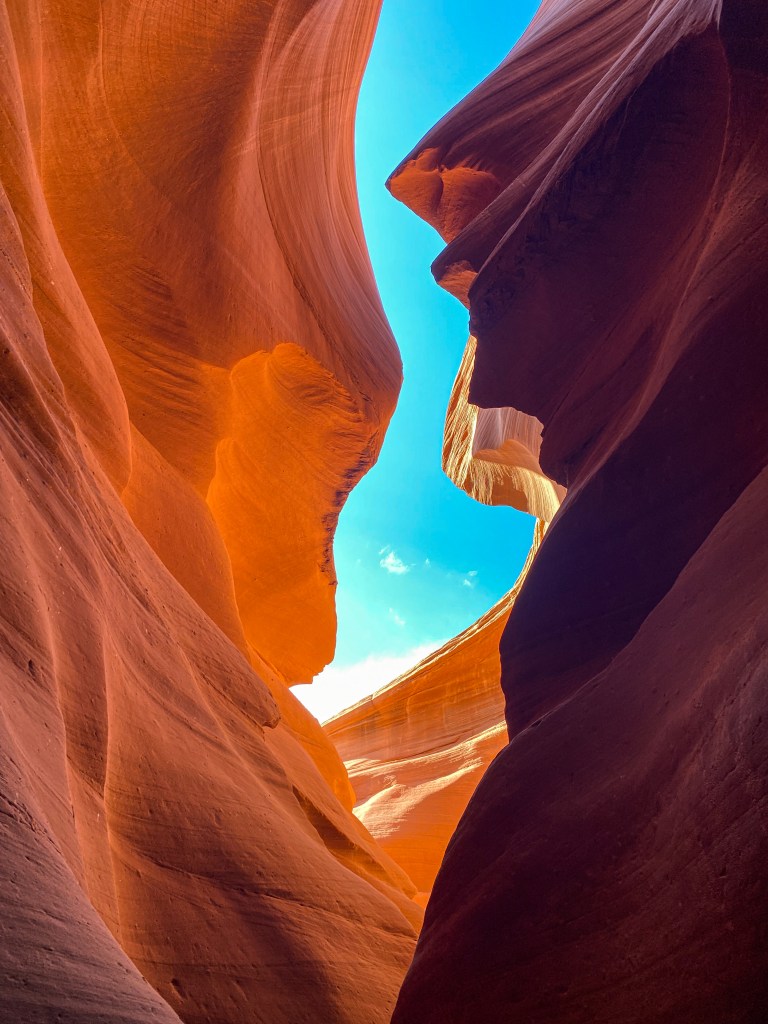

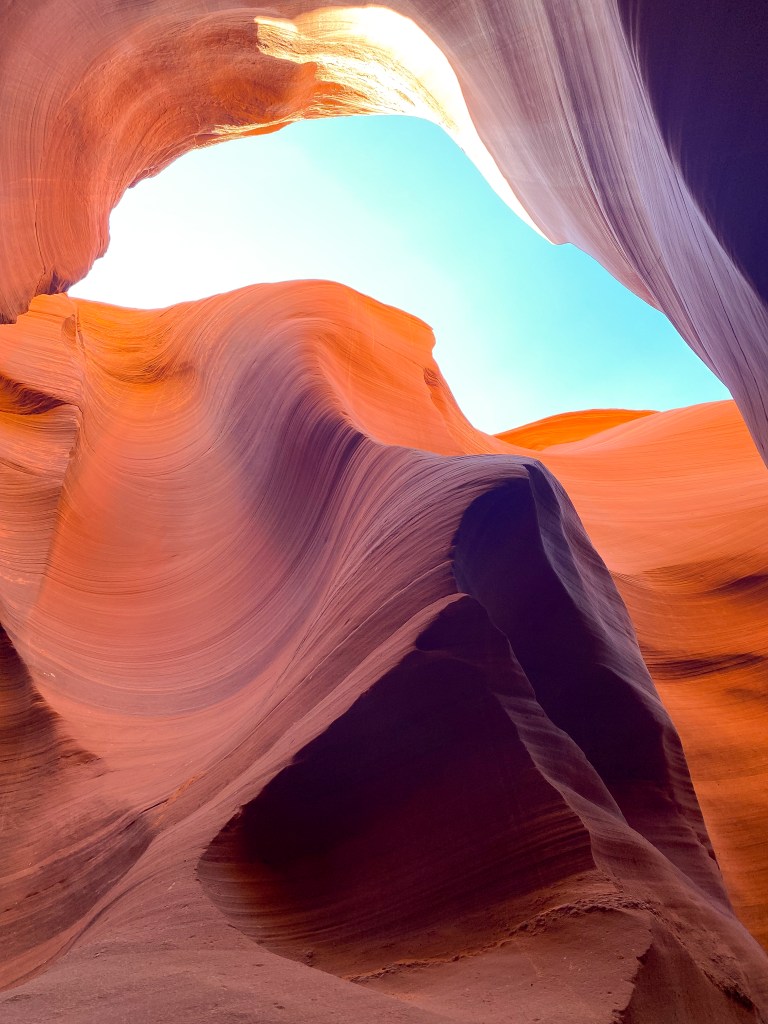


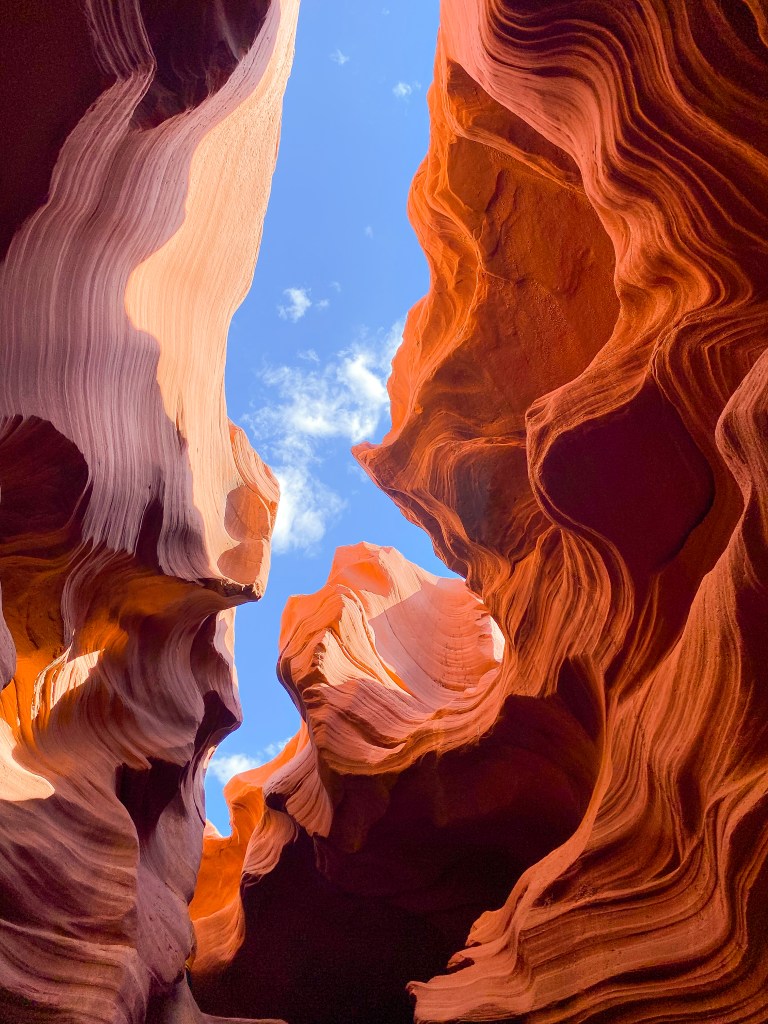


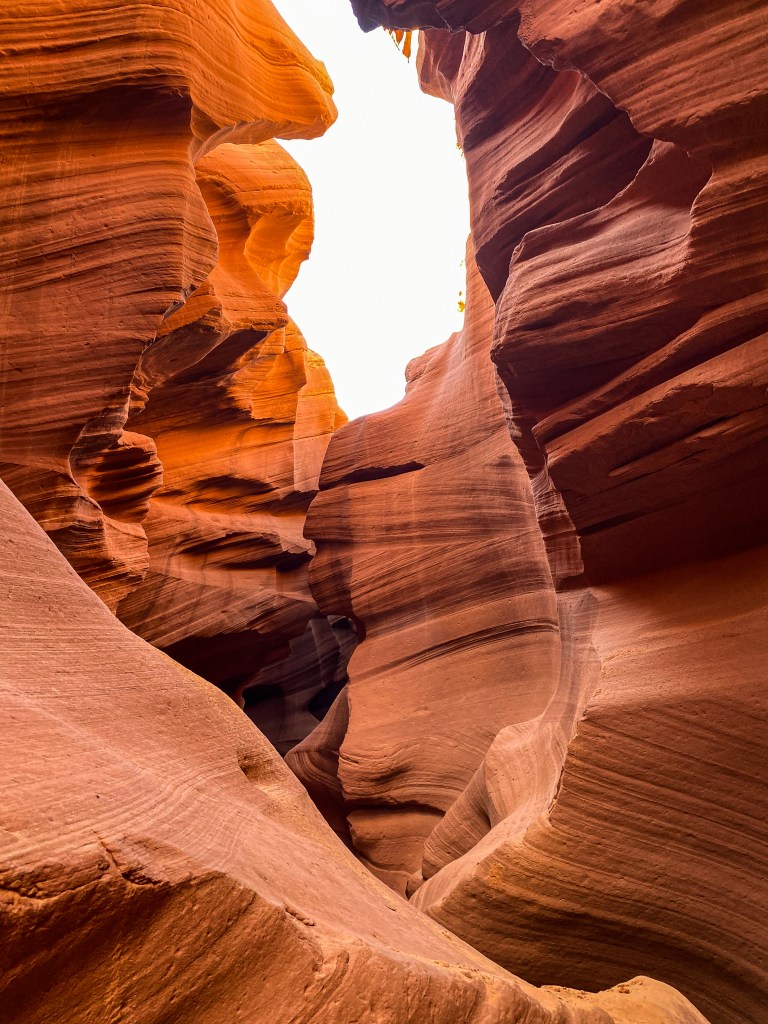
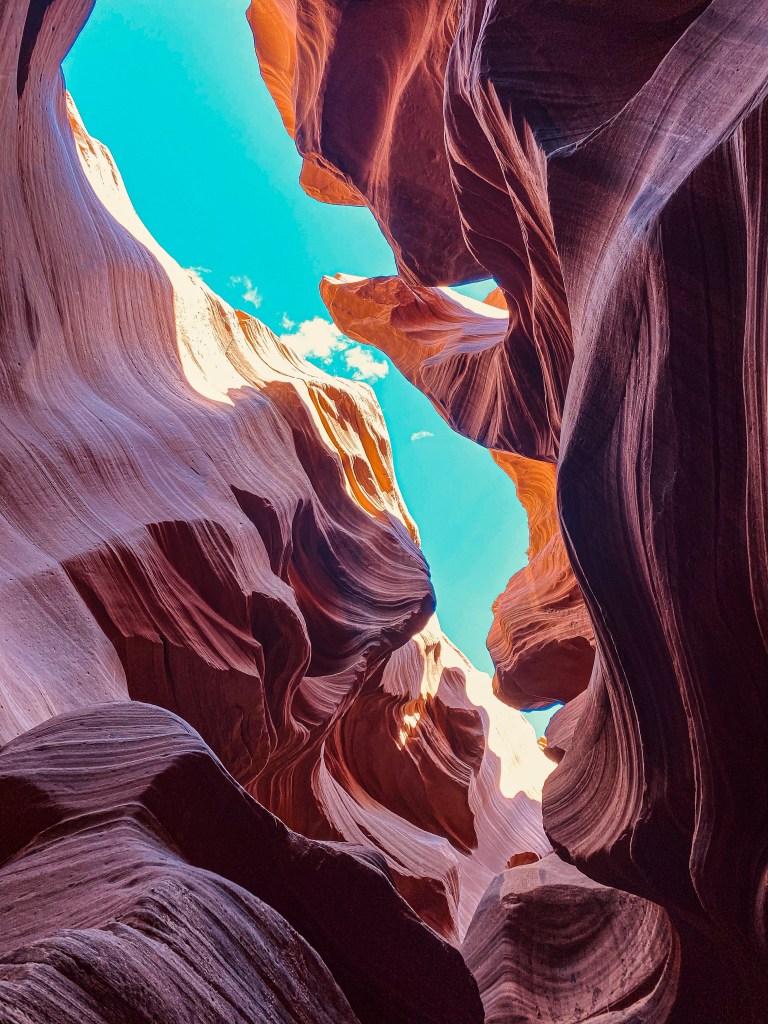


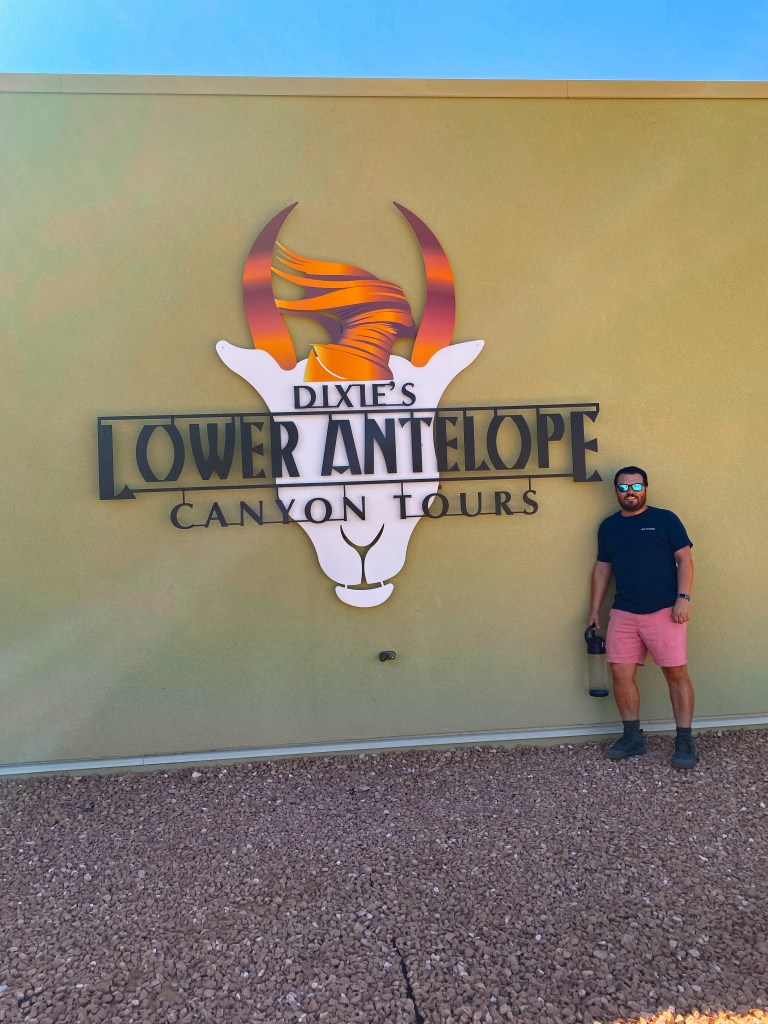

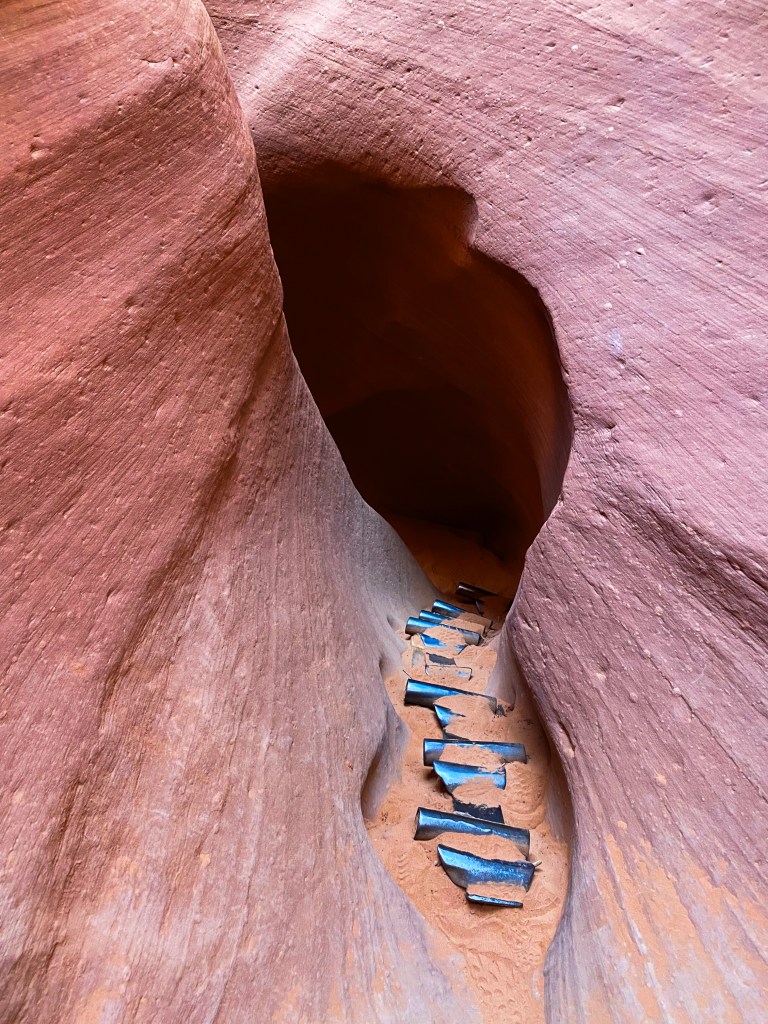
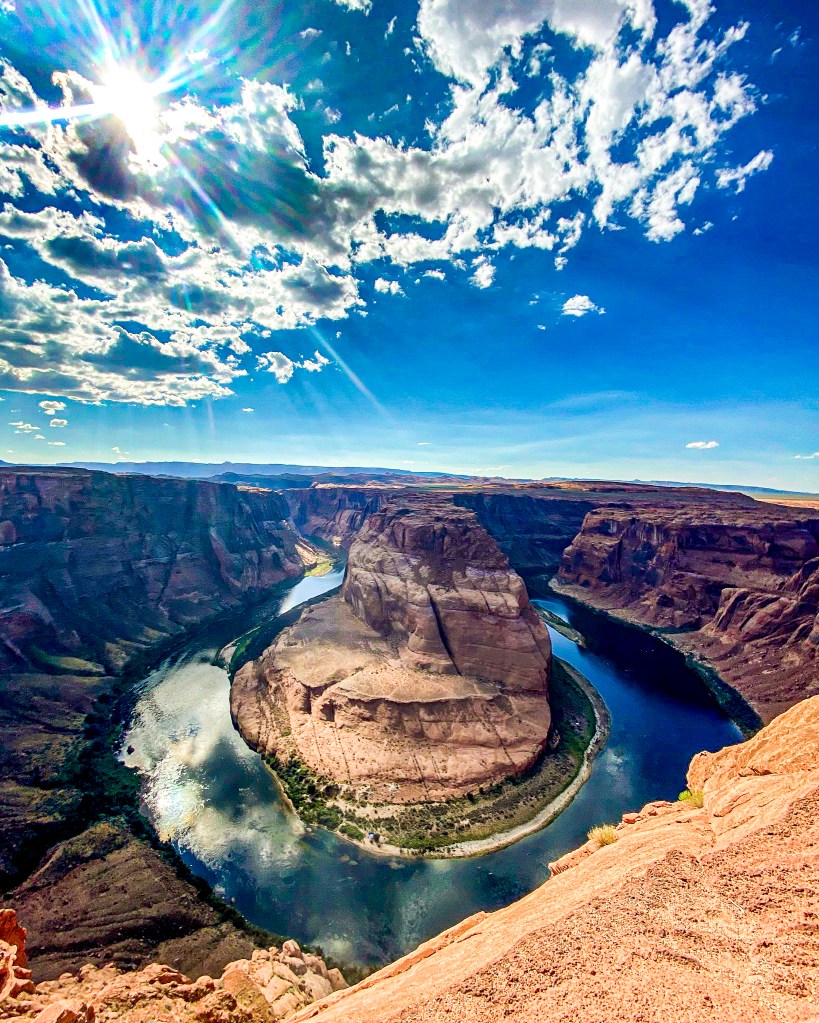


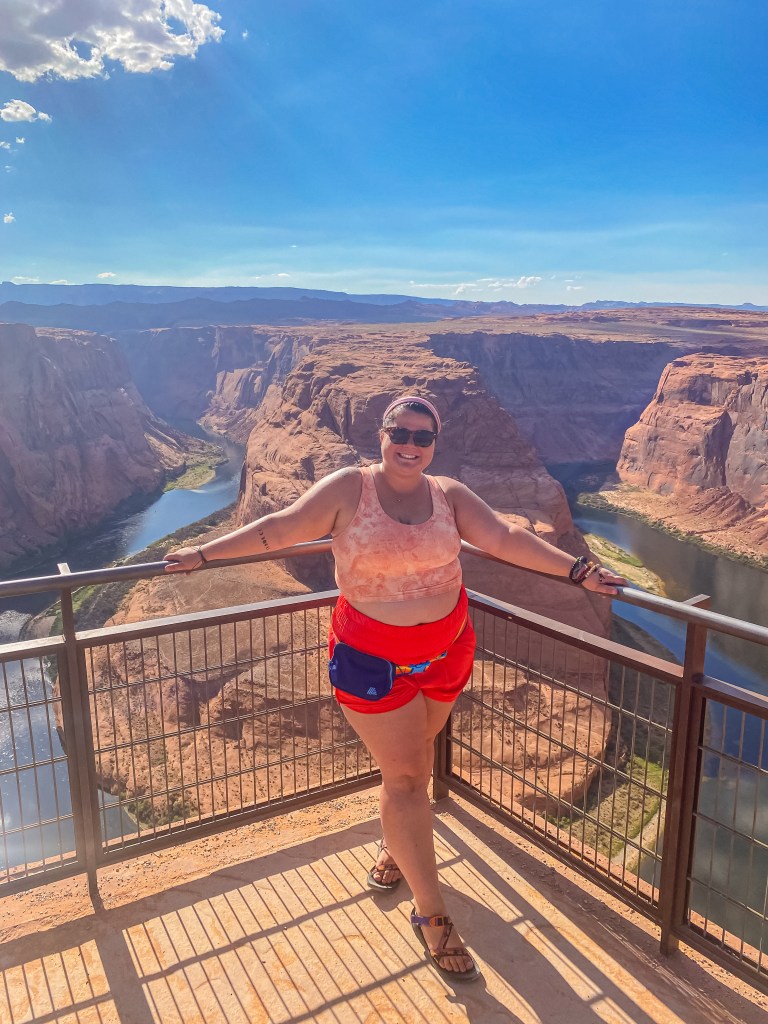

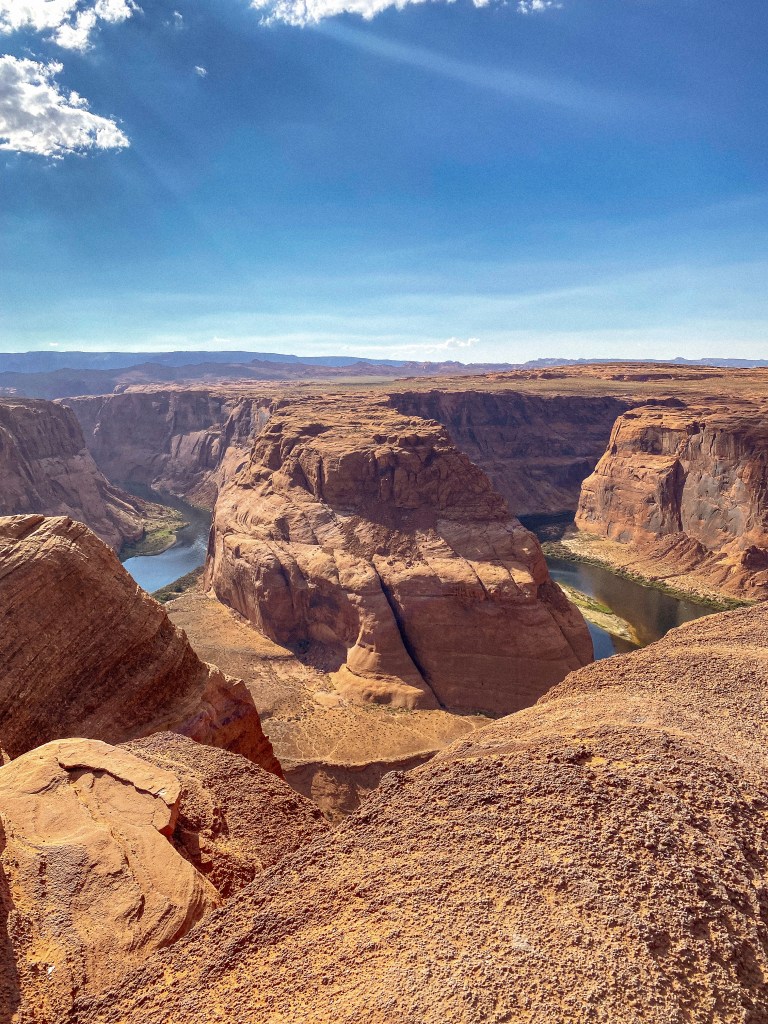

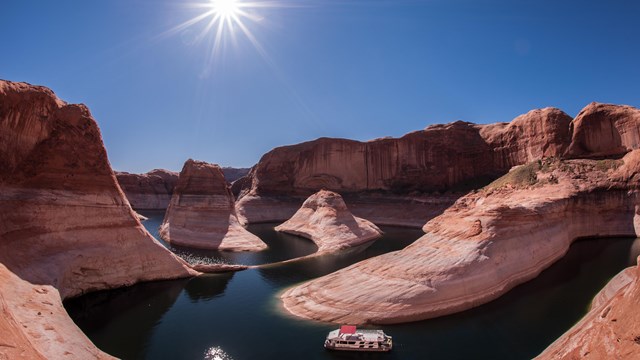


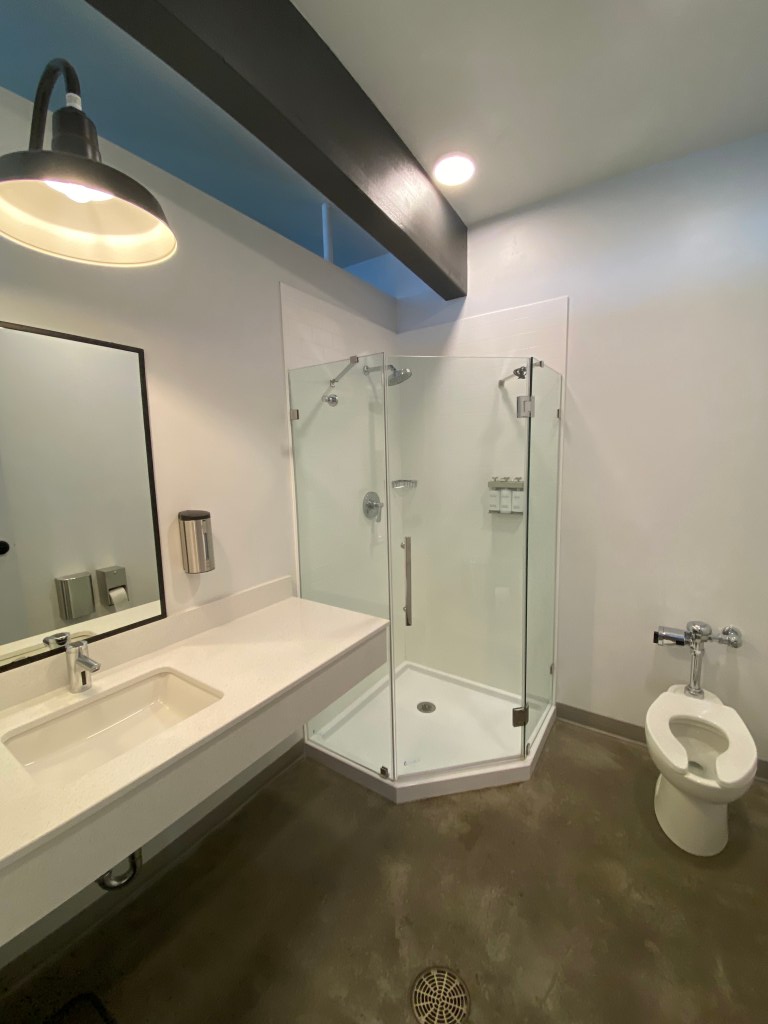

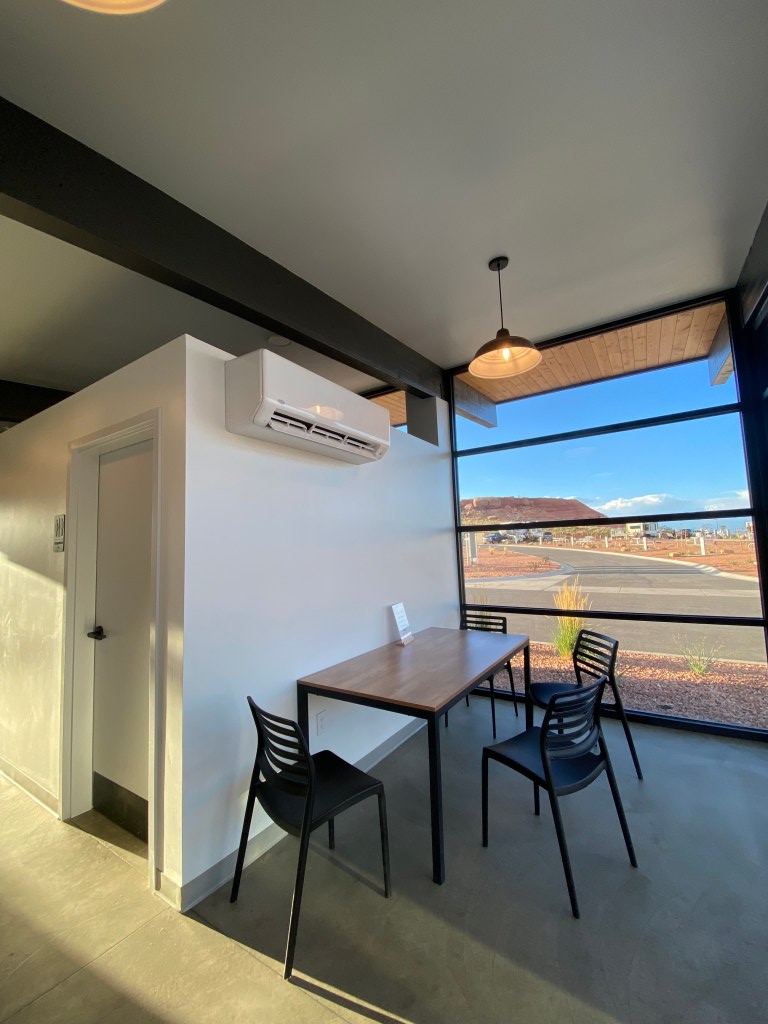


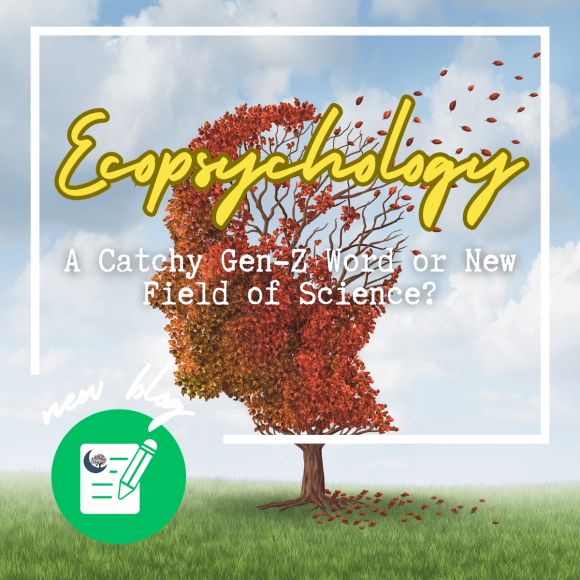
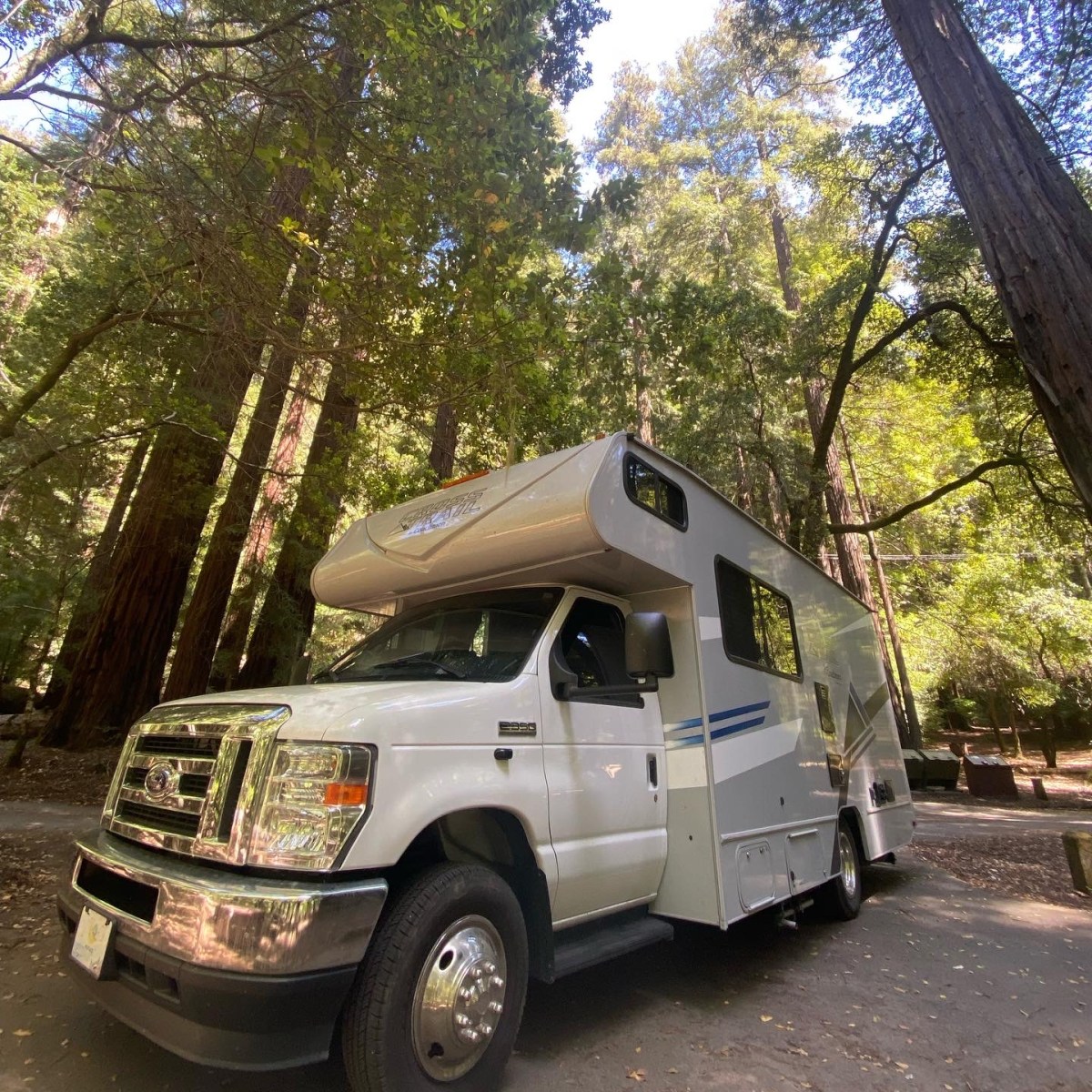


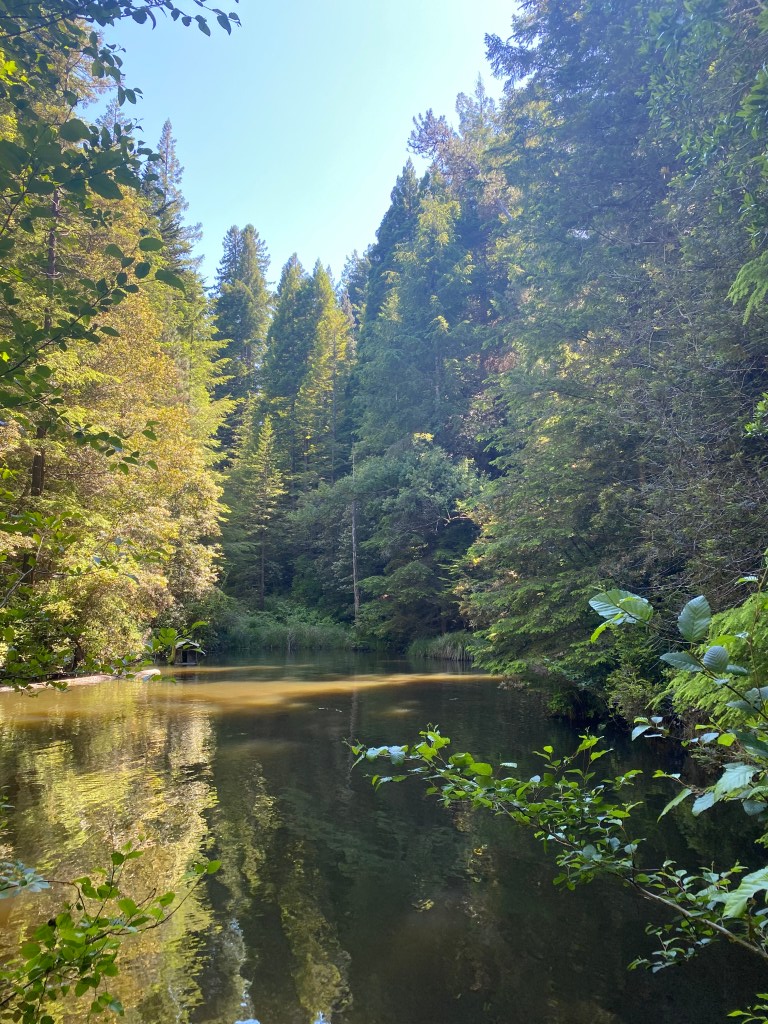
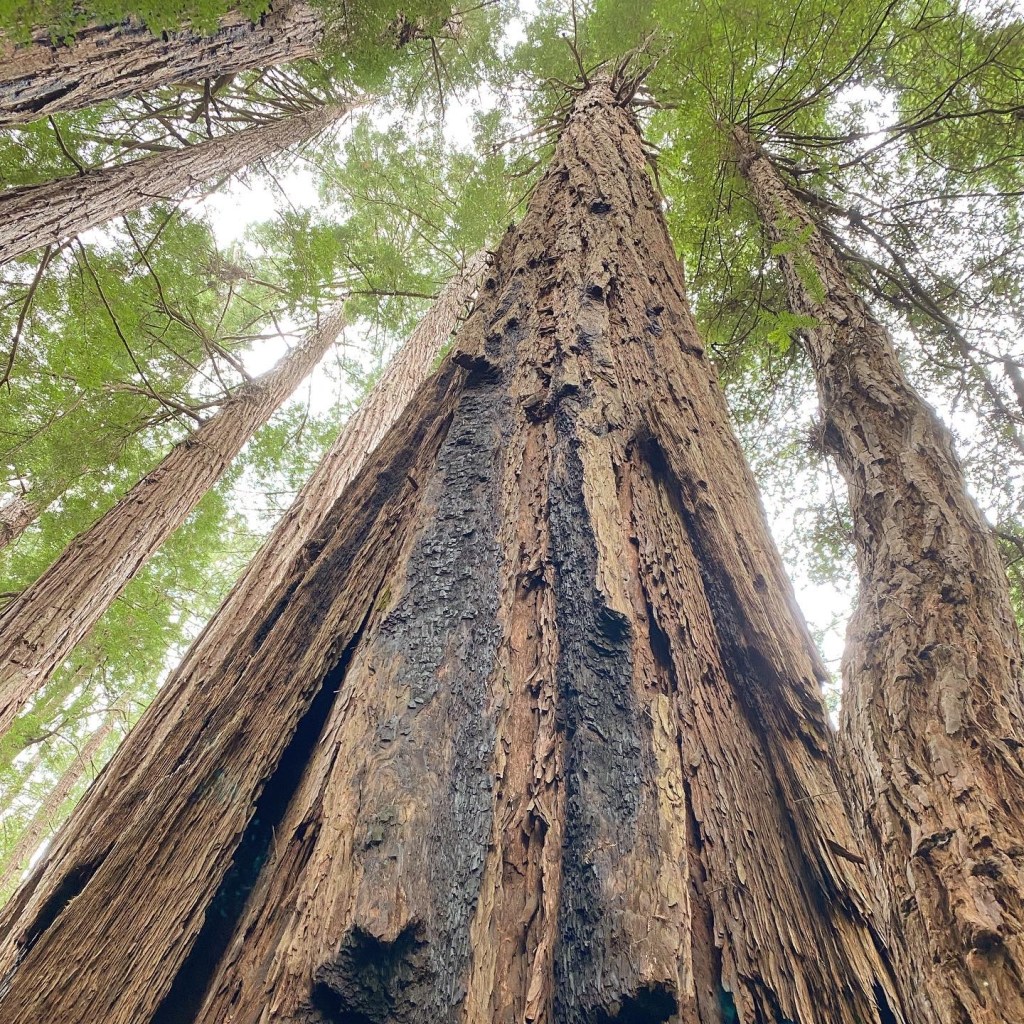

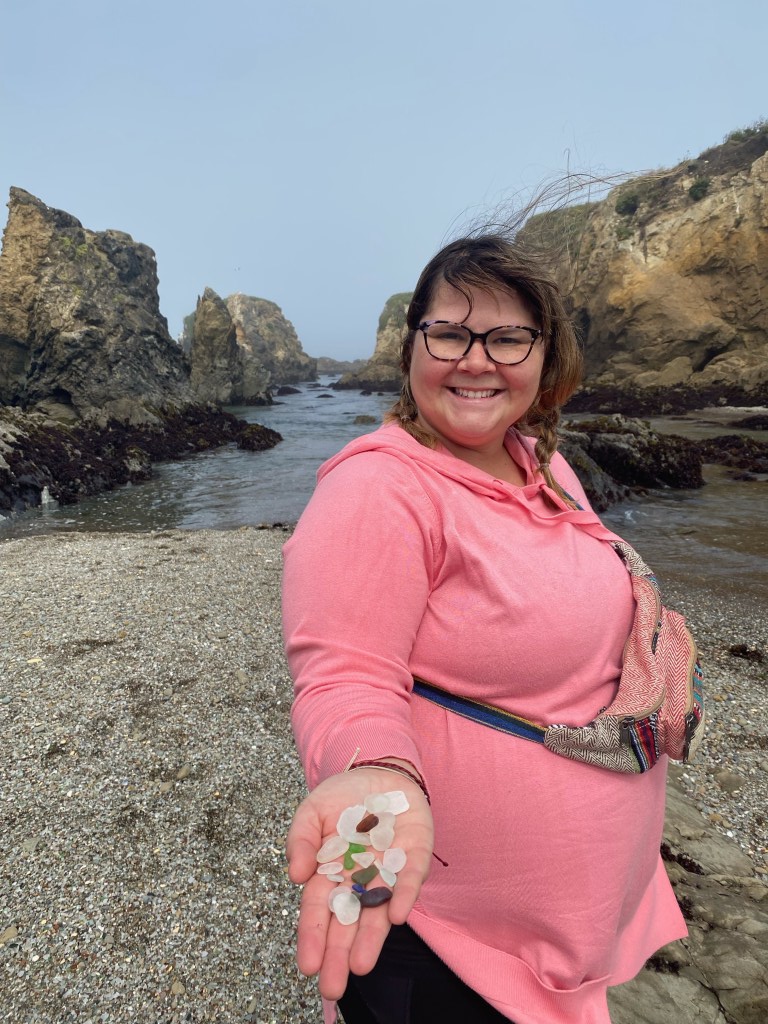
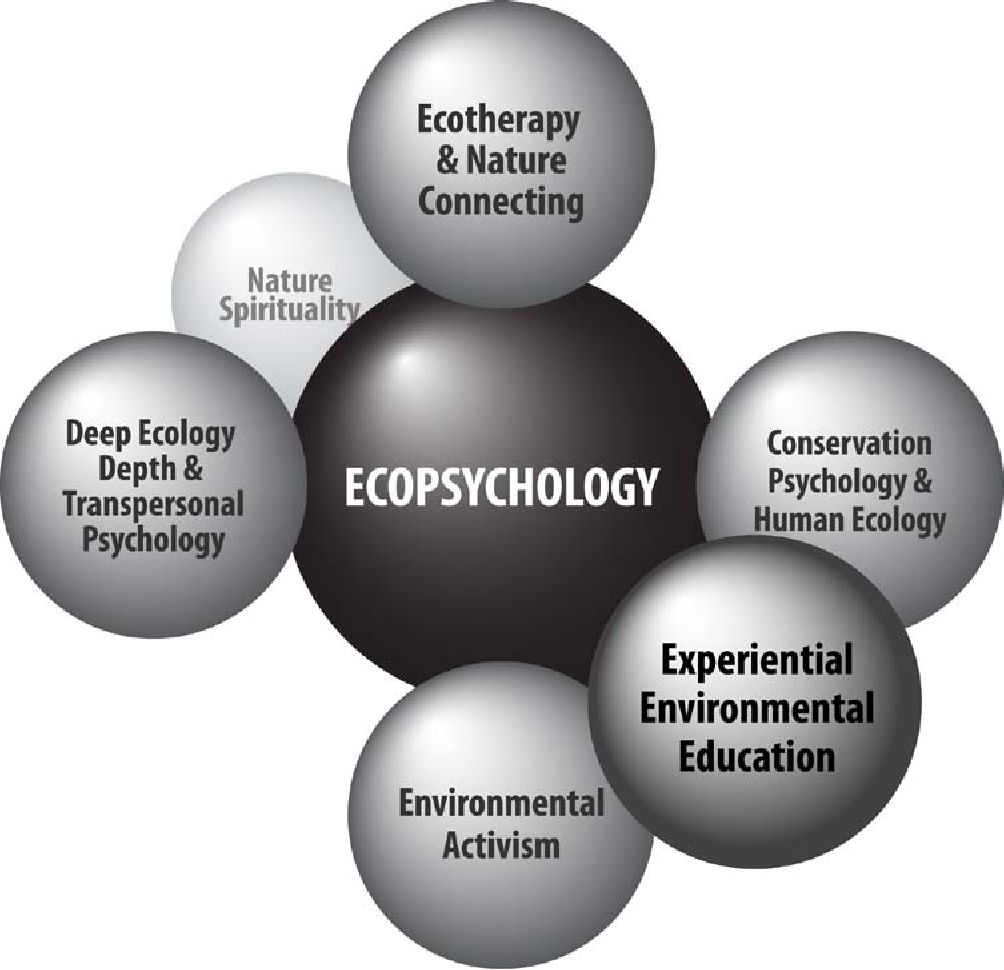






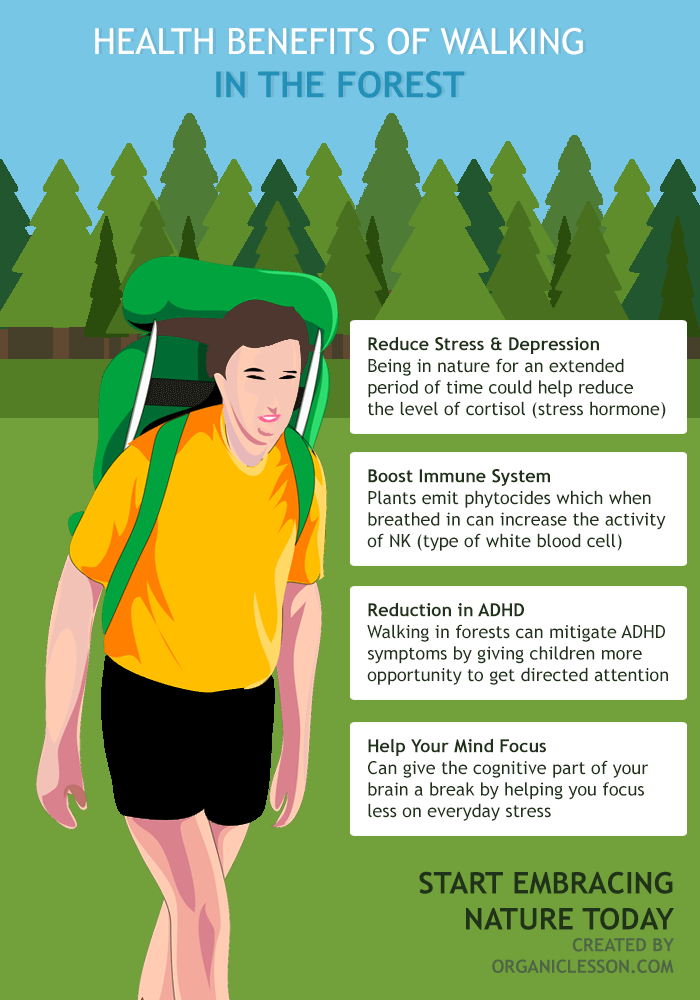


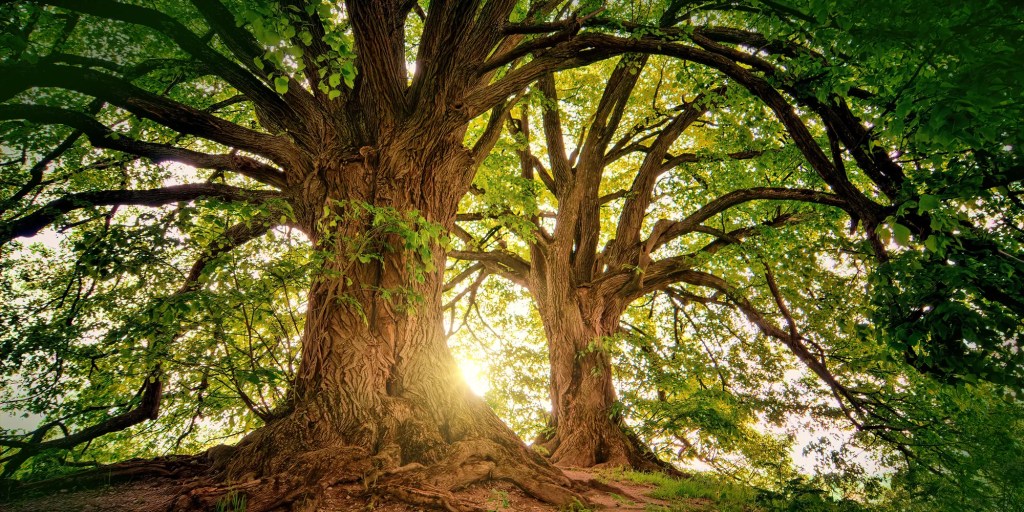




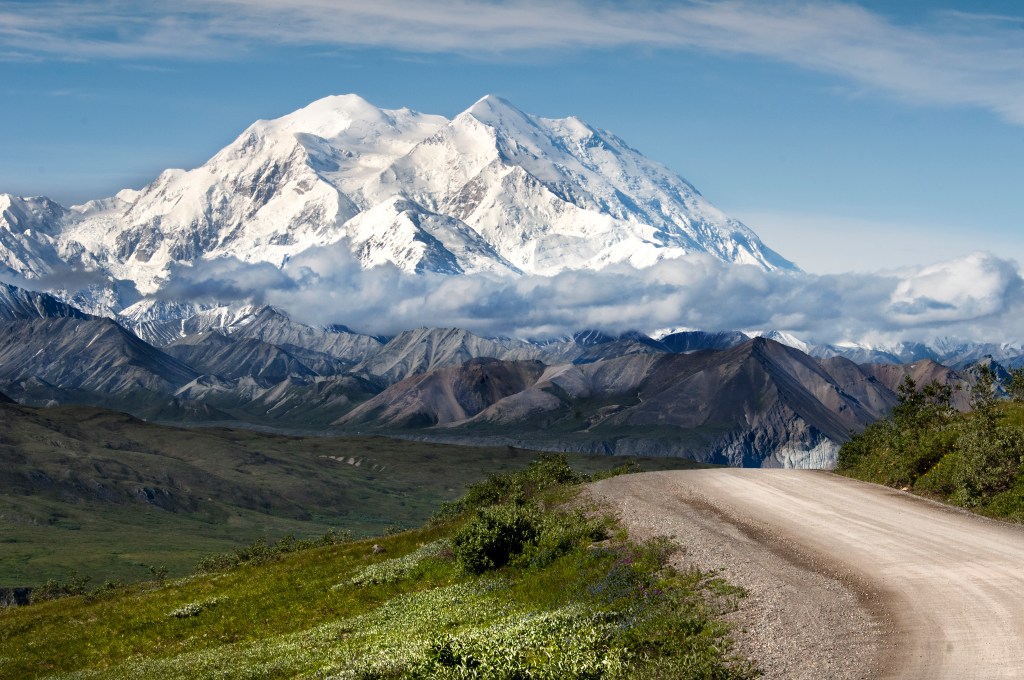
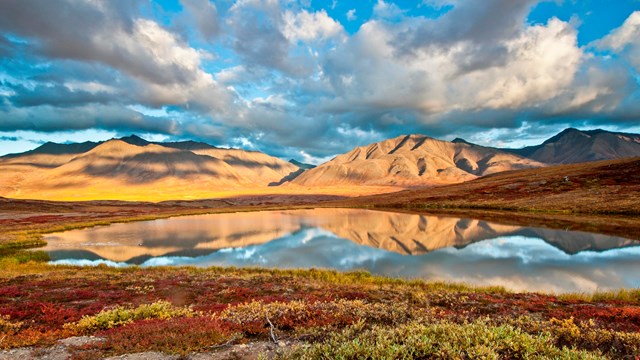


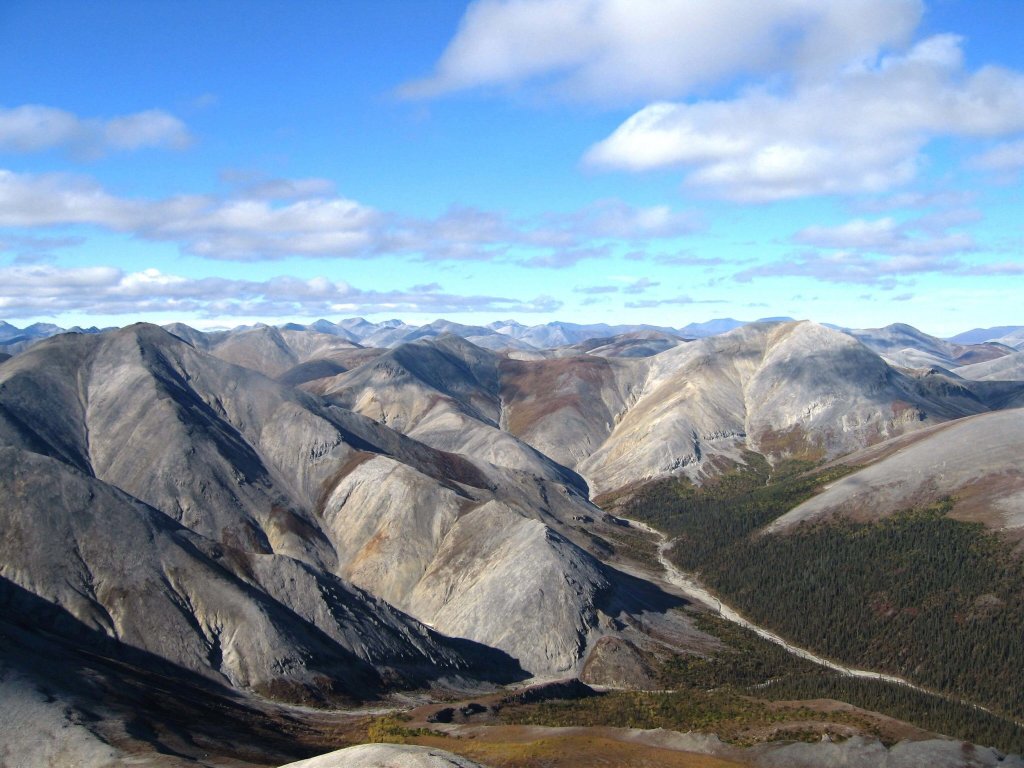


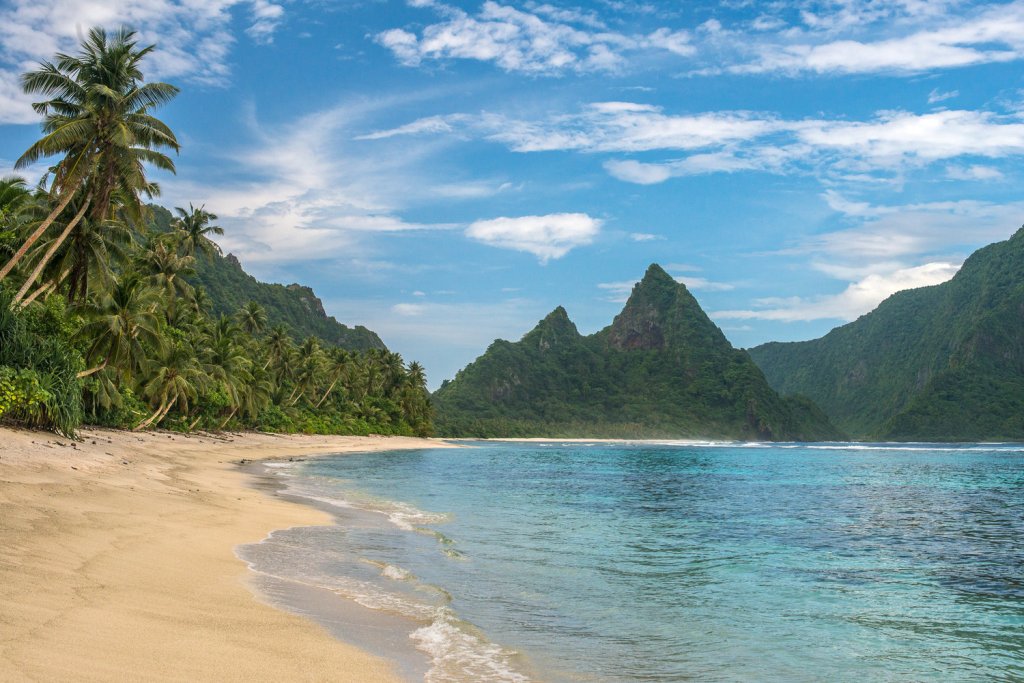


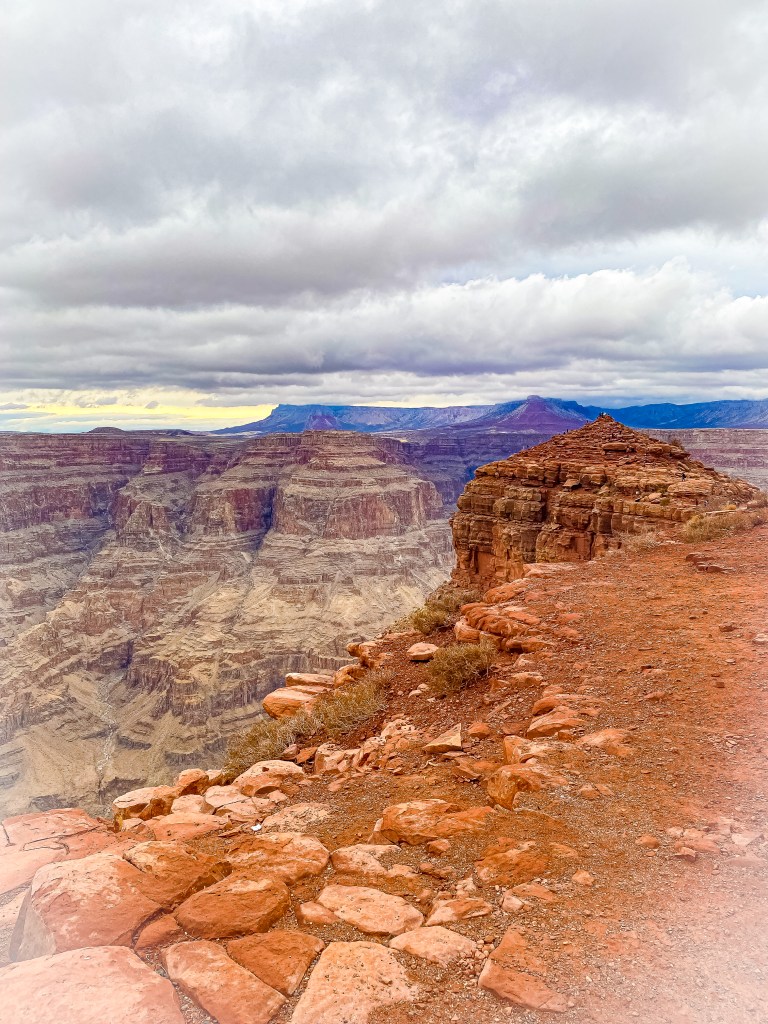
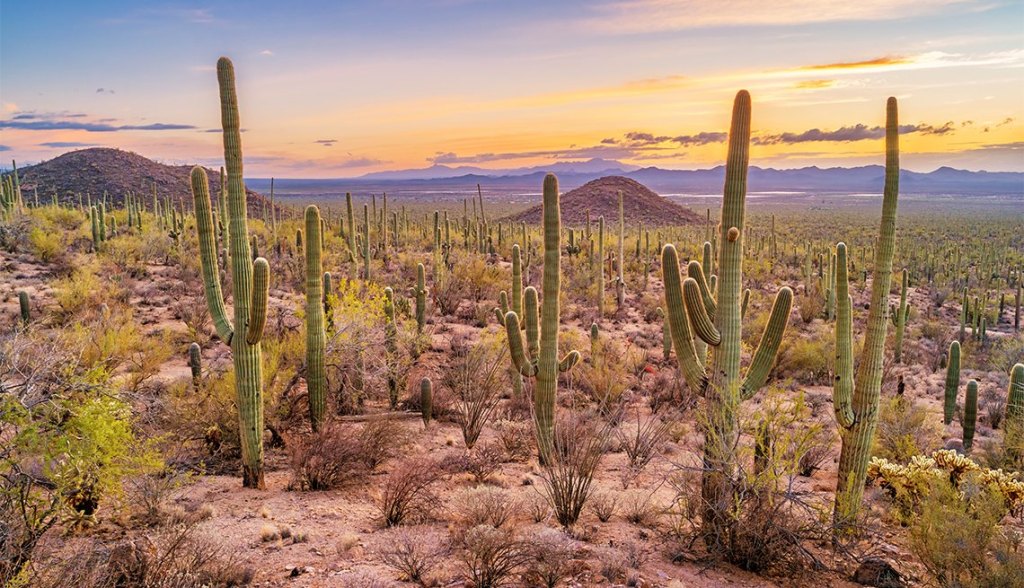


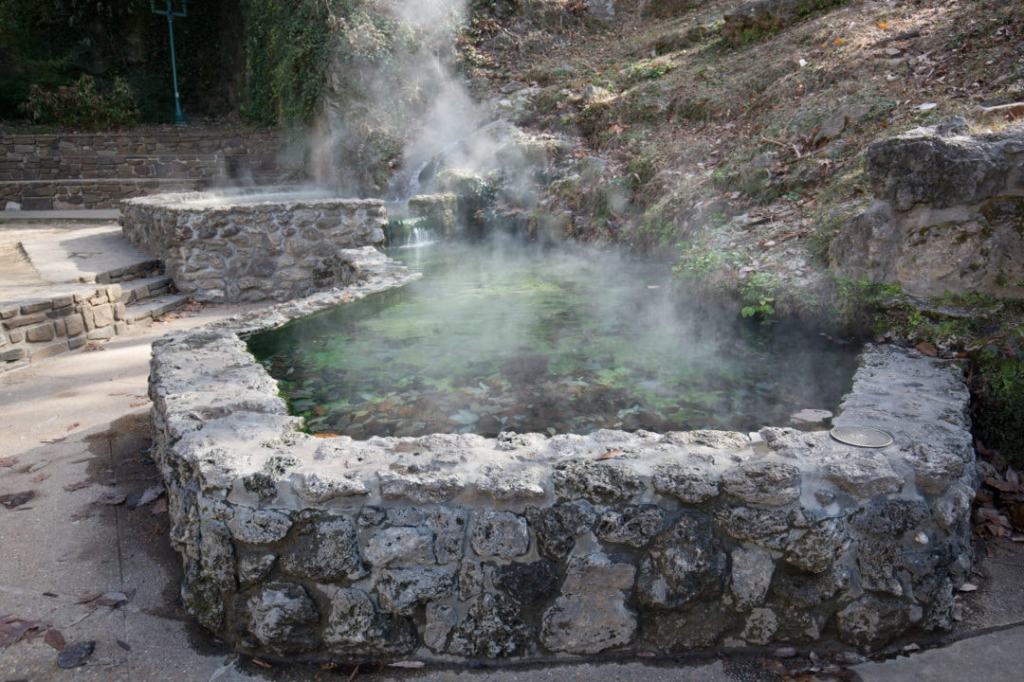


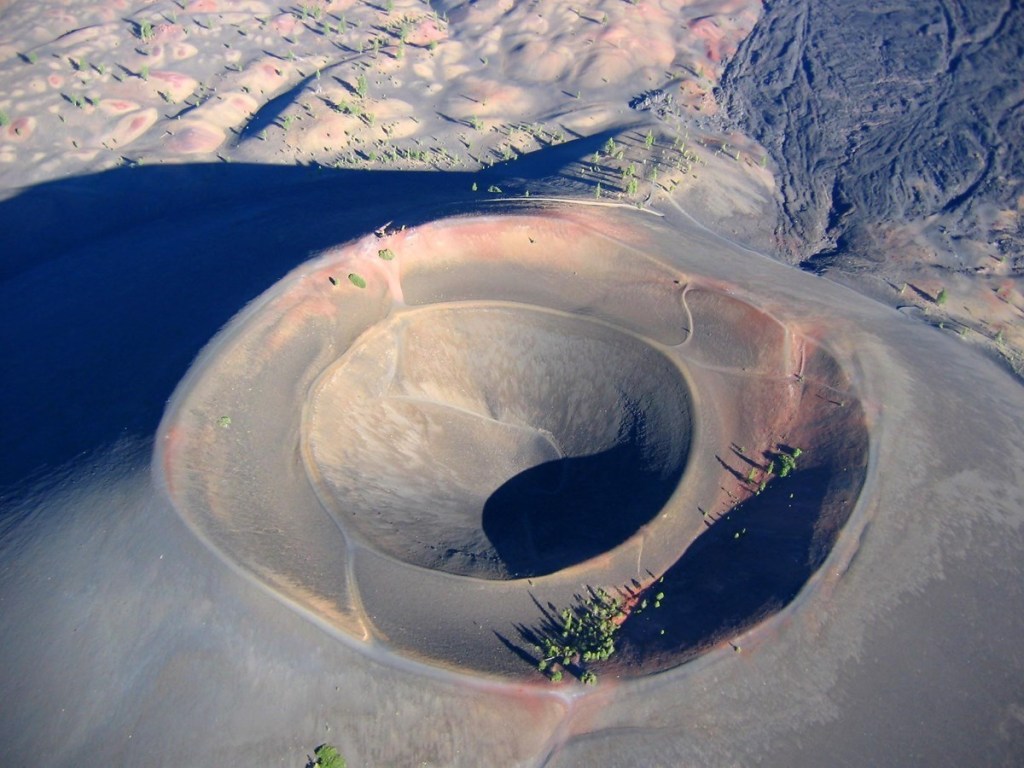
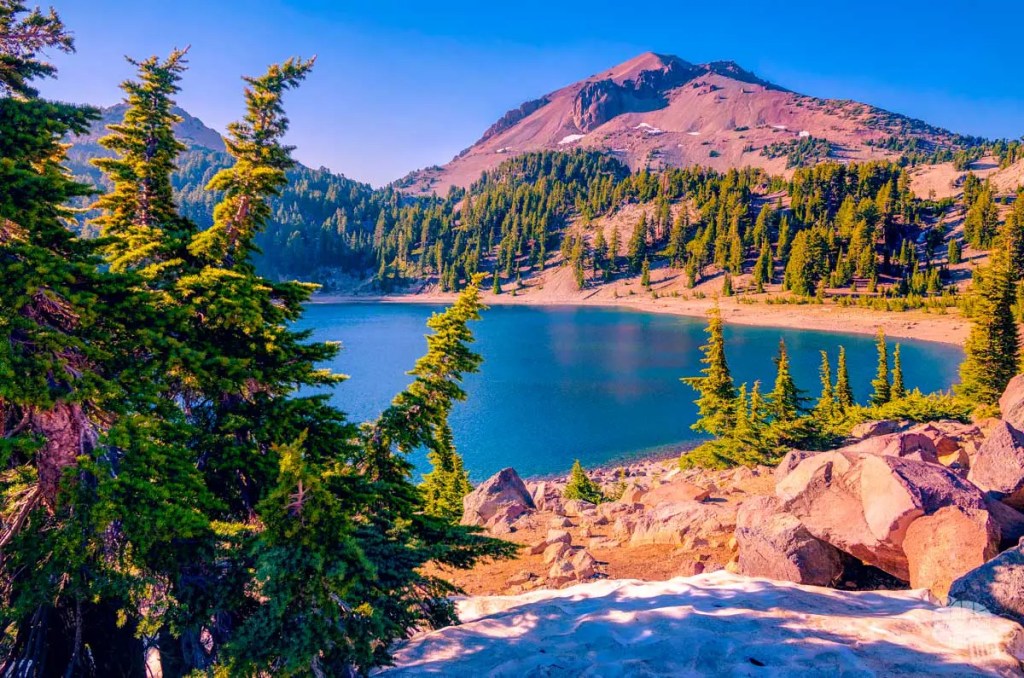

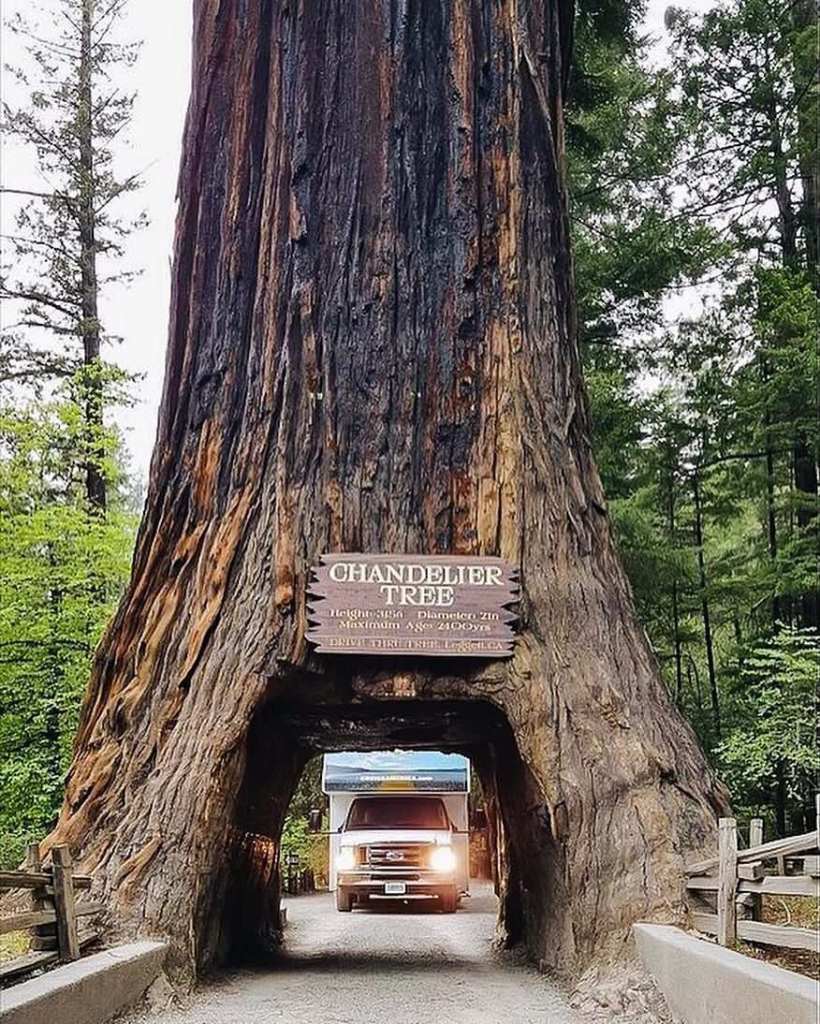
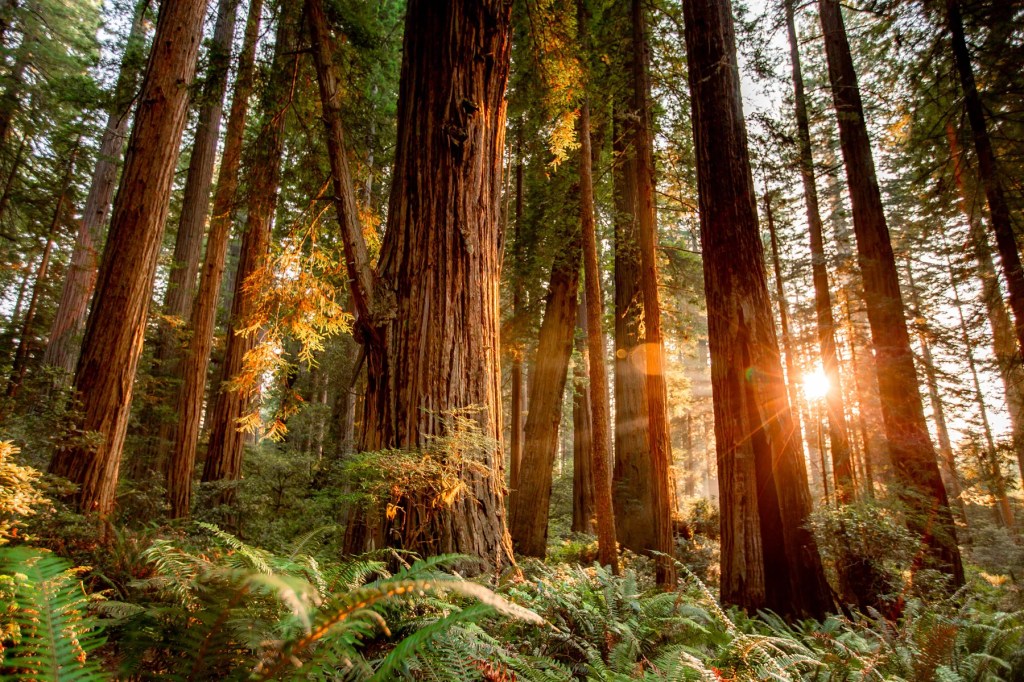


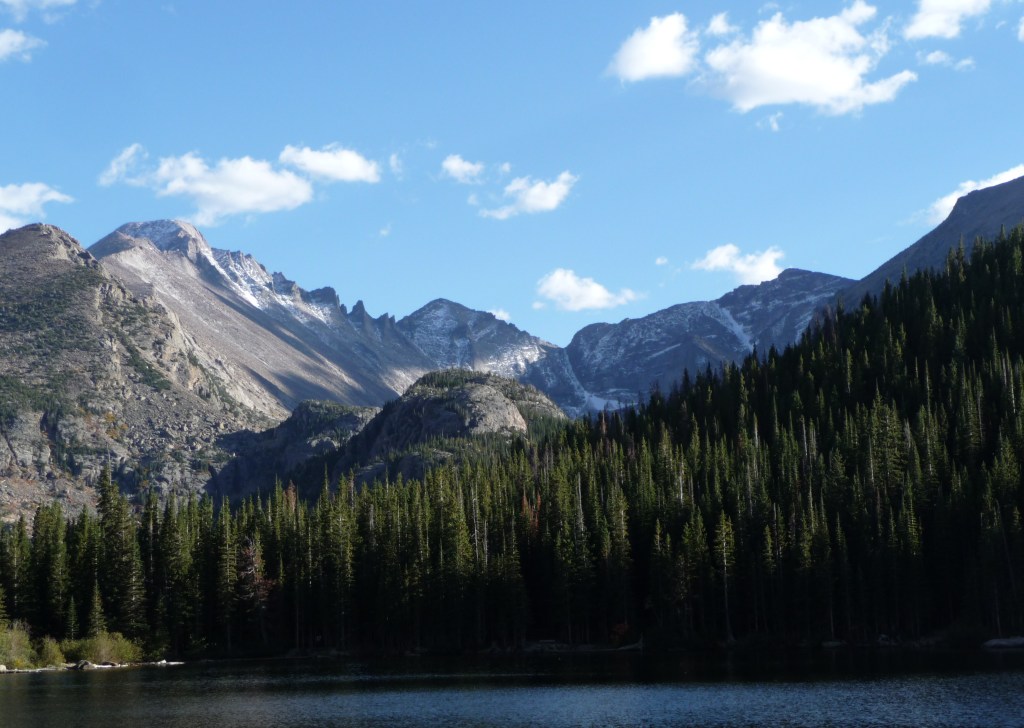
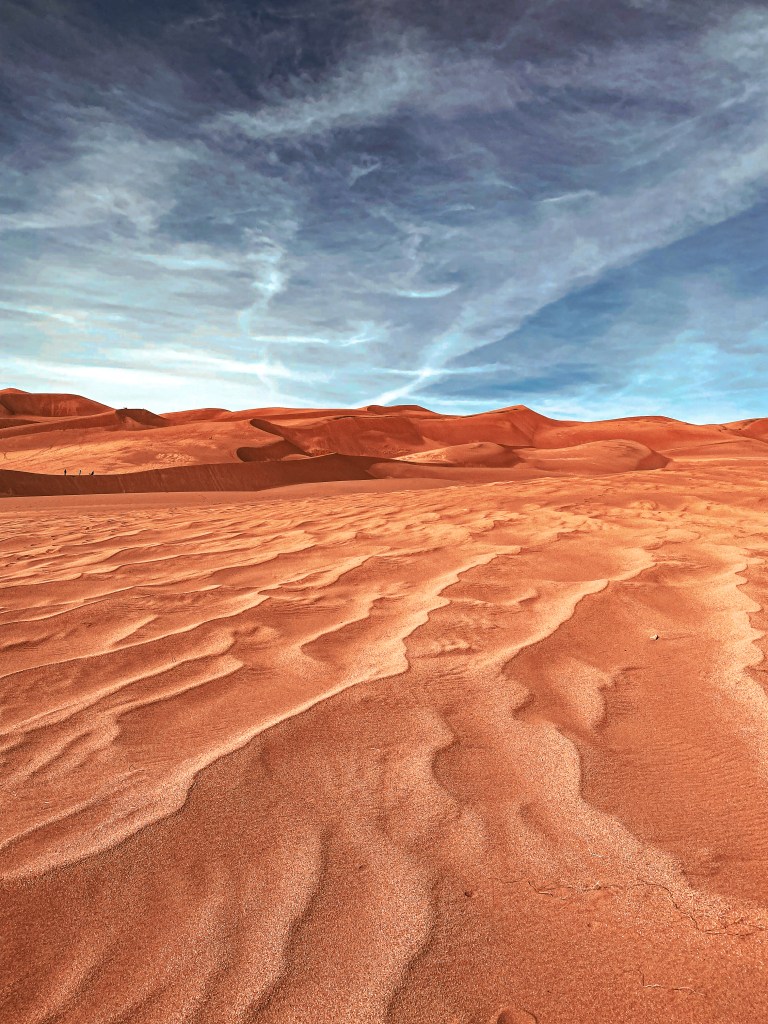
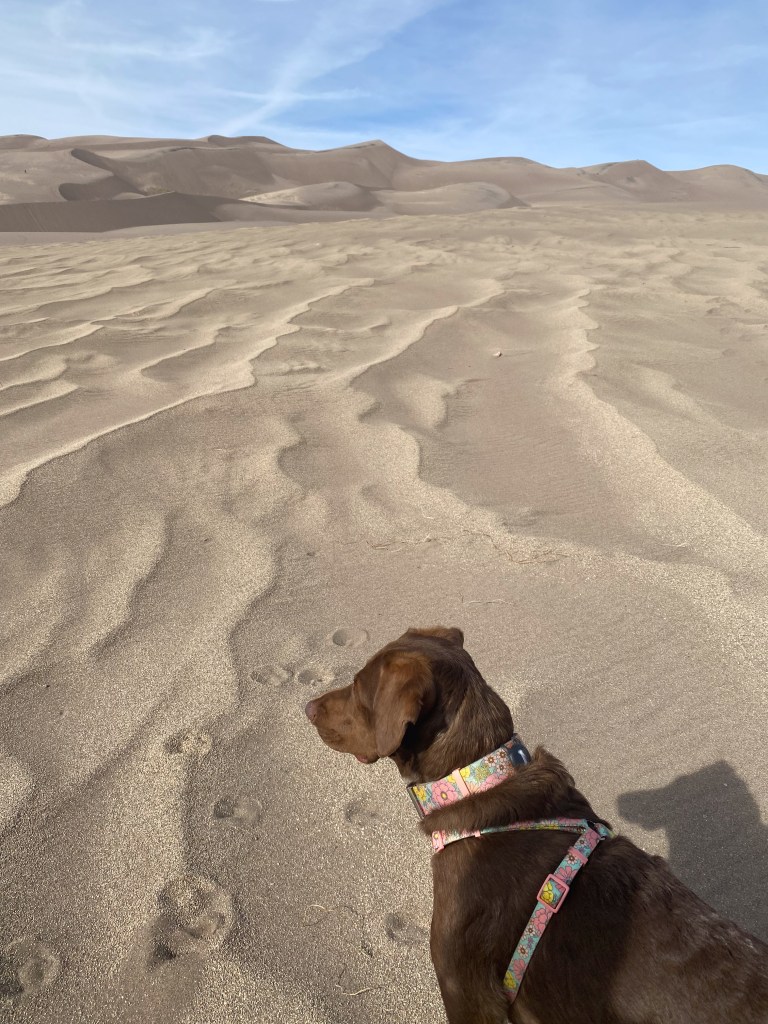


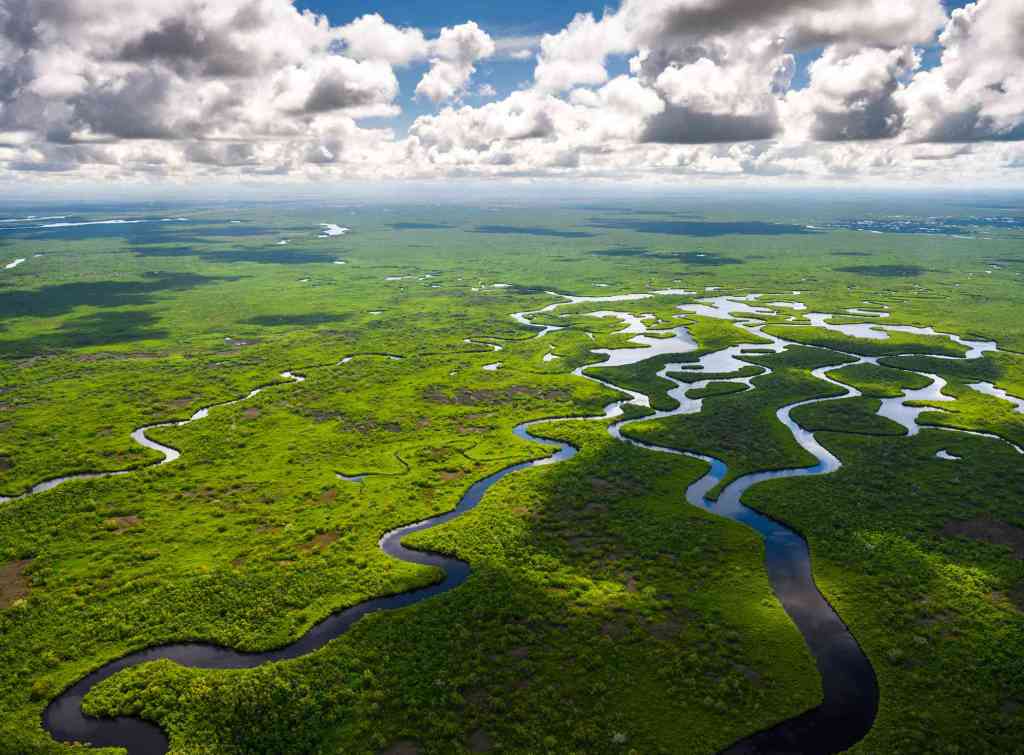


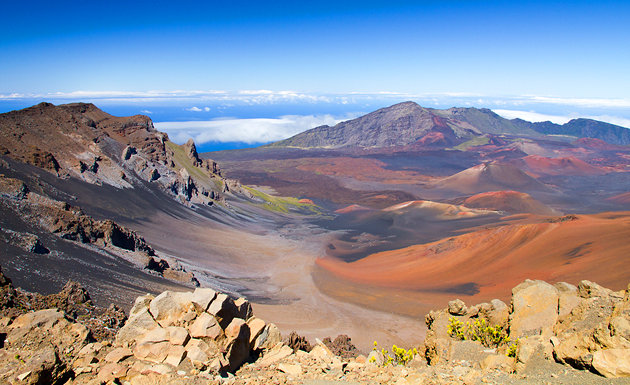
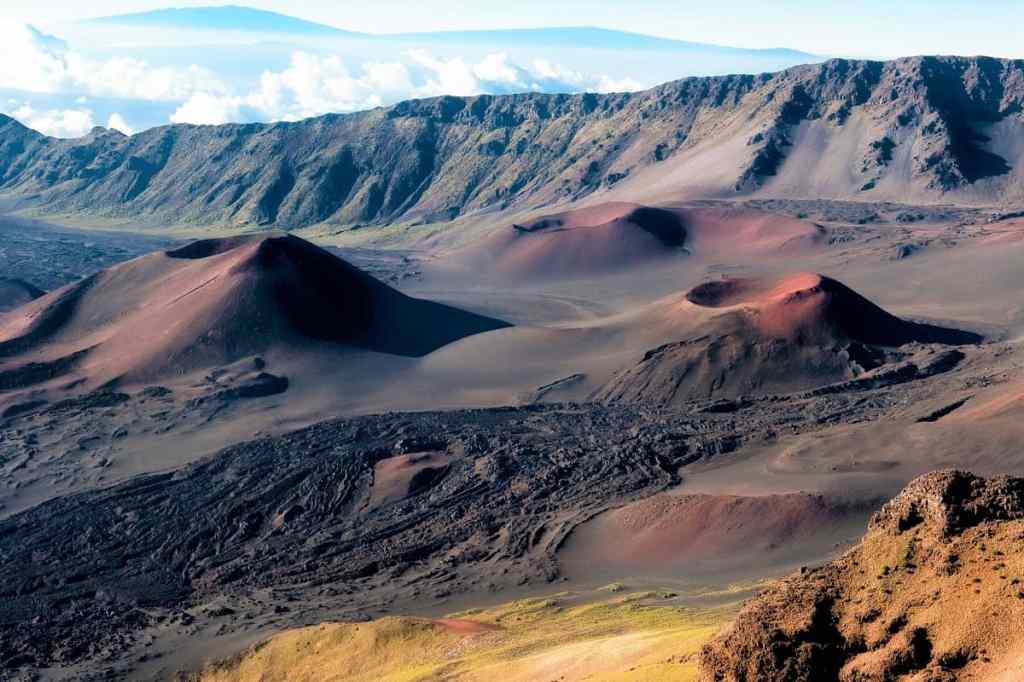

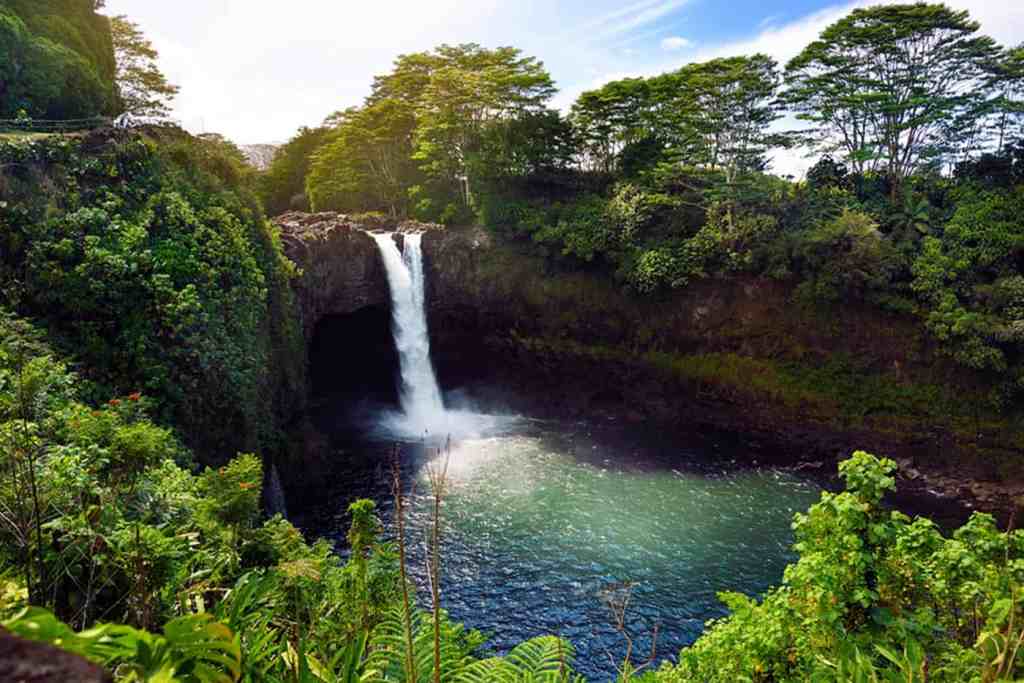


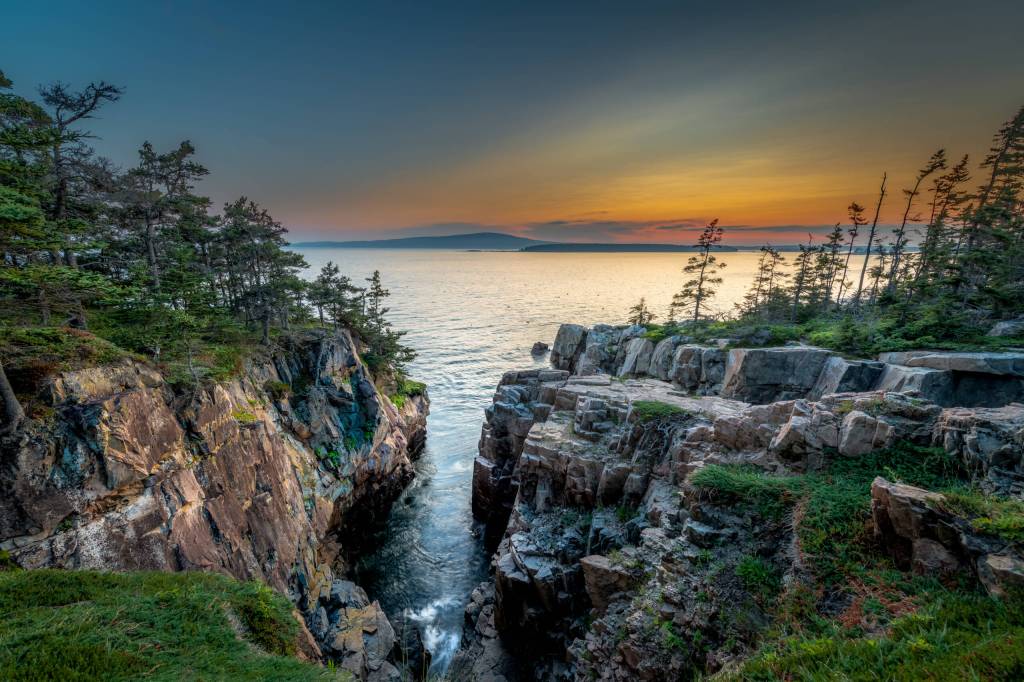

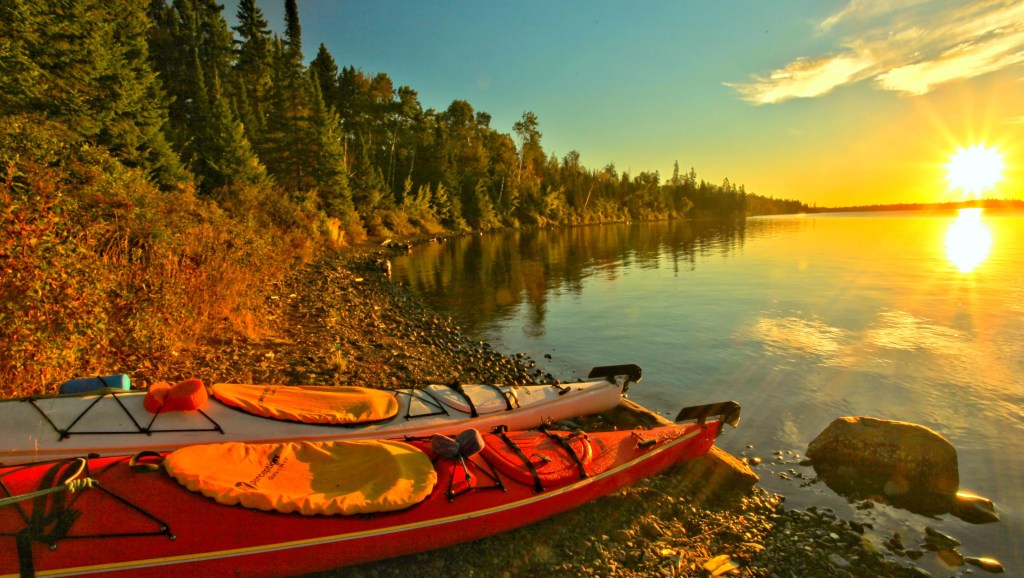


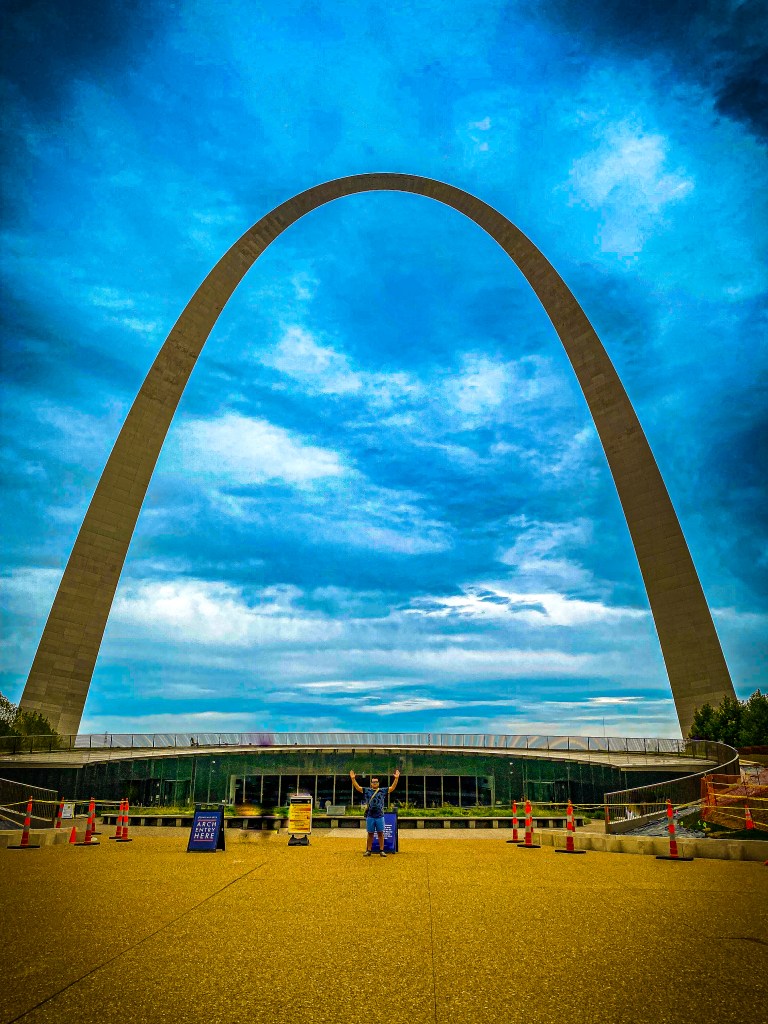

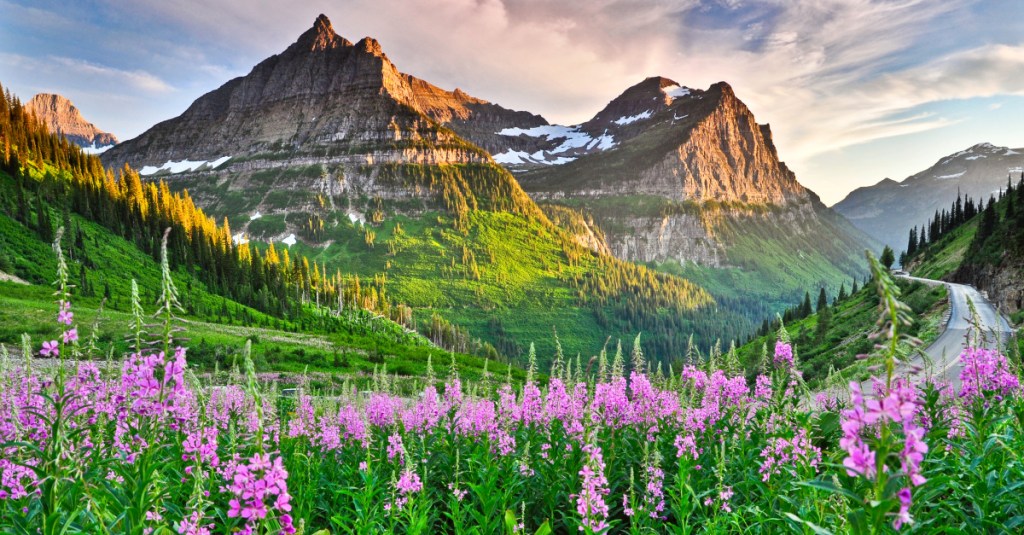
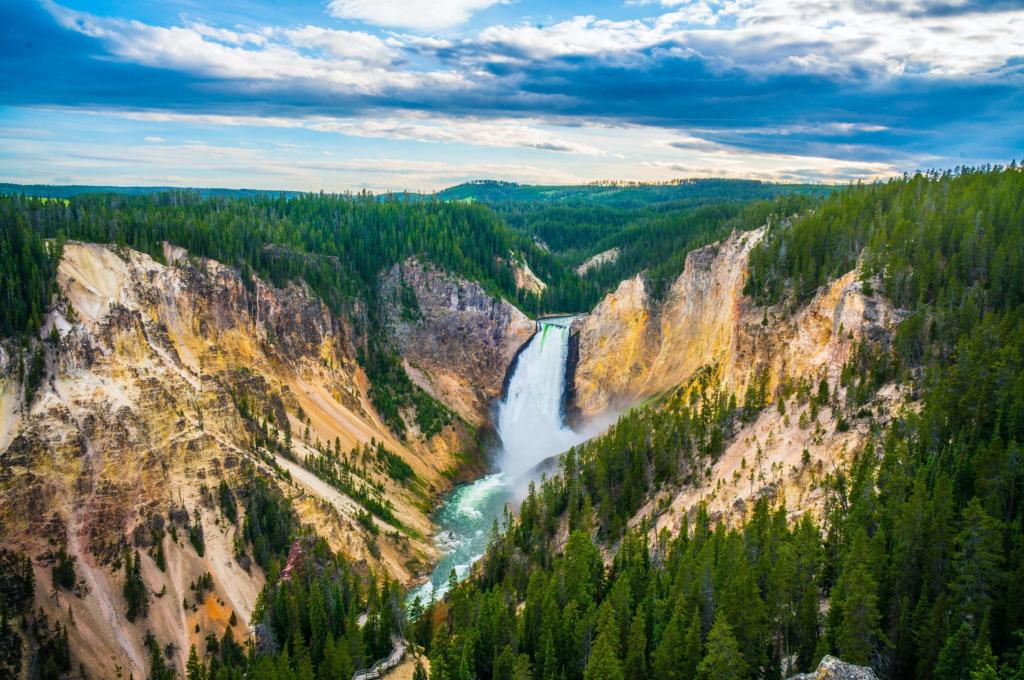


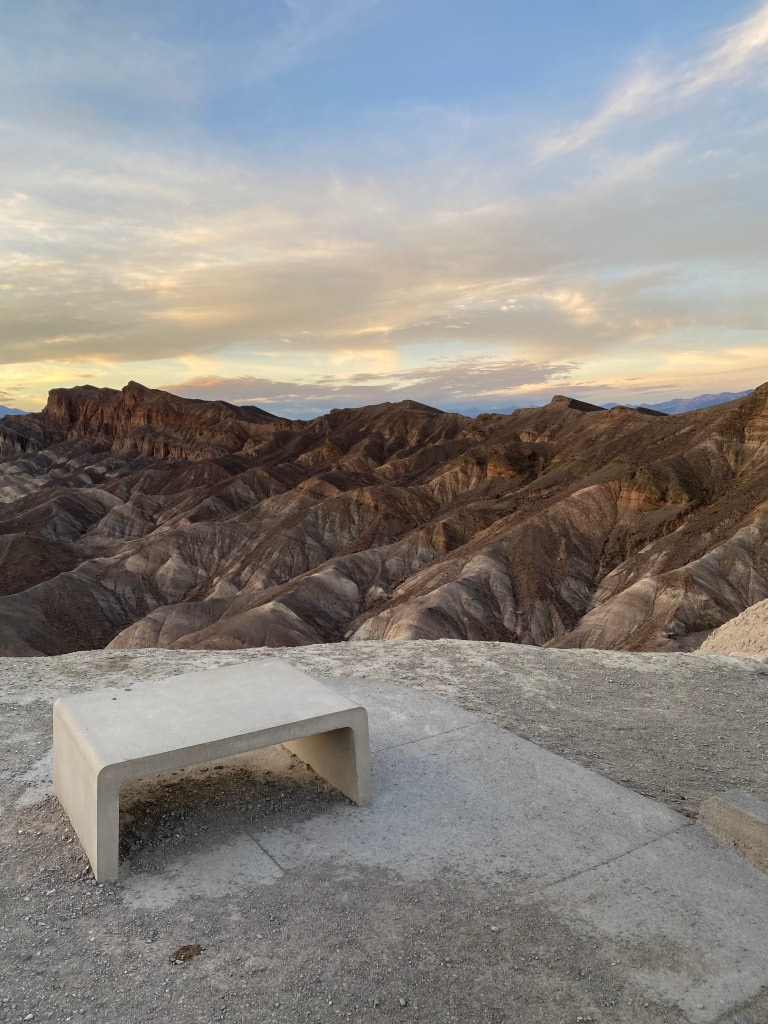




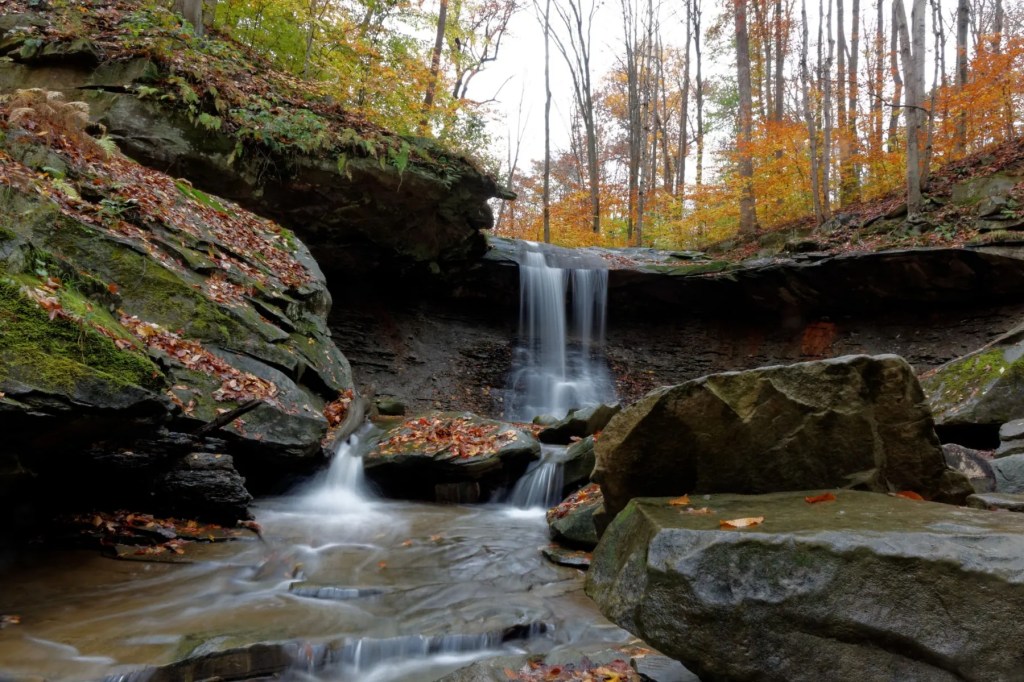
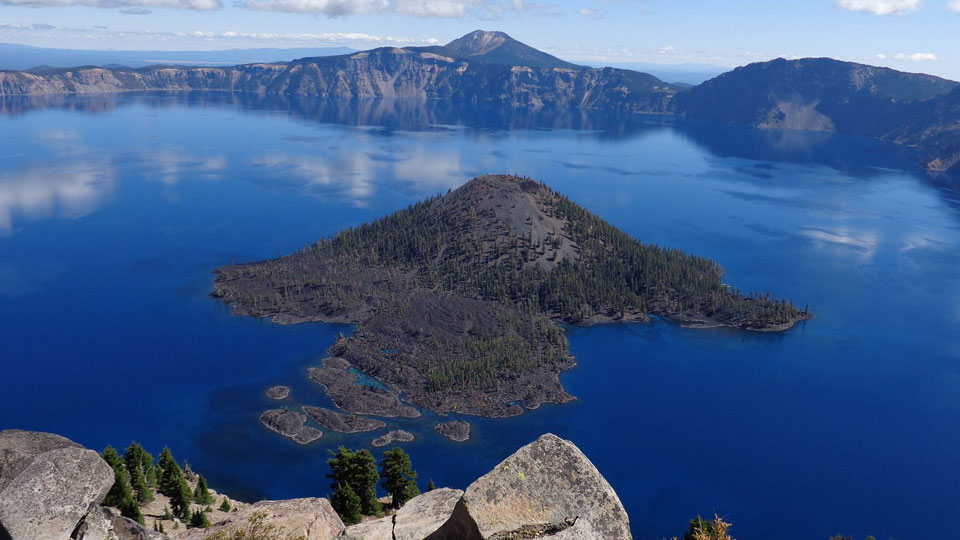


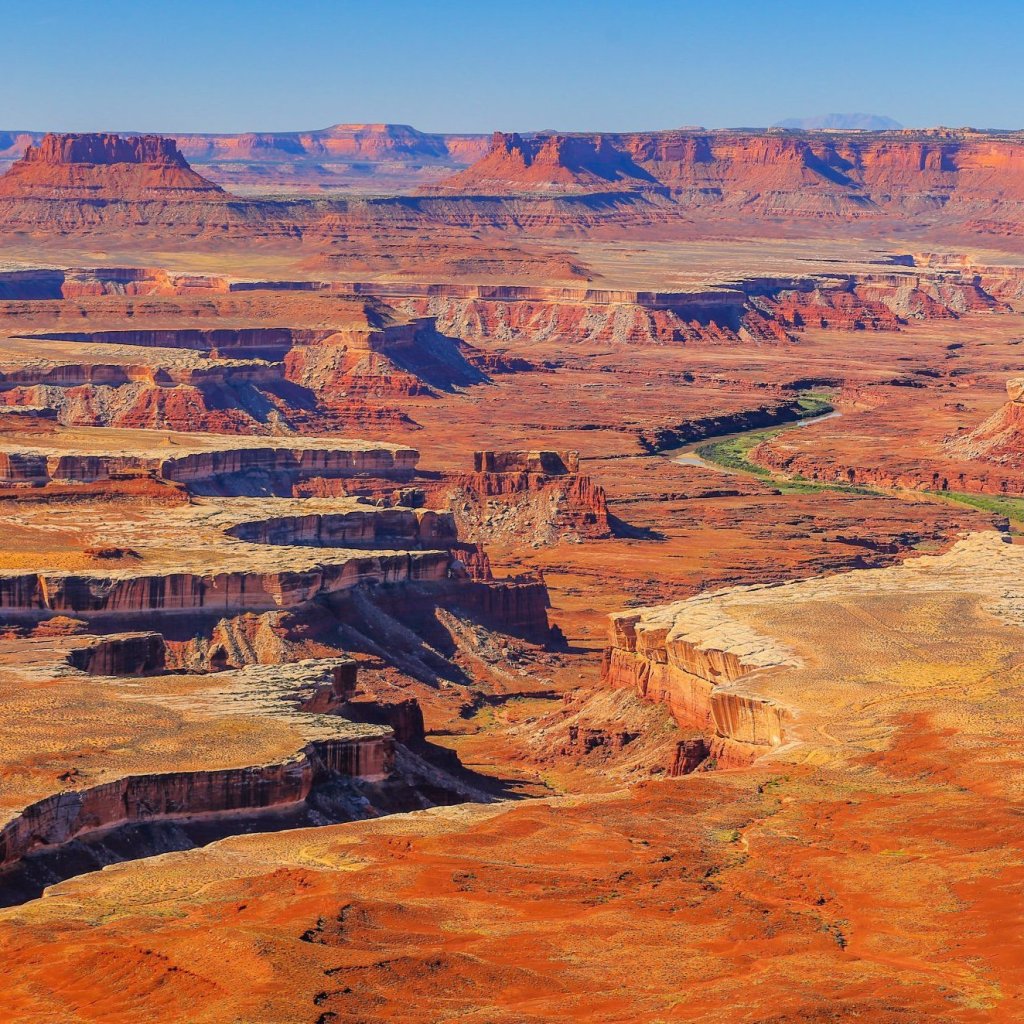
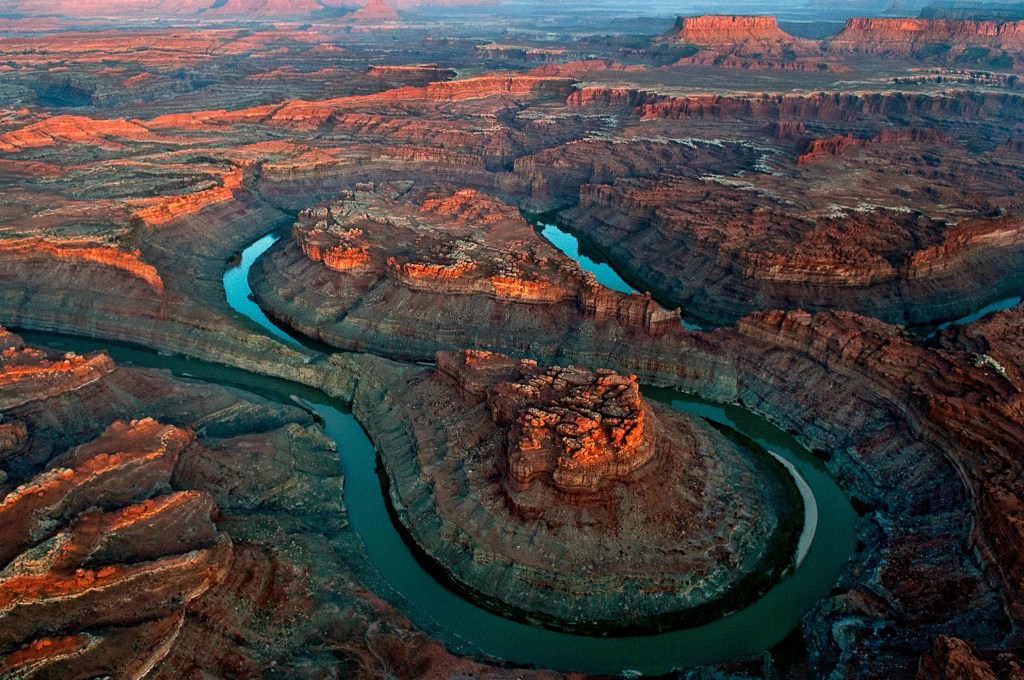
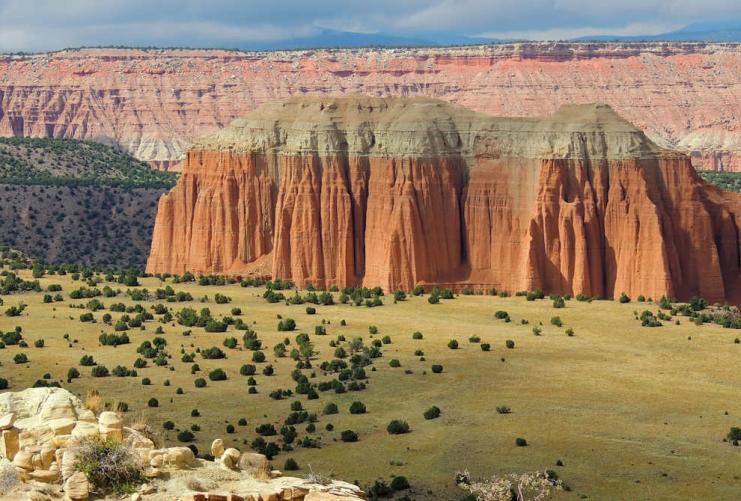


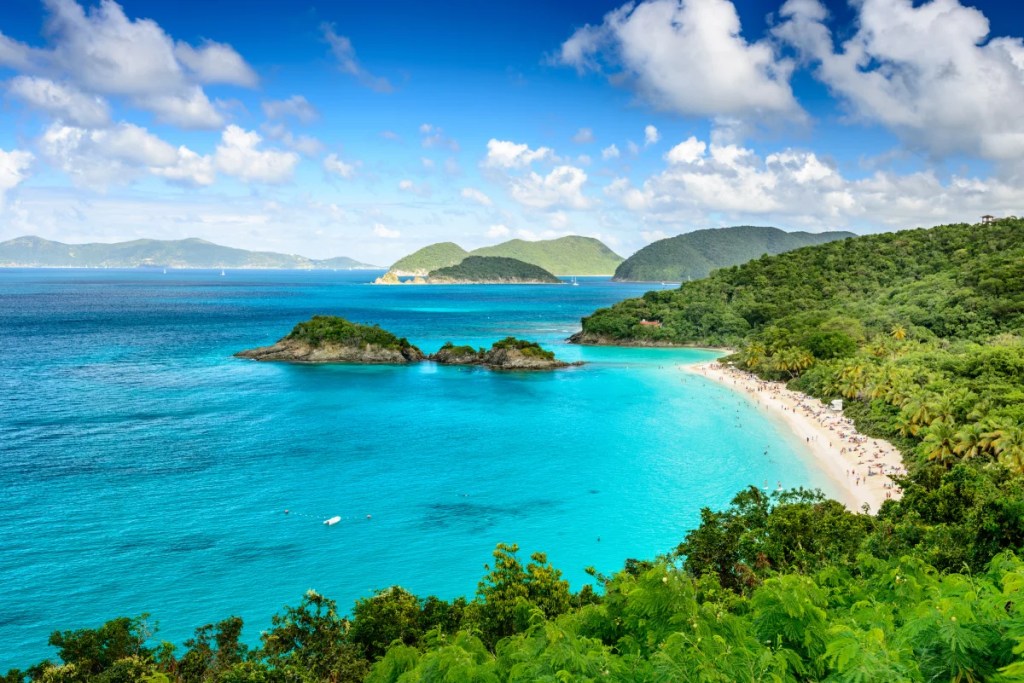

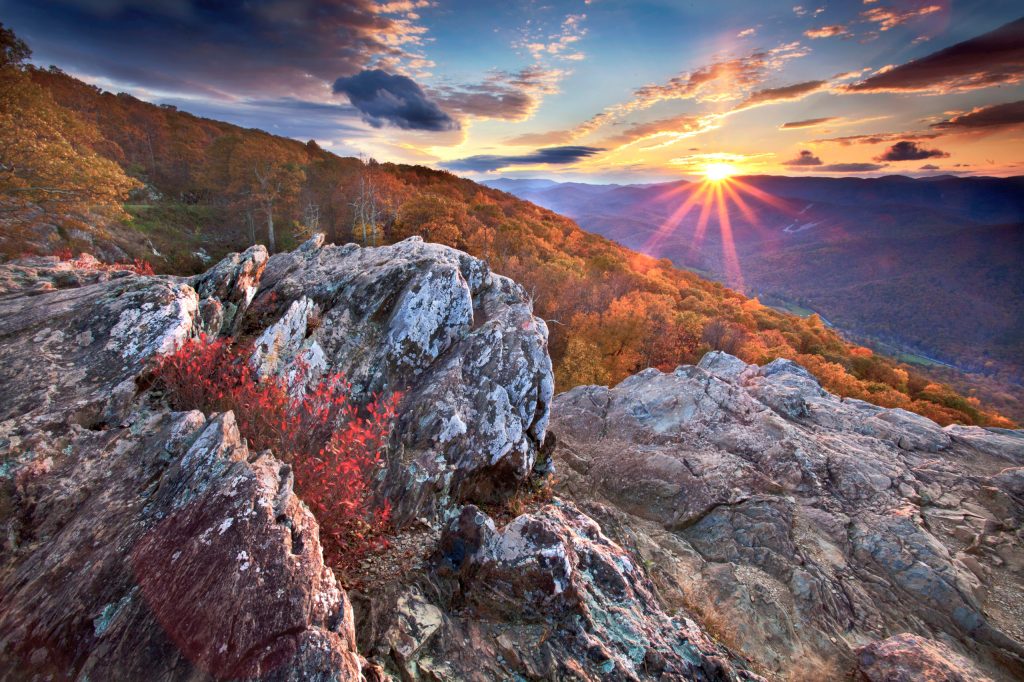

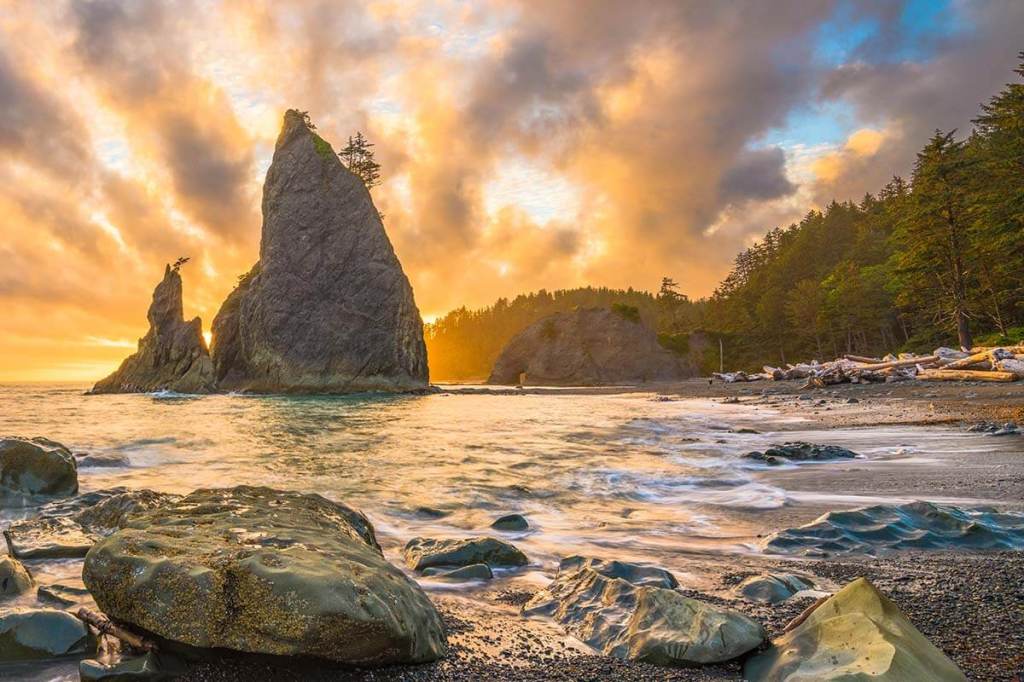


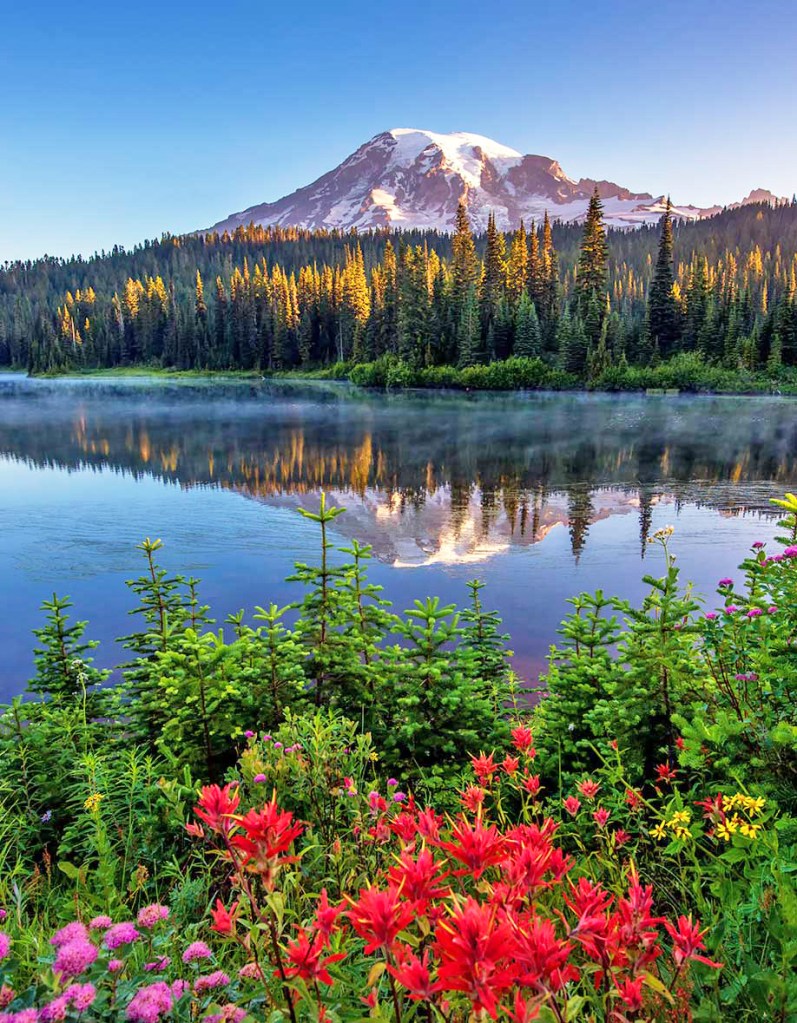


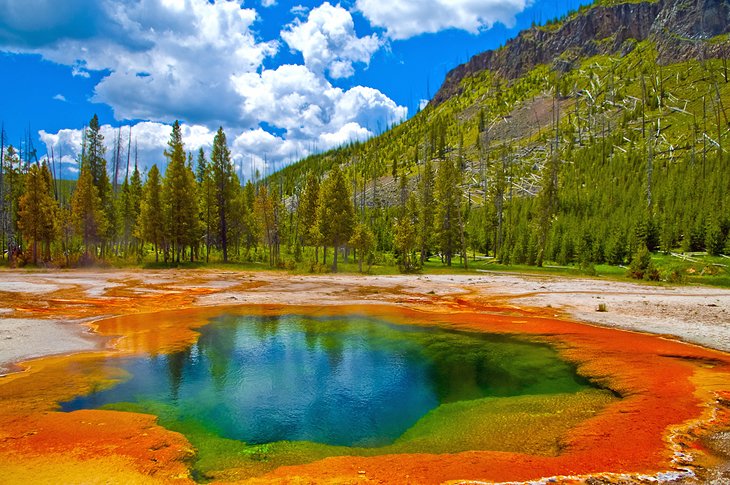


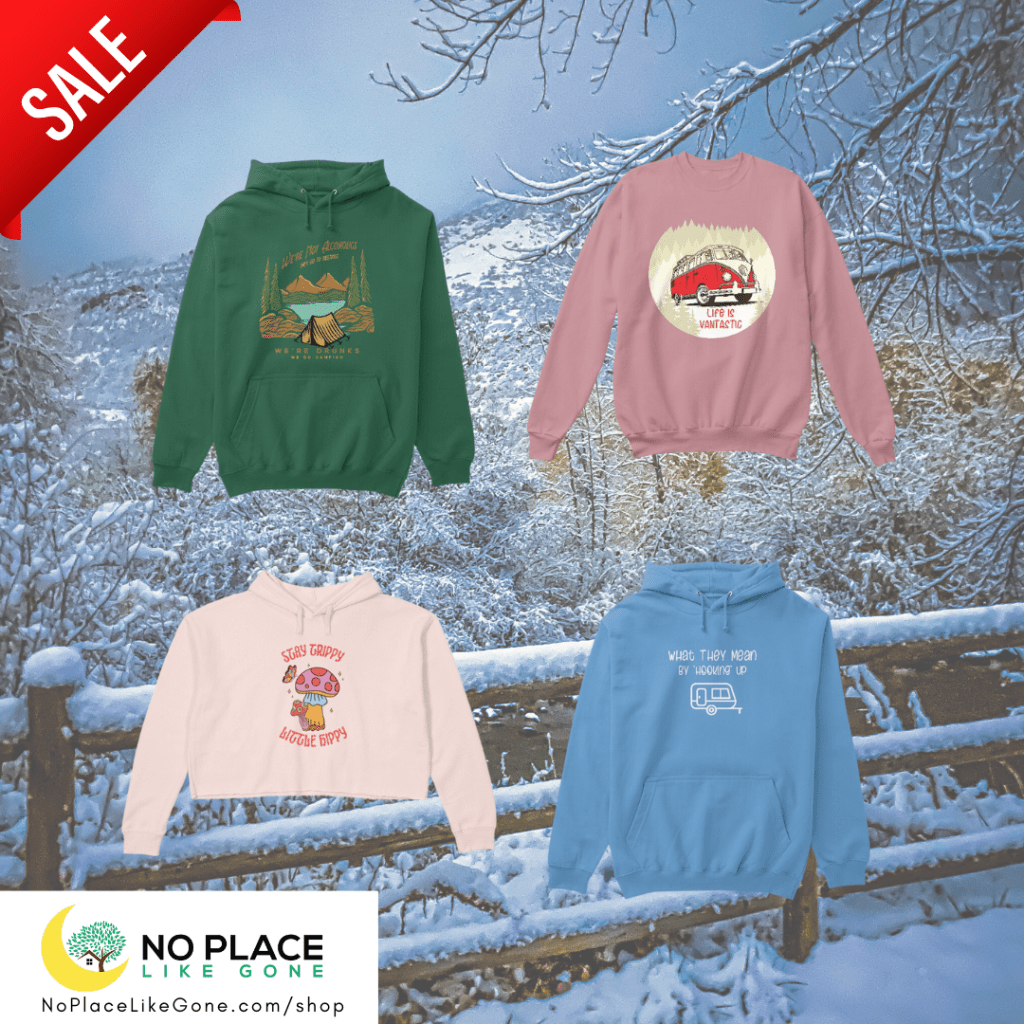

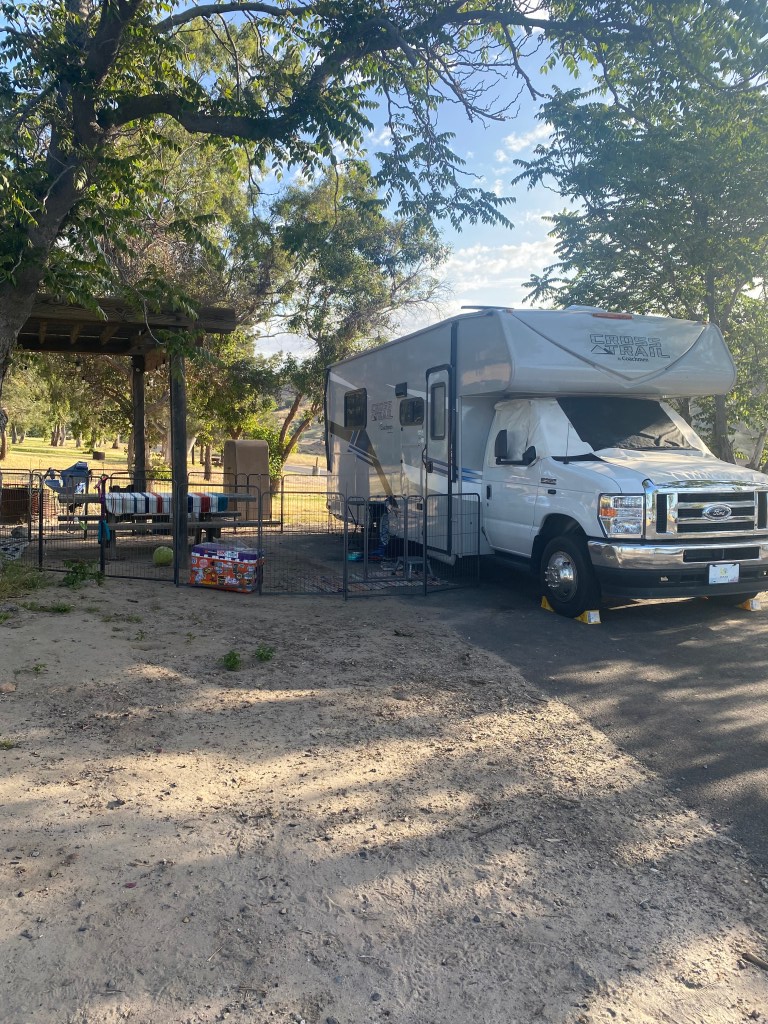
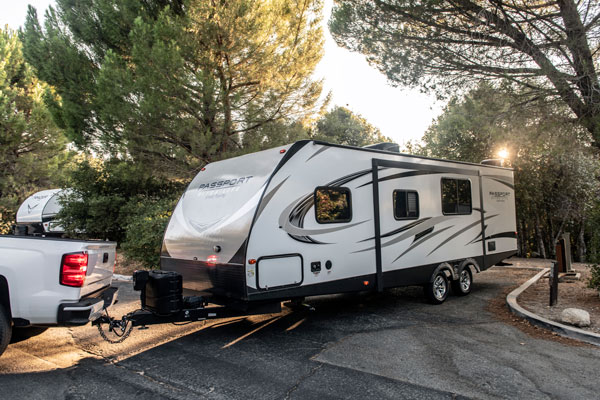


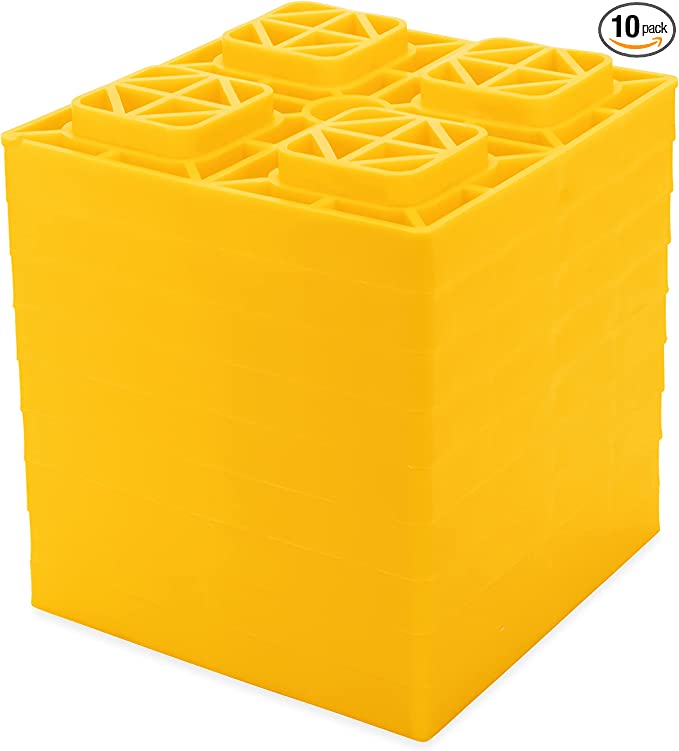


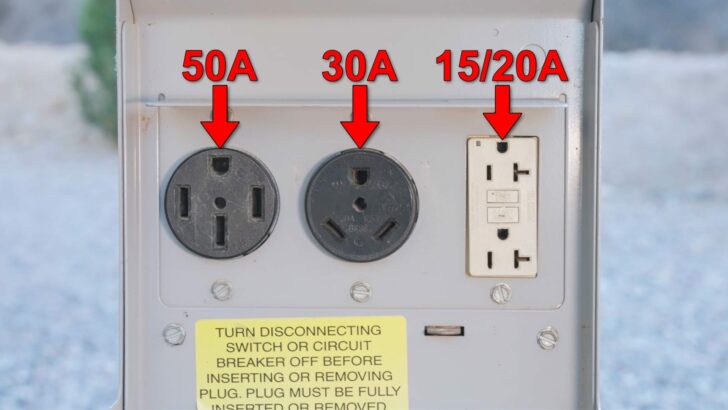


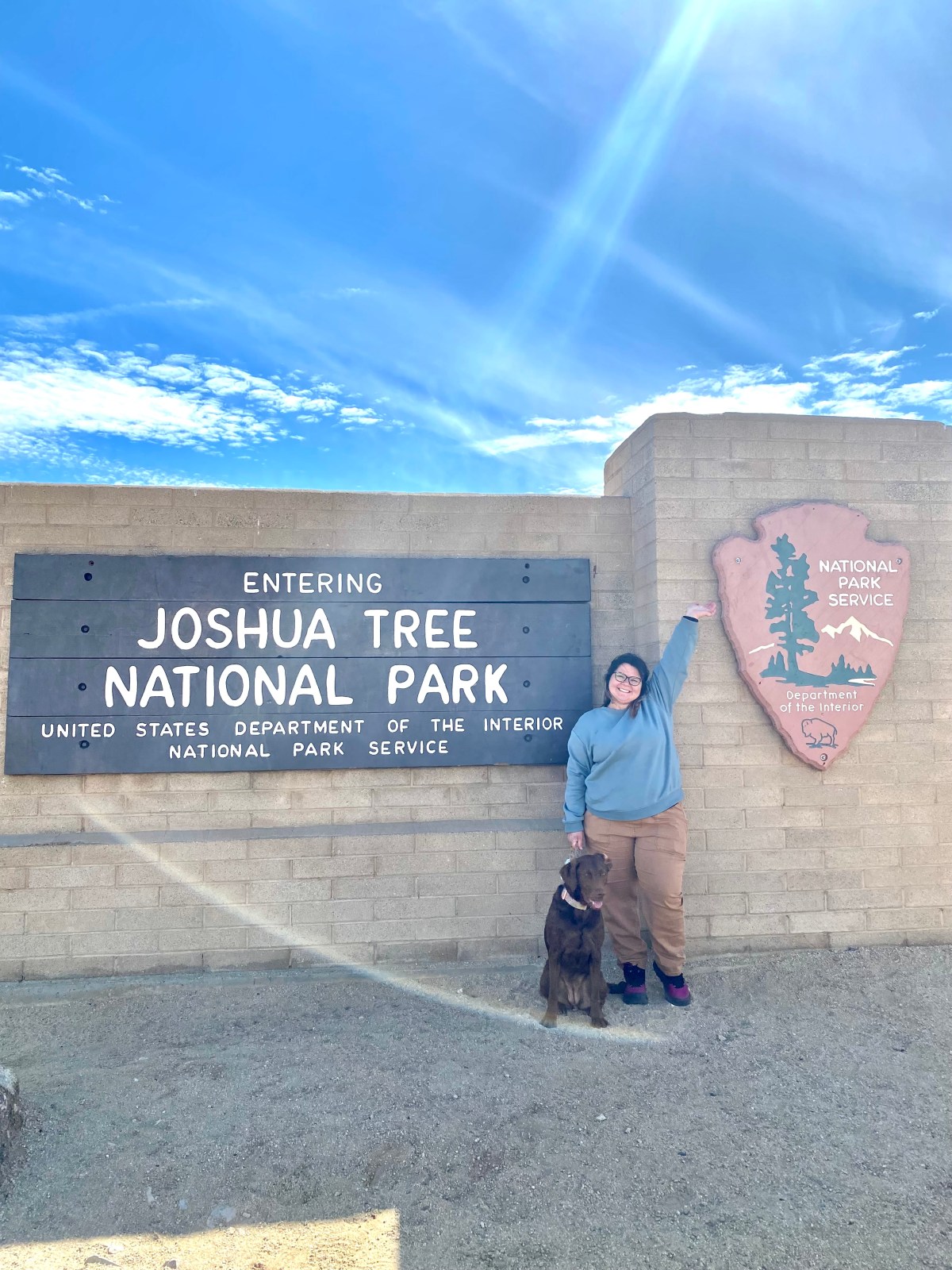
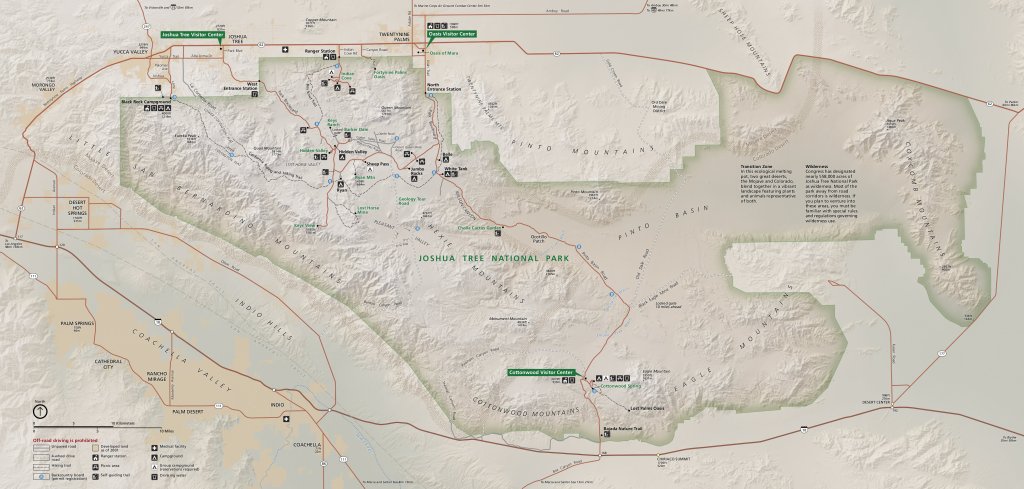


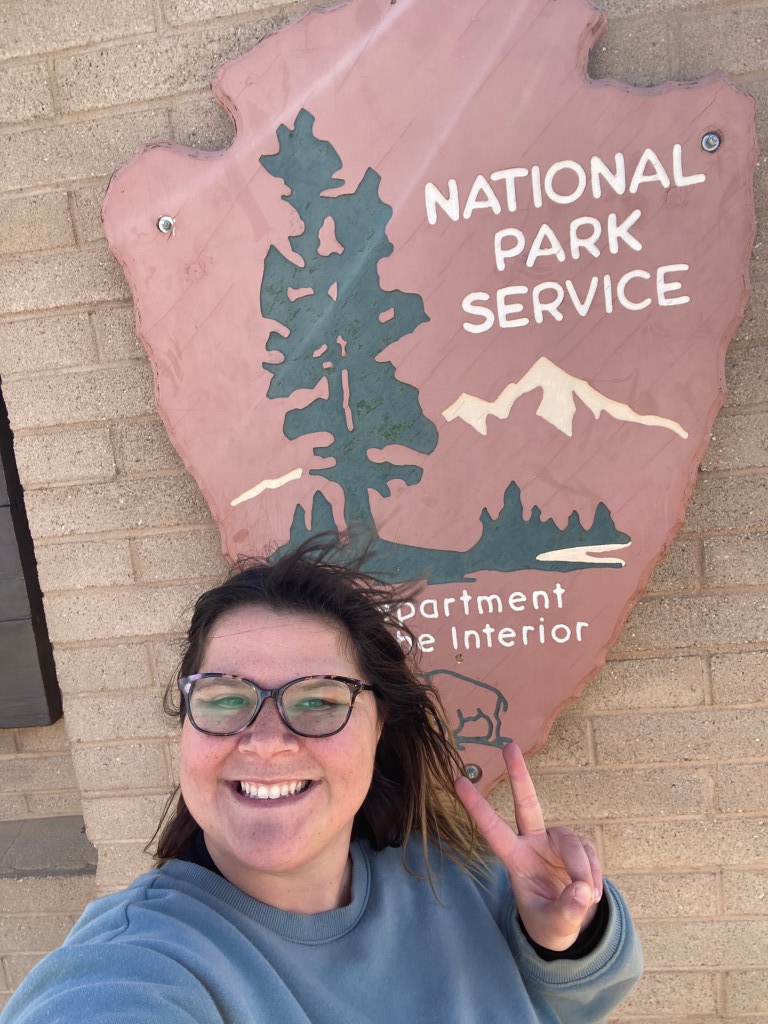
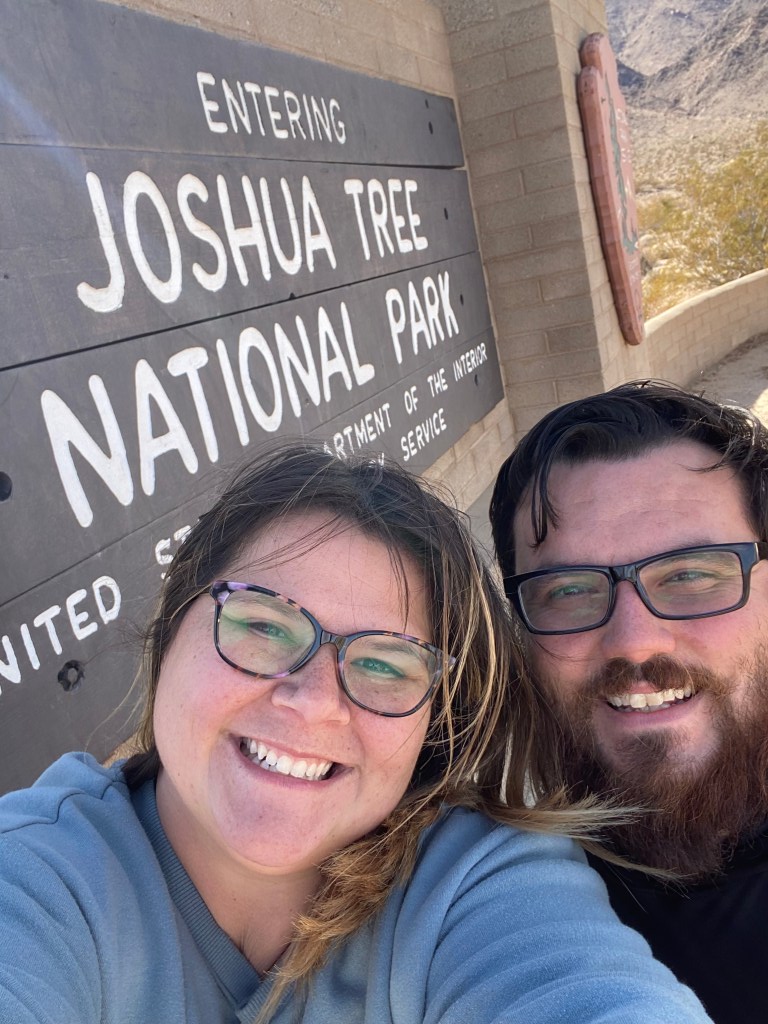


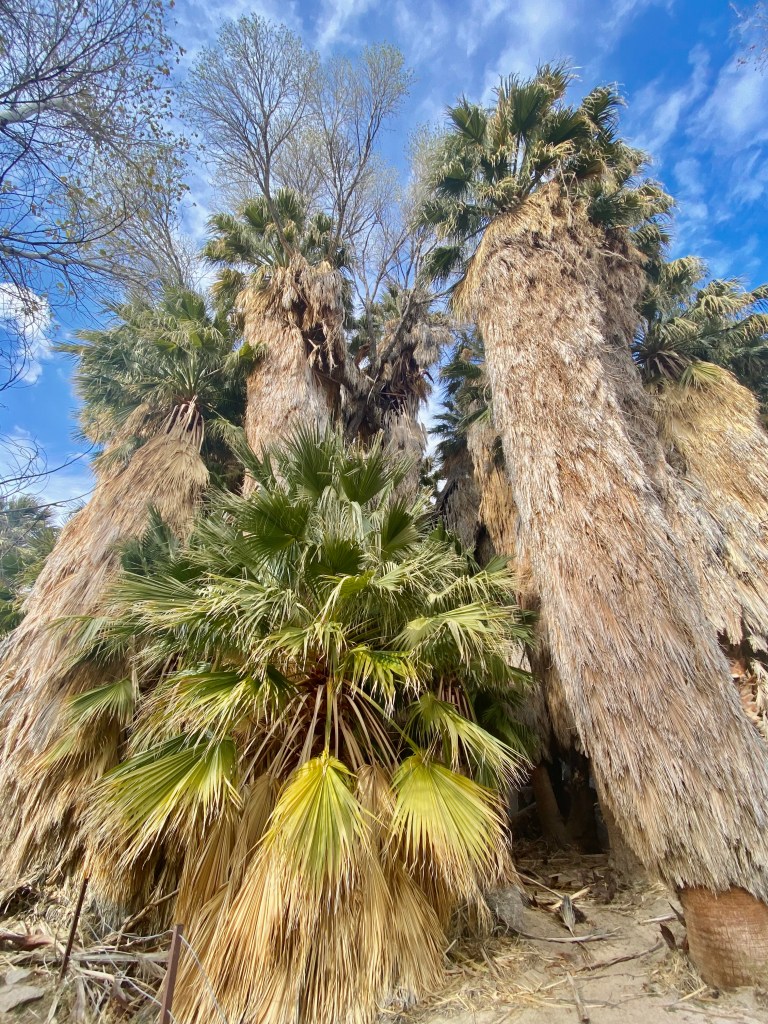
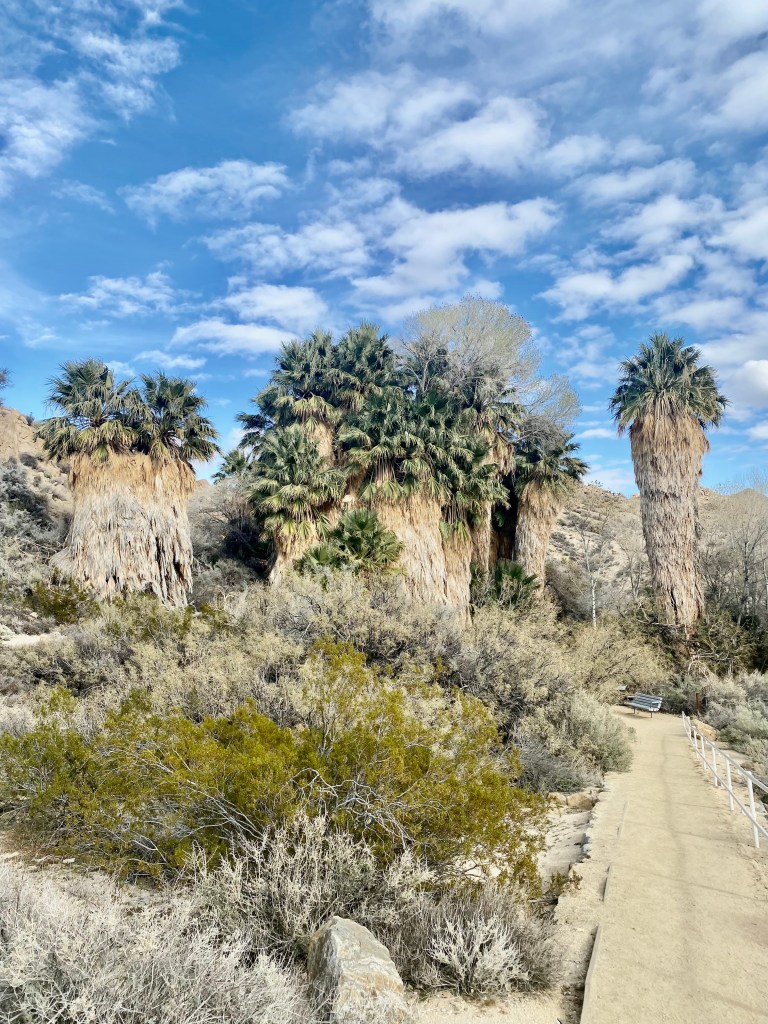


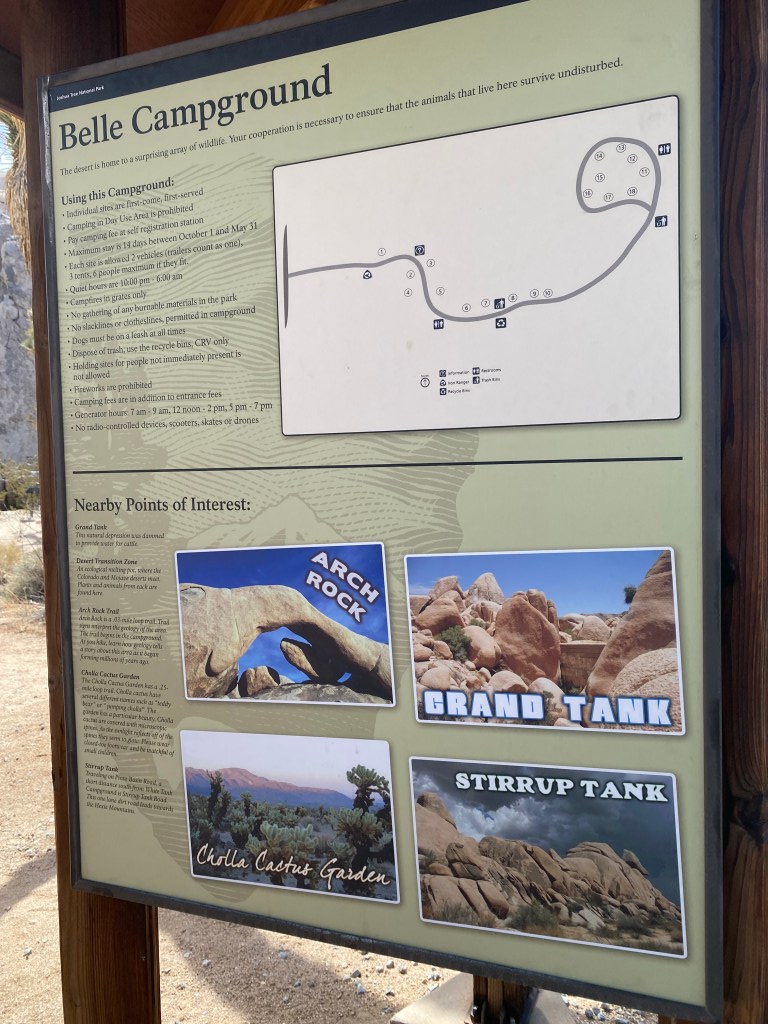
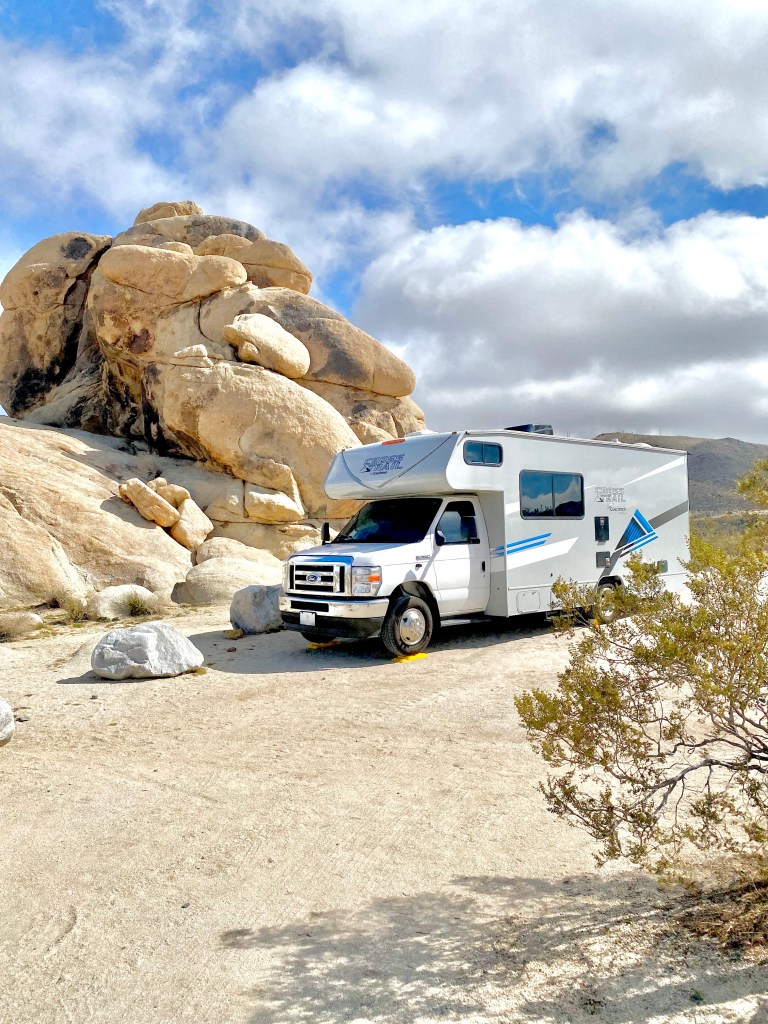
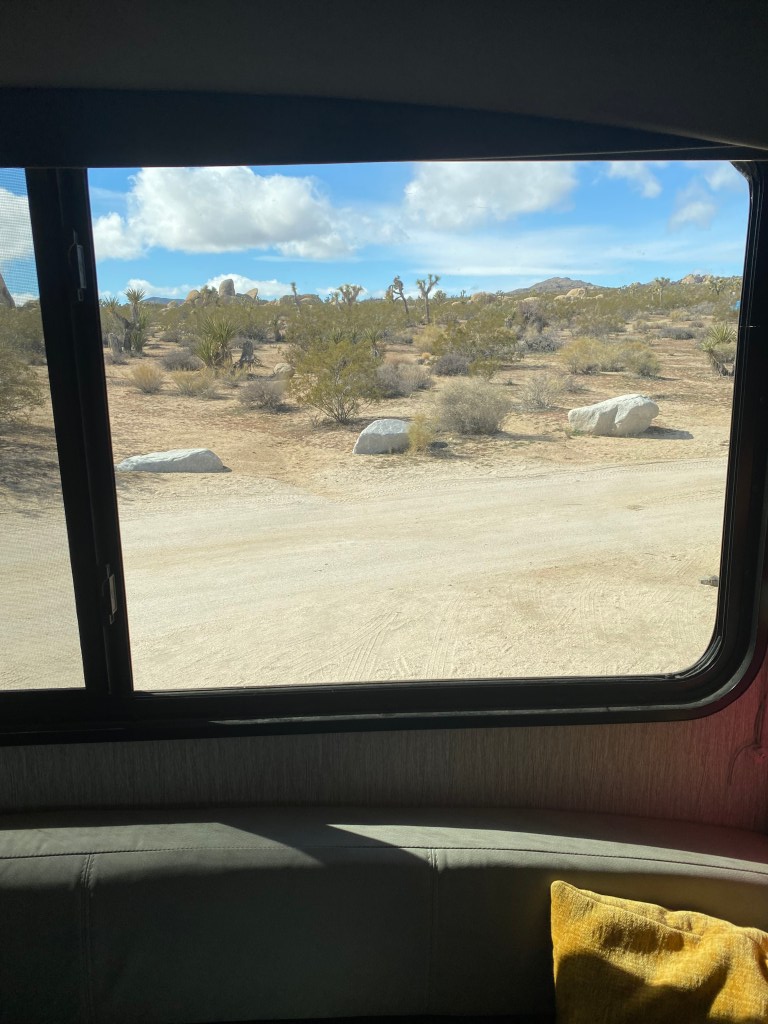

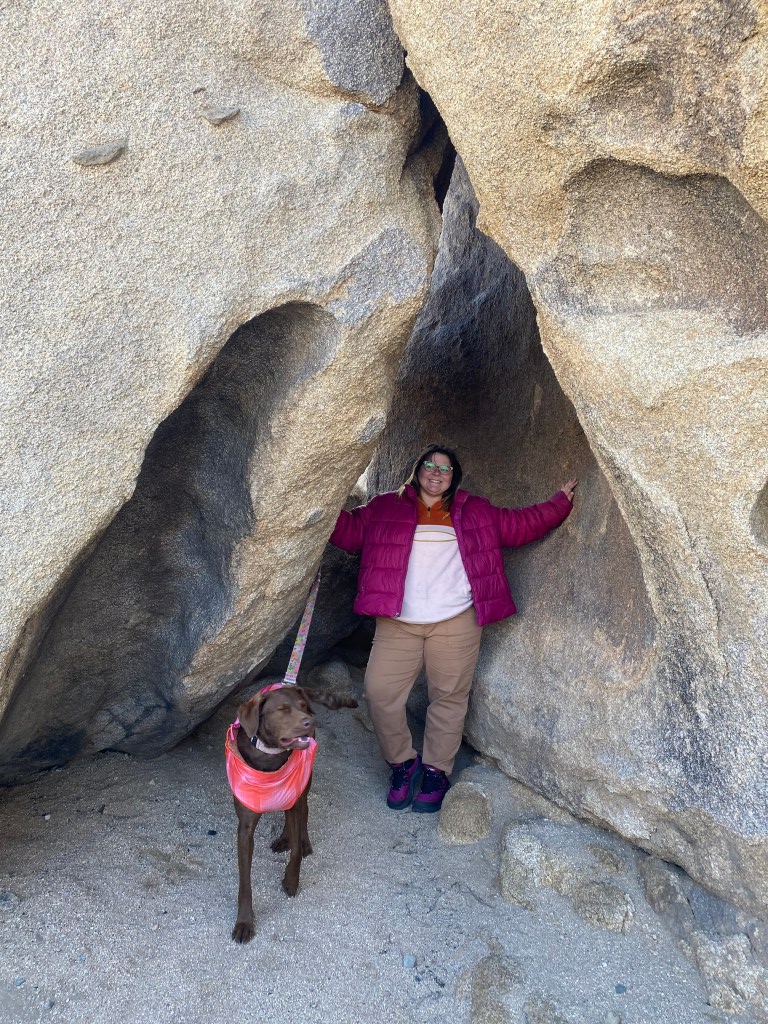
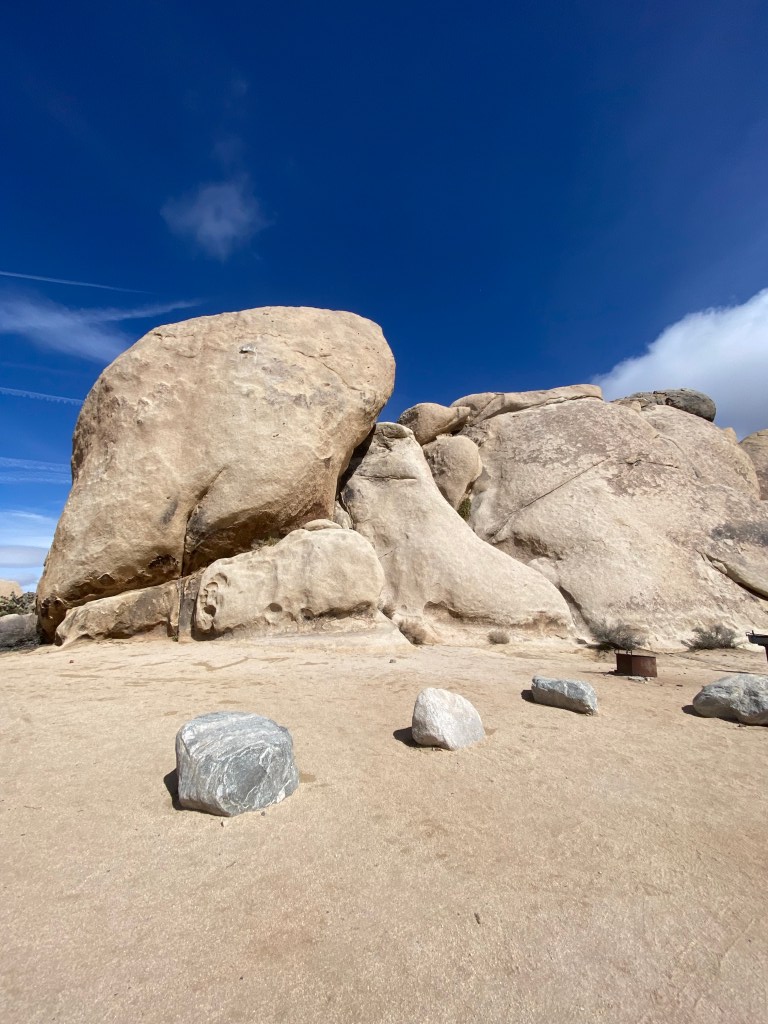


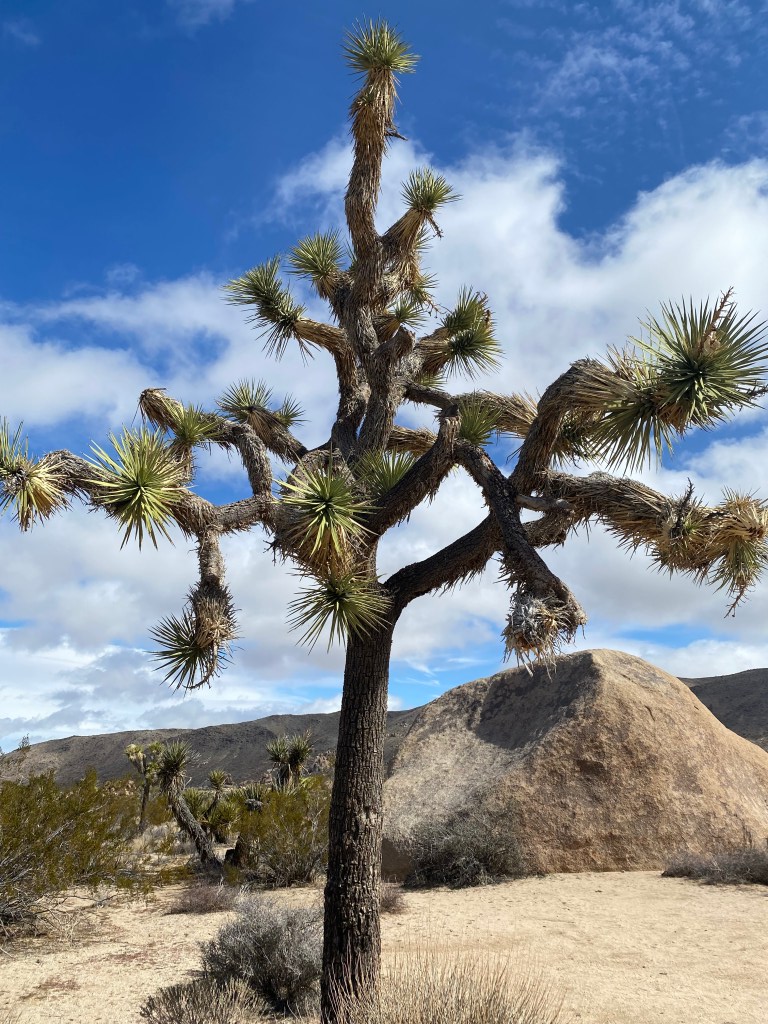
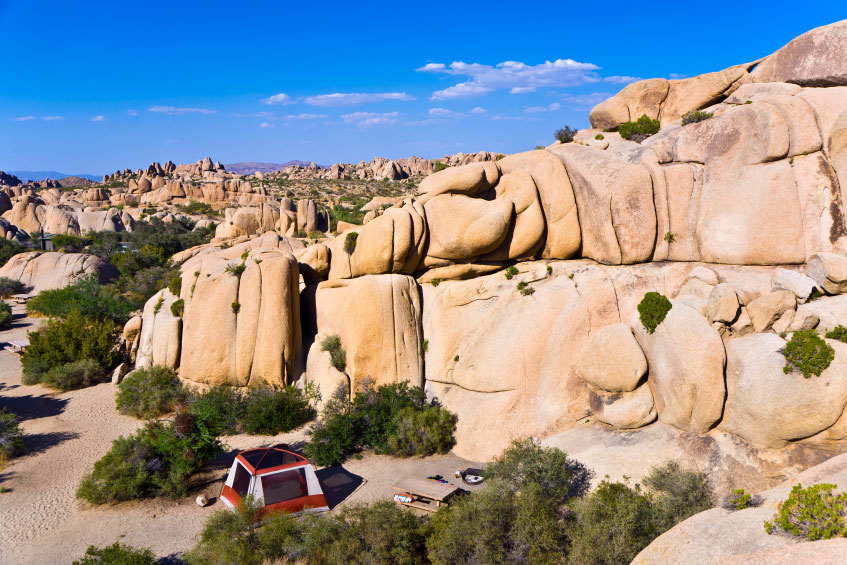


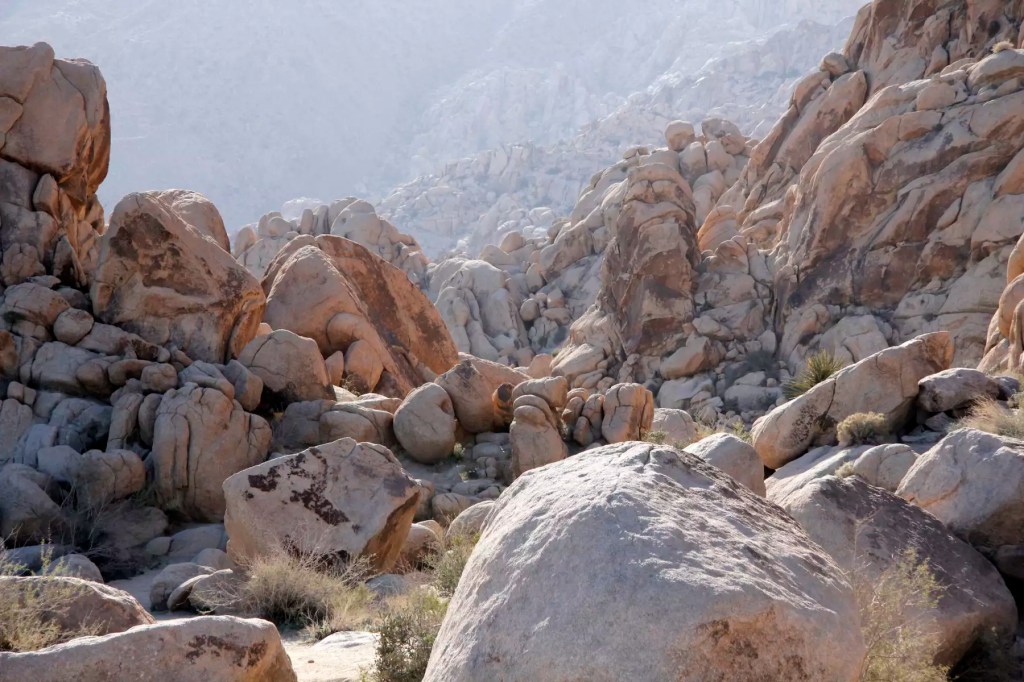


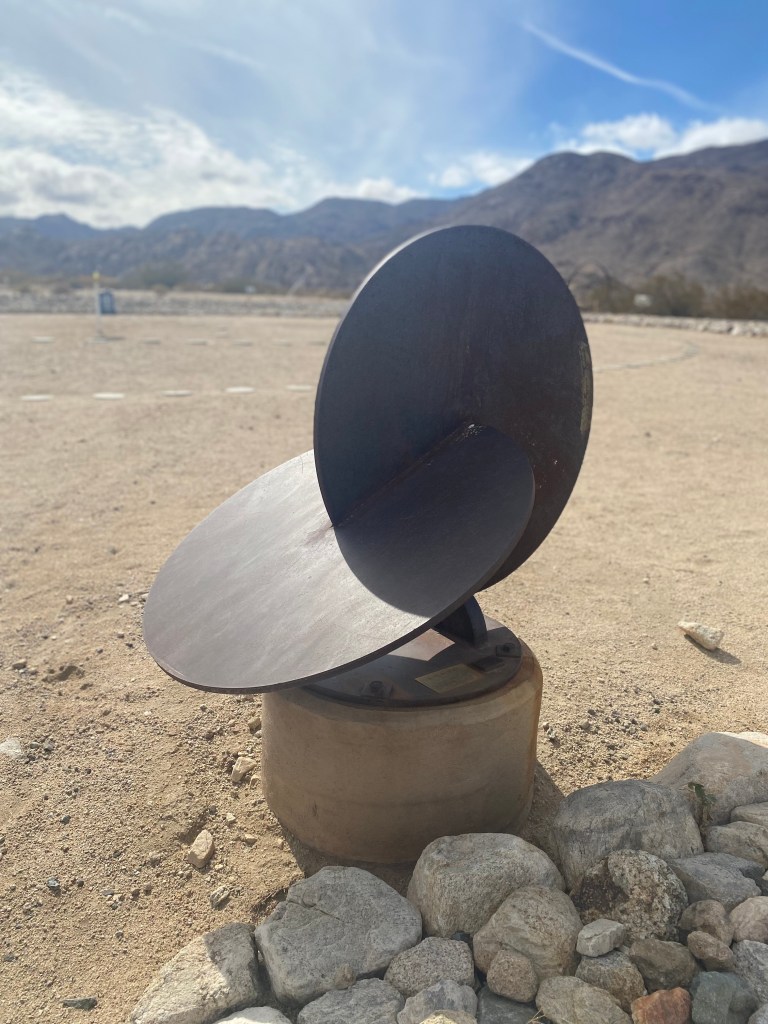
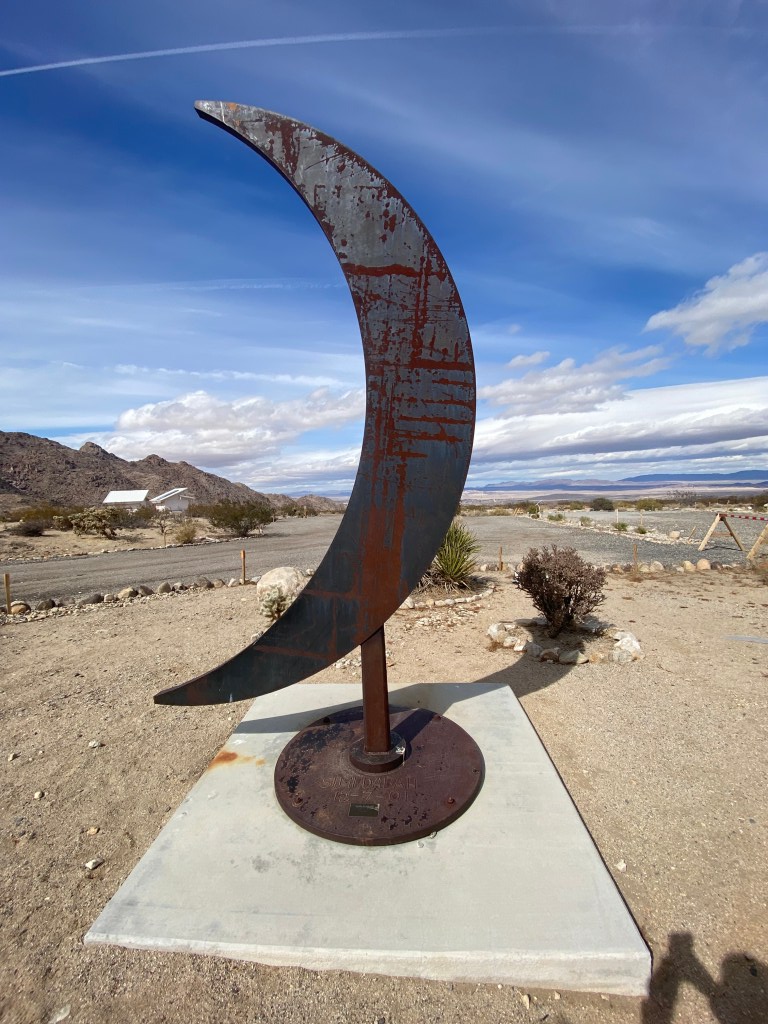
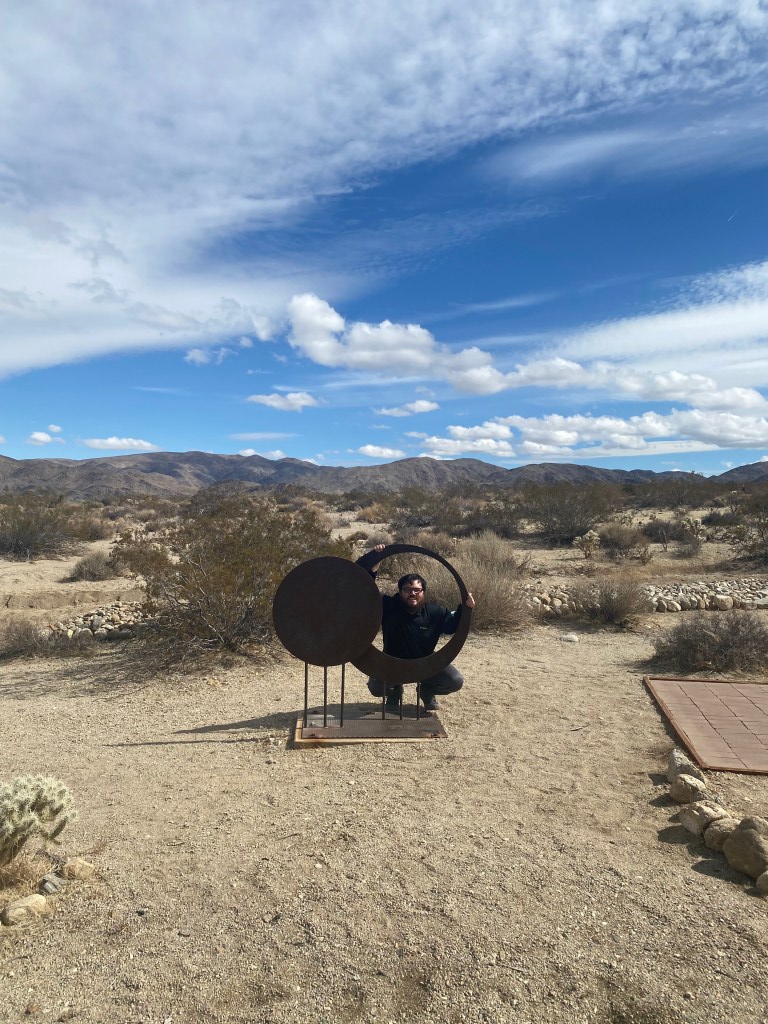


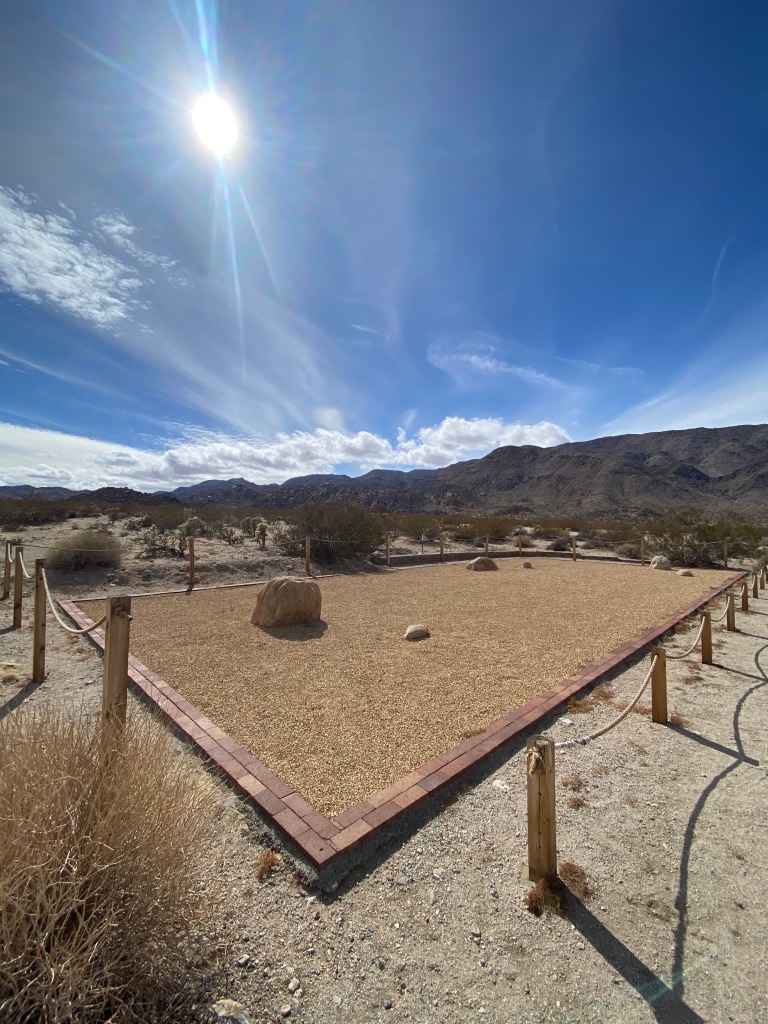
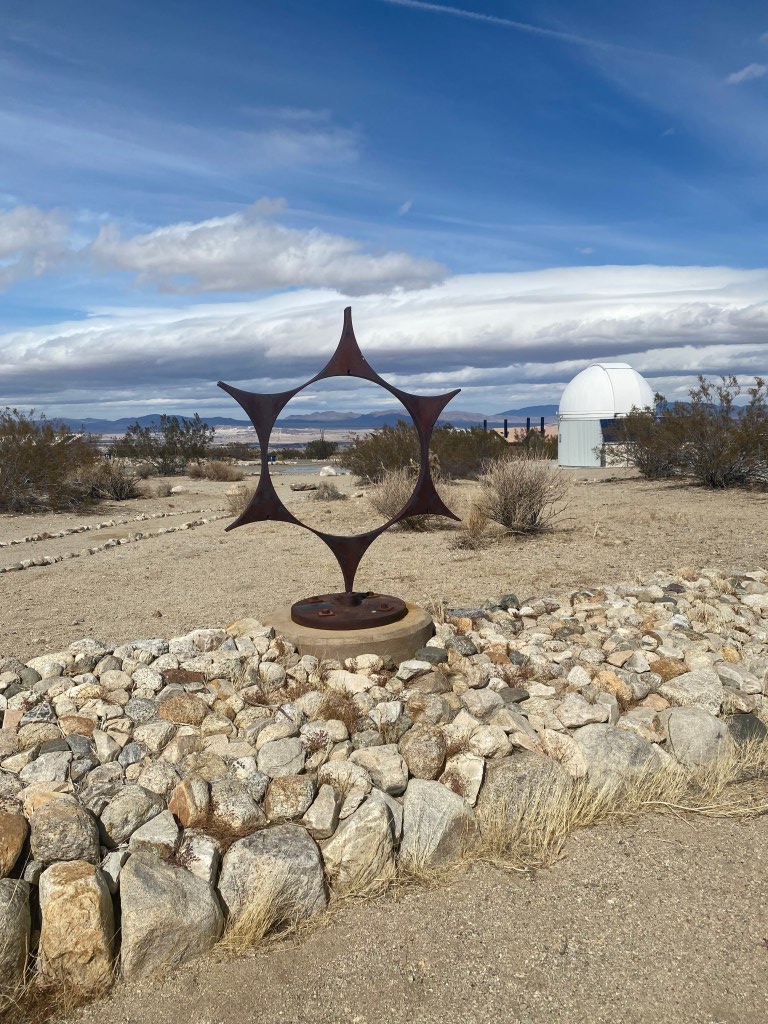
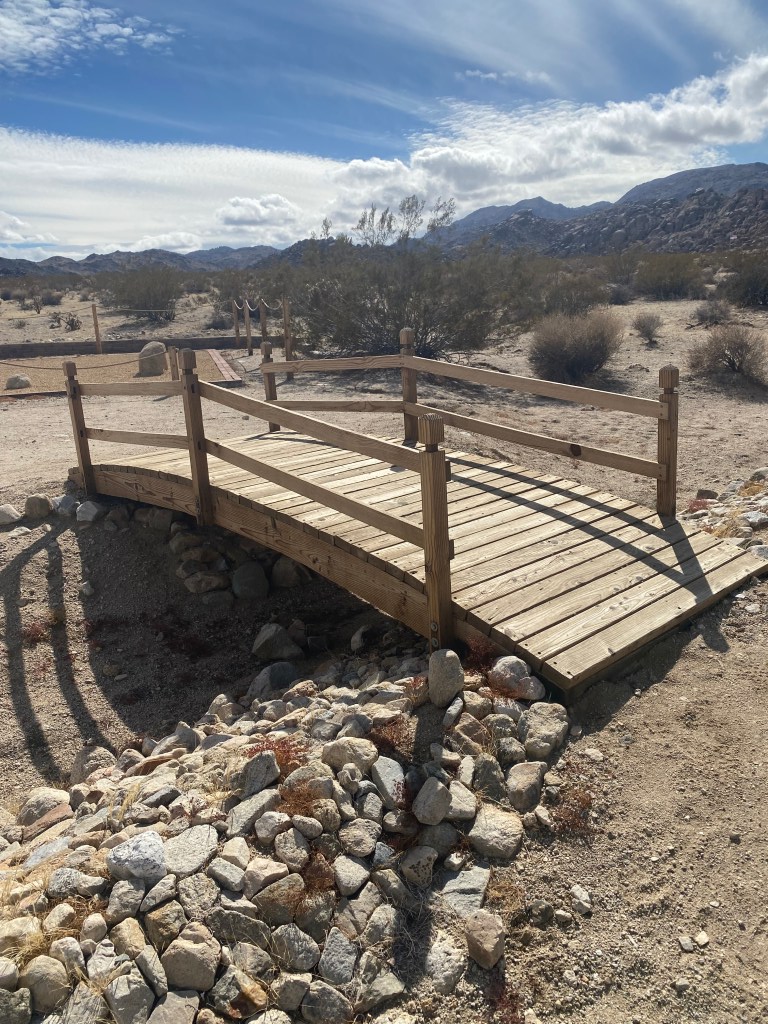
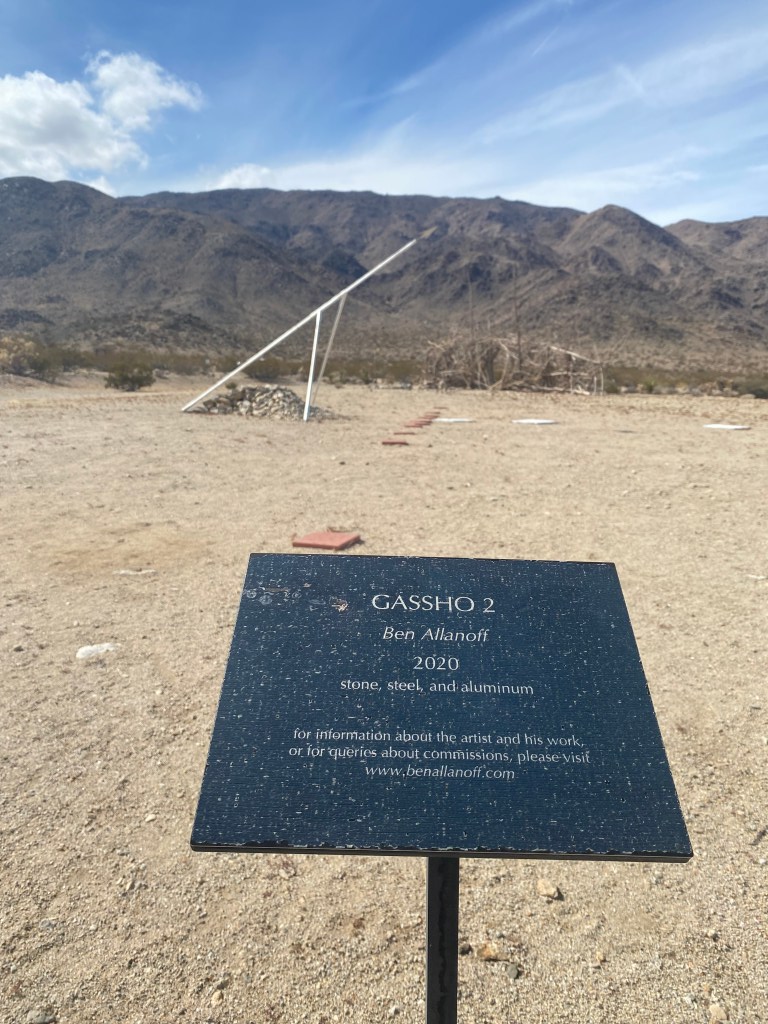


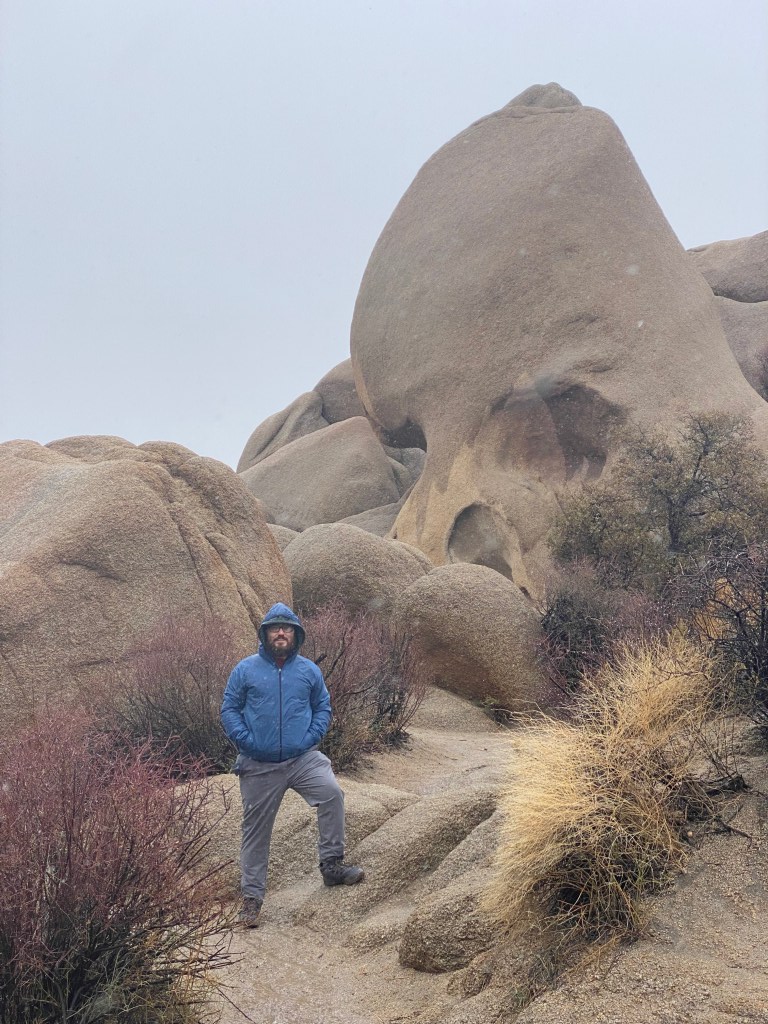
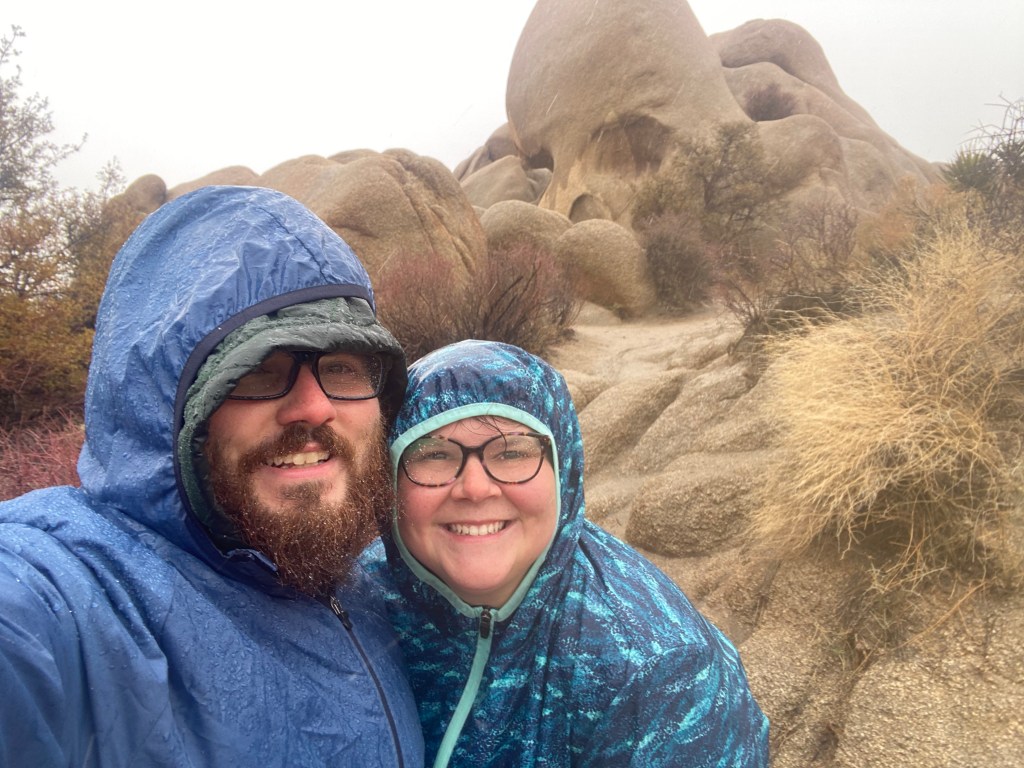
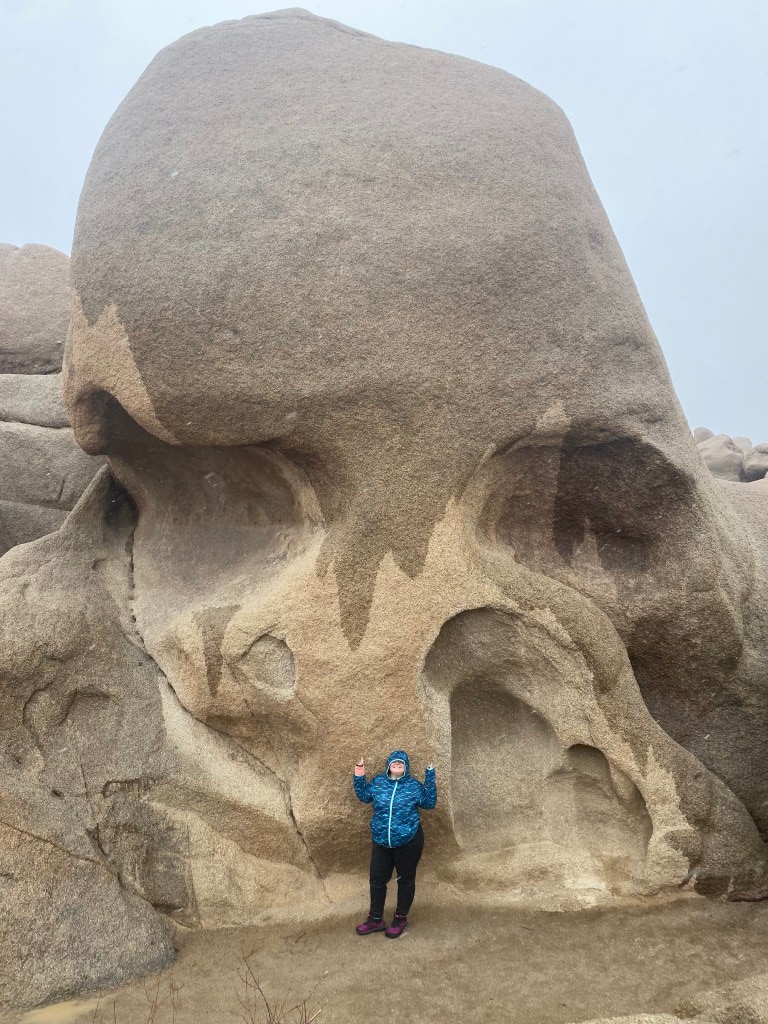


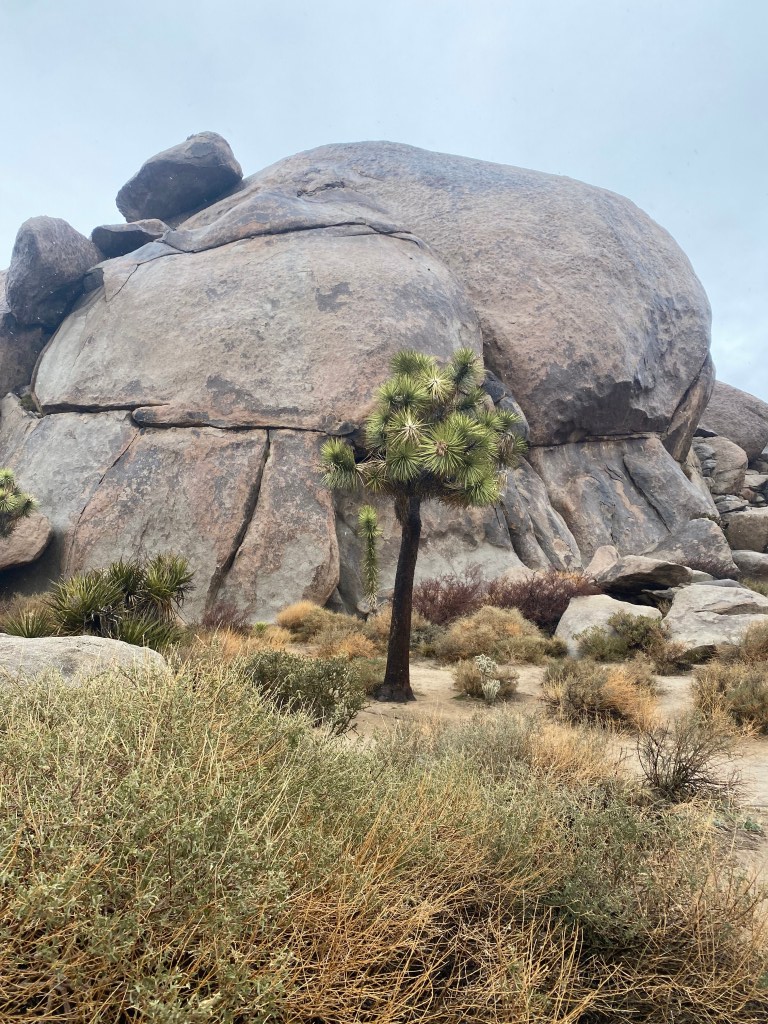

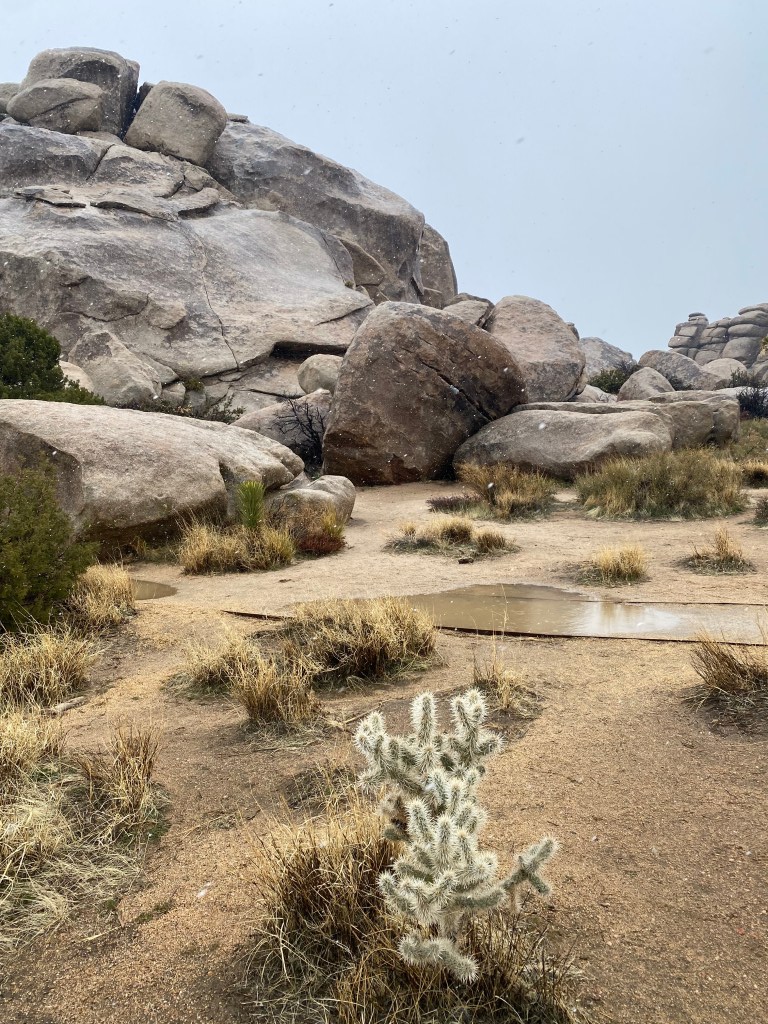


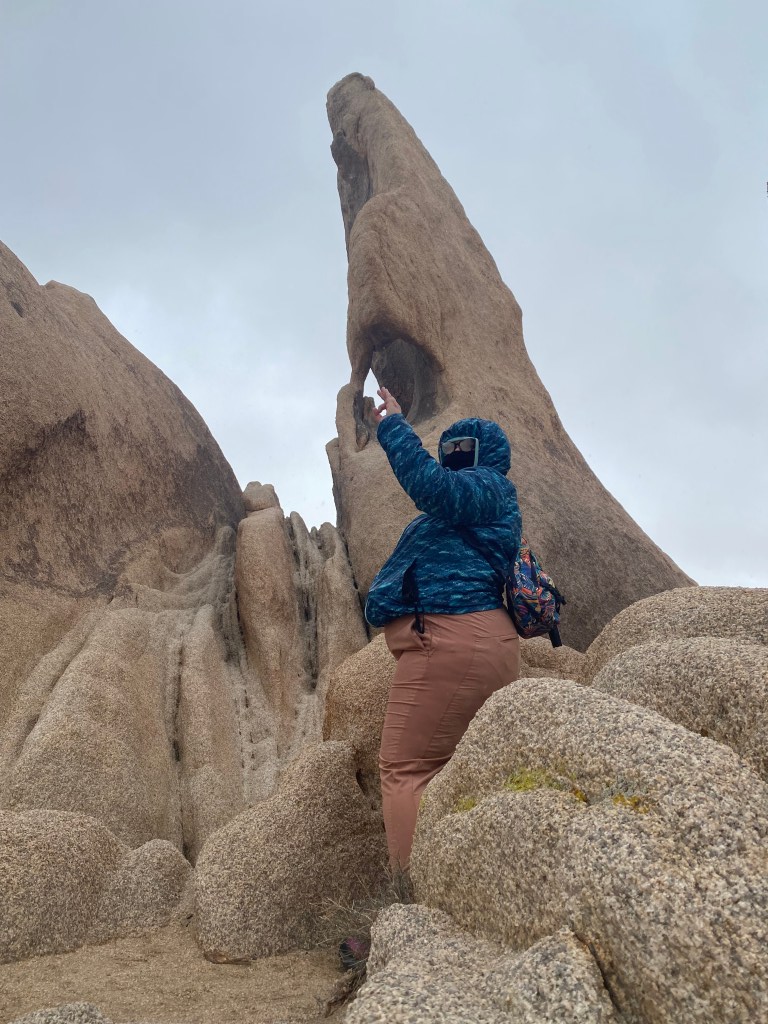


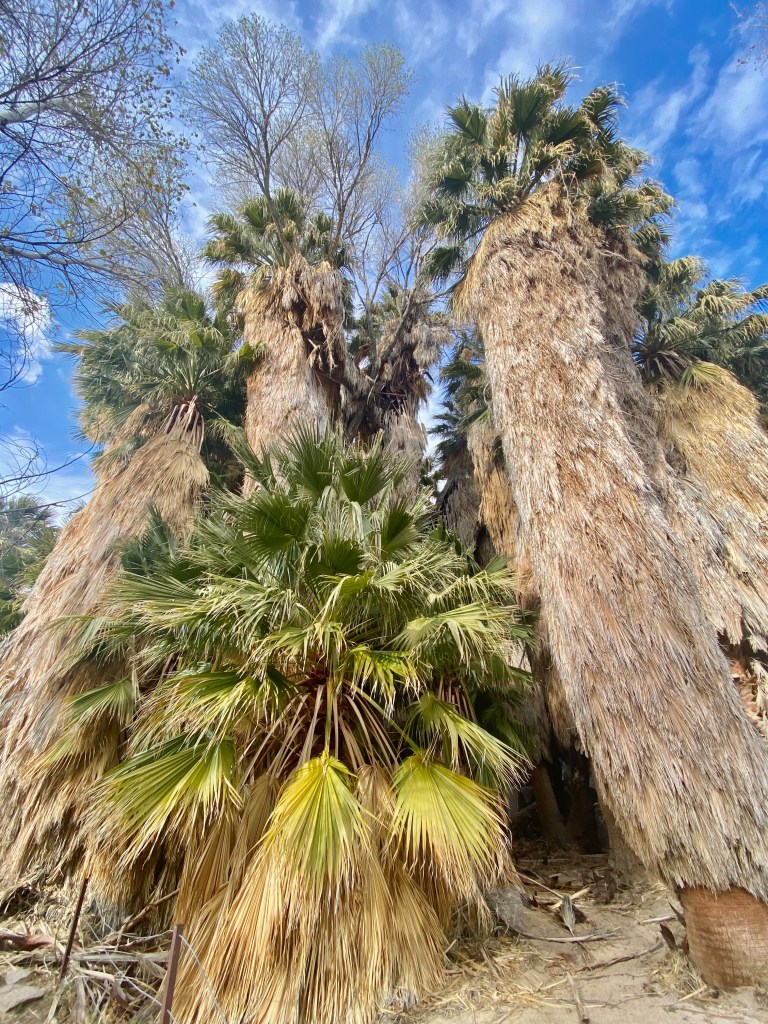


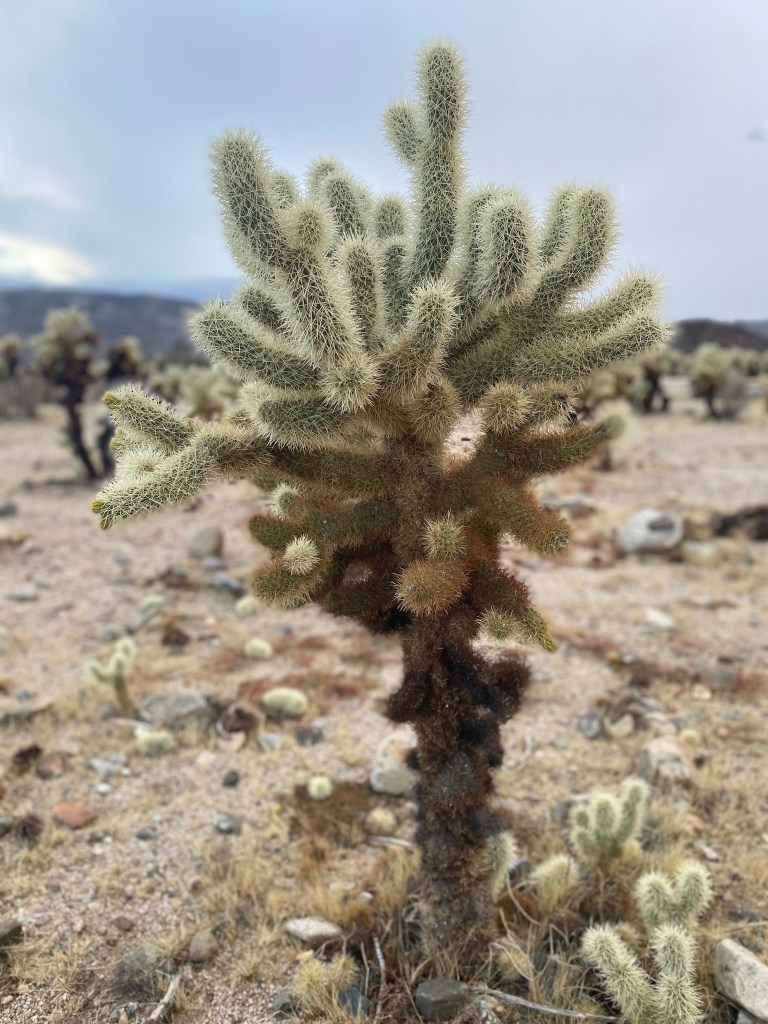
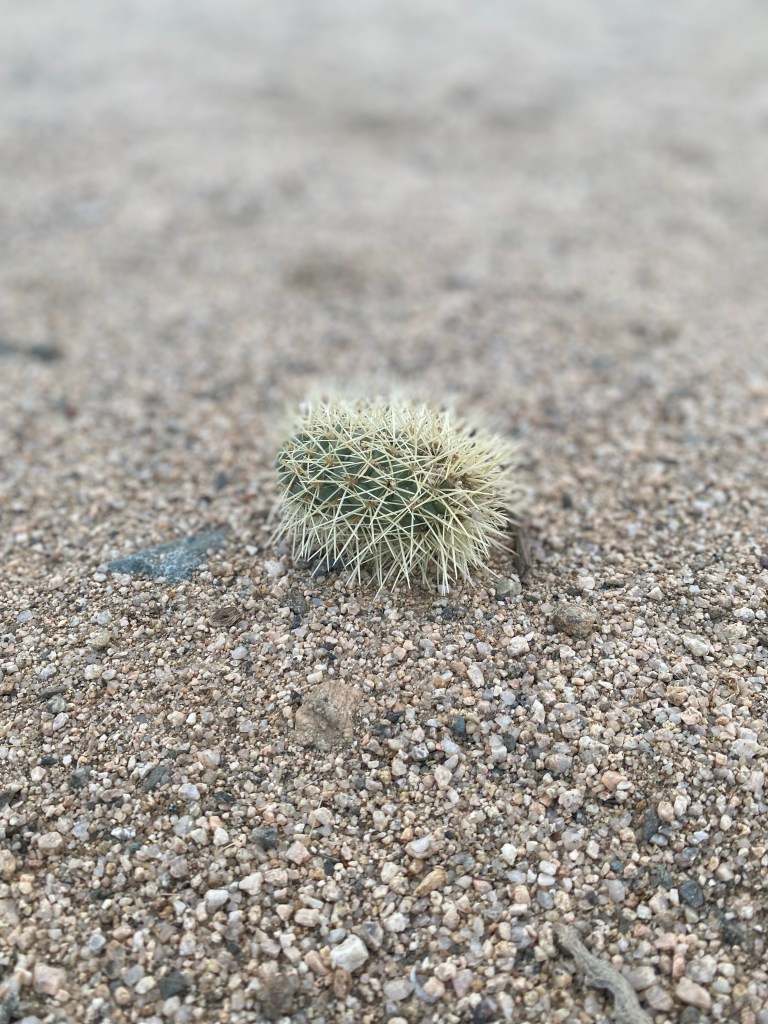

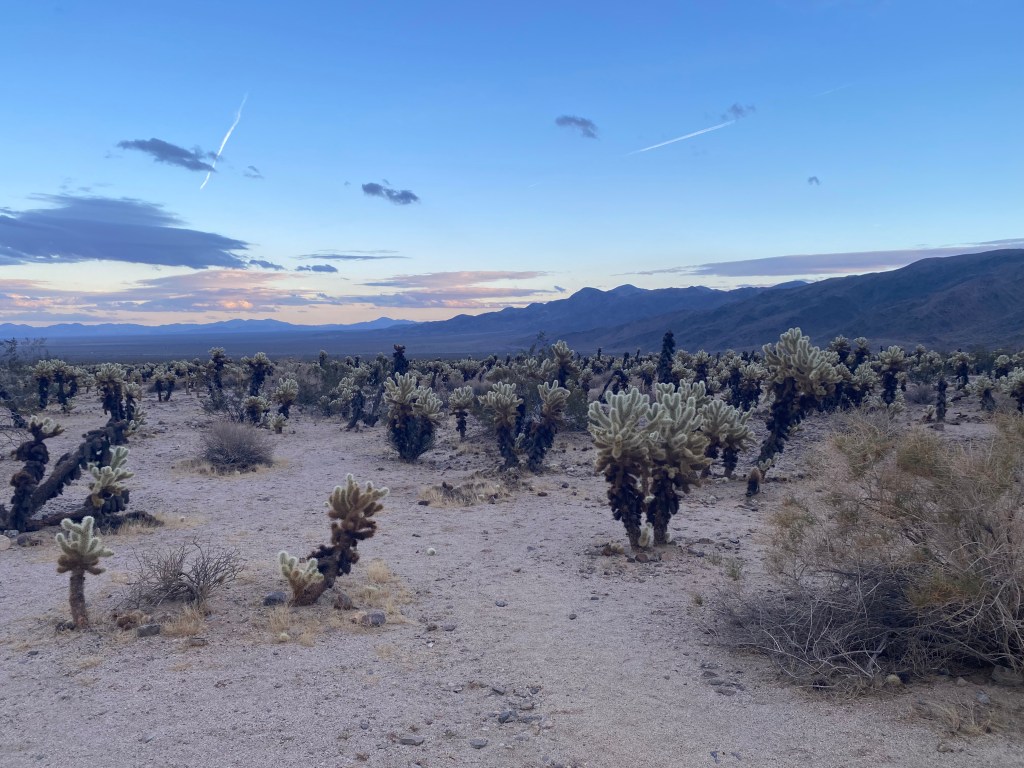


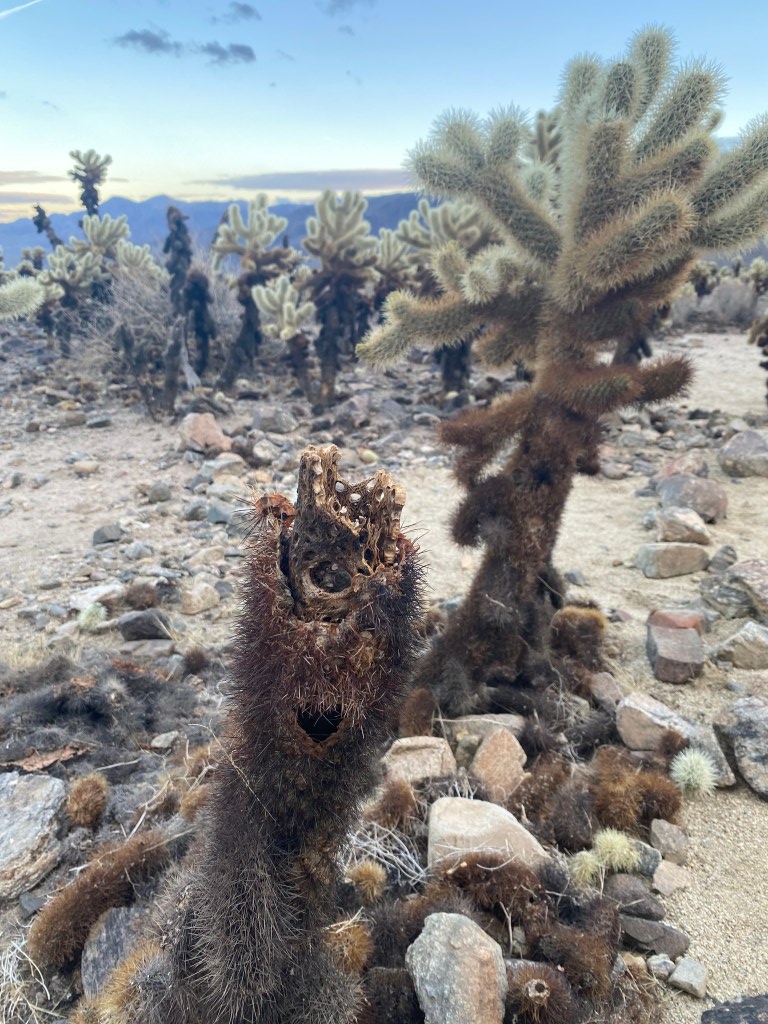

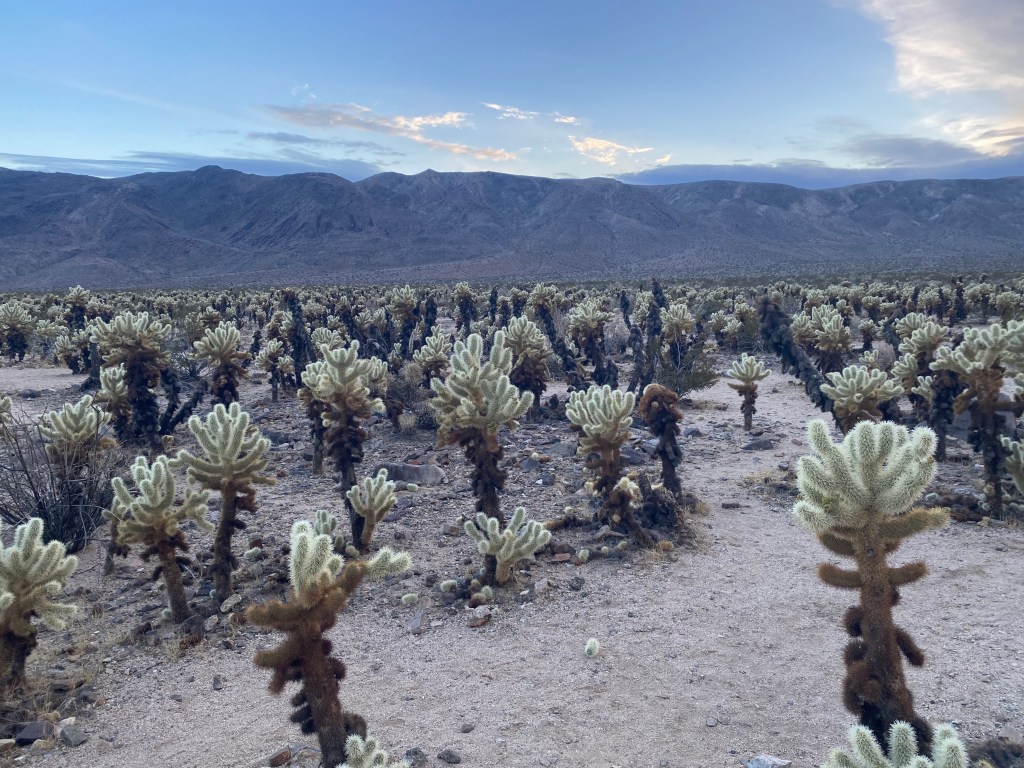
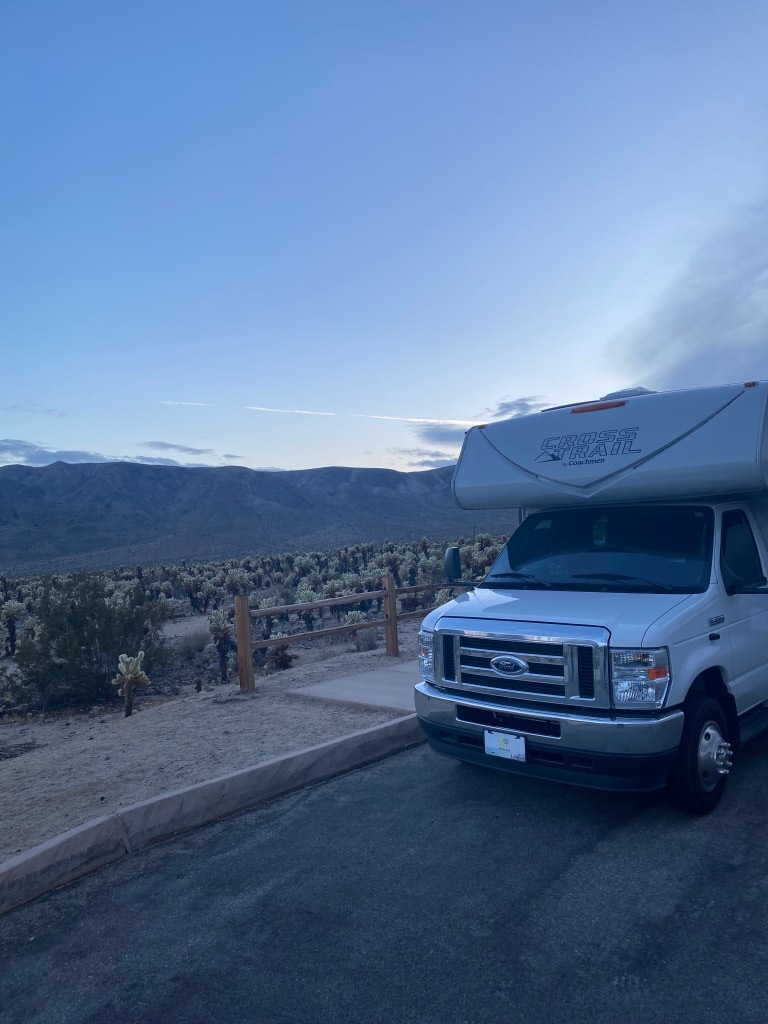


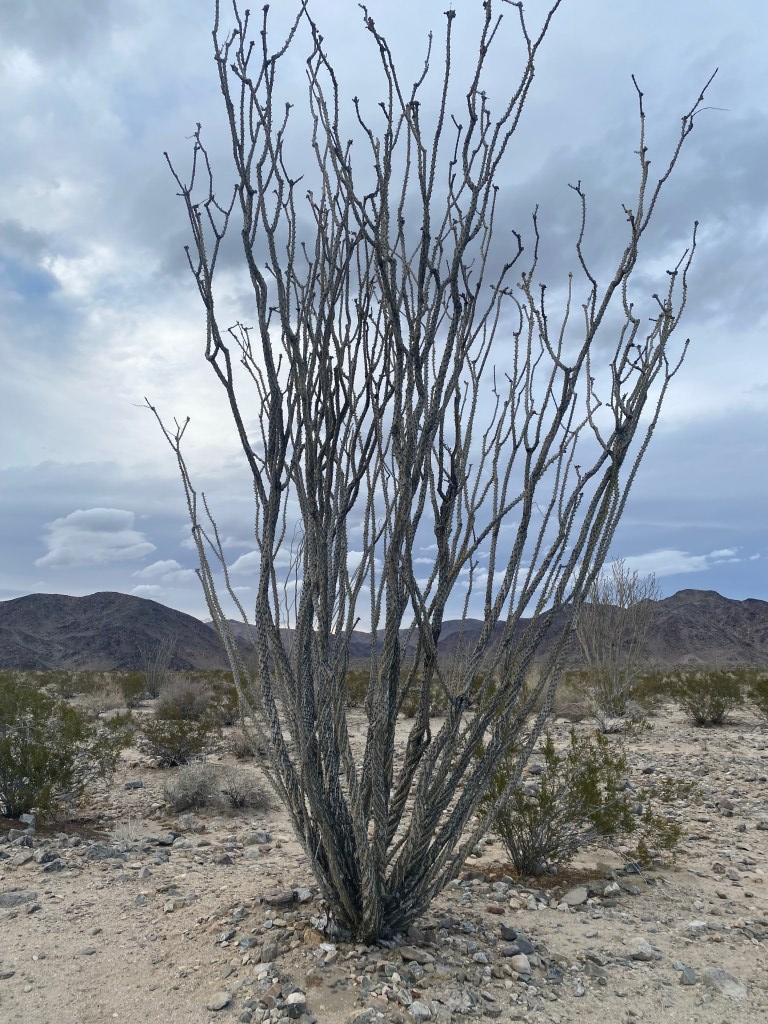
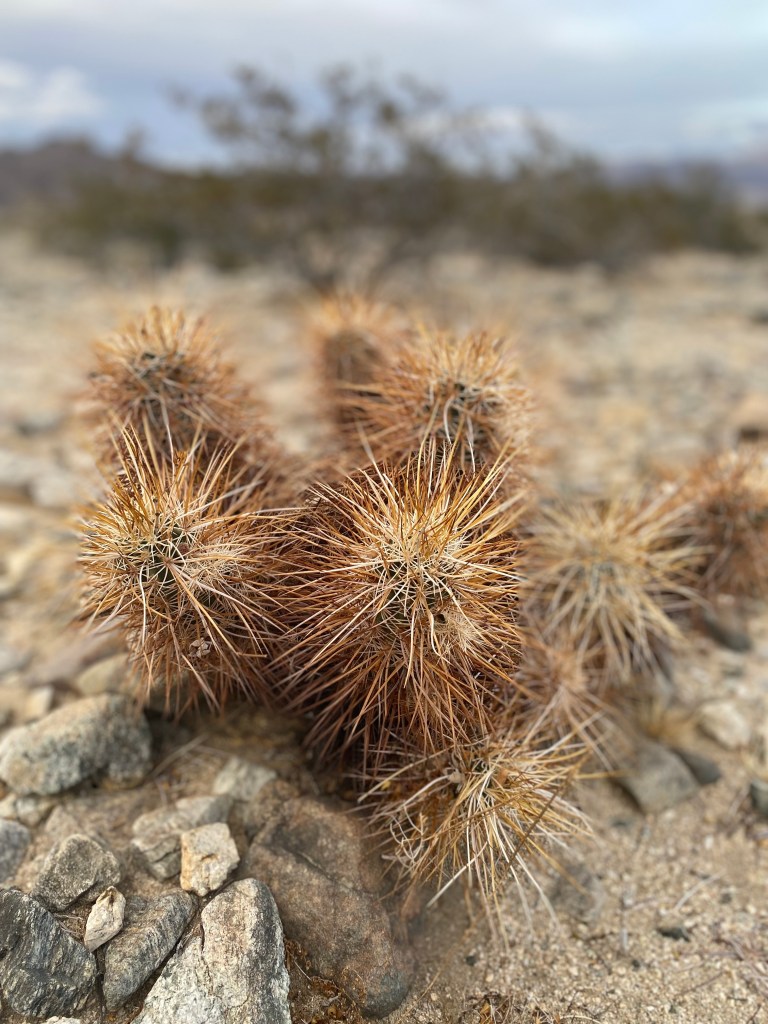

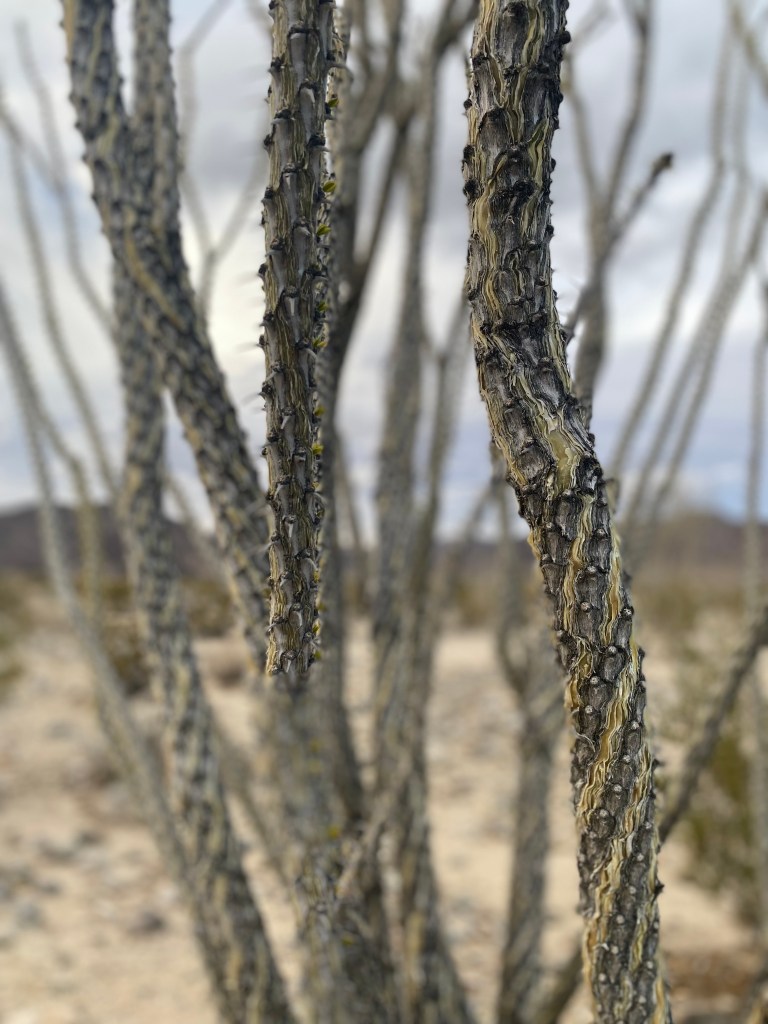

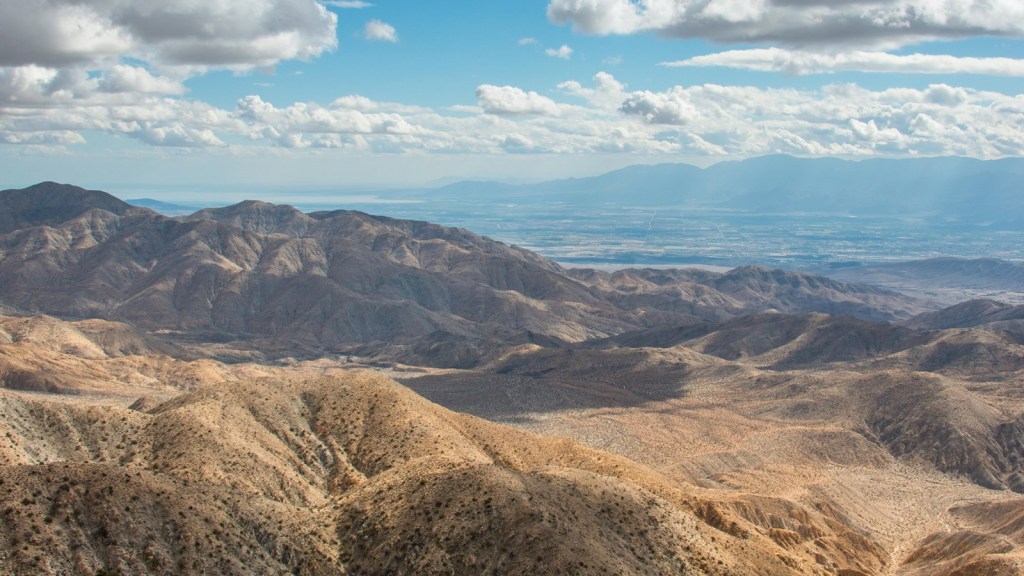


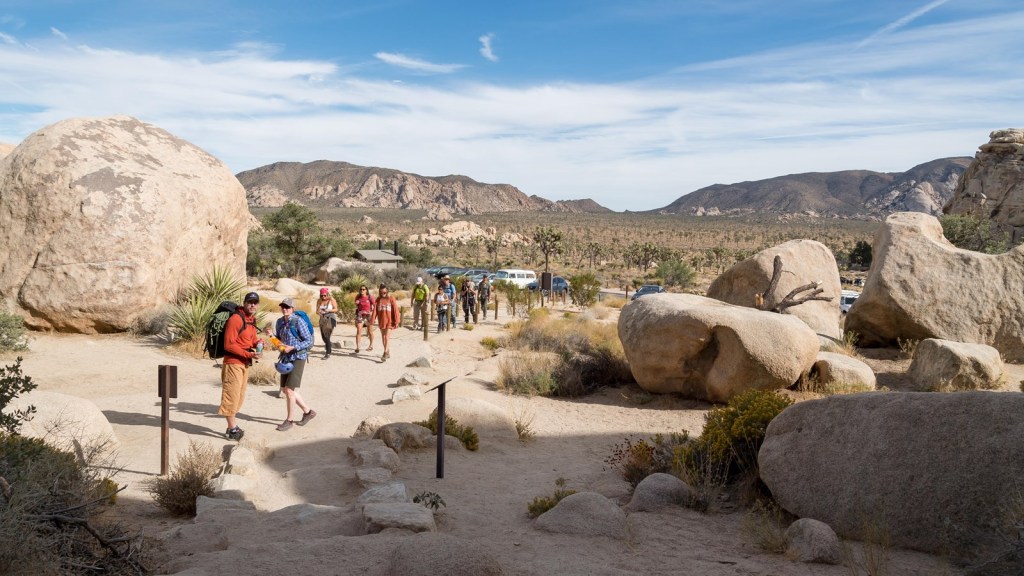
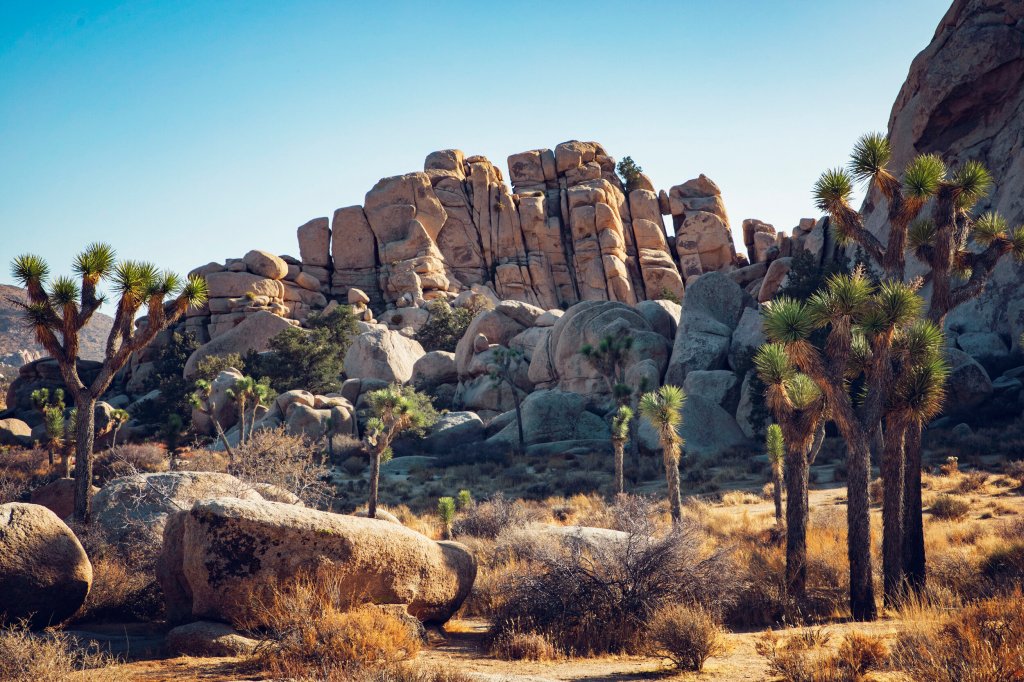


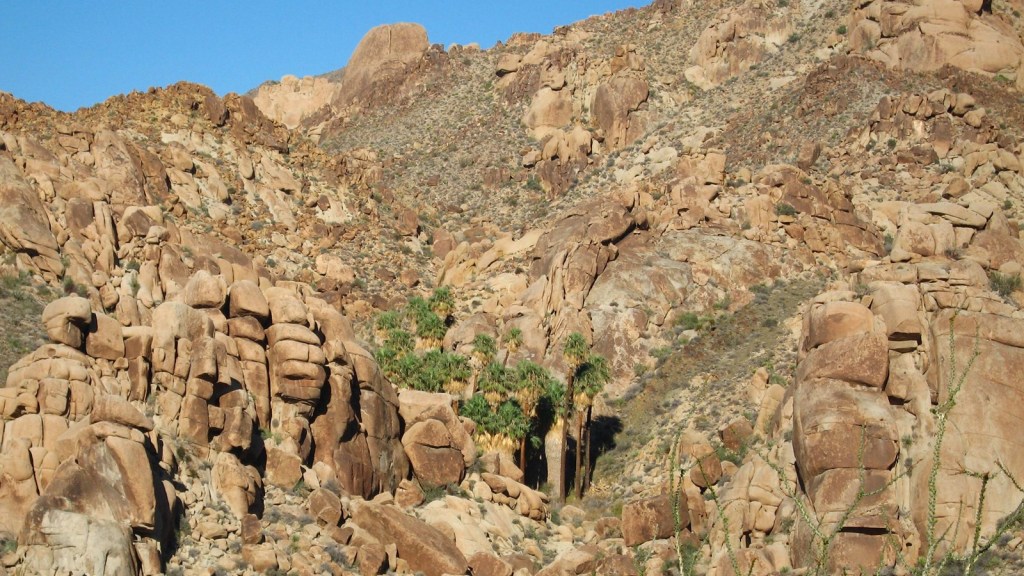

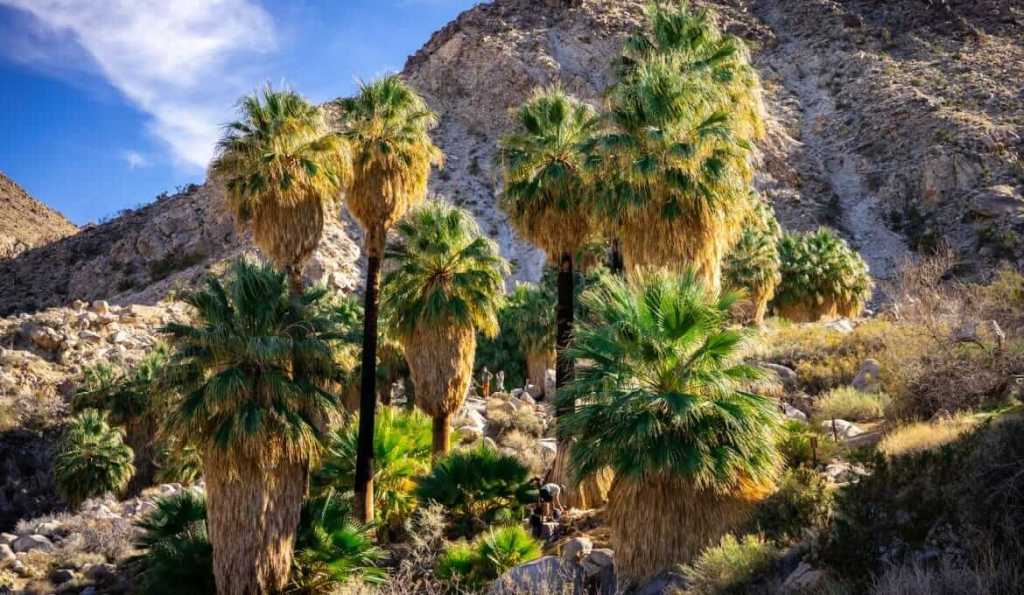
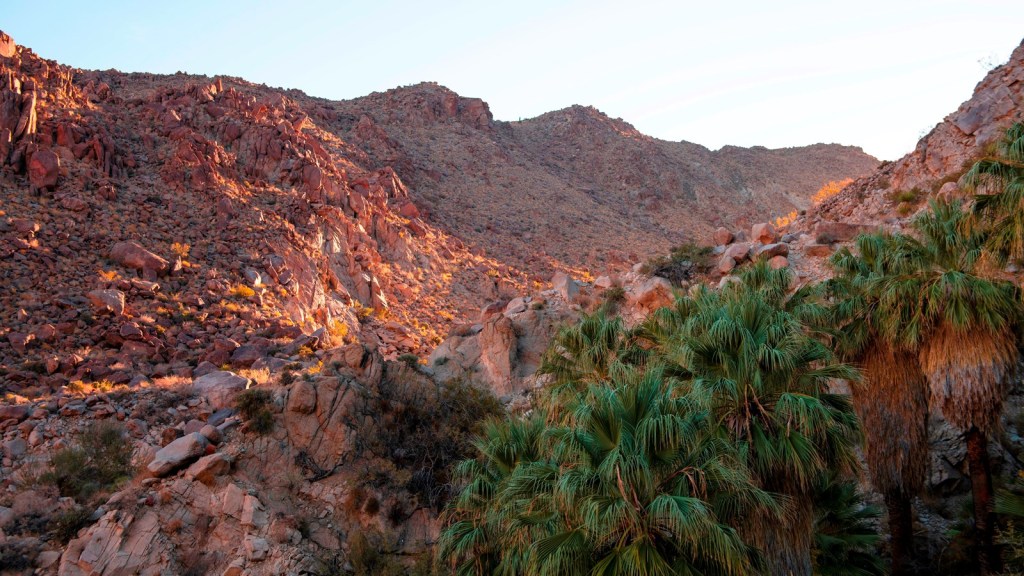
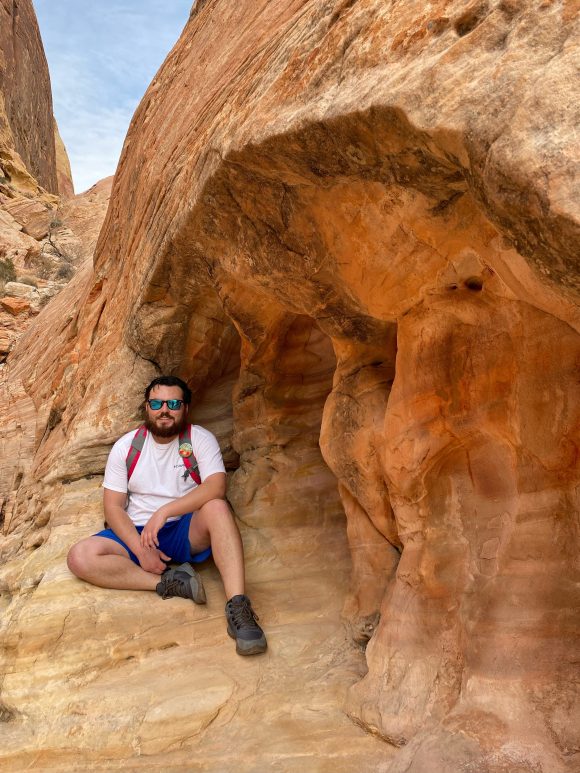

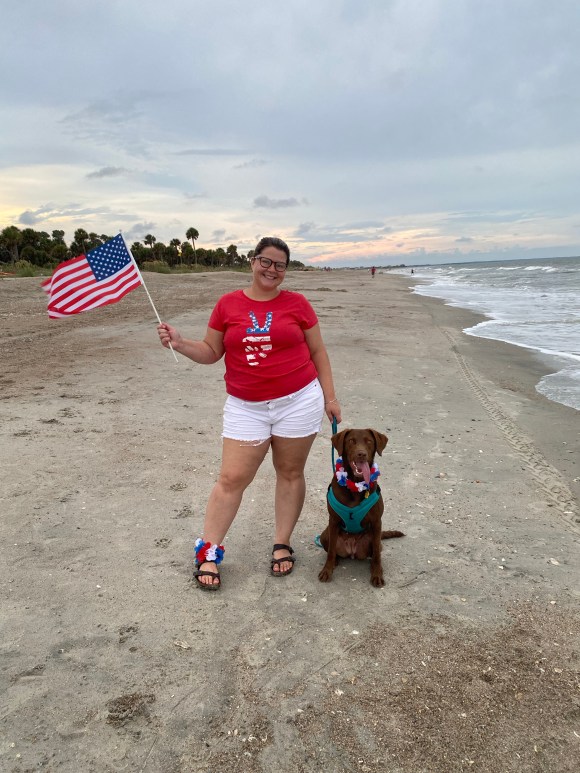


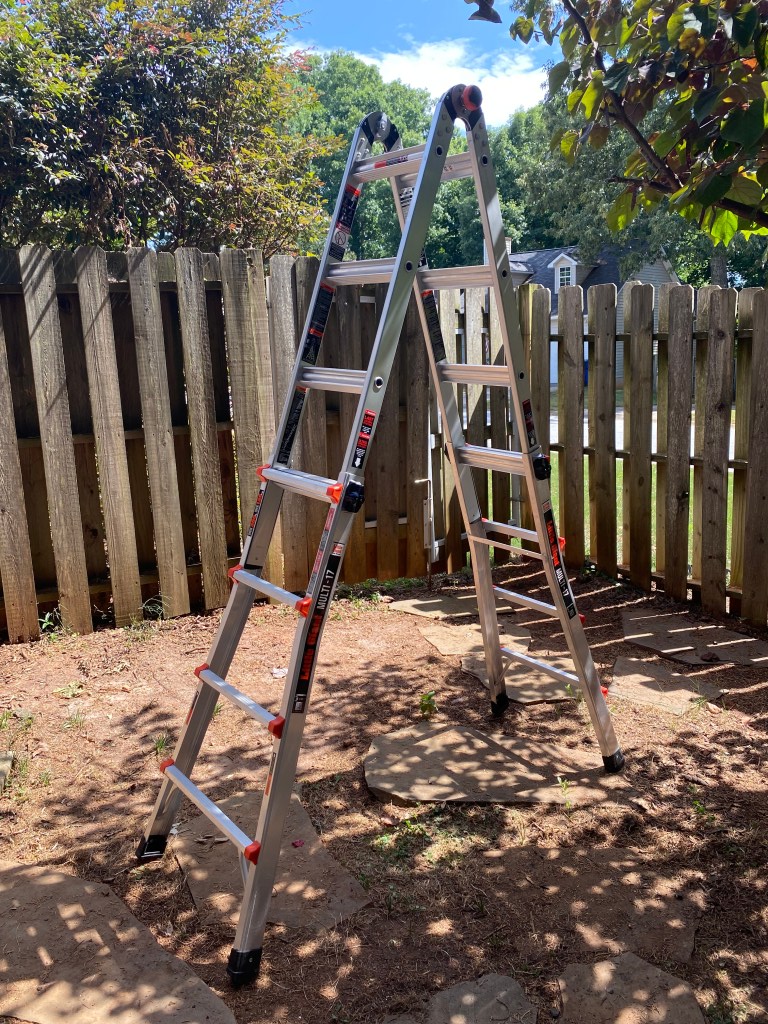

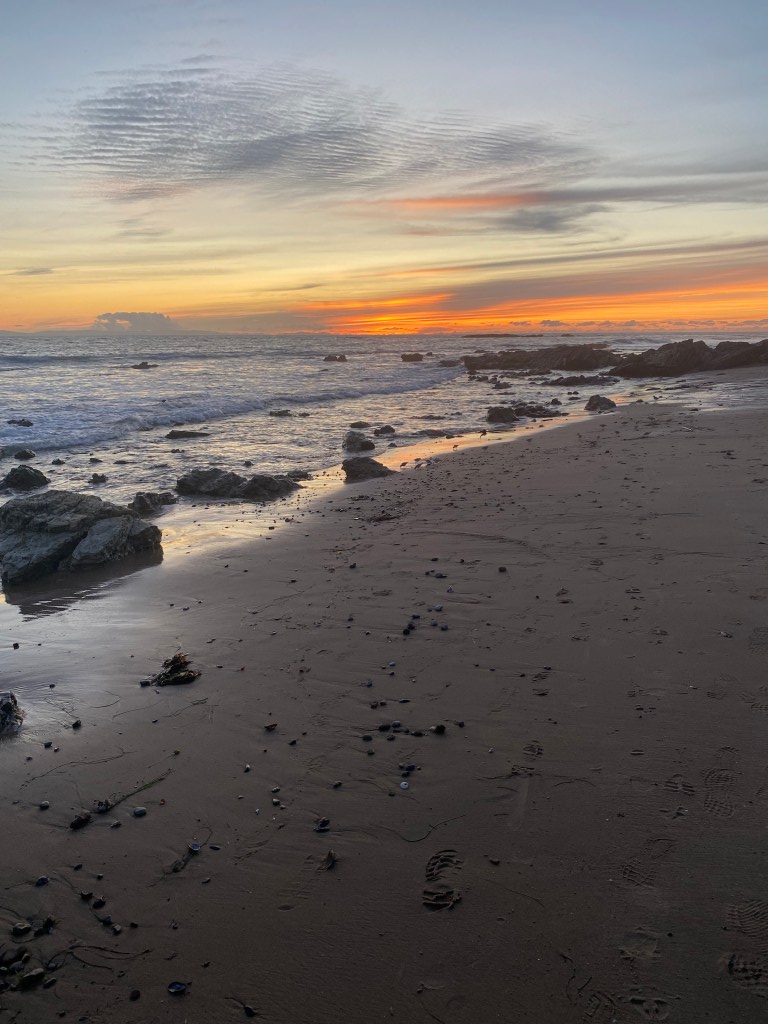


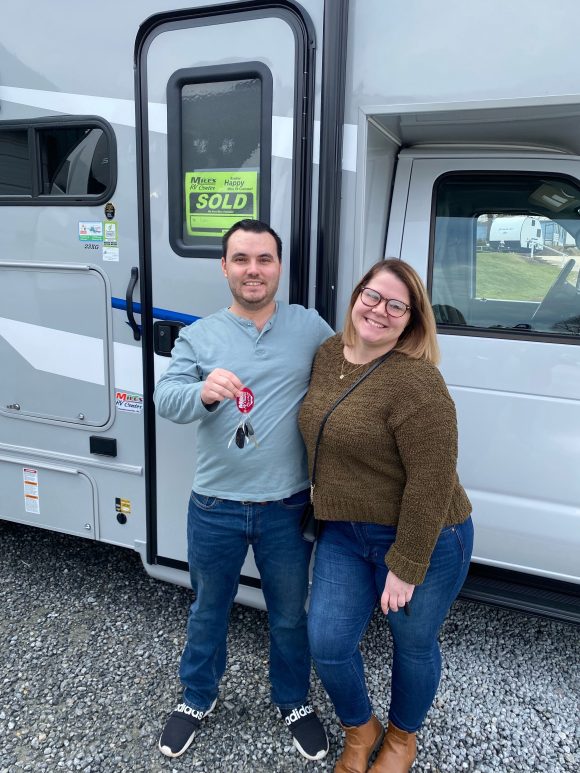
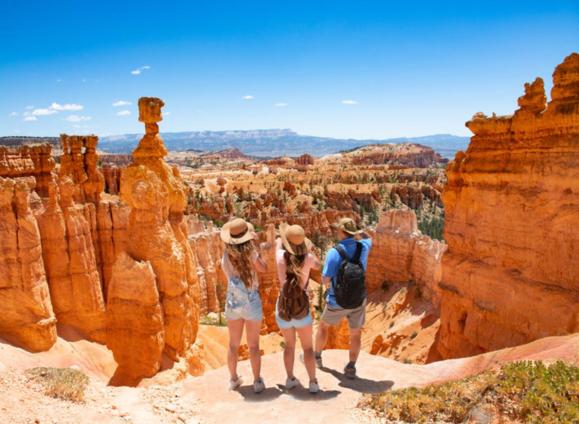




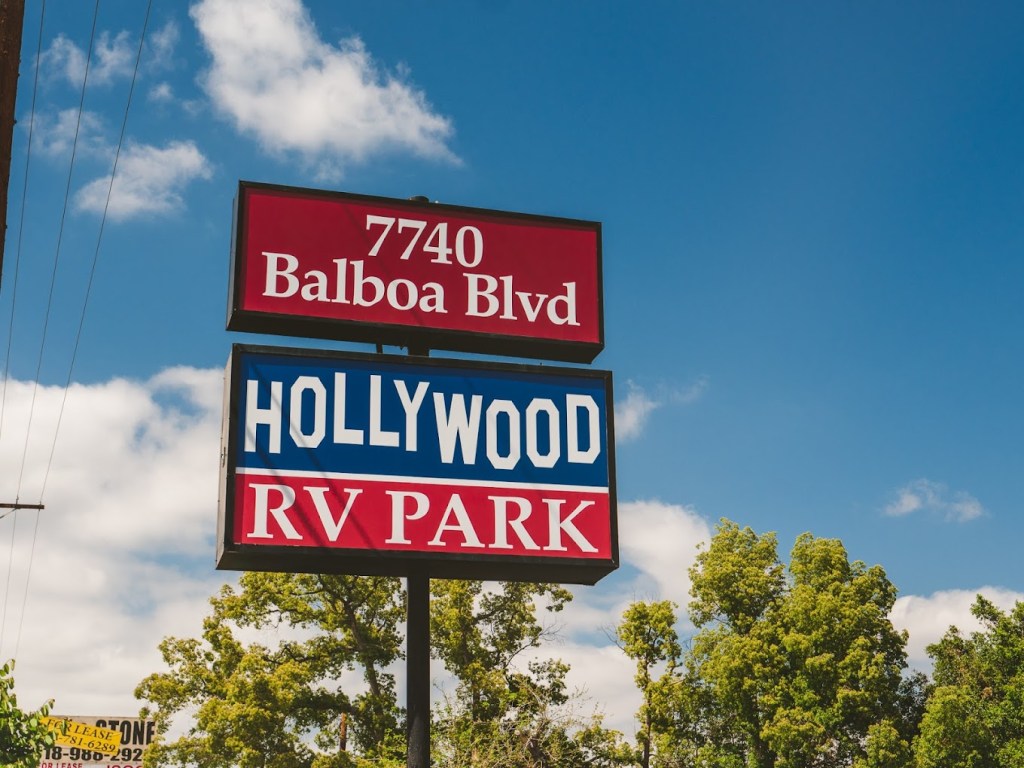
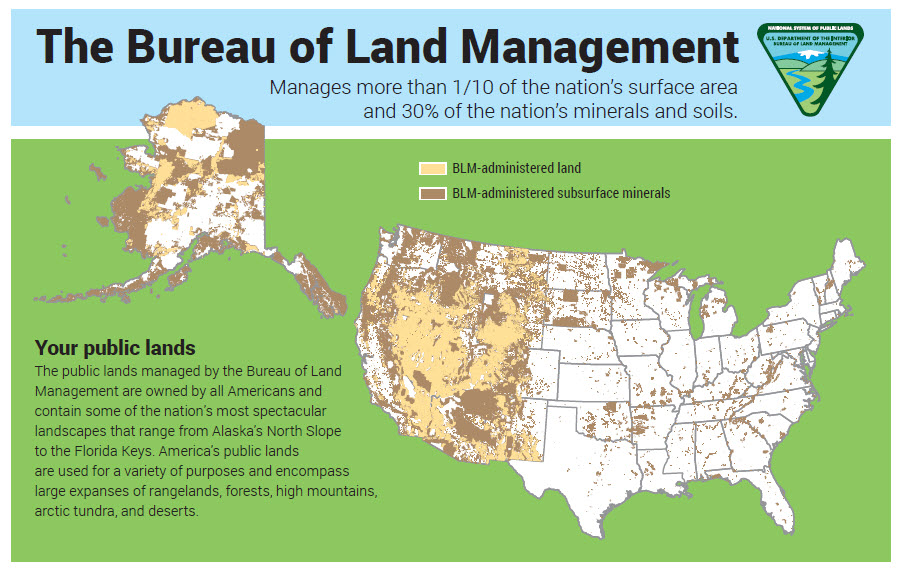











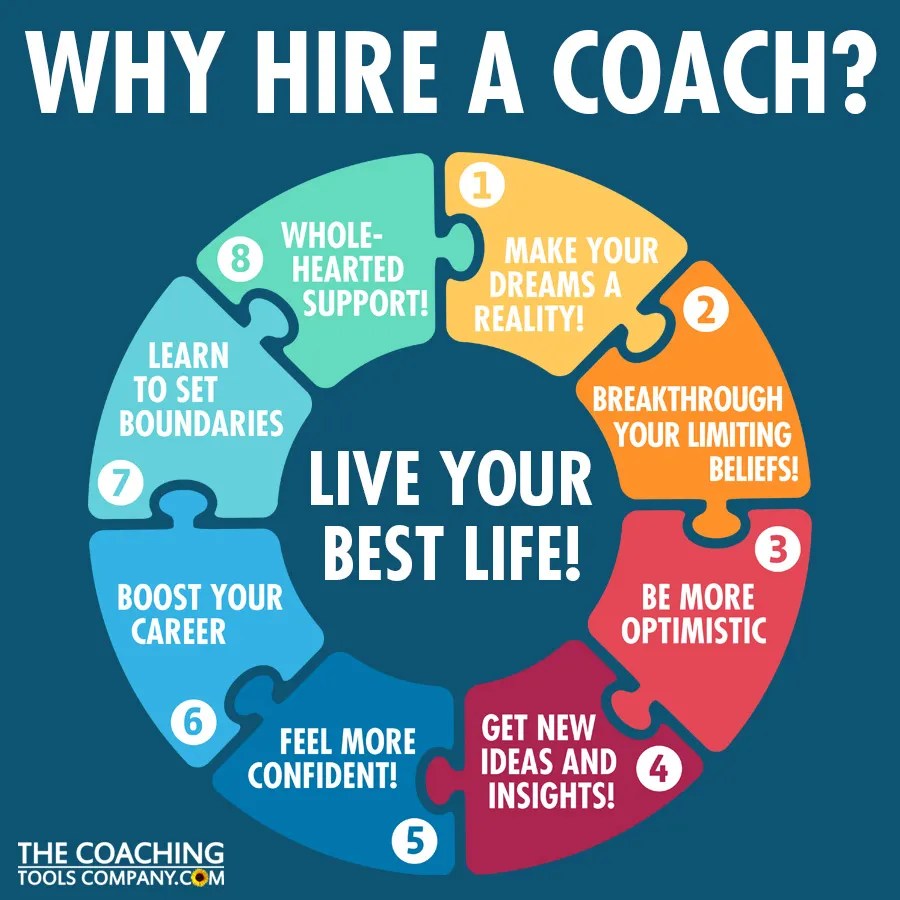







![10 Tricks for the [Perfect Trip]](https://noplacelikegone.com/wp-content/uploads/2023/12/d3423-wp-10-tricks-for-the-perfect-road-trip-1200-c397-1200-px.png?w=580)
![What’s Your [Camping] Type?](https://noplacelikegone.com/wp-content/uploads/2023/12/cac39-rvs-explained.jpeg?w=580)

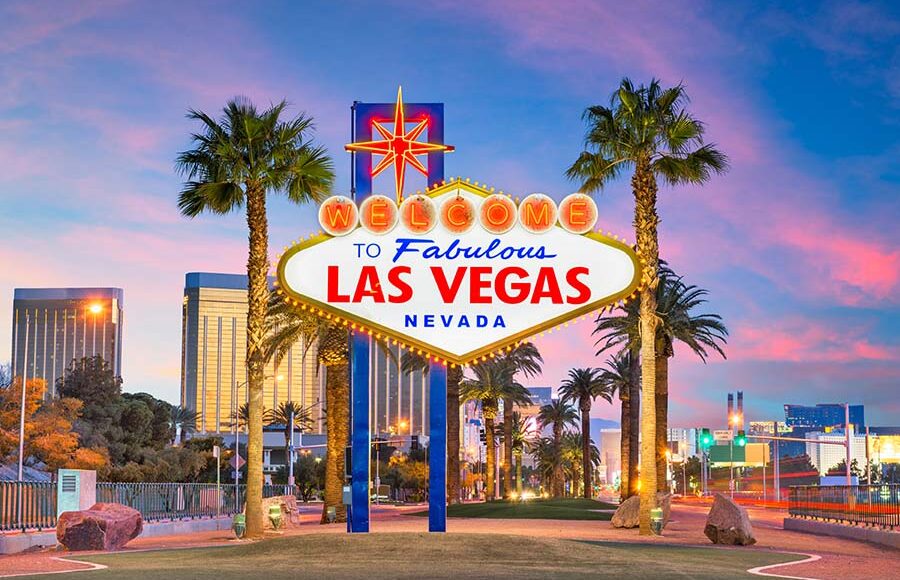




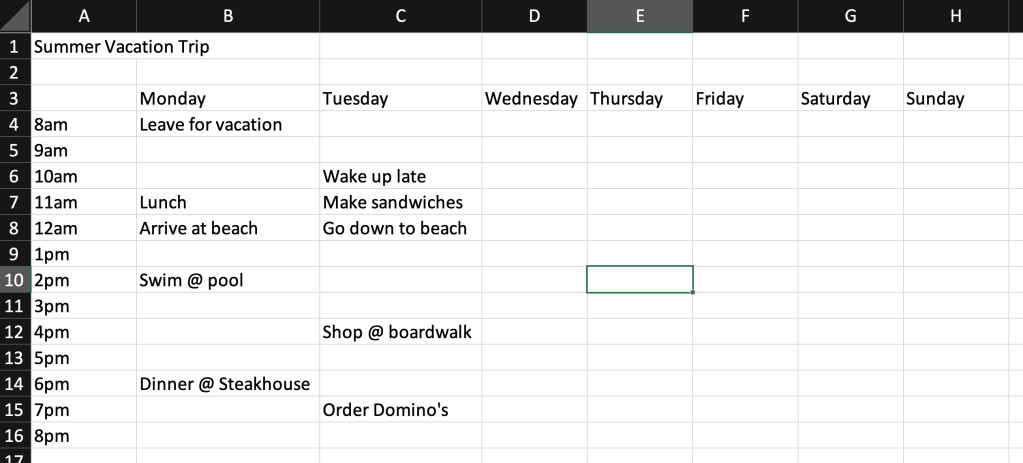

 No Place Like Gone