Wildwood is located off of Highway 20 just before reaching the oceanside town of Fort Bragg, California when coming from Willits and Ukiah in the east. Northern California is known for its breath taking redwood trees and this campground is immersed deep within an old growth forest.
A word of caution: Highway 20 is VERY curvy coming from the east. As in, hairpin turns at 20 mph max around every corner. For the seasoned driver these can be tackled easily with a bit of patience and fínese but if you’ve got a large rig or are not 100% comfortable driving your RV yet, I would avoid coming in on highway 20.
After driving the windy mountain road pulling into the campground and meeting Jessica at the office was a welcomed relief – she greeted us with a warm smile & checked us in. Because the campground only requires a reservation deposit at booking, she processed the remainder of our campground fees and gave us a guide to the local area – “101 Things To Do in Mendocino County.” She gave some local recommendations includingprincess seafood market, Glass Beach, and the sea glass museum, she then radioed for Travis & Casey.
Travis and Casey greeted us on a gator golf cart and escorted us to our site. The communicated via walkie talkie and helped us back into our spot – number 67. We were able to join the “parked it on the first try club” & were congratulated with a fist bump from Travis. He then showed us our utility locations and helped us get plugged in.
The gravel site was mostly level but we did use a few leveling blocks on the rear to make it perfect. Some sites had a pretty significant slope so it is probably a good idea to pack extra leveling blocks, even if you have auto levelers.
We settled into our spot easily and took a walk around the campground. It was built in the 1970s and has all the vintage charm of the era. Yellow hand painted signs made of redwood slices number the sites and point out hiking trails as well as the restrooms. There are coin operated showers in the bathhouse so be sure to bring spare quarters if you plan on using the facilities.
Around the corner from the bathhouse is a stage and communal fire pit. We were treated to campground karaoke during the holiday weekend – Disney songs were a hit with the families camping.
We enjoyed cool days under the redwoods as temperatures nearby broke 100* F. We took advantage of the on-site hiking trails a few times during our stay. There is a pond with a family of otters on the property and if you’re lucky you might get to see them.
If you’re really lucky you’ll be able to meet “Spirit” the three legged tabby cat. We didn’t ask what happened to his leg – that seemed rude – but he stopped by a few times to ask us for pets and head scratches – we gladly obliged.
Everyone was SO friendly – the staff and the fellow campers. We enjoyed s’mores one night with our neighbors across the way & spoke to many of our neighbors in passing. There are several permanent residents on the west side of the park, they have a separate entrance and are separate from the short term campground area. Trash is picked up right from your site, just set the provided can at the end of your site and the guys pick it up each evening for you – this makes sure no hungry critters get in during the night. Beware this is bear country!
Travis, who we later learned is the new owner & manager, stopped by several times throughout our stay to check on us, even bringing us firewood directly to our site in the gator golf cart. Fire wood is $15 for a whole cord of wood and your first bundle is free! Our bundle was stacked & waiting for us next to the fire ring when we arrived. We learned Travis, the owner, even personally drove a family up to town when they were having car issues late in the evening and Uber wasn’t available. The customer service, willingness to help, and attention to detail here is unmatched.
Speaking of Uber, don’t depend on ride-share or cell signal here. Cell signal is not available for most carriers. There is 4G reception with Verizon ONLY. Our verizon phone hotspots worked surprising well and we were able to get on Zoom calls and such but there was definitely no star link coverage with the large tree canopies filling the sky.
Speaking of the trees, that was the best part! We were able to camp right under the enormous redwood trees and take in their beauty right from our campsite. Many afternoons were spent by the fire watching birds flit around the redwood trees. If you’re in to the more unique creatures – banana slugs were frequent visitors; slimy but harmless – and kinda cool to watch as they slowly make their way around. These slugs are native only to the redwood forests on the west coast and are bright yellow, sometimes with spots.
Overall, we give this campground a 10/10! The over the top customer service was soooo appreciated and was a huge contrast to other places we’ve camped. The redwoods provided a picturesque & relaxing backdrop, I even broke out my hammock. This is the only campground in the redwoods in close proximity to Fort Bragg & Glass Beach which is less than a 10 minute drive away. We enjoyed hunting for sea glass at this famous beach!
Travis & Kay have big plans for the future of the park including adding live music events on the weekend & opening a camp store. If you’re ever in the area, please check this place out and tell Travis & Kay we said hi!
National Parks are incredible and almost other-worldly. If you haven’t visited one yet, make sure you add one or two to your summer plans now. We’ve been lucky enough to camp at 10 national parks so far, and every single one of them in the national park system have been incredible.
Theodore Roosevelt, often called “the conservation president,” impacted the National Park System well beyond his term in office. He doubled the number of sites within the National Park System during his time in office. Between 1901 & 1909, President Teddy Roosevelt signed legislation establishing five new national parks within the National Park System: Crater Lake, Oregon; Wind Cave, South Dakota; Sullys Hill, North Dakota (later re-designated a game preserve); Mesa Verde, Colorado; and Platt, Oklahoma (now part of Chickasaw National Recreation Area). By the end of his term the US was the proud protector of
There is nothing so American as our national parks … The fundamental idea behind the parks … is that the country belongs to the people, that it is in process of making for the enrichment of the lives of all of us.
Teddy Roosevelt
We’re going to show you all of the current national parks by state with images and short explanations. If you’re looking for the ultimate adventure, then this list is where to start with the national park system.
Advertisements
Please consider joining the gone community by subscribing below & following us on social media. It’s 100% free, and well worth the price of admission. We’ll update you with the newest RV lifestyle stories, tips and tricks, mental wellness tips, and so much more. DMs are always open to chat, and we’ll answer any questions you have about this lifestyle – it doesn’t have to be scary! We also promise not to spam your inbox with junk – we don’t care for that either.
Denali National ParkGates of the Arctic National Park and PreserveGlacier Bay National ParkKatmai National ParkKenai Fjords National ParkKobuk Valley National ParkLake Clark National ParkWrangell-St. Elias National Park
Wouldn’t you love to wash up on this shore at American Samoa National?National Park of American Samoa
National Park of American Samoa, American Samoa
Arizona
We went to the Grand Canyon in December 2022 – incredible!Grand Canyon National Park, ArizonaSagauro National ParkPetrified Forest National ParkPetrified Forest National Park, Arizona
Grand Canyon National Park, Arizona
Petrified Forest National Park, Arizona
Saguaro National Park, Arizona
Arkansas
Hot Springs National Park, ArkansasHot Springs National Park, Arkansas
Hot Springs National Park, Arkansas
Advertisements
California
Channel Islands National ParkKings Canyon National ParkMe at Zabriskie Point in Death Valley, January 2023Death Valley National ParkJoshua Tree National ParkMe at the Palm Oasis, Joshua Tree, March 2023Lassen Volcanic National ParkLassen Volcanic National ParkPinnacles National ParkRV’s can’t fit through Redwood trees, LOL, Redwood National ParkRedwood National ParkEl Capitan, Yosemite National ParkGeneral Sherman Tree (the world’s largest tree) at Sequoia National Park
Black Canyon of the Gunnison National ParkRocky Mountain National ParkGreat Sand Dunes National ParkOur Luna at Great Sand Dunes National, November 2022Mesa Verde National Park
Black Canyon of the Gunnison National Park, Colorado
The climate is tropical in Biscayne National ParkBiscayne National ParkEverglades National ParkMarsh swamps in Everglades National ParkDry Tortugas National Park
Biscayne National Park, Florida
Dry Tortugas National Park, Florida
Everglades National Park, Florida
Hawaii
Haleakala National ParkA barren landscape in Haleakala National ParkHawai’i Volcanos National ParkWaterfall and spring at Hawai’i Volcanoes National Park
Haleakala National Park, Hawaii
Hawai’i Volcanoes National Park, Hawaii
Advertisements
Idaho
Grand Prismatic Spring in Yellowstone National ParkYellowstone National ParkGeysers spray hot spring water in all directions at Yellowstone National Park
Yellowstone National Park, Idaho, Montana, and Wyoming
Kentucky
A shot we took of former mining operations while in cave at Mammoth Cave National Park
Great Smoky Mountains National Park, North Carolina and Tennessee
Texas
Under the starts at Big Bend National ParkBig Bend National ParkGuadalupe National Park
Big Bend National Park, Texas
Guadalupe Mountains National Park, Texas
Utah
Arches National ParkBryce Canyon National ParkCanyonlands National ParkHorseshoe Bend at Canyonlands National ParkCapitol Reef National ParkA cave within Zion National ParkZion National Park
Virgin Islands National ParkBeautiful Palms at Virigin Islands National Park
Virgin Islands National Park, Virgin Islands
Virginia
Shenandoah National ParkSprawling hills of Shenandoah National Park
Shenandoah National Park, Virginia
Washington
The beach at sunset at Olympic National ParkOlympic National ParkExcellent trail view at North Cascades National ParkNorth Cascades National ParkMount Rainier National Park
We have merchandise now! Everything from stickers, water bottles, RV pillows, blankets, and plenty of clothing options (t-shirts, shorts, yoga pants, sports bras, hoodies, and more!)
You can click the above green hyperlink, any of the below images, or copy and paste the link below into a new browser window. Any of these will get you to our new merch store – and we know you’ll find something awesome!
Pictured above are all of the 6x custom designs that we have. These are all sample images of the merch we currently are selling, although plenty of other colors, sizes, and products are available on our official store!
If you haven’t used a RV before, it can be a little intimidating. We’ve been there too (we all started as newbies!), so today we’re bringing you this RV guide for beginners to help make the process painless. After reading this RV guide, you’ll learn how to setup your campsite and all the needed utilities for a RV. This will get you out in the great outdoors and finding your next adventure in no time. We’re Matt & Bree with No Place Like Gone, and we’ve been living and traveling the US full-time in a RV for almost a year now, here are our tips for setting up an RV for the first time.
Time to read:
9–13 minutes
Please consider joining the gone community by subscribing below & following us on social media. It’s 100% free, and well worth the price of admission. We’ll update you with the newest RV lifestyle stories, tips and tricks, mental wellness tips, and so much more. DMs are always open to chat, and we’ll answer any questions you have about this lifestyle – it doesn’t have to be scary! We also promise not to spam your inbox with junk – we don’t care for that either.
If you have any questions while reading this RV guide, make sure to shoot us a DM on social media with the below links:
Below are the basic steps of RV set up, from pulling in to the campground to roasting those s’mores. Keep reading for a detailed description of each step.
Arrive at campground
Find site number
Park in site
Level
Release slides (if you have them)
Hook up your utilities
Electricity
Water
Sewer
Enjoy camping!
Arriving at the Campsite
Our RV parked in a campsite in SoCal.
Once you get to the campground you’ve decided to stay at, you’ll have to find where your campsite number is.
Generally, numbering starts from smallest to largest and increases the further you drive. Go slow and pay attention to directional signs. Once you find your campsite, park in front of it but make sure you aren’t blocking the road. You’ll want to hop out to walk the perimeter of the campsite before parking.
Look for where the utilities are located in the campsite (electricity, water, sewer) but keep in mind not all campsites will have all three. Confirm where the utilities hook up on your RV or camper (typically on the driver’s side).
Check and see whether it’s easier to pull-in or back-in to the spot, typically you can tell by how the campsite is angled against the road – the utilities will also help determine this.
Park Your RV With This Guide
If you aren’t by yourself, you’re in luck (for many reasons). The person with you should hop out so that they can help guide you into the spot. Parking an RV takes teamwork! This is especially important when you are guiding your RV back into a spot. Instead of shouting throughout the campground, it’s best if you get on the phone to communicate directions with each other.
Backing up a trailer is no easy feat for a newbie – it takes practice AND patience.
Once backed into the spot, give yourself a pat on the back! If you managed to miss hitting anything, give yourself another pat on the belly … it’s dinner time! Well, first you have to hook the RV up to power, water, and all of the other things but you’ll be bbq’ing in no time.
RV Leveling Guide
You’ll want to make sure the RV is level so that you don’t trip, get hurt, or feel wobbly. There’s also other benefits behind this like water and propane flowing properly as well. If your fridge runs off of propane it is especially important to be level to prevent damage to your appliance.
If you’re renting a RV or camper, you might not have the right equipment to level. Make sure to check with who you have rented fromif to confirm they provided leveling instructions.
Auto-Levelers
One type of auto-leveler.Another type of auto-leveler.
If you have auto-levelers, you are the luckiest of all. You would know this because they are a huge deal in the world of RVs. With auto-levelers you can press a few buttons and be leveled within a minute or two. That makes things easy, right?
Jack Stands
With automatic jack stands, you can press the buttons to maneuver the jack stands down onto the ground to help you level and support your RV. If you have manual jack stands, you’ll have to use an impact drill or lever to turn the jacks to the proper height on each side.
Leveling Blocks
10-pack of Camco leveling blocks. Click the image above to be taken to the blocks we recommend on Amazon.
We use leveling blocks because we’re cheap, woo! With these, you’ll have to pull up onto the blocks and check your levels a few times until you get it right. The blocks interlock and stack just like legos, nothing fancy here, folks.
Quick Guide to Slide-Outs
Slide-outs are a great way to gain additional space in your RV’s floor plan. Many rigs have 2-3 slide-outs and there’s also some without any. We live full-time in a 2022 Coachmen Cross Trail 23XG which is a model with no slide-outs.
Our motorhome: 2022 Coachmen Cross Trail 23XG in Jacksonville, FL.
You’ll want to make sure that how you parked allows adequate room for the slide-outs on each side. This will mean that you can not be parked too close to trees or any other obstructions.
Insider tip: Typically you’ll have to leave the engine running of your motorhome to operate the slides, whereas campers and travel trailers do not have this problem.
By finding the slide-out control panel (probably located in the interior of the entrance to your RV) you can operate the slide-outs with the buttons. Make sure that you don’t hear any crazy or weird noises as they are extending out.
Insider tip: You can also open the windows so that you can watch as the slides come out. This will give you extra views to watch any trees or potential danger objects.
Utilities Guide for RVs
Electrical Hook-up
We’re going to have a crash course on RV utilities. Make sure you have all the proper RV accessories and necessities if you are new to camping so that you don’t have any issues when you get to the campsite.
For the renters: if you’re renting, you should have a water hose, sewer hose, power cord, and potentially other accessories with your RV. Make sure to check with who you’ve rented from to confirm what came with your rental.
An electrical surge protector is highly recommended. Click the image to see the one we use from Amazon.
You’ll want to hook up your electrical surge protector and flick on the 30A or 50A breaker depending on what your RV or camper is. You’ll find this out by which cord you have – it’s either 3-prongs or 4-prongs.
50A with four prongs (far left), 30A with three prongs (middle), 15/20A is a house electrical outlet (far right).
Do not hook up your RV or camper power cord yet! You should only be putting an electrical surge protector to the power pedestal (a sophisticated word for “electrical hook-up”).
Flick on the 30A or 50A depending on your cord, and check if the power is all green lights and safe to use. Otherwise, bring up any grounding issues or faulty electrical problems to the campground staff immediately.
Once your surge protector gives you an A-O-K, it’s time to move on to the power cord. Flick off the 30A or 50A breaker (depending on which one you turned on) to connect your power cord to the surge protector. After, connect the other side of the power cord to your RV electrical connection port. Now is time for the power – flick the corresponding breaker from back on.
Water Connections
A water pressure regulator is recommended to protect the plumbing in your RV. Click the image to see the one we recommend on Amazon.A water filter guarantees you’ll have cleaner water coming into your RV. You’ll want this if you plan to drink the water. Click the image to see the one we recommend on Amazon.
You’ll want to start with turning on your water spigot at the campsite to verify that it works. Let it run for 20-30 seconds to remove any sediment and water that may be settled down in the pipe. Now you can turn it back off.
It’s time to connect your water pressure regulator. One end of the water hose will then connect to the water pressure regulator, and the other end to the water connection on your rig (another word for RV). Be sure to look for the connection that says “city connection” or something similar and NOT “tank fill” – otherwise you’ll be filing your fresh water tank only!
Now you can jump for joy because all you have remaining for this section of the RV guide is to turn on the water and hope for plumbing to do its job. If you notice any leaks or spraying, turn off the water and try to tighten the connection where you saw an issue. Usually this is a simple and quick fix.
Sewer Connections
Remember, not all campsites will have all of these utility connections. Sewer is the least common to see, but many places that are more expensive do have a hook-up for this. If you want to know what van life is actually like, you may end up with poop on you at this point. Just warning you now so that you are prepared for the inevitable.
You’ll want to put one end of the sewer hose aka stinky slinky (lol, it literally is one though) to the waste connection on your RV. This will be a black plastic valve somewhere under the RV near the other utilities at the rear.
MAKE SURE THE SEWER VALVE HANDLES ARE CLOSED! There should be two of them and both should be closed or you will end up with a mess on your hands.
After connecting to your RV, place the other end of the poop slinky (I coined this term) down into the campsite sewer connection on the ground. From here you can let the tanks fill and dump once or you can let the gray drain while you’re parked. If you opt to leave the gray open (sink and shower waste) be sure temperatures won’t be dropping below freezing. Whether you dump once or leave the gray open, you have to leave the black tank (toilet and poop) valve closed and only dump it when you’re ready.
Insider tip: When you go to leave, you’ll always drain the black tank first and then the grey tank after because the sink water will help wash down the poop hose and any potential clogs.
Our new camping merch will level you up from RV beginner to RV pro.
Get to Camping!
That’s basically it … you’ve made it through this RV Setup Guide for Beginners. It wasn’t that bad, was it?
There’s plenty more to learn about this lifestyle, and we want to share it all with you. But the very best way to learn about it – go on a camping trip yourself!
And, we really want to hear about your adventure. If you’re reading this guide, that means you’re probably about to go somewhere awesome very soon. So, where are you camping? Tell us about it in the comments below.
Where Will Your Next Adventure Be After Reading Our RV Guide?
If you liked the blog, please share it with your friends (links below):
Please consider joining the gone community by subscribing below & following us on social media. It’s 100% free, and well worth the price of admission. We’ll update you with the newest RV lifestyle stories, tips and tricks, mental wellness tips, and so much more. DMs are always open to chat, and we’ll answer any questions you have about this lifestyle – it doesn’t have to be scary! We also promise not to spam your inbox with junk – we don’t care for that either.
DM us on social media (with the buttons below) if you have any questions or feedback about the blog today!
We’ve been living the RV lifestyle full-time for close to a year now. We sold the house, the cars, virtually all material possessions; all in pursuit of a lifestyle full of travel and endless adventure. Do we sound crazy for doing this? Of course. But we aren’t the only ones running away from the traditional norms of society. Plenty of people are hopping on the bandwagon (or RV-wagon), especially after COVID and in light of the current housing market trends.
Time to read:
7–10 minutes
Advertisements
Please consider joining the gone community by subscribing below & following us on social media. It’s 100% free, and well worth the price of admission. We’ll update you with the newest RV lifestyle stories, tips and tricks, mental wellness tips, and so much more. DMs are always open to chat, and we’ll answer any questions you have about this lifestyle – it doesn’t have to be scary! We also promise not to spam your inbox with junk – we don’t care for that either.
Advertisements
The [Pros] of the RV Lifestyle
Our RV parked at a beautiful desert park – pro of the RV lifestyle.Working outside with a laptop – a “pro” of the RV lifestyle.Parking your RV on the beach is really satisfying.My happy place. The beach is 100 feet out of our front door – yeh, that’s a MAJOR pro to RV lifestyle. Oh, and our pitiful puppy Luna was sad she couldn’t get in the ocean. Don’t believe a word she says …
Monthly rates at most RV parks or campgrounds can easily be cheaper than the average mortgage. Most monthly rates are around $800 (or even less). This rate includes your lot rent, water, power, and waste in most cases.
You are mobile! With a motorhome, RV, or camper, you can take off on the open road anytime you’d like. You aren’t anchored to any specific location like you are in a house. If you’re tired of your surroundings or want to seek out better weather (looking at you snow birds) then you can put the pedal to the metal and chase the sunshine.
Taxes and insurance are MUCH cheaper on a RV as compared to a home. In 2020, the average single-family home taxes in America were close to $3,700. This is also combined with paying home insurance, which is close to $1,800 per year on average. We’re talking about $5,000 per year (or more) in taxes and fees for an average home. RVs and campers have the advantage of being tremendously less expensive in this category.
If you enjoy privacy, you can have more of it – all of the time! You won’t have to deal with nosey neighbors. We all know how this can go … Instead, camp out on BLM land or on a sprawling 500 acre farm with Harvest Hosts and you’ll enjoy the freedom to roam.
Keep your mind sharp: imagine a world where your surroundings can be different every week. That’s how we currently live – your life continues to feel shaken up and exciting because you can travel freely. I personally, got bored in the same old town doing the same old things after 26 years.
Story telling … release your inner storyteller by sharing stories about your travels. We’ve found ourselves stopping to pause when telling others stories about our epic adventures when we realize we’re talking about reality – punch me! Experience life, rather than being the one hearing about others experiencing life.
Create a flexible schedule that allows for travel, experience new things, and work a lot less. We find ourselves working a whole lot less than full-time right now, because we have built a lifestyle focused on experiences instead of a paycheck.
Travel with man’s best friend, Fido! Your pets can come along on your adventures when you live in a motorhome or camper. No longer will you have to leave them back home and get someone to dog sit for the weekend. They get to come along with you now!
Unlimited adventure is outside of your window. No, literally. When we wake up in the morning, we get to sit outside while we work with our internet hotspot. Working custom hours, choosing adventure more often, and chasing a lifestyle of freedom is a feeling you’ll come back to; no more sitting at an office cubicle, that’s for sure.
Chase a new career or passion like blogging, photography, or recording podcast episodes. Creativity is amplified by travel. Can you imagine trying to write blogs about the same hometown you live in every day? The content just doesn’t scale like it can when you travel.
The [Cons] of Livin’ in a Van Down by the River (RV Lifestyle)
Stress and anxiety about getting the BEST and largest house is very real.Receiving keys to a brand new home – the opposite of RV lifestyle.A giant sprawling house with 2000 square feet is what most people dream of – definitely a “con” against RV lifestyle.
Advertisements
RVs do not hold their value, as they are a depreciating asset (anything with wheels and motors is typically depreciating) The majority of homes will increase in value an average 3-4% per year, at a minimum they hold their current value.
The majority of RVs and campers are not built for all four seasons. This means that you will definitely notice hot summers and cold winters in a home on wheels – and it can be rough. However, there are RVs that are specifically made for all four seasons – Airstream is a great example of these.
RVs just aren’t built with the quality a home is. There are not nearly as many code regulations and inspectors focused on the build of RVs or campers. In a traditional home there is usually a city planning committee, plan examiners, codes that must be followed, and code inspectors that help hold a standard of quality.
You’ll get a TON more life out of a home. Sticks and bricks homes are built in a completely different way than most of your run-of-the-mill campers. Homes can last 100 years (some historic places have lasted longer!) compared to an RV which will deteriorate within 15-20 years – if you’re lucky.
Community is very hard to build while constantly traveling. We can speak first hand about this, we find ourselves feeling a little lonely sometimes while on the road. You’ll live a mostly digital lifestyle in an RV – where you interact with others on social media, blogs, and other online communities.
Finding regular health care services can be difficult while on the road, especially if traveling consistently. You’ll have to do in depth research on new cities to find available health care while you are there, and they can be weeks out when scheduling an appointment to see you.
Privacy can be seriously lacking when you stay next to others at certain RV parks. You’ll hear barking dogs, noisy neighbors banging around, and the couple next to you fighting while they try to back in. This can feel pretty reminciedt of life in a college frat dorm.
Complex budgeting can be a monthly hassle. We try to budget weekly, (at a minimum definitely once a month) so that we can stay on top of our spending and monthly budget. It will fluctuate month-to-month A LOT – especially if you are traveling frequently, so expect to spend a few hours here a month planning.
Advertisements
Speaking of budgets, we have a RV Life Budget sheet that is an example budget we’ve used before, and we give you a template where you can make your own next to example budget.
Enter your email below to sign up for updates to our blog, then you’ll be able to download the RV Life Budget sheet below.
We custom created our lines with the outdoors in mind. We carry everything from stickers, water bottles, RV pillows, to blankets. And there’s plenty of clothing options too – t-shirts, shorts, yoga pants, sports bras, hoodies, socks. All of our merch is perfect for the RV lifestyle that we live and breathe.
You can click the above hyperlink, any of the below images, or copy and paste the link below into a new browser window to shop (we try to make this thing as easy as possible.) Any of these will get you to our new merch store – and we hope you’ll find something to fit your fancy while you’re there! (If you don’t, shoot us a DM and let us know what you’d like to see us add to the list.)
Pictured above are all of the 6x custom designs that we have. These are all sample images of the merch we currently are selling. There’s plenty of other colors, sizes, and products available on our official store! Click above to shop now.
Advertisements
Thanks for taking the time to read our blog today. We hope you got plenty of useful tidbits and feel more confident about trying out this insane RV lifestyle (or more confident in your decision not to – ha!). If you want to keep the conversation going – shoot us a DM:
Please consider joining the gone community by subscribing below & following us on social media. It’s 100% free, and well worth the price of admission. We’ll update you with the newest RV lifestyle stories, tips and tricks, mental wellness tips, and so much more. DMs are always open to chat, and we’ll answer any questions you have about this lifestyle – it doesn’t have to be scary! We also promise not to spam your inbox with junk – we don’t care for that either.
<img alt="Matt with
Matt with No Place Like Gone
Hey! I’m the man behind the magic – A.K.A. the camera and blog. I’m also a purveyor of craft beer, grill master, and chief RV driver.
Without Further Ado … How to Save Money While Camping:
1. Recyle Your Dryer Sheets
You can use dryer sheets more than once. Pop them bad boys into the dryer for a load of clothes as normal. When your laundry is done and the sheet is dry replace it in the box to reuse next time! You can easily get three or four loads of great smelling laundry from the same sheet this way.
2. Save on You Energy Bill
When you leave on vacation, or for a weekend escape, unplug all of your small appliances like your Alexa, TVs, alarm clocks, and anything else you can reach! Don’t pay for that “phantom” energy.
3. A Gourmet Date
Next time you go on a date with a potential cutie pie, make sure to split the meal & the check. This saves a TON of money!
Advertisements
4. Stock Up on Sauces & Utensils
Next time you are at a local restaurant or order takeout, make sure to get extra napkins, utensils, and sauce packs in your bag to take home. Why buy this stuff at the grocery store when they are giving it away for free?
5. Old Fashion
If you have found yourself gaining weight and those old pants do not fit you anymore, don’t worry about buying a new pair. Instead, leave them unbuttoned & just use a shoe string to hold them onto your waist! No need to zip the zipper or button them up, or to waste money on the newest fashion trends!
6. It’s Raining Cats and Dogs!
Is your car looking a little dirty? Time for a wash? Check your local weather channel for the next time it will rain. When it does, run out there and wash your car with the assistance of Mother Nature! No garden hose required. This also applies for your pets, or yourself for that matter.
Advertisements
7. Got Junk?
You don’t need to buy trash bags – EVER. Instead, save grocery bags when you go shopping and use them for all of your trash needs! They’ll fit the majority of your small bathroom, & office trash cans. For the kitchen & larger bins, use these mini-bags to take trash out in smaller portions – this will keep your trash can from piling up too.
8. Re-wear Clothing
You can rewear the same outfit at least 3 times before you truly need to wash it. Especially if you aren’t sweating or doing any intense work! Jeans & thicker materials can go even longer.
9. Movie Popcorn
Advertisements
I’ll admit that I stole this one from a story Rachel Cruze of the Ramsey Show told, but it’s brilliant. Order a bag of popcorn from the movie theatre and enjoy your movie! When you leave, fold up the popcorn bag and put it in your pocket. Next time you see a movie, bring the used popcorn bag, pop it open, & get that free refill at the concessions. This hack allows you to only pay for that over-priced movie popcorn once with unlimited refills!
10. Restroom Etiquette
The rules for the bathroom goes as follows: if it’s yellow, let it mellow. If it’s brown, flush it down. This saves thousands on your water costs.
11. Ziplock Baggies
Don’t keep buying these bad boys. After you use one, rinse it out in the sink and let it air dry. Next time you need to store your favorite snack it’ll be clean like a brand new bag.
Advertisements
12. Interior Designer
Visit a couple of your local hardware stores and request free paint samples in a multitude of colors from each. Take the samples home and use them to paint your walls a new, lively rainbow – for FREE! Who said HGTV has all the tricks? Stay tuned in here.
13. Spooky Season
Right after Halloween, during the first two weeks of November is when they mark down all of the candy that didn’t sell. Stock up on all of your favorites at 50% off – or more. You can then use the leftover Halloween candy for Christmas stockings! The same concept applies for Valentines’ Day chocolates & Easter baskets.
14. Water Isn’t $3 a Bottle
After you have a nice Aquafina or Dasani bottled water bottle, refill it with tap water as much as you want instead of buying a fresh bottle. This works even better at a public place like school or work, where you don’t have to pay for the water yourself – FREE refills.
Advertisements
15. Hang Paper Towels Up for Later
Why keep buying those pesky paper squares if you can re-use them again later? Hang paper towels up to dry & then re-use them – you can easily get three of four uses out of paper towels before they begin to tear.
16. Wash Your Clothes in the Campground Shower
You can skip the laundromat after camping by just washing your stuff in the bath-house shower before you leave. Better yet, take a shower with some of the clothes on and you’ve slayed two birds with one stone.
Advertisements
17. Store Campground Water to Drink Later
You will have a water hook-up spigot at almost every RV campsite. If not, there’s definitely a water fill-up somewhere near the dump station. Make sure to fill up a few gallons of water in your left over water jugs & bottles for later. This saves you a few million dollars every week.
18. Free Coffee While Traveling
Stop into a local hotel to get some free coffee in the lobby. When you enter, you should see it sitting right out in the breakfast area. Just walk in, grab a cup, add sugar the way you like it, and head off. If they ask, you’re in room 301.
19. Who Uses Trash Bags, Man?
Advertisements
Next time you’re at the local dog park or see doggy relief stations, make sure to snatch up a few bags. You can use these for your dog later, as a food storage bag to put things in and tie closed, or as miniature trash bags – for FREE.
20. Try Carpool Trash Service
We’re pitching a new idea here – carpool trash service. Consider this a new service where you can drop off your trash and bags at your neighbor’s doorstep and they’ll take care of it bringing it to the dumpster for you. They have to go at some point anyway, so might as well save yourself the extra steps & effort.
21. Share the Warmth
Is it cold outside and you find yourself needing some warmth while camping? Check which of your neighbors left some firewood stacked outside and grab a few logs. This will help you stay warm, and they won’t mind – sharing is caring!
22. Luck o’ the Irish – FREE drinks
Did the neighbor leave out their cooler? Check what’s on tap – it might be a tasty new cider or a banger of an IPA. You never know. They won’t notice a few bottles missing & you’re getting to try out new beers you may have never had.
Advertisements
23. Be the Campground DJ
How much did you pay for your last concert ticket? Probably close to $200 per person, right? Why should you make everyone pay that much when you can become the campground DJ? Break out the bluetooth speaker, blare your music at full volume, and save your neighbors the concert ticket fees.
24. Puppy Play Day
We just had this happen to us at a campground and loved it. When you leave for the day to go sight-seeing, driving through the city, or doing a local hike, make sure you leave your camper windows wide open back at the park. Fido needs the fresh air and will also provide a free alarm system for your neighbors. This works best when your dog is a constant barker – keeping your neighbors safe by barking and keeping an eye out for danger.
25. Family Showers!
Have everyone wear bathing suits and shower together as a family so that you can save money. Why shower four separate times when you can do it all in one? Let’s preserve the environment & save some water for the fishes, man.
Advertisements
26. More FREE Water
When you’re out hiking and see a running source of water like a creek or river, plop your bottle down in there to refill it. If it makes you feel better, grab a Life Straw to help filter the water extra for drinking. Nature provides all that we need!
27. What’s the Wi-Fi Password?
You could buy an expensive Starlink for $699 or a T-Mobile Inseego Hotspot for $399 to get internet while on the road. But why do that? Surely someone at the campground has a network without a password – hack in & surf the web for FREE.
28. It’s On the House
It’s always beer-30 when you can find a great ale in the neighbor’s cooler like we mentioned above. But we’re not savages – be sure to recycle. Once you drink their beer, take back the bottle and leave it for them. I’m sure they care about the environment too, and in places like California, you can get them 5 cents back per bottle – win-win for everyone!
29. Make Your Own Path
Advertisements
Why follow the sidewalk to walk all the way around your campsite and the neighbor’s to get to the bathroom or shower house? By walking straight through their campsite, you can save on steps. Going through their campsite will also allow you to scope out their stuff for potential sharing opportunities.
30. Clearance Sale!
Amazon has frequent sales on outdoor furniture, but why pay for anything? It’s always on clearance over at your neighbor’s campsite. Eye something you fancy that they have – like that zero gravity chair? Bring something you have & swap out. Trading your $5 bag chair is a great way to upgrade and it can’t be stealing if you leave something behind for them to enjoy – it’s a fair trade.
Advertisements
APRIL FOOL’S DAY!
If you’ve gotten this far, we want to personally thank you for your time & hope this brought a smile to your face & a chuckle to your heart. It’s April Fool’s Day after all. If we made you laugh would you consider SHARING this blog with a friend? Use the buttons below or copy the link provided!
So you just got yourself a brand new (or new to you) RV and want to start exploring the world. Or maybe, you just grabbed a cheap tent and some cases of beer with your friends at the local Wal-Mart. Either way, you’ve come to the right place! We’ve got a guide to help you out with all of the different types of campgrounds.
There are plenty of options for camping that range from roughing it in the middle of the woods, to resort and glamping experiences. Prices and amenities vary heavily depending on where you stay, and you can easily overpay. In this blog we’re going to go over camping options for every budget and also tips & tricks for saving big.
Estimated time to read:
8–12 minutes
Have any questions about the nomadic lifestyle? Message us on any social media platform below:
If you like what you read today, make sure to consider joining the [gone] community. We’ll provide you with the newest updates to travel, minimalism, van life, and much, much more. (And don’t worry – we won’t send you any spam.)
Advertisements
State Park Campgrounds
According to a study in 2009, there are over 6,600 state parks within the United States. These parks sprawl over a total of 14 million acres of land. State Parks are fairly common across the US and are VERY popular during the spring & summer months. I’ve seen typical rates for dry-tent camping sites ranging from $15-$25/night and RV/hookup sites ranging from $30-$50/night.
State Parks highlight beautiful & ecologically significant locations – they typically include bodies of water and trails sprawling through the local topography. Prepare for a great time in the woods with any of these campgrounds. Spots are typically spacious with a few trees in between you and our neighbors. Another trade mark of the State Park system is the eclectic on-site camping stores. Here you can grab stickers and t-shirts to say that you’ve been there and any essentials you may have forgotten last minute for your weekend in the great outdoors!
Keep in mind, not all State Parks offer camping. Some of them are just day-use, meaning you can have a picnic there, hike trails, swim in the lake, etc. but are expected to leave the park right before dark. Rhyming will definitely be my fall-back job one day if this doesn’t work out. What do you think about me rapping about campgrounds?
Advertisements
National Park Campgrounds
There are 423 National Parks in the United States says the National Park Foundation. These are your big hitters. When you think of iconic spots for nature and camping, you think of places like the Grand Canyon, and Yellowstone National Park. These are premier destinations that people travel to from all over the world to see.
Typically, these are near IMPOSSIBLE to get a camping reservation for, unless you are an extreme planner who is ready to book a year in advance – or more. These campgrounds are usually remote and don’t include hookups, or even cell service in many cases. But being in proximity to some of the most beautiful places in the world is well worth the lack of traditional amenities. If you have the chance to snag a spot at any of our National Parks – take it!
Advertisements
COE’s (Army Core of Engineers)
In our opinion, these campgrounds are some of the best, at least for how we like to camp. They usually have plenty of sites available at these campgrounds, ranging between 100-250 sites each. Often a portion of these spots are primitive (meaning no electricity, water, or sewer hook ups.) These are your cheap options to tent camp or boondock with your camper, typically ranging from $15-$25 per night to stay.
The other portion of these sites are for campers and RVs. These are usually electricity only, but they do a great job of positioning water fill-up and sewer dump stations near the entrance of the campground for camper use. These sites are usually between $20-30 per night making these some of the cheapest options to have access to electricity, water, and a dump station while you are enjoying the great outdoors. We’ve stayed for as cheap as $18/night at a COE with electricity.
Another great benefit of COE’s is that they are typically located on a large body of water like a lake or river where you can swim, kayak, or fish. These parks are very well thought out by Army engineers. They also offer shower houses and kid’s playgrounds in most cases.
Advertisements
KOA’s (Kampground’s of America)
KOA sign – You can’t miss it!Activities and more!Cabins are available.Trademark KOA fun – this is what they are known for!
When it comes to KOAs, these are located all over the place. There’s about 480 of them spread across the United States and a few in Canada as well. See the comprehensive list of KOAs here if you want to plan your next family camping trip at a KOA.
They have done a great job of placing KOAs near a lot of the major travel destinations. Places like beaches, National Parks, and mountain ranges will typically have a KOA within driving distance. It’s hard to miss one of these kampgrounds with their highlighter yellow signs on the road. In our experience, it’s pretty costly to stay here. We’ve seen prices around $60-$100/night to stay here. KOAs typically offer amenities such as wifi, full hook ups, a pool to swim in, and dog parks. If that wasn’t enough – they’re espeically geared towards children and will include host activities, theme nights, and kid zones too.
Advertisements
Private Campgrounds
You can find GREAT private campgrounds all over the place. These aren’t affiliated with the parks system or government (city, state, etc.) in any way. They’re basically like you or I opening up our own campground and making our own rules and campsites how we like them.
A great example here is Hollywood RV Park which is where we recently stayed right outside of LA in Hollywood, California. It’s a super cool place that actually houses many film makers and production set workers for nearby film studios. It’s about $90/night in a place like this – mostly because of the prime location in one of the hottest real estate markets in the world – Los Angeles County.
Advertisements
These private campgrounds can range all the way from $25/night hole-in-the-wall type of experience, all the way up to $150/night for your more premium look and locations. Sometimes, they even include things on site like yoga, church services, community events, art classes, or concerts.
Resort “Glamping” Campgrounds
Typically, “resort” or “motor-coach clubs” campgrounds revere themselves for being top notch. Sometimes, they only allow RVs or campers in their park that are models within the last 10 years (2013-2023), or may dictate the type of RVs welcome, to keep up with curb appeal. You will definitely be paying a pretty penny for these – let’s say $90+ and easily into $120/night. These are going to have the most amenities and activities and offer a resort-like experience.
Let me share a little secret with you. If you ever end up in Myrtle Beach, South Carolina, then one of the best kept secrets is Ocean Lakes RV Resort. It’s incredible – and well worth the price of admission. Book early, because they generally fill up incredibly fast – months in advance.
Boondocking (BLM Land)
BLM (Bureau of Land Management) land is for staying over night with NO hook-ups. This land is actually provided by the government, for very small fees, to be used for camping off-grid or in the wilderness. Basically, if you want to get the hell out of society – you can grab a camper and have a blast in the great outdoors. These are most common out west, but can be found across the country.
BLM map provided by the Bureau of Land Management.
Advertisements
A great resource to use for this is FreeRoam, it’s an app and also website that you can download on the App Store. With this, you’ll be able to pop up a map for finding the nearest off-grid land for you to rough it out in.
Harvest Host (+ Boondockers Welcome)
Harvest Hosts:An RV membership program that allows self-contained travelers to overnight at unique locations around the country including farms, wineries, museums, breweries, and more! With 4773+ of host locations inside of the ever-expanding network, there’s an amazing experience waiting for everyone.
Boondockers Welcome: Enjoy truly unique stay experiences often without any sacrifice to comfort as 70% of Boondockers Welcome hosts offer hookups. Escape the crowded and noisy campground in favor of a private spot on beautiful property and a meaningful connection with a friendly host.
We have a great partnership right now with Harvest Hosts and also Boondockers Welcome. We can save you 15% right now on EITHER subscription. They’re normally $100/year for each of them individually, but we can get you down to about $80/year. Make sure to click the green text above to get the discount! Important: You may have to use code BWFRIENDS15 at checkout for Boondockers Welcome to work!
Advertisements
Military Campground/Army Camps/AFB
These are generally a cheaper place to stay, although you often have to be affiliated with the U.S. military in some fashion. These generally are your “on-site” living for most of the military branches: Army camps, Air Force Bases, etc. If you’ve heard of a family living on base in an RV with the member of their family that’s serving, that’s what this is.
You’ll typically see rates near $20-$25/night which is VERY inexpensive per night for full hook-ups and amenities. You can check with the local base campground if you can stay there not being military, but generally it’s for military and government personnel only.
Not Campgrounds – Wal-mart, Cracker Barrel
Oh, the glorious Wal-mart and Cracker Barrel. If you have ever heard of people living in a RV, you’ve probably heard of these two being common places to stay. We have stayed at a Wal-mart, but unfortunately not a Cracker Barrel – yet. If you are trying to save money and have a lower cost of living, than these are your best bets for the occasional stay.
Advertisements
Make sure that you ask the local Wal-mart or Cracker Barrel managers if they are OK with you staying overnight. Sometimes, they will not allow this and may even have signs posted in the parking lots about no overnight stays. You probably don’t want to get that knock on your door by the police in the middle of the night!
Campground Costs Breakdown and Averages:
Types of Campground
Average Price ($/night)
Notes
State Park
$35
Generally hard to get into without 2-3 months out reservation
National Park
$40
Sometimes takes 6 months – 1 year in advance to reserve
COE (Core of Engineers)
$20
Easy to land a spot often
KOA (Kampgrounds of America)
$70
Somewhat easy to get into
Private Campgrounds
$60
Plenty of availability as there are so many options and price points!
Resort Campgrounds
$90
All of the luxuries you would expect at most hotels nowadays
Boondocking (BLM land)
$50/monthly
Small fee to use them, no hook-ups
Harvest Hosts and Boondockers Welcome
Yearly subscription
Harvest Hosts and Boondockers Welcome are separately $80/year
Military Campgrounds/Army Camps/AFB
$30
Generally have to be in the military or branch that the campground belongs to
Other (Walmart, Cracker Barrel, etc.)
FREE
Sketchy at times, be safe out there!
This chart shows different type of campgrounds costs and descriptions.
Thanks for reading! As they say in French, au revoir!
Advertisements
Now that you’ve finished this great read, I ask kindly that you follow us on Instagram so you can keep in the loop of our travels! You never know, we may be the inspiration you need for your next destination 😉
There’s A LOT of options on the market for camping. You can get as simple as a tent, but if you aren’t a purist then you probably aren’t tent camping very often. For the rest of us, your options are typically between truck camper, travel trailer, fifth wheel, camper-van, motorhome, or a self-made conversion. Warning: If you’ve never RV camped before, you’ll be shocked by how small these are compared to the average home of today. Fair warning!
The different types of RVs (recreational vehicles)
We’re No Place Like Gone and we’ve been full-time living and traveling in our Class C motorhome for 9 months now, nice to meet ya! We’ve driven from the East coast to the West coast during our trip so far and have got to see 15 different states along the way! We are currently camping in the country of California. (That’s a joke – because California is HUGE and it’s literally named the Republic of California.)
Here’s the most common variety of campers and the likes:
Truck CamperTravel TrailerFifth-WheelCamper-vanMotorhome – this is us!
Advertisements
Are You Ready to Hit the Road?
Before ya do, follow us on social media so that you don’t miss our next adventure. We post camping advice, hiking trails, nature photography, and stories from our travels, click below:
Earthroamer SX – build shown is close to $1,045,000 (yes, $1 MILLION)
Starting off with a beauty, Earthroamer is in the upper echelon of truck campers. Priced as a luxury vehicle, they are self-contained and include all of the necessities that you need, while also including all of the things that you want. If you’re looking to go off-roading in style, while doing it self-sufficient and off-grid, this bad boy is for you.
Lance 650 mounted on short-bed FordLance 650 interiorLance 650 floorplan – dinette, toilet/shower, fridge, range, sink, closet, TV, bedroom and more in a small package!
Advertisements
Lance truck campers are at a great price point, starting as low as $25,000 brand new. They’re available for Chevy/Dodge/Ford/GM trucks whether they’re short or long-beds. They have them for select Toyotas and Nissans as well. You get the modern luxuries in a very small package, that is still just an extension of your truck.
There are PLENTY of other truck campers on the market, for every size and shape of truck. We’ve even seen plenty of people that have custom built their truck camper, if you’re a handy type of person. You do sacrifice quite a bit of space over the likes of campers and motorhomes, so I’d recommend truck campers for 1-2 people and rarely more. There’s also options of truck campers with 1,2,3 slide-outs that help gain A LOT of space and storage for these. Expect to spend a little more money on these larger-sized $50,000-$100,000.
3 slide-outs (sofa, dinette, kitchen)Loki BasecampHost triple slide-out with plenty of space on larger trucks
Pros: If you already own a truck, you just need to buy the camper portion to get started. For recreational campers, you can easily detach the truck camper and leave it at home while you still commute to work like normal. Truck campers detach and can be self-contained on most surfaces, just like any other camper. This makes your truck still usable if you want to leave the camper portion behind and go explore. Otherwise, it’s small and easy enough to drive with for any adventure. No pesky backing in a trailer or motorhome. No hitching or unhitching required
Cons: Not much storage, plus you sacrifice the truck bed to live in this monster! This is a difficult space to live in full time because of the tiny space and minimal storage.
Travel Trailers
Where do I start with travel trailers … when there’s a MILLION different layouts and options available.
Lance travel trailers with weights and info.Airstream travel trailer size variations
As a beginner, many opt to get the smallest travel trailer – and that’s reasonable. It looks scary to drive a freaking 18-wheeler- length rolling home. Most people will aim to get between a 25 and 35 foot travel trailer, especially if you have kids or any pets. Although, you can definitely exist in a much smaller space if you are willing to be minimal about your camping.
Airstream Classic interiorGrand Design ImagineKeystone hideout, bunk beds for the kids!Old school Shasta (we stayed in one of these)Tab camper – “I just a baby!”Riverside Retro in teal/turquoise
Advertisements
There’s plenty of very, very small options that are well under 20 feet as well, but I know that scares most people away when they actually see how small it is, these are things like Tabs. In this small of a vehicle, you’re sacrificing a lot over your traditional at-home living and I’ll admit that.
We personally accepted that we want a smaller space to save money, and to pair down into a more minimalistic lifestyle. We have a 26 foot Class C motorhome, don’t tow a car, and it’s been a dream for us. Camping, and life in general, really is a “choose your own adventure!”
Pros: You can pretty much pick your dream floor plan, with as many slide-outs and storage as you want. They literally have thousands of options here. Another good thing here is that if you already own a truck or large enough SUV, you’re pretty much ready to buy a trailer and take off!
Cons: If you’ve never driven a big truck or pulled a trailer, then be prepared for a learning curve. Also, backing in a travel trailer is somewhat frustrating for newbies – expect fights with your spouse (LOL). Difficulty of hitching, unhitching, setting up levels and chocks.
Fifth-Wheels
The difference between fifth-wheels and travel trailers are that the fifth wheel hitch mounts within your truck bed, and the space above is generally used for a bed or additional storage. Fifth wheels generally have much larger turn radiuses.
Fifth-wheels are pretty common nowadays, and for great reason. You combine the great size of a Class A motorhome with the ease of use of a travel trailer. Not to mention that you get to also include the space above your truck bed as additional living space, which travel trailers just can’t match. The turning radius on these bad boys is quite large too, much better than your pull-behind campers that can jack-knife (turn too hard and the trailer and hitch will crunch in on itself).
Finding a fifth-wheel for just about every price point is practical, with floor plans to appeal to everyone. Slide-outs here can almost double your living space in some cases.
Advertisements
Scamper (small camper)Older fifth-wheel still works great!Grand Design Reflection, a very common fifth-wheel that has it all
Pros: Gain the space over your truck bed as a living quarters, compared to travel trailers losing that. Quite easy to level and balance out once un-hitched from a truck. Can get these as large as a Class A motorhome, basically 45 feet of usable floor plan PLUS slide-outs and storage underneath.
Cons: Price, usually between $50,000-$150,000.Very bulky and usually between 25 and 45 feet. Harder to drive especially for newbies if you’ve never pulled a trailer. Hitching, un-hitching, and setup is more than a smaller travel trailer or motorhome/van. You must have a special hitch to connect to your truck.
Camper-vans
These are sometimes called Class B motorhomes (see below motorhome section), although not always. Sometimes simply called vans, these things are literally a mini-van that you sleep in. You can see the yellow VW below and this thing is beautiful.
1976 Volkswagen Westfalia – man, we’d love to have one of these!
Because of the size of these, you obviously won’t get very much storage space. Not to mention living space, which is basically non-existent. You usually have the front seats to drive, bench seating that converts to a bed (or in the case of the VW you can sleep in the pop-up camper top portion), a mini-fridge, little camping range, and a few cabinets. That’s about the extent of what you get here with vans.
A huge mention here is that these will not typically include a bathroom of shower, some of the most crucial luxuries for many of us. Expect to use the campground showers and toilets!
Lexus camper-topHonda Element interiorDodge PromasterInterior of a Ford Transit campervan
Advertisements
There’s a wide differential in prices of camper-vans, and there really is a different vehicle for everyone. They all vary widely with features, sizes, bed types, and more. If you’re considering one of these, make sure to do your extensive research and expect to pay a pretty penny. You’ll spend between $25,000-$225,000 whether you want a used little Dodge Promaster that’s been partially renovated, or a brand new ready to live in beast like the Winnebago Revel.
Pros: These are as small as your basic SUV or truck that you’re probably driving already. Picture a plumbing or construction work truck, but converted into a living space. Can be 4WD or lifted for plenty of driving clearance.
Cons: Basically zero storage – you’re living in a van, man. These rarely even can fit a shower or toilet. You’ll either have to use the camping bathrooms, or opt for a composting toilet and outdoor shower spray wand.
Composting toilet that slides outdoorsComposting toilet inside a vanOutdoor shower wand for exterior bathing
Advertisements
Motorhomes
Very important to note that this “class” system does not jump from A, to B, to C depending on length or price by any means. In general, Class A motorhomes are the largest and most luxurious or expensive. Class C motorhomes are a budget version of that, and in much smaller form factors. Then, you have Class B motorhomes which are heavily improved camper vans with all of your modern accessories, usually at a smaller package than both Class A and C motorhomes. I know, it’s pretty confusing, but I didn’t create this system!
Class A: The “Crème de la crème” (French, literally means cream of the cream, or translated further to mean cream of the crop, or the best of something) of motorhomes. These bad boys are usually starting at $50,000 for a VERY used model. You can expect to pay close to $250,000 for a decent motorhome here, and easily up to $1 million dollars for some of the top of the line options like Prevost.
Prevost, top of the line of motorhomes. This thing is like close to $1 million brand new.
These Class A motorhomes have all of your luxuries of a modern home, albeit in a much smaller package. They have sprawling living spaces, slide-outs to add additional space, king beds, dual-vanity sinks in the bathroom, and huge residential refrigerators (RV fridges are typically much smaller than a home/residential fridge). Expect to pay quite a pretty few pennies for these though.
Another super important thing to note is that Class A motorhomes can range from the smallest at about 22 feet, all the way up to 45 feet of living space.
Pros: More space than you should ever need. Easy setup: you pull-in, park, use your auto-levelers and hook up power, water, and waste. That’s basically it! You can tow almost any car, truck, or SUV. These things are beasts and way a ton, plus have massive diesel engines capable of pulling just about anything.
Cons: These motorhomes are huge and when you see them out, they’re usually 35-45 feet long. You’re basically driving a school bus with much more weight and features inside. Most engines here are diesel – expect HIGH fuel prices especially in these hard times. Good luck parking this thing anywhere, as its too large to fit in a lot of places.
Advertisements
Class B: These are also lumped into the “camper-van” category quite often. In reality, Class B motorhomes are larger and considerably more upscale over the traditional camper-van. Usually Class B motorhomes have a bathroom and shower, even if they’re tiny and hard to use, where as camper-vans almost always do not. The length of a Class B motorhome caps out at about 22 feet in most cases, so these are typically easy to maneuver and drive anywhere!
Pros: Very small and easy to drive, not much of a difference from your daily commuter. You can park it just about anywhere, standard parking spots are big enough. Most of these vans are available with 4WD making them beasts to go off-roading or onto a beach.
Cons: Very small space, good luck with storage, because you don’t get much. Usually your dining table/dinette converts into your bed. Although, in certain models you can definitely use the front driving seats as your dining space. Vans or Class B motorhomes are VERY expensive … usually starting at $100,000 and exceeding well above that!
Class C: This is where WE fit in! We have a Class C motorhome, and it’s a 2022 Coachmen Crosstrail XL 23XG. Yep, that’s a mouthful – why do they name these things like freaking extraterrestrial planets?
Our dining tableOur baby – 2022 Coachmen Crosstrail XL 23XGSimple bathroom“If I fits, I sits” – words of a cat (but I’m a dog)One happy customer!
Advertisements
Class C motorhomes vary greatly between about 22 feet and 33 feet, and you can’t get much larger than that. Once you step above that threshold, you’re looking at either a travel trailer, fifth wheel camper, or a Class A motorhome because each of these have options to go much larger.
Pros: These offer a nice blend between the Class A and the Class B, which is why I’m baffled why it’s called a Class C. (I guess Class C was the third thing invented by combining the other two?) Budget friendly for the whole family, and Fido!
Cons: These cap out at about 35 feet, so if you want larger you’ll have to get a Class A or travel trailer/fifth-wheel. Very low ground clearance – expect to scrape a lot when driving. Not the most luxurious, if you want that instead: look to Class A or B.
The Others
We’ve seen just about everything on our trip over the last 9 months of full-time RV living. We’ve seen plenty of music festival-goers basically living in their vans and school buses. I spotted a Honda Element with a pop-up rooftop camper once. Plenty of SUVs like Toyota 4Runner, Subaru Outback, and others that people have slapped a rooftop camper top on. We’ve even seen a few people using “Camp mode” on their Tesla as they sleep in it at their campsite pedestal charging overnight.
“Life really is about creating your own adventure.”
-No Place Like Gone, 2023
We’ve Had Fun Today – Did You?
We can only hope that you had a blast reading our blog today. We love camping and traveling full-time so much that we have dedicated our time to help others do the same. It’s truly a lifestyle fit for just about everyone, with many, many options to suite your needs. The experience of camping is how you can live simply, see plenty of beautiful landscapes, and experience the world through your own lens.
Advertisements
<img alt=" Matt with
Matt with No Place Like Gone
Hey! I’m the man behind the magic – AKA the camera and blog. I’m also a purveyor of craft beer, grill master, and chief RV driver. Connect with me on social media below:
This is what we’ve learned on our cross-country roadtrip:
Are you just getting into #vanlife or RV travel? Maybe you just bought your new camper and are ready to hit a nearby campground for the first “shake-down” trip? Or maybe you’ve been camping for a while and you’re seeking ultimate relaxation?
We know camping can be a scary thing … you’re literally deciding to go sleep in the woods and become one with nature. (Bears, coyotes, snakes, and bugs live out here!)
Well, step 1 is to read this blog & learn how to camp like a pro. Step 2 is to unplug from all of your devices so that you can embrace the great outdoors and enjoy your camping trip! Let’s get started.
Advertisements
The Dos and Donts of Staying at a Campground:
Do:
Do make a list before you pack up: If you don’t, you’ll end up forgetting something – and it’s usually something super important. Checking off items on a list helps keep you organized so that you won’t miss any of the important items you’ll need in the woods to survive.
Do say hi: Be sure to say hello to your new neighbors for the weekend (or longer depending on your stay). If you’re an introvert, wave at your neighbors when they look over. If you’re an extrovert, strike up a chat when someone walks by. You never know what you could learn from someone new. Do keep in mind that some people like camping to get out in nature (and away from people) though – don’t be overbearing.
Do act like the neighborhood watch committee: Keep an eye on your neighbor’s stuff, especially if they leave for the day. Most of the time there are no problems, but some campgrounds can be hotspots for thieves. Be sure to lock up bicycles and anything else that can “grow legs” and if you see someone fishy in your neighbor’s spot, report it. You’d want them to do the same for you, right?
Advertisements
Do arrive before sun set: Ideally you’ll arrive right at check-in time and be able to maximum your trip, but at a MINIMUM arrive before the sun goes down. I can’t emphasis enough how important it is to actually be able to see while you setup your campsite. Arriving on time also lets you to enjoy the sunset from your new campground spot. If you arrive after dark, good luck – you will be getting frustrated…
Do share your location: Let your family and friends know where you are staying and your plans for the trip. This is especially important if you expect your phone won’t have signal, you never know what can happen out in the boonies. If you’re in a more developed area tools like Apple’s “Find My” are a great way to share your location with loved ones.
Do make a plan for your pooch: Most campgrounds will allow pets buuuuut, some don’t. Sometimes, you’ll have to pay an extra fee to bring your pup with you or there could be breed restrictions. Pets are not allowed on any trails within a National Park – so be sure to plan accordingly for a safe spot for your pup (DO NOT leave your dog in a hot car). Some campgrounds will even have dog parks on site – just make sure to check the rules beforehand and plan accordingly. Oh – and pick up your pup’s poop!!!
Advertisements
Do observe fire safety warnings: Sometimes, especially out west, there are fire bans in place. These aren’t because they don’t want you enjoying s’mores by the campfire. Bans are because conditions are so dicey that devastating wildfires can begin from just a single hot ember. Decade-long droughts and strong winds create conditions that can spread wildfires in the blink of an eye causing millions of dollars worth of damage and potentially loss of life for animals and humans in the area. If you do have a campfire, pour water on it to put it out, stir with a shovel, and then douse with even more water to completely smother the flames. This is the only, and best, way to make sure the fire won’t reignite and become a problem. Make sure you listen to Smoky the Bear and check local conditions before starting any fire.
Do check the weather: With today’s technology and weather apps available in the palm of your hand – there is no excuse for not knowing if storms are coming through. Check the weather multiple times before your trip and then again each day during your trip. A weather radio can be especially helpful in remote areas. It may seem tedious, but while camping you are especially exposed to the elements without the protection of a sticks-and-bricks home. Keep in mind that large bodies of water like lakes or oceans can make conditions worse. We learned this the hard way while tent camping on a point in Georgia during a hurrican-ado (hurricane-tornado, lol). Conditions can change QUICK, so be alert.
Do pack extra layers: Bring extra clothes, you’ll need them. Temperatures can vary widely between daytime and nighttime – it’s usually colder outside than you realize at night. You’ll also want an extra pair of shoes and socks in case yours get wet (no one wants to hike in wet socks).
Do enjoy the great outdoors: Ultimately, you booked this trip to get outside and experience nature. So, enjoy your time! There may be bad weather or bugs, but if you embrace it all with a smile on your face you’ll have memories to last a life time.
Advertisements
Don’t:
Don’t forget the necessities: There are thousands of gadgets and all types of gear for camping. Those are great, but don’t forget the basics. These are food, water, shelter (tent or camper), and a first aid kit. Making a list before you pack is helpful to ensure you don’t forget a single item.
Don’t bug folks during set up: We encourage you to say hi to your neighbors. But pleaaaaseeee don’t smother a fellow camper the second they pull in – no matter how cool their rig is. After a long drive, people need time to settle in and set up – give them time and space. After they’ve set up their temporary home, let the friend-making begin.
Don’t be the campground DJ: Blasting music assuming the whole campground wants to party is a no-no. Your site is your space & your music shouldn’t be audible beyond it. Keep in mind that your fellow campers may have small children, or consider your music offensive. A lot of people camp to enjoy the peace and quiet of nature – not Miley Cyrus’ newest hit blaring through your bluetooth speaker.
Don’t let your dog be a nuisance to others: We’ve yet to see an off leash campground – campgrounds require your pet to be leashed or confined to your space. This is for their safety and yours.
Advertisements
Don’t keep everyone up: If it’s past quiet hours – be quiet. Quiet hours usually begin after 10pm at most campgrounds and end around 7am – be sure to review your check-in paperwork for specific instructions. This includes generators, kids, dogs, and anything else that emits sound.
Don’t be trashy: Use the dumpsters and recycling bins provided by the campground. Don’t leave trash all over your campsite, or overnight where animals may get into it. Nature isn’t a trash can for our garbage – we have to preserve its beauty so that we can continue to enjoy it.
Don’t feed the natives: While they may be fuzzy and cute – wild animals are meant to be just that – wild. Don’t feed any wild animals and don’t leave food out where animals can get into it either. Be on high alert in areas that bears frequent. You can usually tell if there’s been a problem with animals searching for food if there are heavy-duty-bear-proof trash cans or locking food boxes on site.
Advertisements
Don’t leave your awning out overnightorwhen you’re away: Very often, strong winds or rain can come in unexpectedly (which is why we recommend you check the weather often). Your RV awning or stand alone pop-up canopy cannot withstand winds over roughly 20 mph (miles per hour). We also learned this lesson the hard way when our 10 foot x 10 foot tailgate canopy crumbled in the Colorado desert during a sandstorm that blew in randomly in the middle of the day with 50-60 mph winds.
Don’t cut through spots: Use marked pathways to get around the campground and be sure to keep an eye on kids playing. They may unintentionally run through your neighbor’s spot and get the “Hey you stinking kids – get off my lawn!!!” talk.
Don’t burn firewood from another location: Typically, the rule is don’t bring firewood from further than 50 miles away from the campground you are staying at. The reason for this is that you may unintentionally introduce new harmful species of bugs or plants that aren’t native to the area. This can severely hurt the wildlife and ecosystem of the new area you’ve brought the wrong wood to.
Don’t camp alone: Camping is always better (and safer) with friends – the more the merrier! With the right prep work, solo camping can be a restorative time in nature but we recommend always having a buddy with you. Be sure to bring camping buddies with you to enjoy the great outdoors safely; you may even help your friends discover a new hobby in the process. At the very least, make an Instagram post after your trip to share your adventure and the things you discovered during your time outside to get your followers curious about the great outdoors. Sharing is caring!
Advertisements
What Did You Learn From This Blog?
We’d love to hear your feedback. What did we miss? What are some of your campground do’s and dont’s? We are always looking to improve our quality of content so that we can help newbies and veterans of camping alike.
Join the [gone] community for more blogs about traveling the US, camping tips and tricks, and travel hacks.
Get plugged in with us by clicking the links below:
Runnnnn Forest runnnnn – quickly! The valley is on fire in Nevada at Valley of Fire State Park! A short one hour trip from the bustling city of Las Vegas will land you here in an appealing, yet unsure, landscape. It’s part desert & part Martian planet – including cacti who love the harsh heat and out-of-this-world sandstone formations towering above in all directions. The combination of wind, rain, and natural erosion over millenia have created this perfect (albeit HOT) little paradise at Valley of Fire State Park.
Advertisements
Table of Contents
We’ve organized all of the sections & park highlights below in alphabetical order. There’s also a handy table of contents to help you navigate around this read quickly! We hope that you put Valley of Fire State Park on your list if you ever happen to be around Las Vegas, Nevada!
then let’s proceed into the Valley of Fire, but prepare to get burned.
A shot of the road that runs through the center of Valley of Fire SP, Nevada.
Advertisements
Here’s a map to help you navigate your way around the park!
This is literally the same map we used to get around the park and plan our day trips. There’s no cell signal in the park so be prepared to go “old-school” and use your paper map & navigate like Lewis and Clark. You can conveniently download this map by clicking on the image above.
If you check out the map above, you’ll see you can enter from either the East or the West side of the park. Either way, there’s a park ranger operated pay gate at each end of the park so that you can pay the admission fee to get in. We also recommend asking for all of the paper resources they can give you. Usually this will land you the above map, detailed trail guides, recent local wildlife sightings, and things to do in the area nearby. Park rangers are your friends!
Advertisements
Atlatl Rock
Atlatl Rock is the name for this naturally-occurring rock formation, and there’s good reason. An atlatl (pronounced at-latl) in history, is a stick used by some indigenous peoples of North America to propel a spear or dart. What’s even cooler is that this formation includes scaffolding built by the park which allows you to get up close and personal with petroglyphs (ancient rock carvings by native tribes). These figures are one of the major pieces left behind by the ancient cultures who once resided here – potentially thousands of years ago.
Advertisements
Beehives
What’s that in the distance? BIZZZZ! Oh, wow! I didn’t know that bees could survive and thrive in the desert. On closer examination, they’re not beehives. But they do look just like them!
Over time, the wind has eroded these rocks into nature’s “perfect” shape – a circle. At this stop, you can literally park your car and hop right out to see them – with no athleticism required at all. The beehives are located directly inside the western entrance gate and make a great first stop in the park.
Natural beehive formation?Beehive, shown for reference of the similarities.
Advertisements
Campgrounds – Atlatl and Arch Rock
We saw multiple big-horn sheep walk through the campground, they seem used to campers and generally uninterested in our presence. I was lucky enough to capture this shot of them grazing on the mountain top the next morning. Although they seemed quite benign, be sure to keep your distance from them and their big horns to avoid a potential “ouch”!
Two big-horned sheep on the mountain top!
We stayed at Atlatl campground, which is first-come first-served. Yep, they don’t take campground reservations. There are a few spots with full RV hookups (and these go quick!) but most are “dry-camping” – this means no power, water, or sewer connections – a.k.a. “hike-in” or primitive camping only. This probably doesn’t interest most people who like to plan their trips months in advance or go “glamping” but hey, when you live life on the edge, the reward sometimes outweighs the risk. And we knew the reward of Valley of Fire certainly would be worth the small inconvenience. The pictures of this hotspot destination look incredible online.
We were, however, unlucky enough to watch the last RV spot get taken. We ended up squeezing into a site with no water or power, but that’s fine because we are set up for boondocking (camping without any hookups & being self-sufficient – almost like you would in a tent).
Advertisements
I considered sleeping underneath this rock shelter here. Quite spacious compared to our RV. (lol)
Arch Rock campground is definitely geared more to your purists. We didn’t stay here, but I can tell you that tent camping or #vanlife is recommended at this site with most sites being hike-in only. Not only do they not have any hookups, but the spots are much smaller here as well. Either way, the views are incredible in either campground and you will be surrounded by incredible sandstone formations.
Advertisements
Oh, and we left a small surprise behind:
It’s probably been found by now, but we left some hidden “artifacts” from our brand among the formations in the Atlatl campground. Good luck hunting!
Hidy Holes
Listen, this section was titled this way intentionally. How else would you name this? lol.
Through the looking glass…
Maybe my girlfriend, dog, and I are just Luna-tics (Hah! Our dog’s name is Luna) but we found plenty of cool looking “hidy holes” all over the park. You can’t miss them. You’ll see them on every hike, every trail, and in most little sections of rock if you keep your eyes peeled. They’re plenty of fun for you to take EPIC pictures in and take a break from the intense heat.
I can see my house from up here!Becoming one with the spirits.
Advertisements
Elephant Rock
Ever seen an elephant in a desert? No? Well us neither, until today.
Dad joke of the day: How do you eat an elephant?
One bite at a time.
Advertisements
Ready, Set, Action! 🎥
You can’t avoid how beautiful and “other-worldly” feeling this place is. Of course, being near Las Vegas and Hollywood, many big names have been attracted here from all around the entertainment industry. Plenty of film scenes were shot within the valley:
Viva Las Vegas starring Elvis Presley had multiple shots filmed in the park for the racing scenes in the movie.
The above brick wall is the only prop that remains from the shooting of The Professionals in 1966.
The outside Mars scenes from Total Recall starring Arnold Schwarzenegger were almost totally shot in Valley of Fire.
The scenes from Planet Veridian III from Star Trek Generations were shot here in 1994.
Advertisements
🔥 Fire Wave 🔥
This wouldn’t be a top-notch blog unless I squeezed in one of my childhood passions, RuneScape. If you didn’t play this browser based game 10-15 years back then you just simply will not understand the phenomenon. RuneScape was one of those types of games that kept you coming back for more. There was constant progression, hundreds of quests, over twenty skills with branching paths of gameplay, and also it was multiplayer. You could talk with friends and new people on the internet all the time … and this was early at the dawn of the 2000’s (notably 2004-2007) where we used AOL (America On-Line) dial-up internet and AIM (AOL Instant Messenger) to interact. Oh, how times were different. Many of the younger generation are already forgetting how hard it was before the internet! Some of my favorite child hood memories came from playing this game along with plenty of friends, and grinding away as a teenager. Man, what a feeling it was to escape reality … try out Old School RuneScape today if you know what’s good for you! 😜
Advertisements
Anyways, back to the main point of this section … Fire Wave! Fire Wave is a medium-level fire spell in RuneScape that does decent damage to armored foes.
The Fire Wave spell from RuneScape:
Video games aside, these IRL (in real-life, an internet gaming term) fire waves were incredible to see:
A’hoy matey!Shiver me timbers!Sploosh!“Fire Wave” where the sandstone terrain has been swept by the wind and rain for thousands of years – leaving this beautiful effect across the landscape.
Advertisements
Doggie Adventures in the Valley 🐶
Whenever we go on a hike we love to take our pup with us (when permitted); luckily Valley of Fire trails are dog friendly! If you do decide to bring your pup on trail at Valley of Fire be sure to check the temperature of the ground and rock as the high temperatures in the valley can quickly cause damage to their soft paw pads. Doggie boots are also a great option for hot days. We did our hike in the early morning so temperatures weren’t a problem for us. But the most important thing to consider is WATER. Bring lots and lots – way more than you think you need for yourself AND your fury friend(s).
Here’s our cutie, Luna – she’s a year-and-a-half old chocolate Labrador Retriever crossed with a Chesapeake Bay Retriever. If you aren’t familiar with her breeds, she is basically known as a “duck dog” or “sporting dog” because of her natural instinct to retrieve ducks and other waterfowl when hunting. Do we hunt? No, not really. Does she hunt everything that moves? Yep, pretty much. She has more energy than three espressos and a bag full of sugar … and constantly keeps us on our toes. Taking her on hikes with us is a great way to let her get her energy out and let her “hunt” in nature – no ducks were harmed in the making of this blog.
Advertisements
Mouse’s Tank
These incredible rock carvings, are expected to date back as far as 2,000 years ago.
While this area has a strange name, the story behind the name is even more obscure. A Southern Paiute Indian renegade who went by the tribal name, “Little Mouse,” used this area of Valley of Fire as a hideout in the 1890’s. He was accused of gunning down two prospectors along with many other crimes in the area. This natural oasis held two pothole”tanks” of water and provided a natural hiding spot for him to escape his captors. He was eventually found in the valley and killed while trying to escape his pursuers.
Petroglyphs all over the park paint the ancient languages of. a past society who lived here.
Advertisements
Natural Arch
Few things are as awe-inspiring as a natural arch in the desert. Towering high above the rocks below, this arch is a highlight of the park. I’ll let you & the scientists try to figure out how the inside of the arch has managed to disappear leaving the remaining arch shape intact. Somehow, this shape has managed to survive thousands of years without losing the battle its duking it out with – gravity.
Advertisements
However Dark the Night, Tomorrow’s Light Always Follows
Thanks to the lovely iPhone 11 Pro Max I have (yes, I know there are three year’s worth of newer iPhones now) I was able to capture this amazing shot from our spot at the Atlatl campground one night. Look closely to see a rock balancing on the top of the formation. It’s amazing to see the capability of technology even in this remote wilderness.
Within this image, you can count the individual stars in the night sky – just like the once great philosopher Plato did. And I promise that this picture isn’t edited, it’s shot raw with the iPhone 11 Pro Max night-mode feature. You can definitely see the night sky beautifully at night here, and we highly recommend camping at least one night to witness it.
While we were there, the moon was almost full, so we could see fairly well at night; well enough that we were able to do a few short hikes around the campground without flashlights or other artificial light sources.
Advertisements
One Punch Man!
Have you seen the rants and raves about the anime One Punch Man? No? It’s fine, I’ll give you a quick summary here!
One Punch Man defeats all of the bad guys in the world by punching them – one impactful time. The anime is a hilarious comedy about saving the world, but looking cool while doing it.
I’ve recaptured in perfect detail how to defeat someone with one punch. Look at my form, and the velocity of punchy-ness. Spot on. I showed that rock who’s boss … and who says that heroes wear capes?
Advertisements
Petrified Logs
Millions of years ago, it is understood by scientists that the entire valley (and most of the continent) was covered in lakes, trees, and animals. Now, very desolate – as it is now a desert climate – not many trees or animals can be found here. Small bushes are sparse and most animals spend the hot days underground.
A petrified log is just what it sounds like – and it’s kind of freaky too. Instead of being wood like you expect normal trees to be, over time the trees that were found here have transformed into fossils.
Advertisements
Petrified wood is indeed a fossil, like animals bones. It forms when plant material is buried by sediment and protected from decay due to oxygen and organisms. Then, groundwater rich in dissolved solids flows through the sediment, replacing the original plant material with silica, calcite, pyrite, or another inorganic material such as opal. The result is a fossil of the original woody material that often exhibits preserved details of the bark, wood, and cellular structures.
Some specimens of petrified wood are such accurate preservations that people do not realize they are fossils until they pick them up and are shocked by their weight.
Advertisements
Petroglyphs
Petroglyphs along the rock faces – expected to have been here for over 2,000 years.
Petroglyphs represent an ancient language of yester-year .
On close inspection, you can see big-horned sheep (I put pictures of some of the sheep we saw in the Atlatl Campground section of this blog), a family or tribe, water, and many other depictions of the natural environment found here thousands of years ago. Scientists have done extensive research here to decode these drawings to understand the people that once lived here.
It makes you wonder what future generations will think of the English language and the notebooks with pen and paper writings we will leave behind.
Advertisements
Potato Chip Rock?
Someone call Lays … I think their potato chip ran away! What appears to be a distorted sandstone potato chip is actually a very thin rock holding on for dear life. Nature often finds ways to make things uniquely beautiful – all it takes is a little imagination. This is a wonderful depiction of that.
Advertisements
Our First Slot Canyon
Slot canyons are a fun phenomenon commonly found out west. Being from the east coast, our tourist hearts leapt for joy when we found this one along the White Dome trail. Simply put, slot canyons are spaces between two rock faces where the rock on each side narrowly misses touching each other. They’re nature’s playground and many enjoy hiking, climbing, and squeezing through these tight spaces. Sometimes you can find hidden areas to explore like waterfalls or caves.
Advertisements
Luckily for our first, this one was pretty easy to walk through and only required a few side-steps near the end – no squeezing necessary. Although, it was beautiful every single step of the way and we enjoyed geeking out over the rock stratification. Something about looking up and only seeing a narrow stretch of blue sky is mesmerizing.
The entrance to the slot canyon
So … You Made it Through the Fire?
Valley of Fire State Park got it’s name for obvious reasons – it’s hot, the sandstone is bright red, and at sunset the entire place glows a warm red, as if the valley were on fire. But there’s something else hidden in this valley.
It’s sense of whimsy, of curiosity, and child-like play around every corner. Each turn of the trail beckons, “What will you discover next?” There’s incredible vistas, slot canyons, dry falls, petroglyphs, towering bee hives, unique plants, rock formations, miles of hiking trails, and incredible creatures to discover.
We often say that nature is mankind’s’ playground and this park has been one of the coolest we’ve explored so far. If you’re in the Las Vegas area, step away from the glitz and development and see what lies just an hour up Interstate 15. It makes sense that over half a million people visit each year to discover the wonder of nature within – and we’re glad we got to be some of them.
With Harvest Hosts, you can choose many incredible stays that come with unique experiences, privacy, or even life on the farm! Boondockers Welcome is a nice partner program to stay with locals and use their hookups for the night! Keep reading for more.
Have you been scrolling Instagram looking at all of those hippie kids living their happiest life in a van down by the river? Or maybe you’ve seen our top notch social media posts about full-time RV life and it looks like what only happens in dreams. Either way, we want to help you get into living your best life as a digital nomad – or a traveling financial minimalist.
If you weren’t enticed already about outdoors experiences, how about the beautiful face of an Alpaca?
Two Roots Fiber Mill (Harvest Hosts member) – Greeneville, TN
Advertisements
OK, now that I’ve got your attention
One of the best things about owning a motorhome or camper is that you get to set up home wherever you desire next! Are you tired of seeing the same mountain every day? Well, pack up and head to the beach!
Whether you are new to the camping game, or have been doing it for years, there’s so many different ways to experience this lifestyle. The thing I hear from campers the most is that they want new fun ways to stay in the great outdoors, but they also are fed up with packed campgrounds and overpriced nightly rates.
I have the answer!
Harvest Hosts – awesome camping stays!
With Harvest Hosts, you can choose many incredible stays that come with unique experiences, privacy, or even life on the farm! The great thing about Harvest Hosts is that once you pay the yearly subscription, which you can save 15% off with our link here, you don’t have to pay additionally for camping at every stay you choose. It is recommended to buy something from the farm, winery, or museum that you stay at, though. What a small price of admission for an amazing stay.
So what kind of stays can you expect? Well, I can tell you first hand what we have done so far! Scroll through the pictures below to see.
These are just a few of the unique stays we have got to enjoy with Harvest Hosts! There’s so many more though. Recently, we’ve discovered a missile silo that offers tours, a bison ranch, and even a ski resort!
Advertisements
So how does all of this work?
Harvest Hosts normally costs $99/yearly as a subscription.
You can get $15 off yearly subscription with our code here, just use discount code HHFRIENDS15 at checkout for instant savings!
Stay at over 4300+ hosts with no camping fees.
Pick from stays at museums, farms, wineries, attractions, breweries, and more.
Over $1500 in exclusive member discounts to companies such as Goodyear, Jackery, Thousand Trails, and more!
Easy to use Harvest Hosts app you can download on iOS or Android.
Check hosts availability within the app or website anytime.
Plan stays along your travel route with trip routing features within the app/website.
Harvest Hosts – exclusive camping experiences are only a click away!
Boondockers Welcome – safe overnight stays!
There’s also a partner program called Boondockers Welcome
Want to stay at even more places? Maybe you want to stay closer within a big city, or need hookups so that you don’t have to run your generator all night. Boondockers Welcome is a partner program with Harvest Hosts that allows you to stay at even more places!
Advertisements
What’s it like?
Boondockers Welcome normally costs $79/yearly as a subscription.
If you have Harvest Hosts already, and purchase Boondockers Welcome, you save $10 making it $169/yearly to combine the two.
You can save 15% off your Boondockers Welcome subscription with our exclusive link here, just use discount code BWFRIENDS15 at checkout to save instantly!
Stay at over 3000+ places overnight, next to someone’s house or land, so that you can feel safer overnight not being alone!
Hosts can provide unique experiences, tell you about local things to do, and so much more!
Over 70% of hosts provide electrical hookups on site, so no pesky generator needed in most cases.
Small donations are recommended to give to the host if you enjoy your stay.
Take-aways:
We have thoroughly enjoyed our stays with both programs Harvest Hosts and Boondockers Welcome. Between the wineries, museums, and lovely farms, there’s something for everyone. It’s not just the location, but even more so, it’s the people that you get to interact with during your stays. You will get to meet farmers who work their butt off every year to provide food to society. You will see beautiful animals that you don’t even see in many zoos. The kids can enjoy awesome museums and learn about history! Or maybe we can find you at a winery or brewery, discovering your favorite new drink!
We’ll see you at the next farm! 😄
Disclaimer: I am affiliated with Harvest Hosts and Boondockers Welcome, which is why I am able to provide 15% discounts to both services.
Here’s some similar reads to keep you up to date with RV’s:
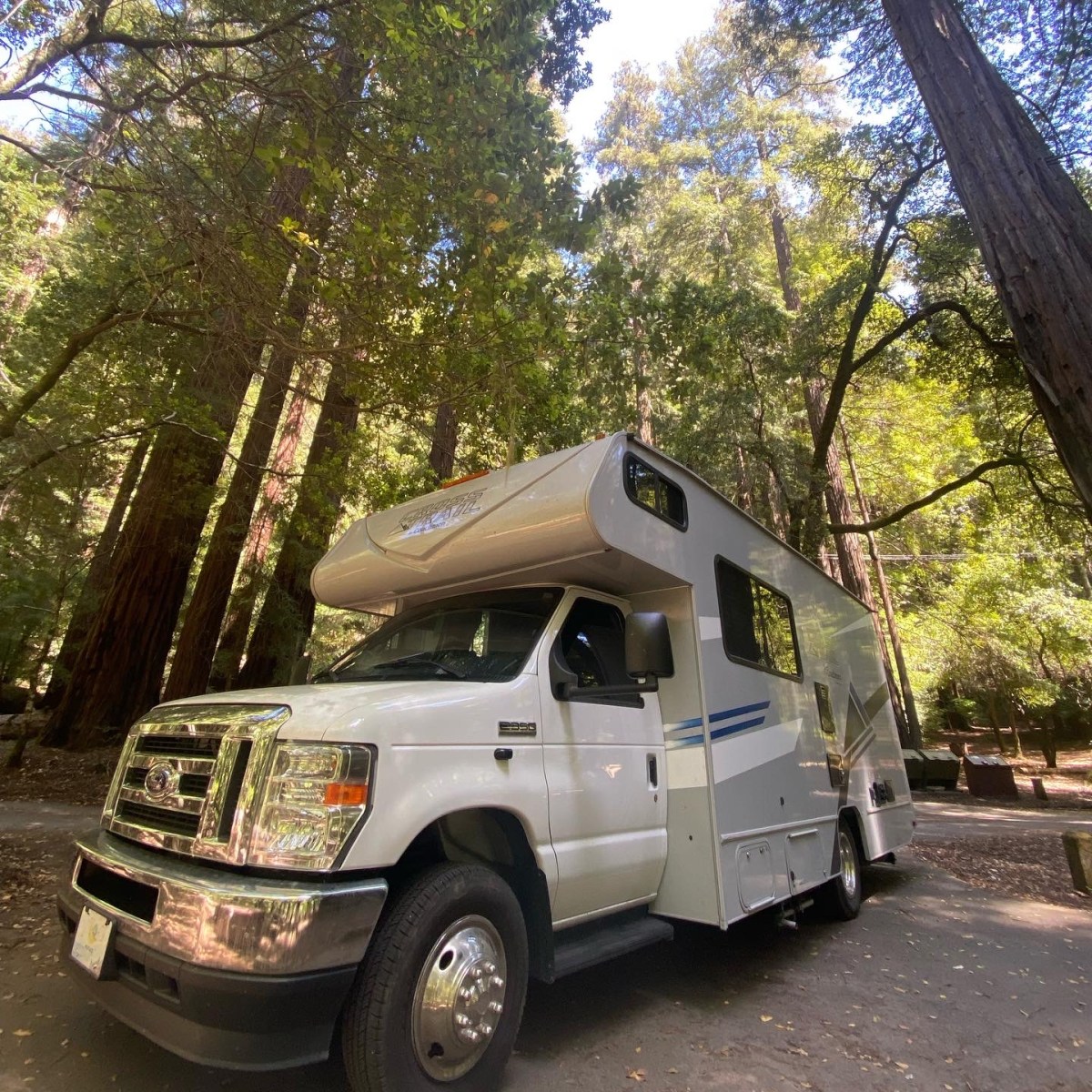


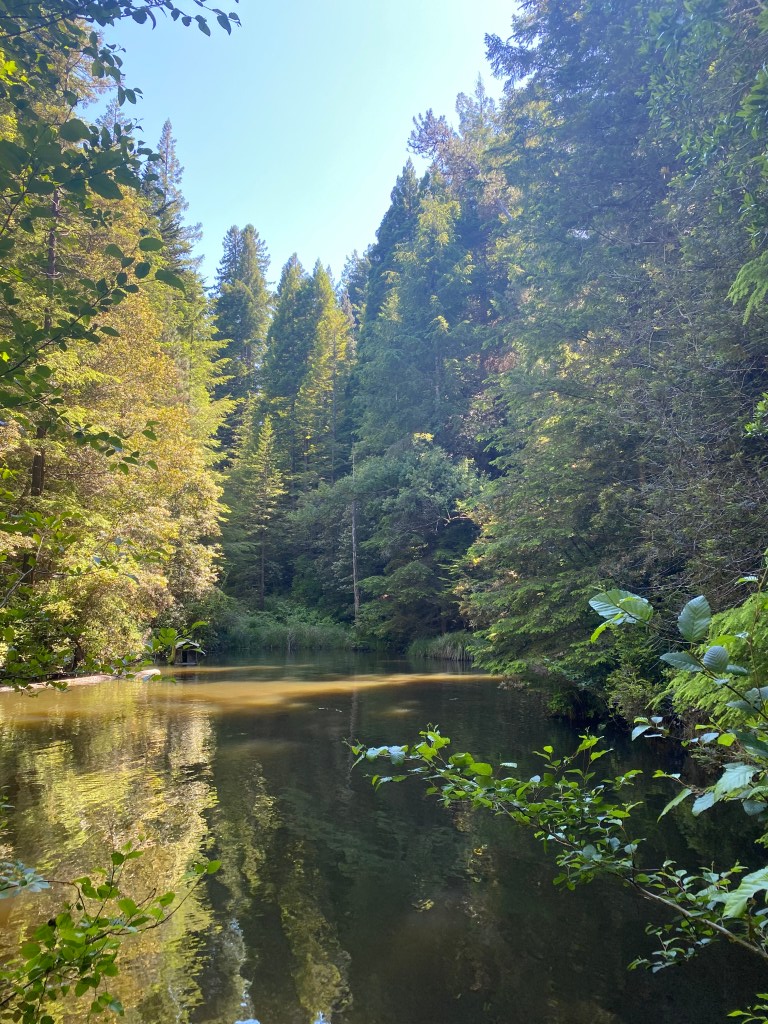
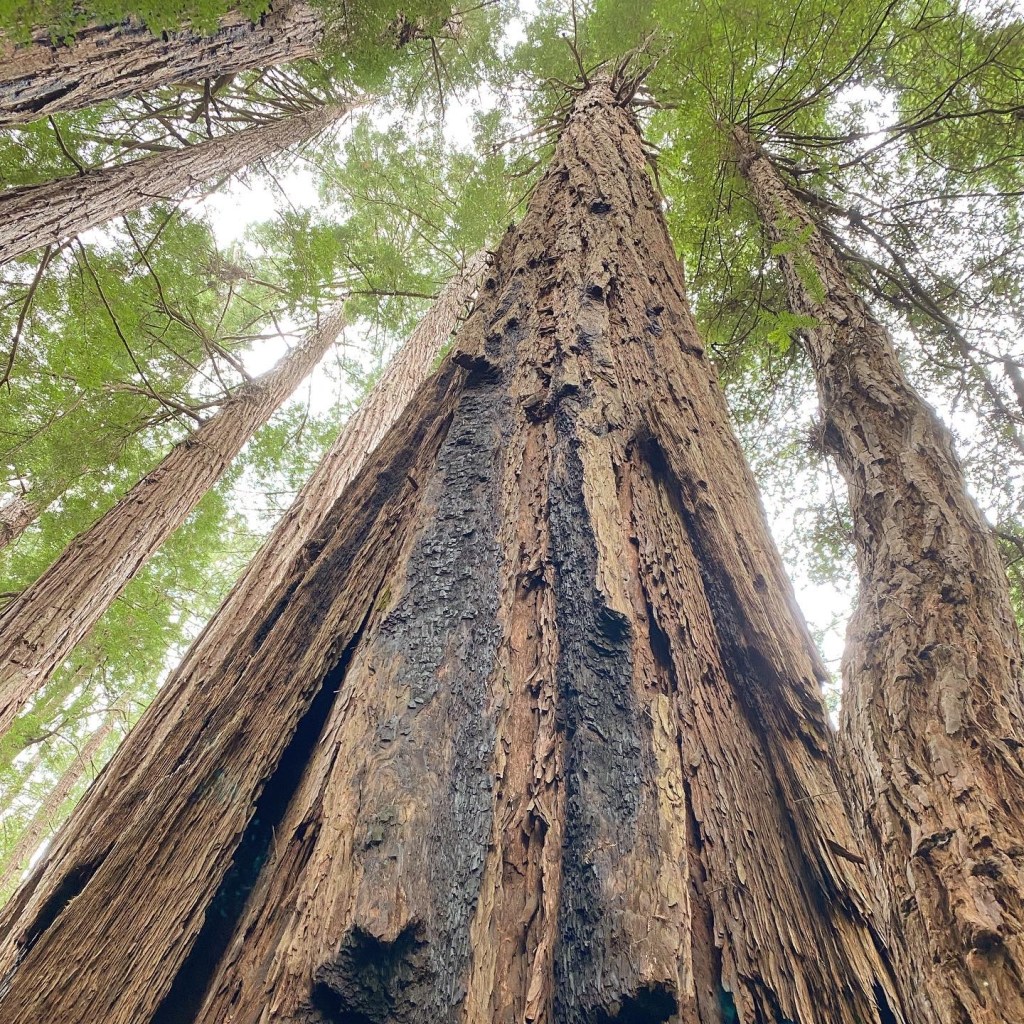

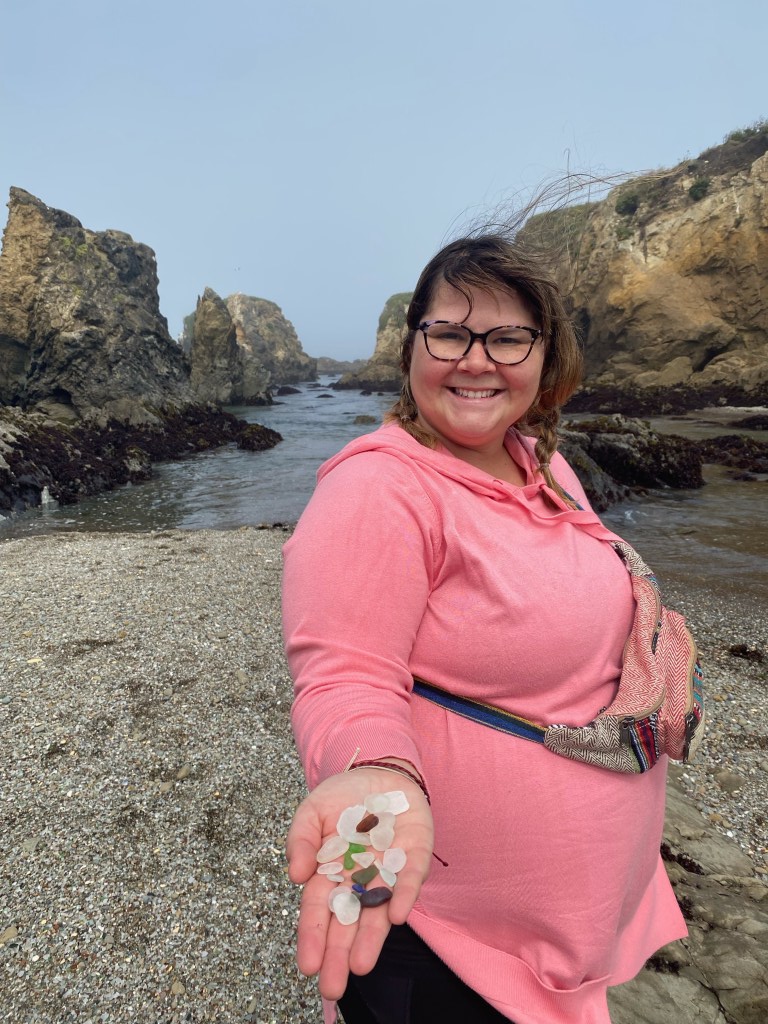


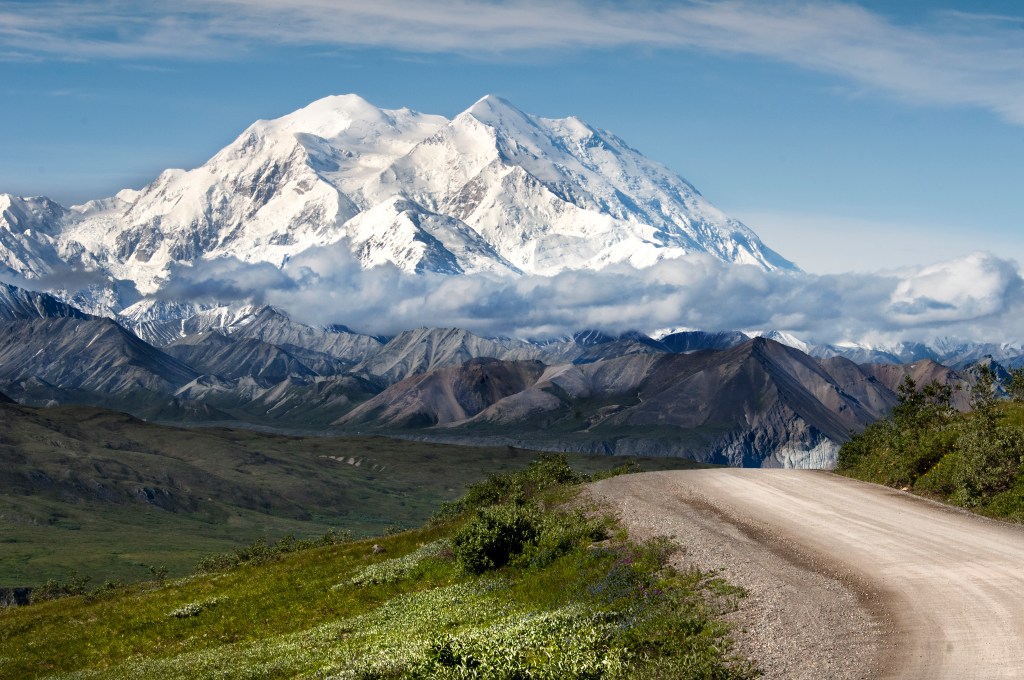
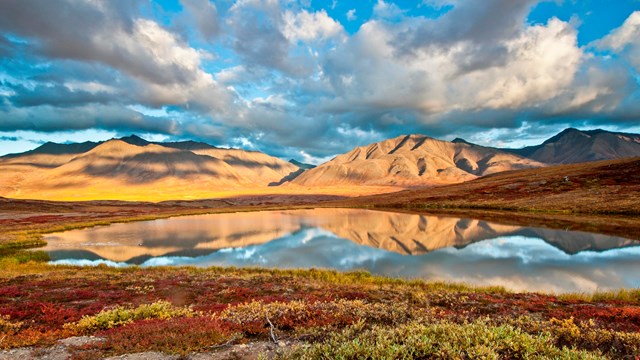


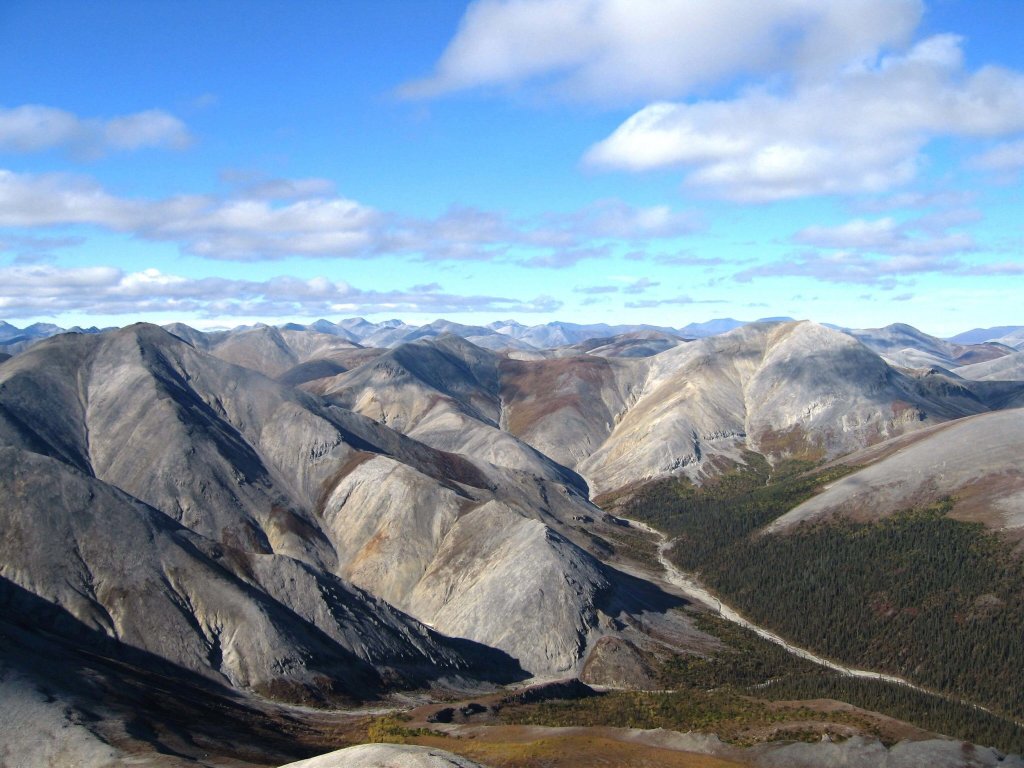


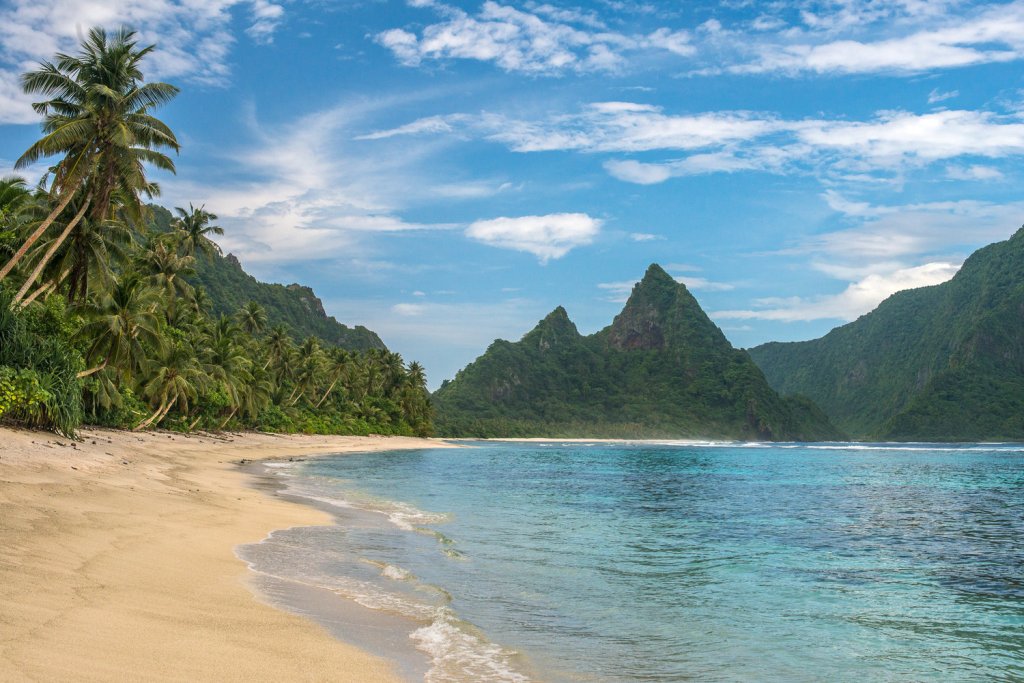


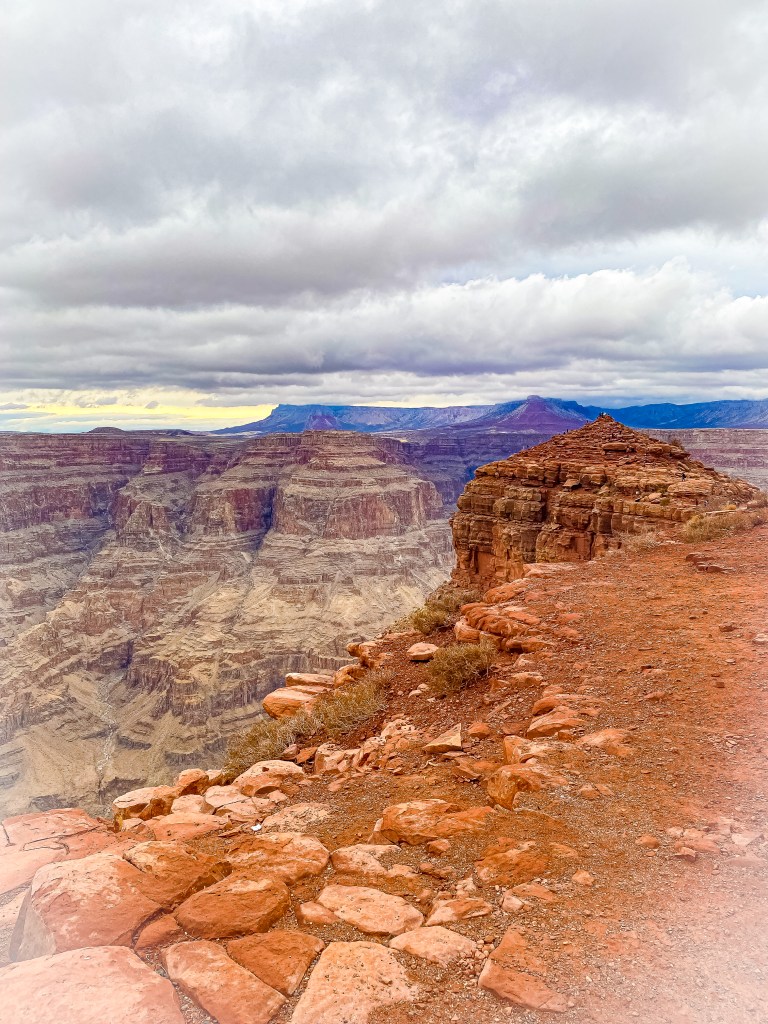
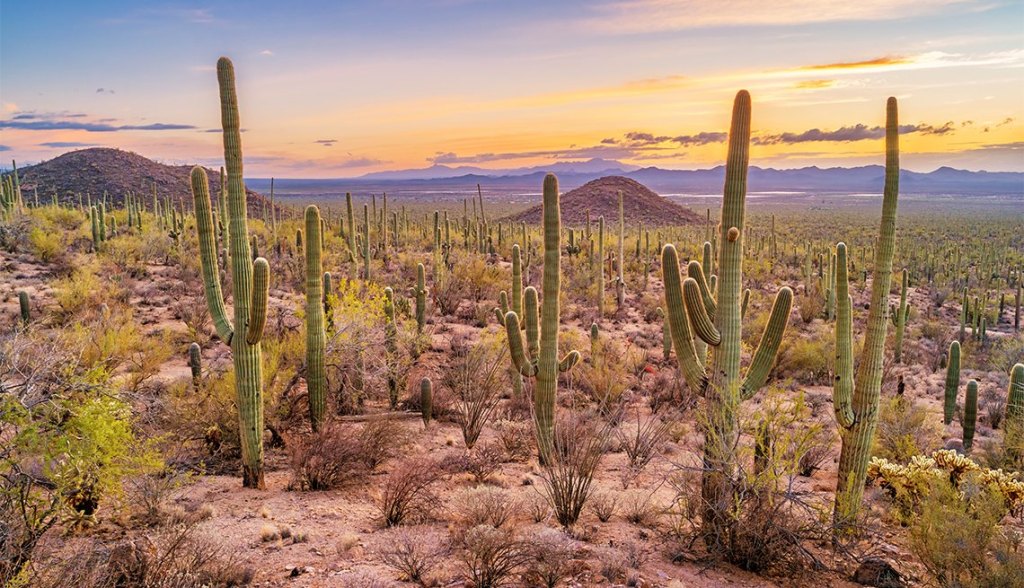


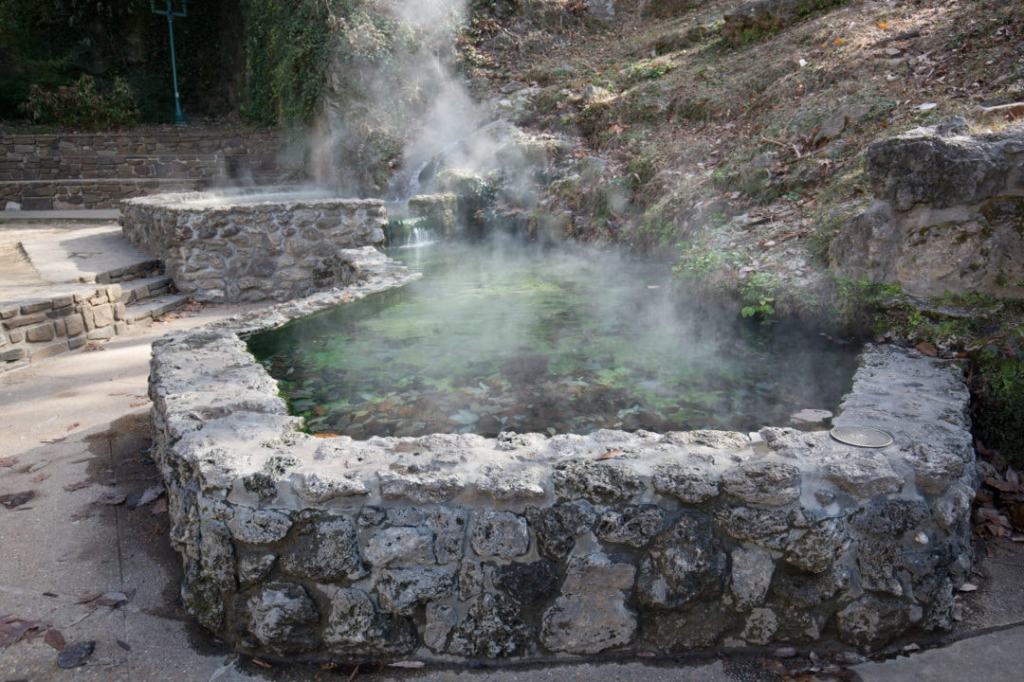


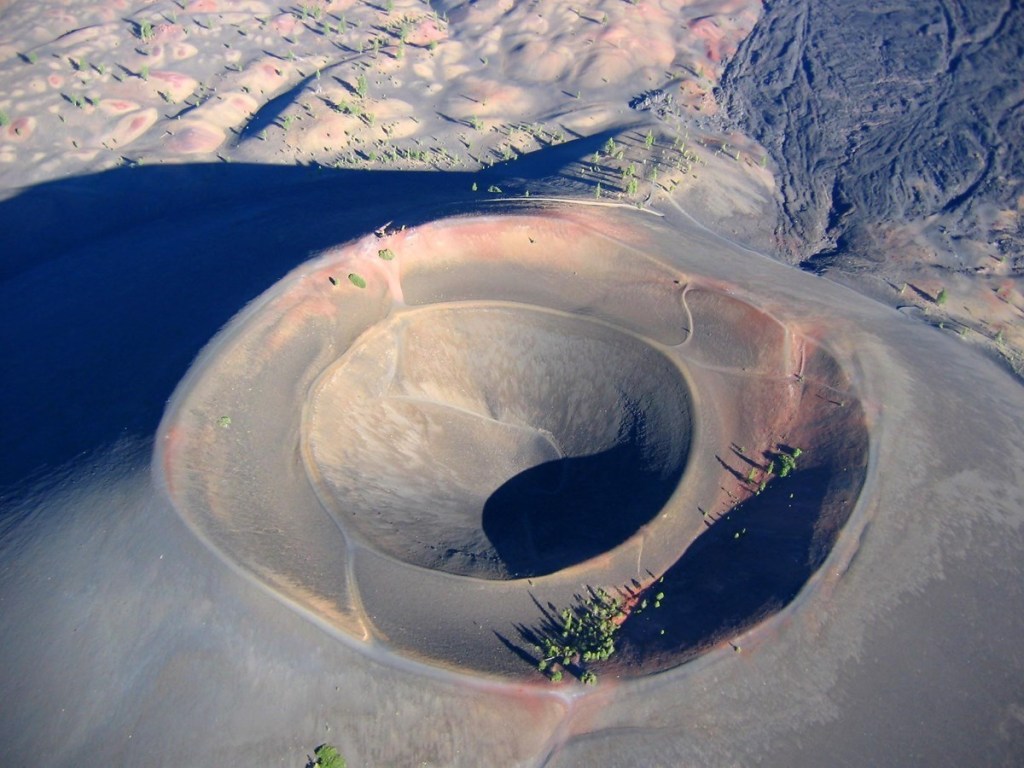
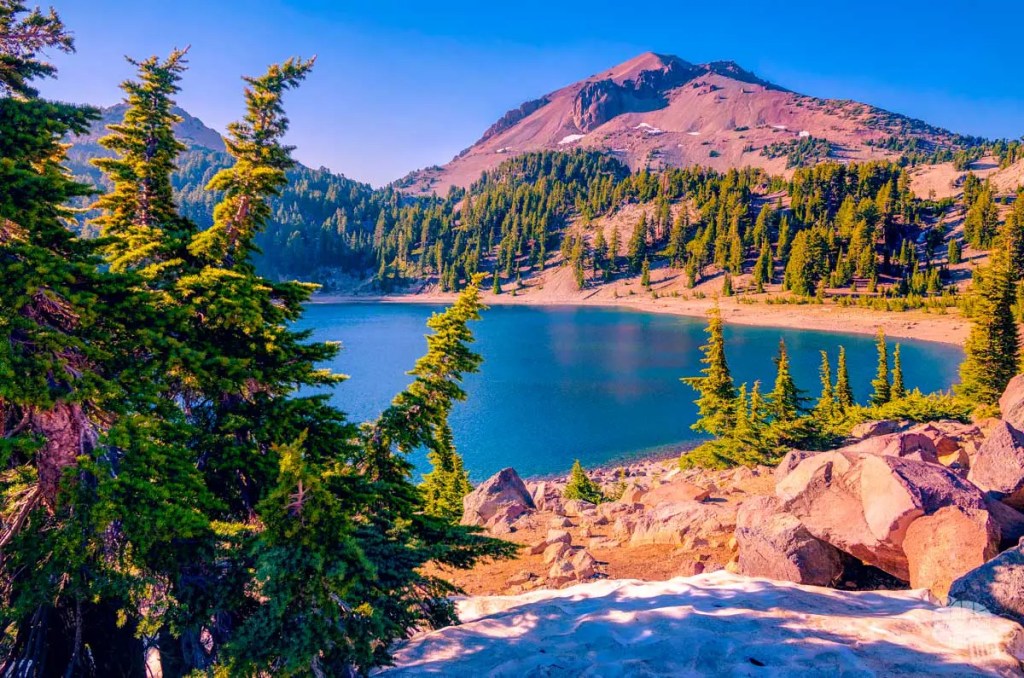

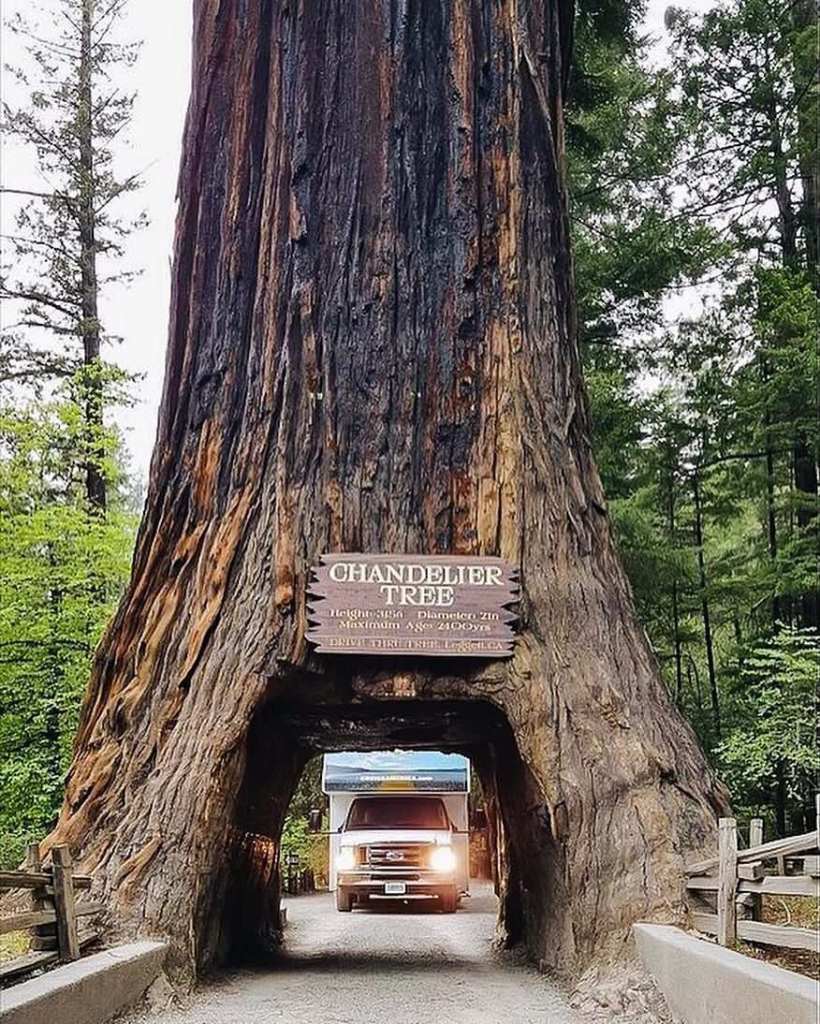
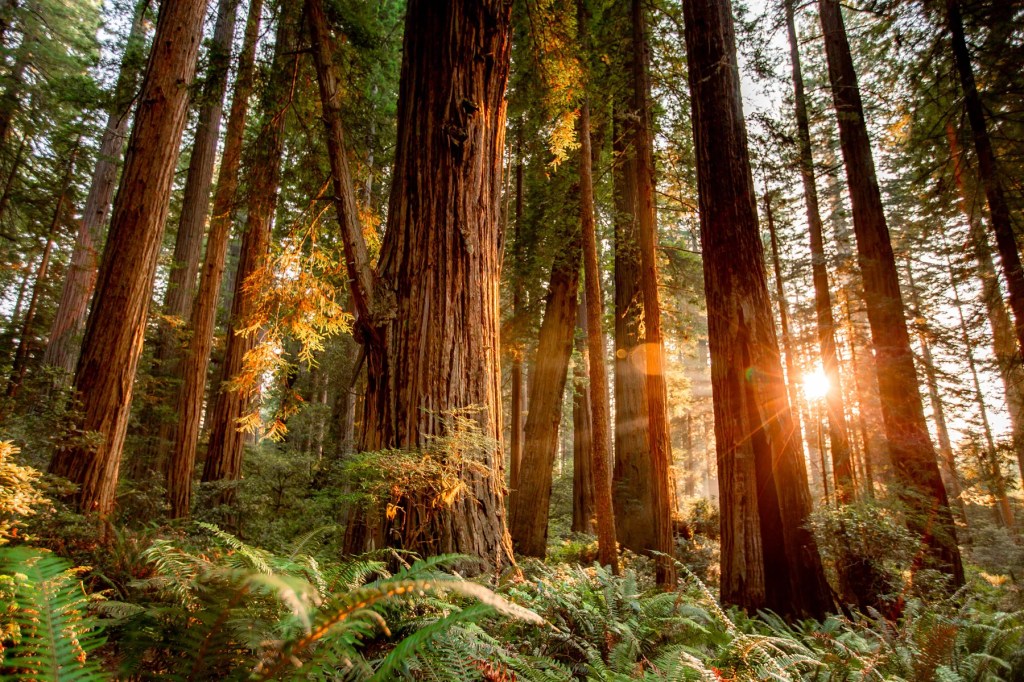


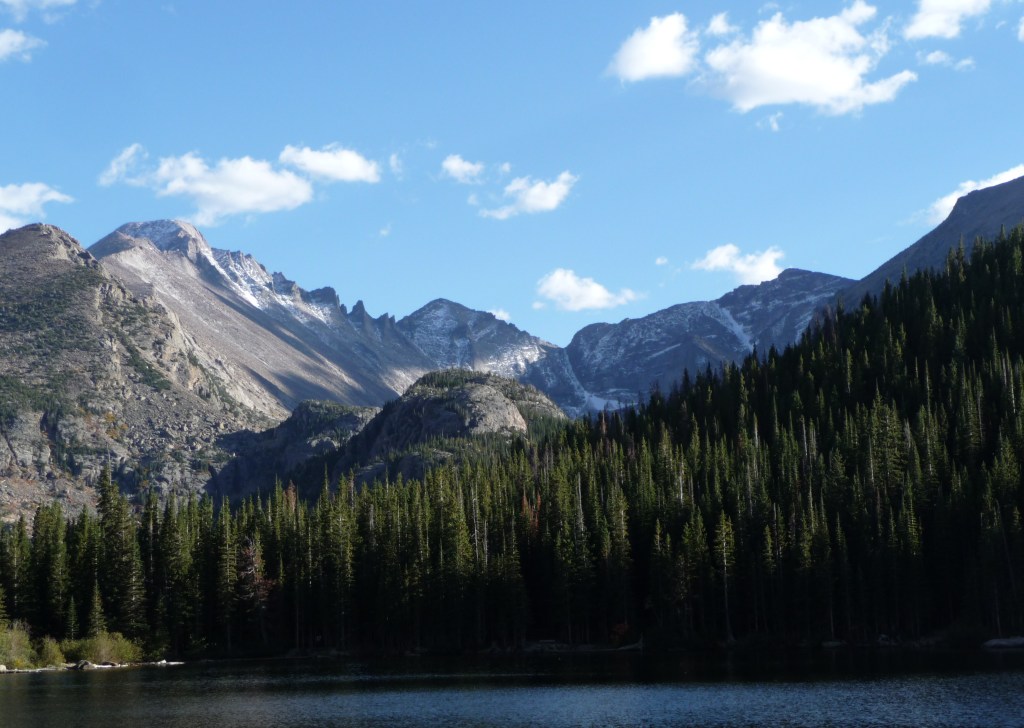
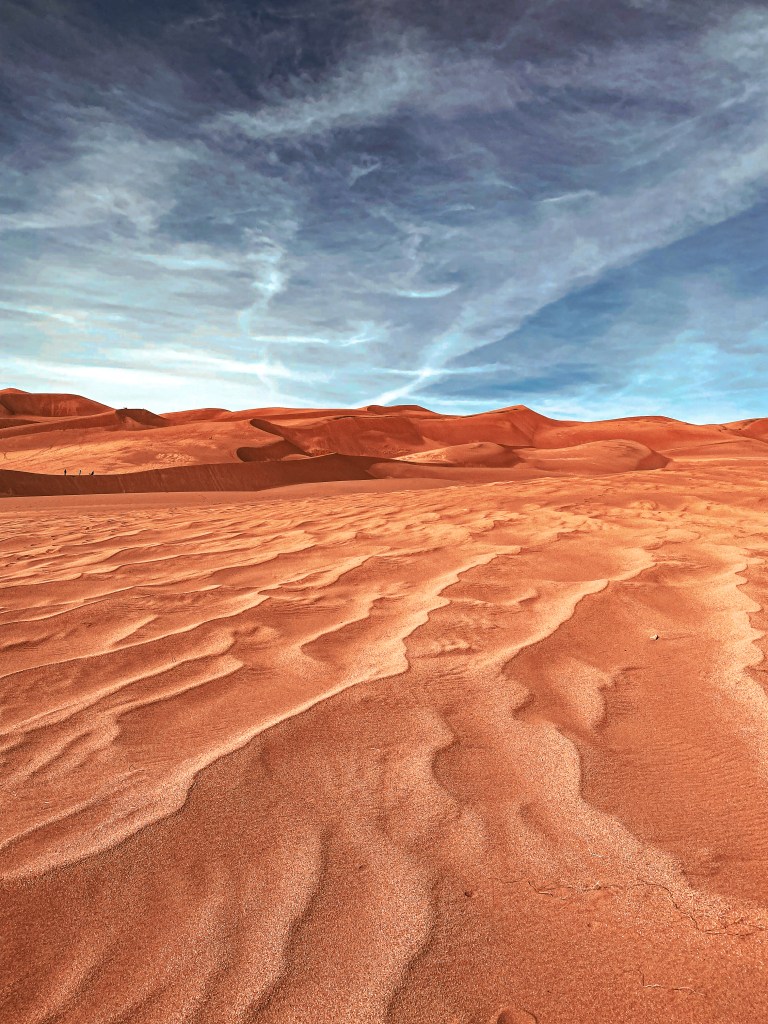
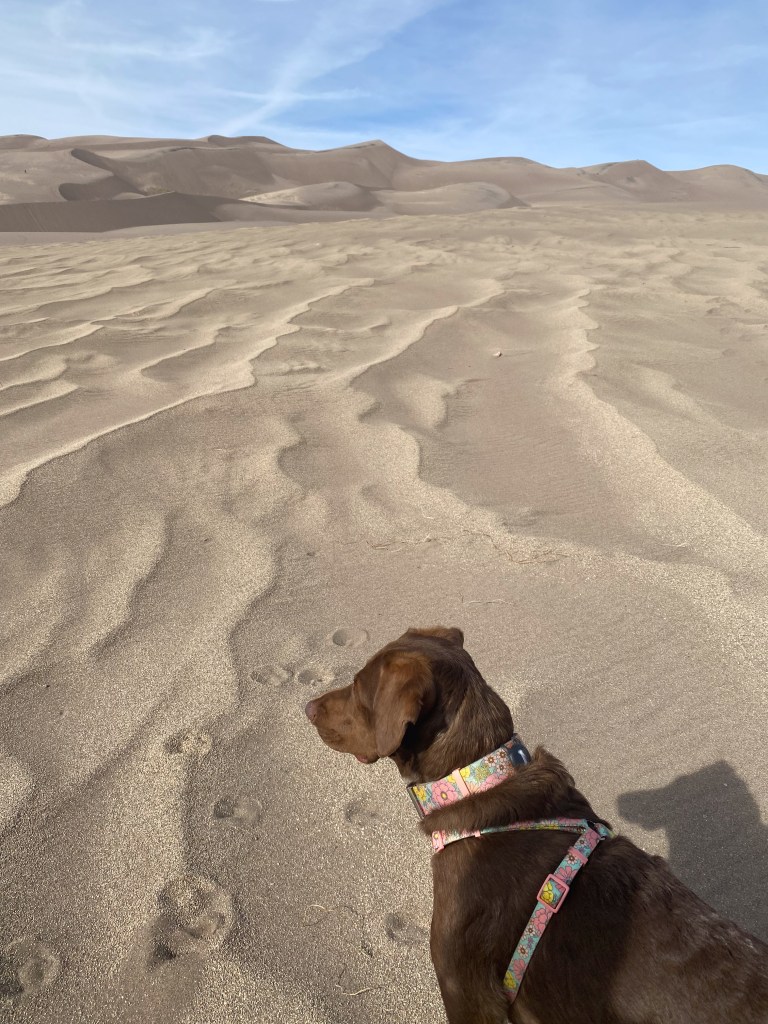


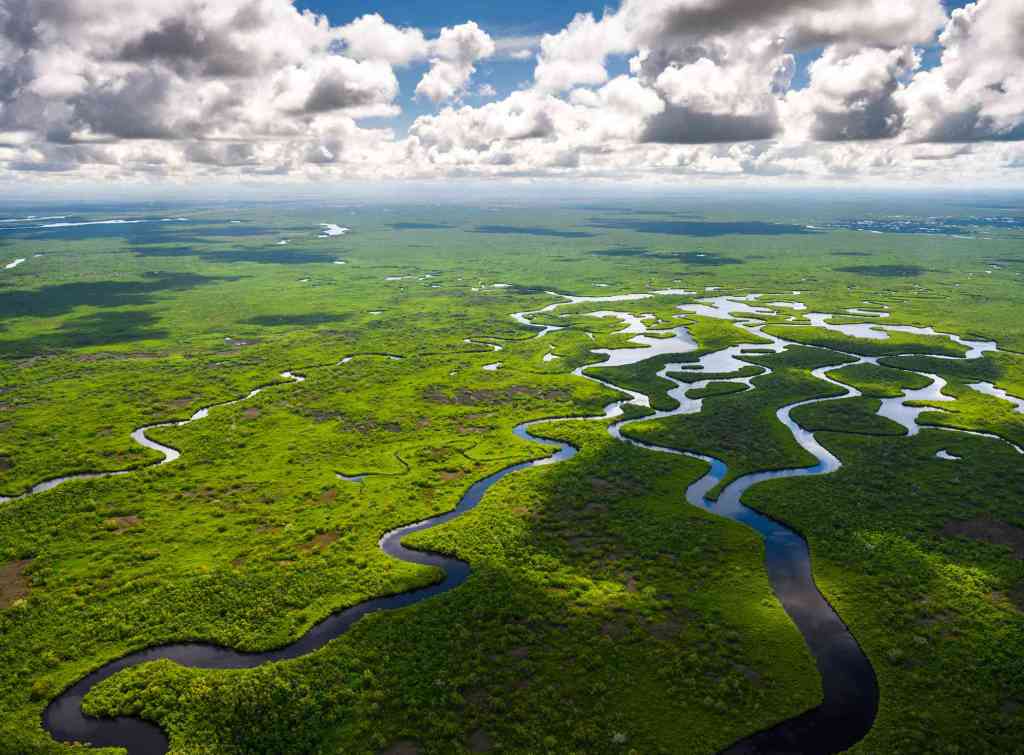


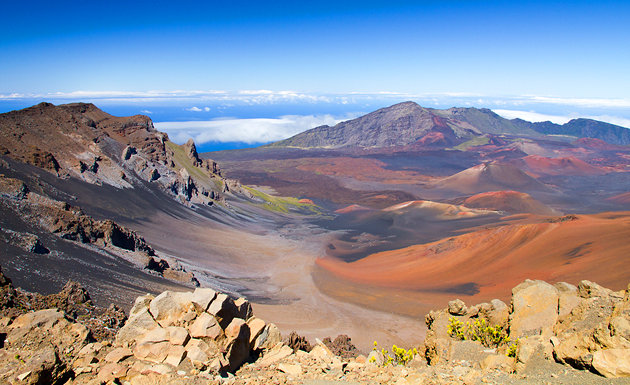
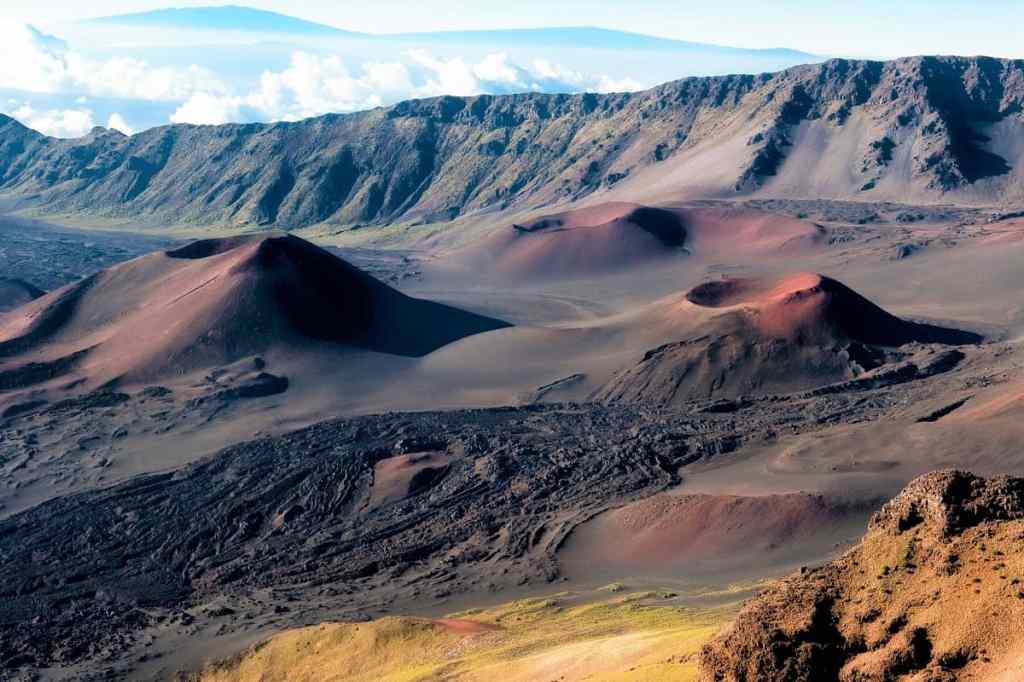

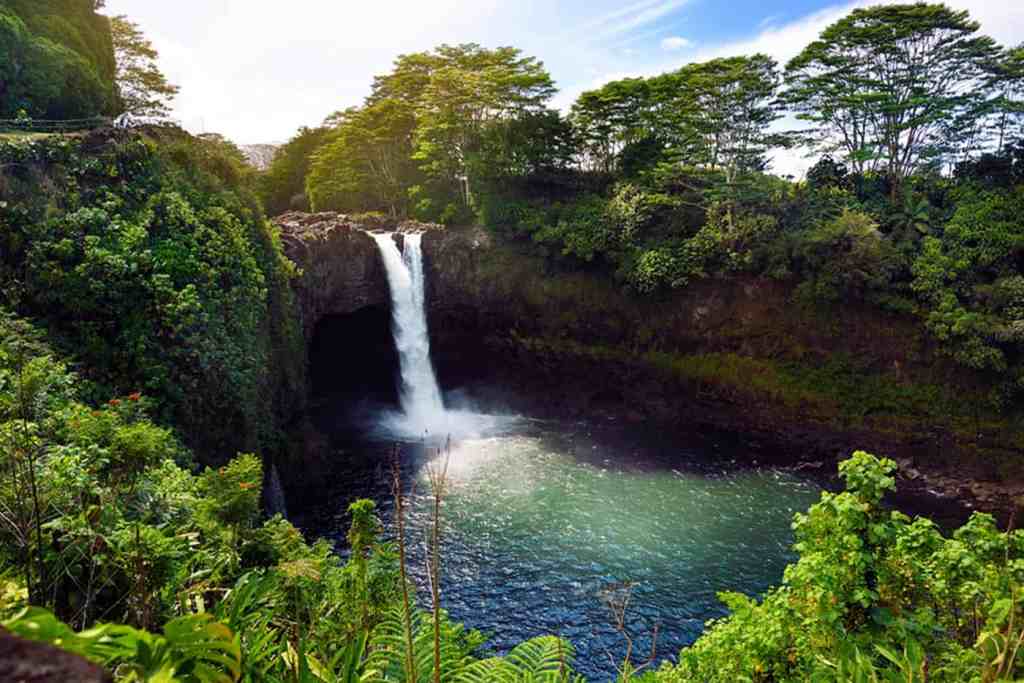


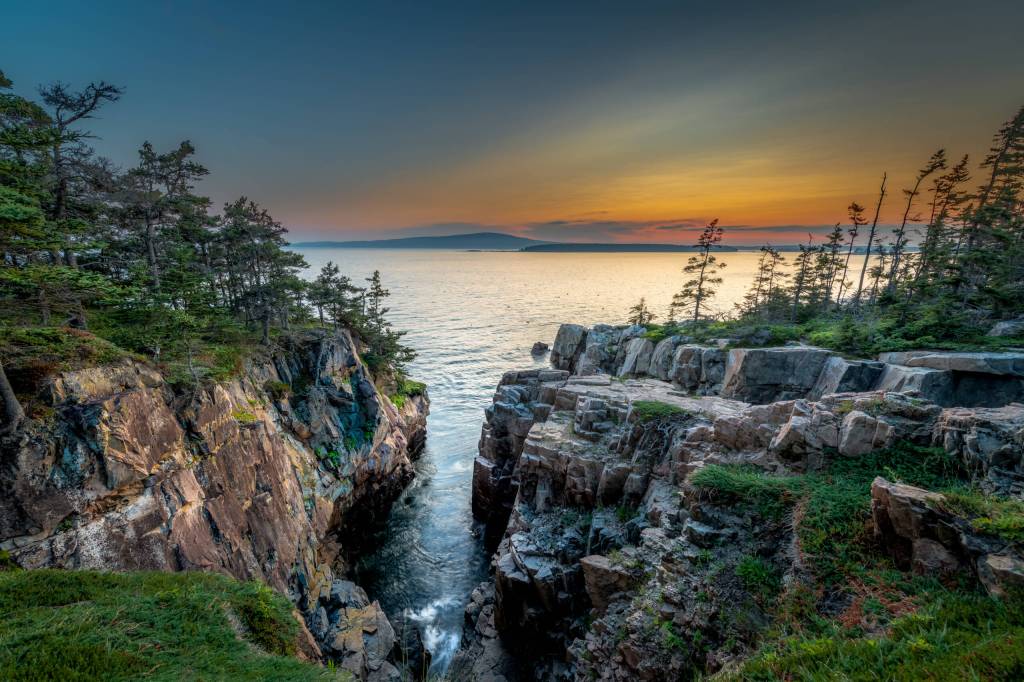

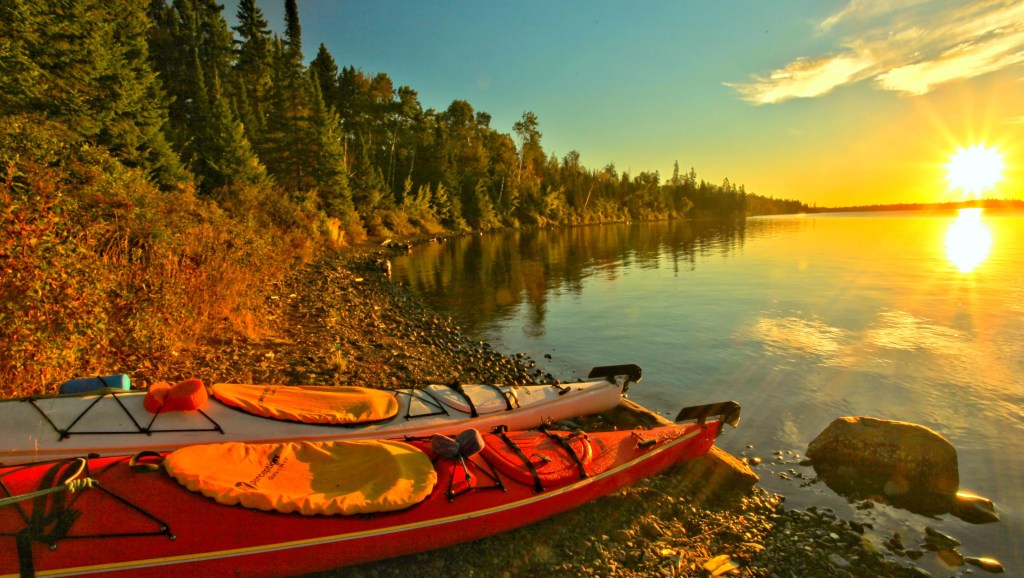


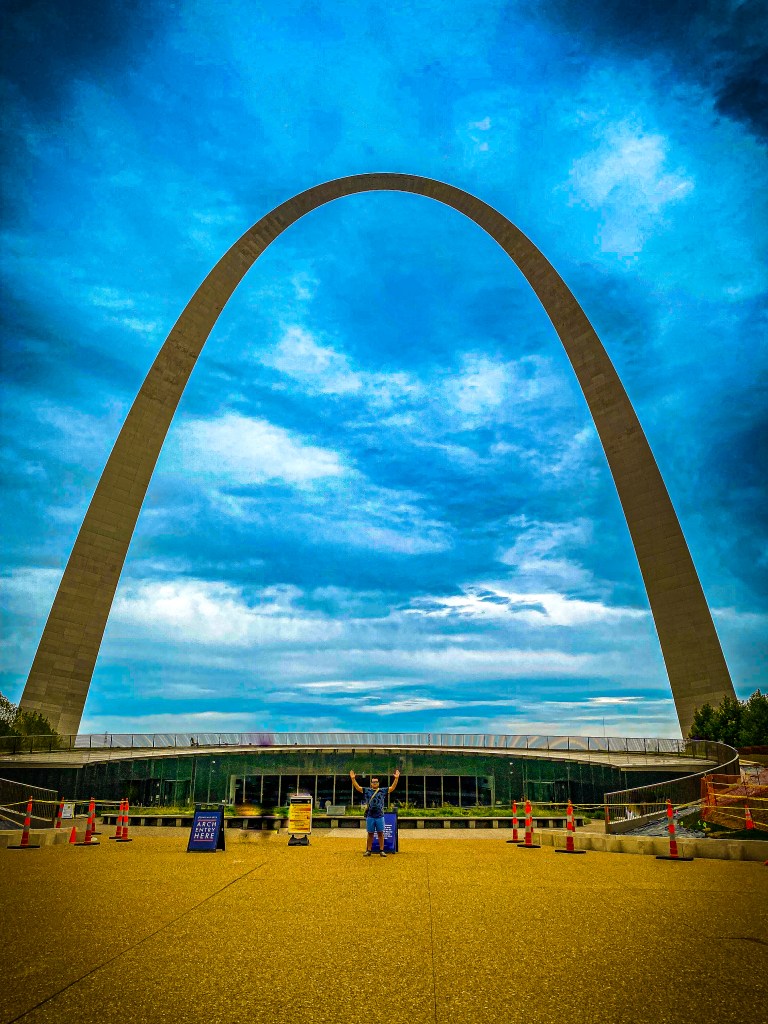

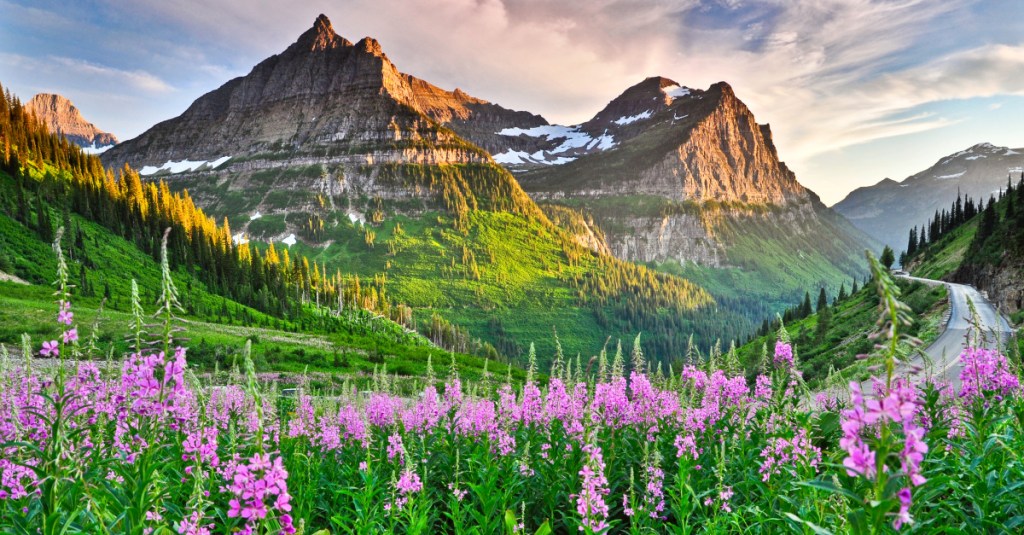
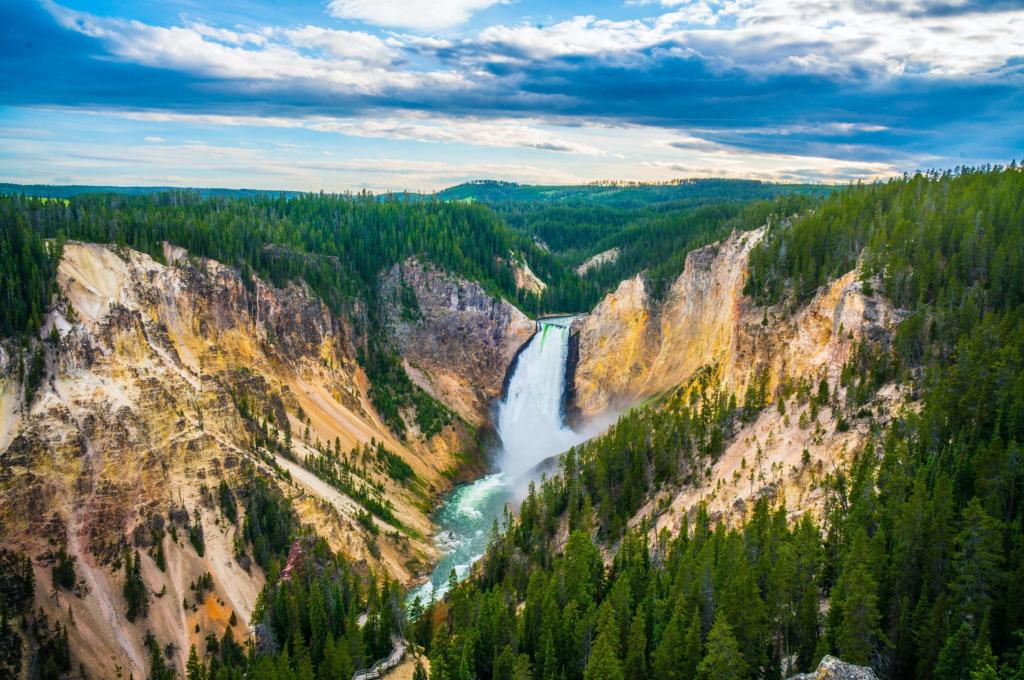


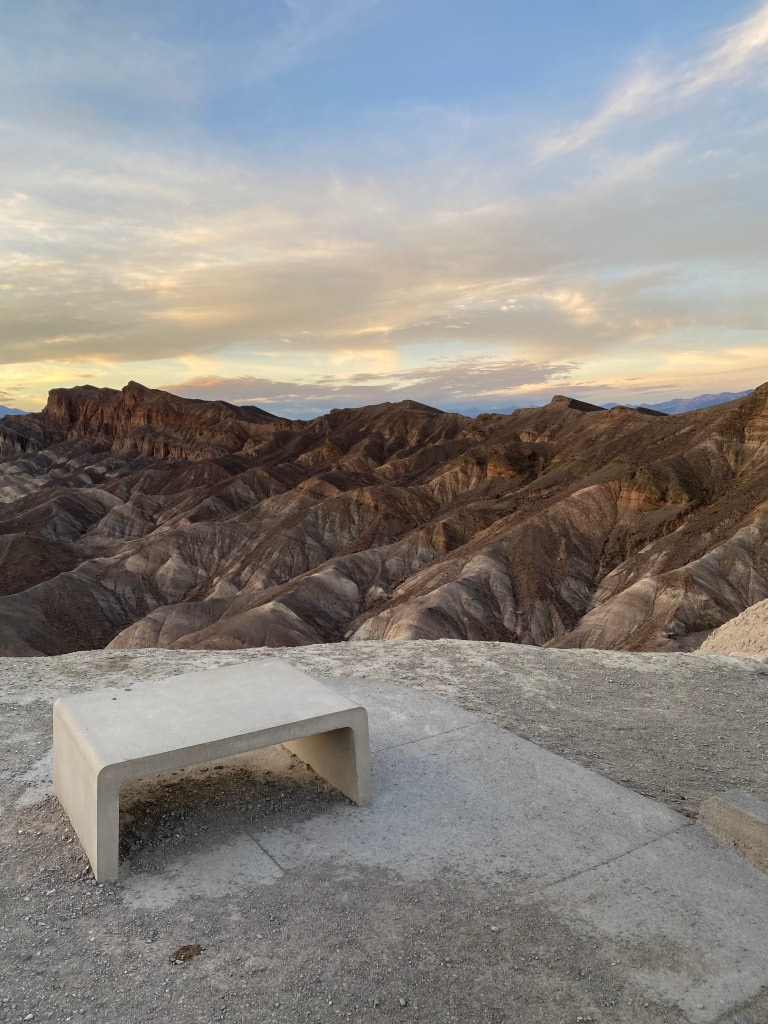
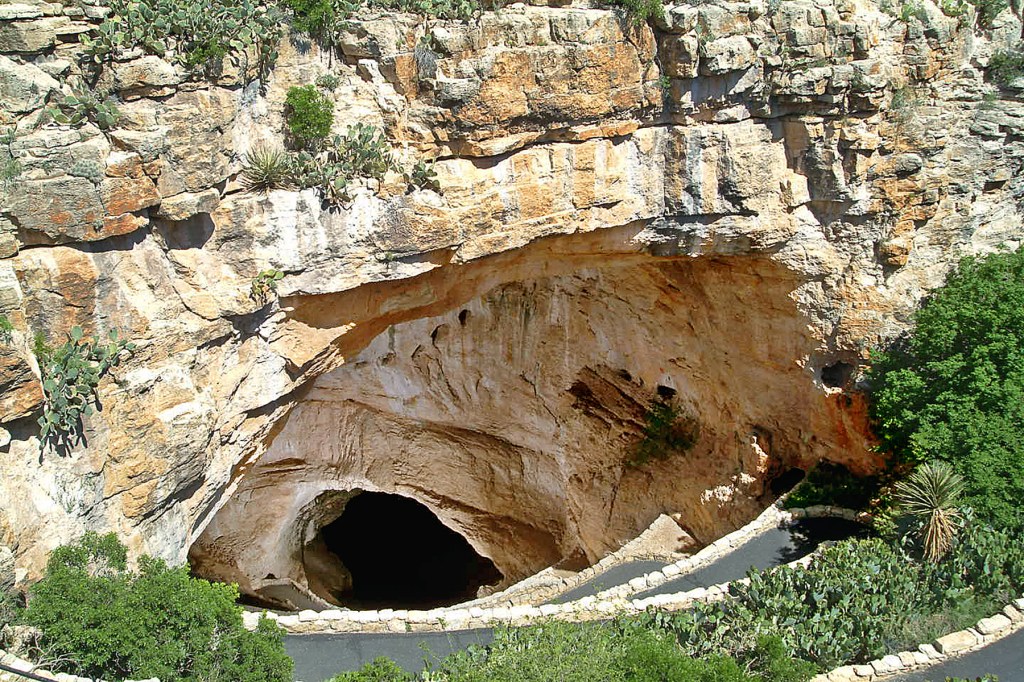
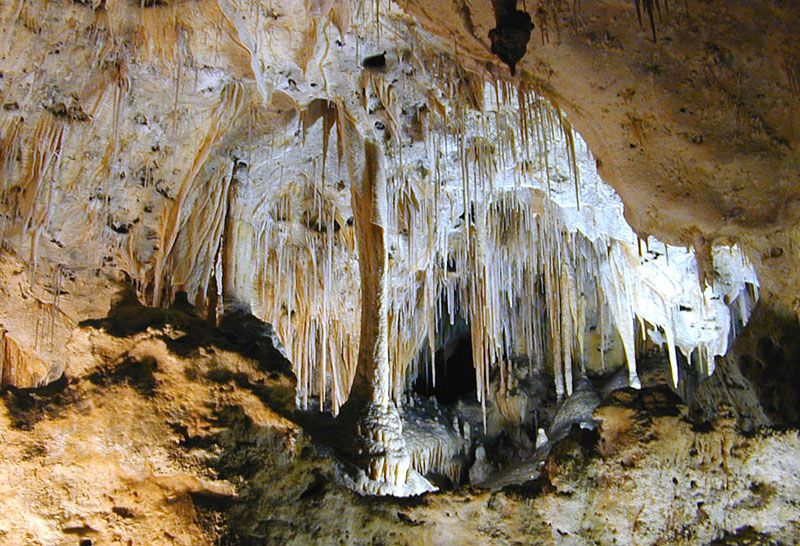


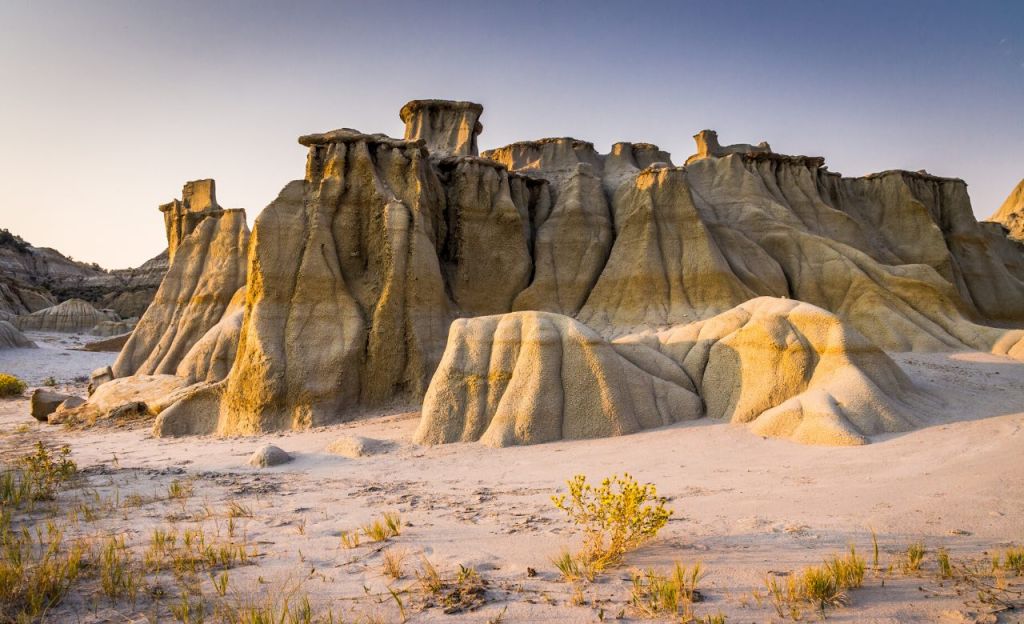
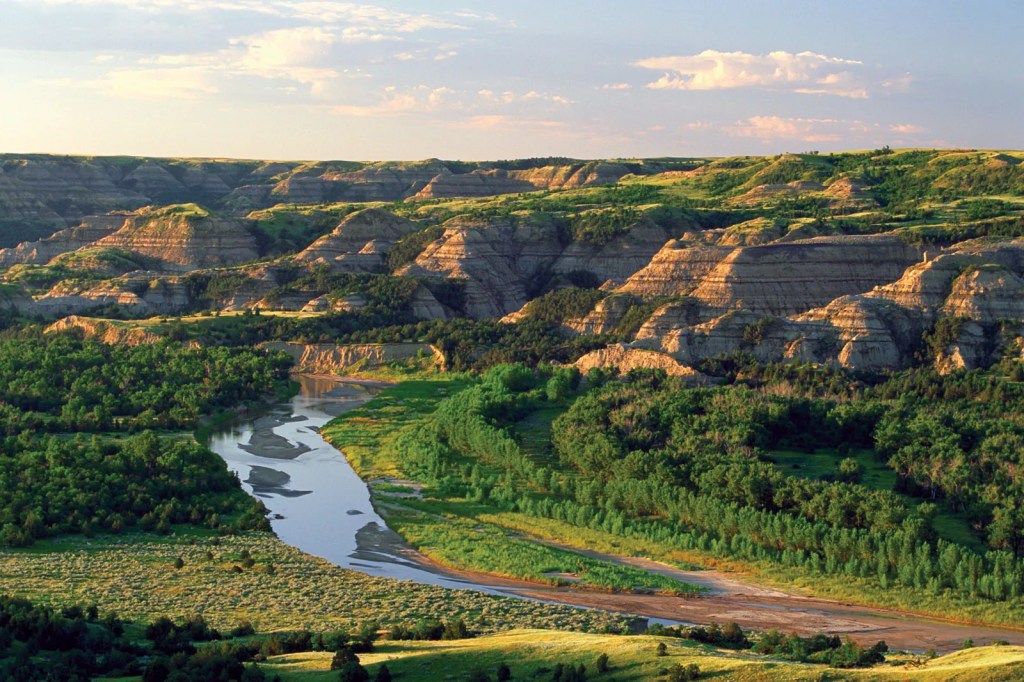


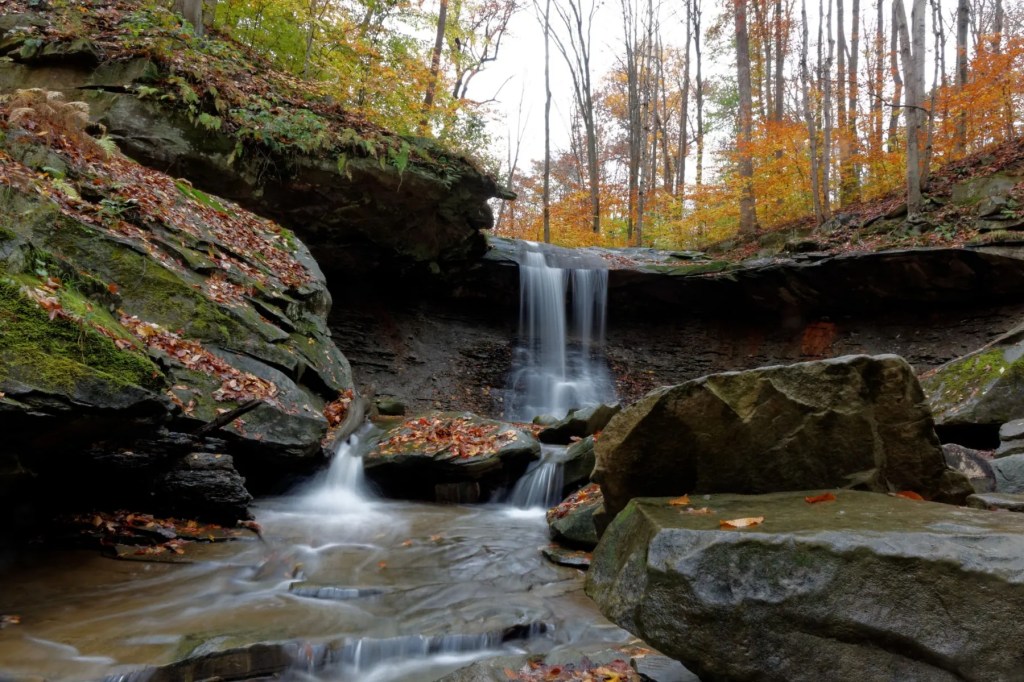
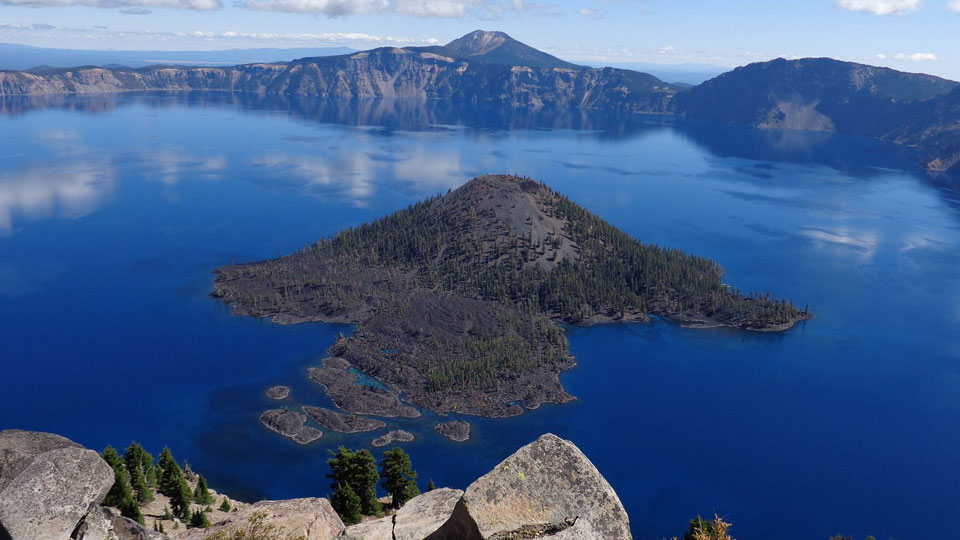


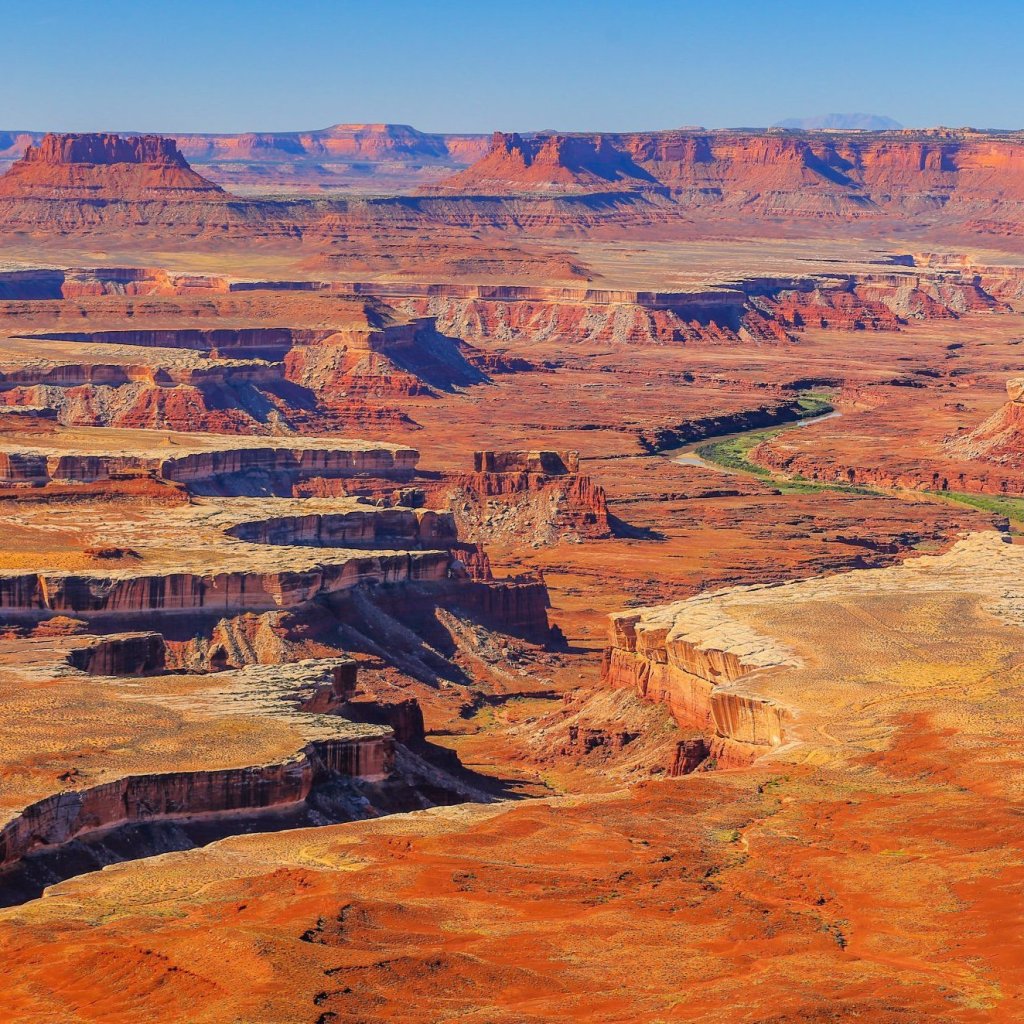
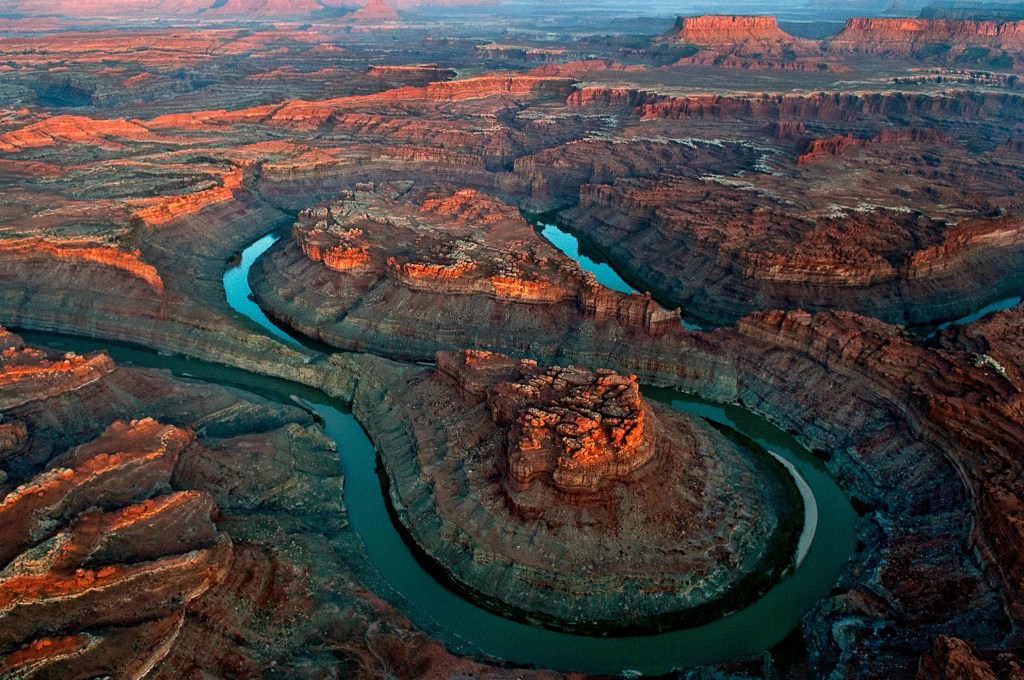
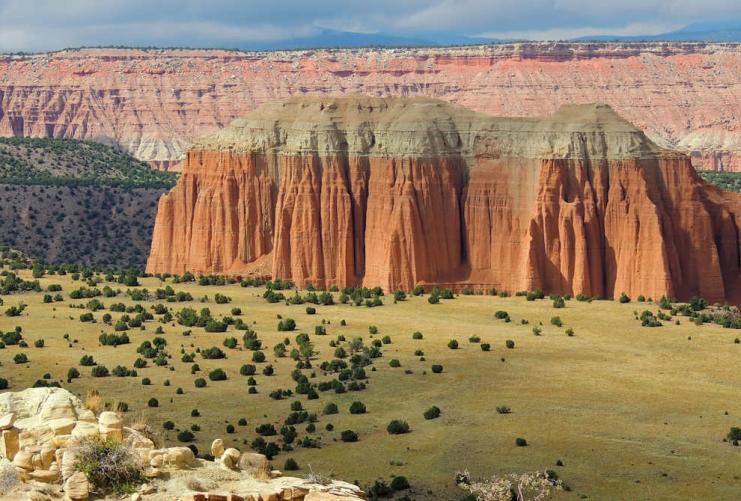




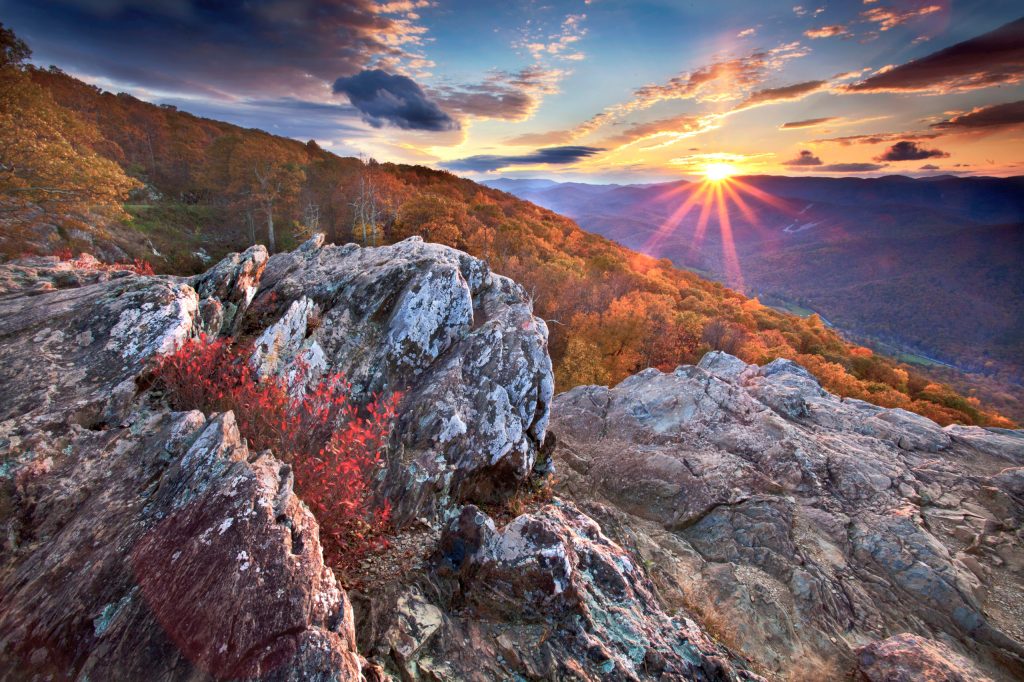

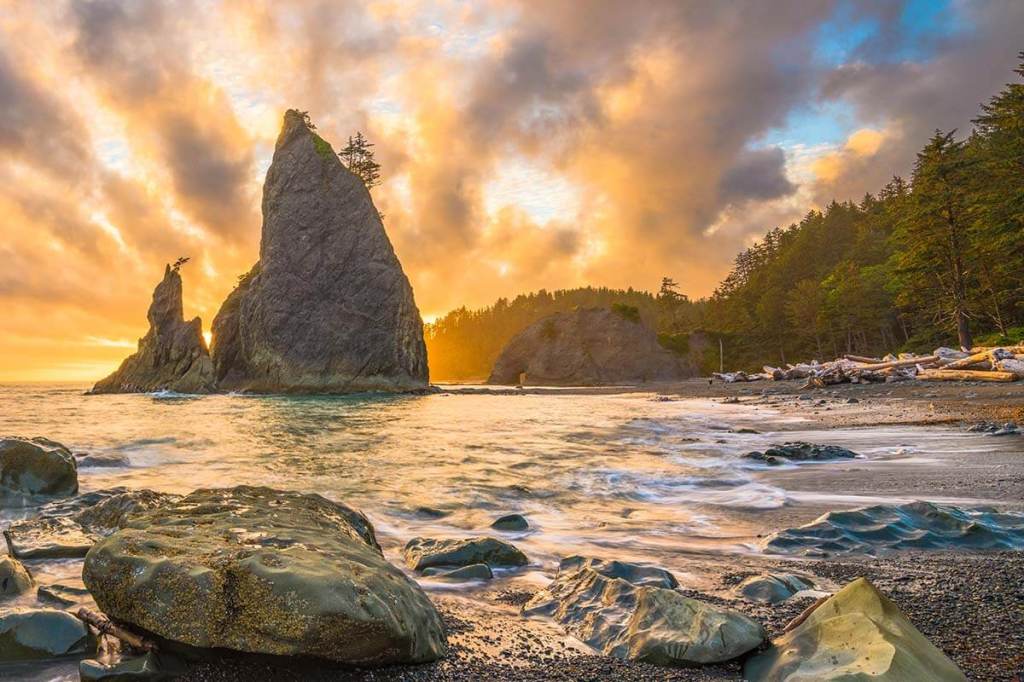


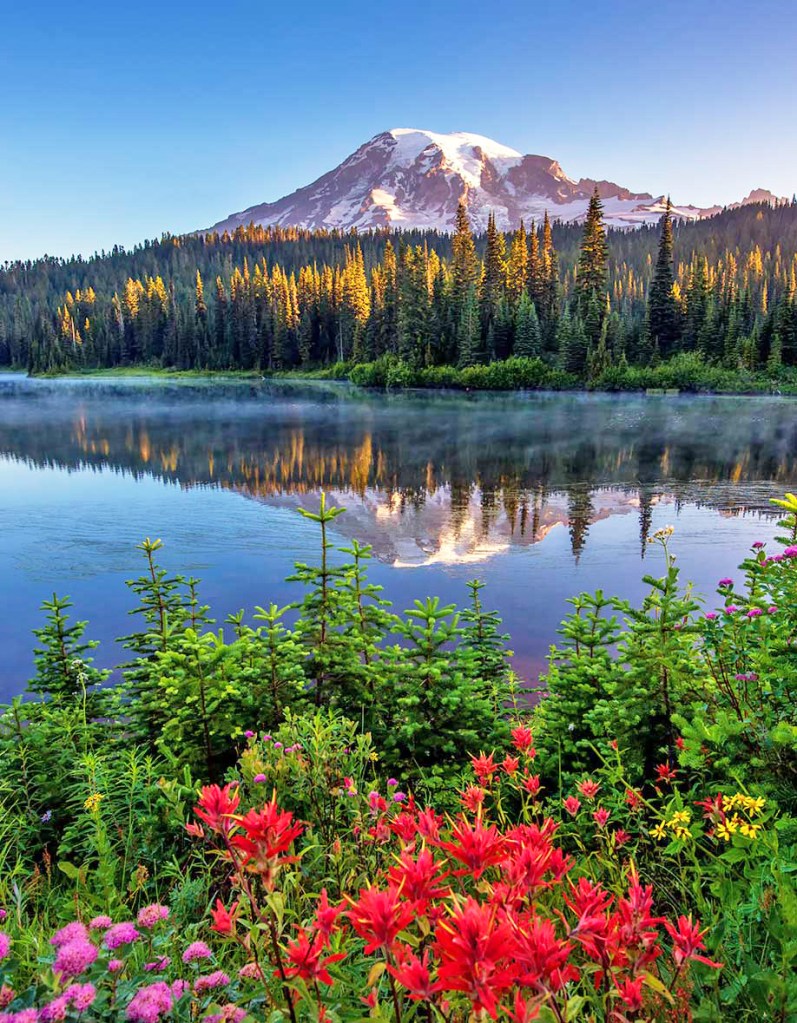

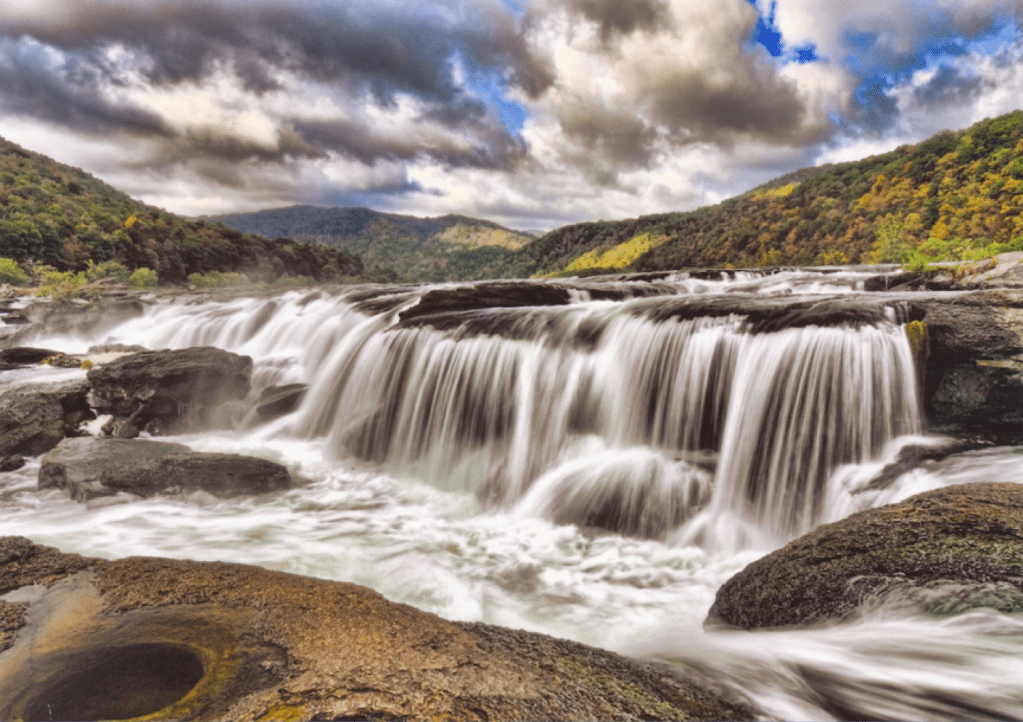
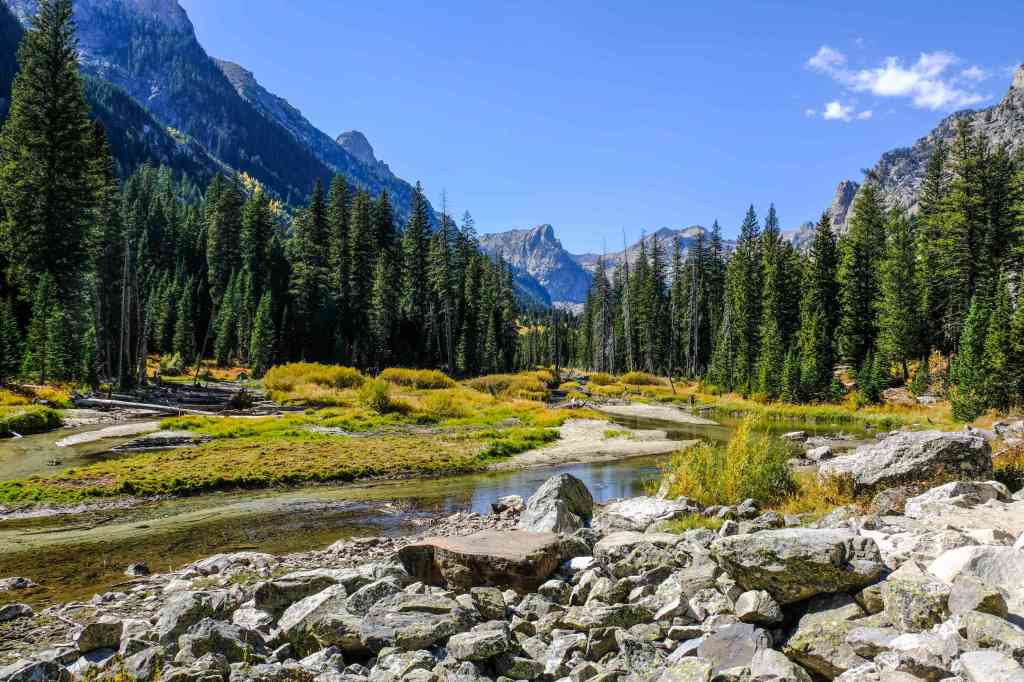

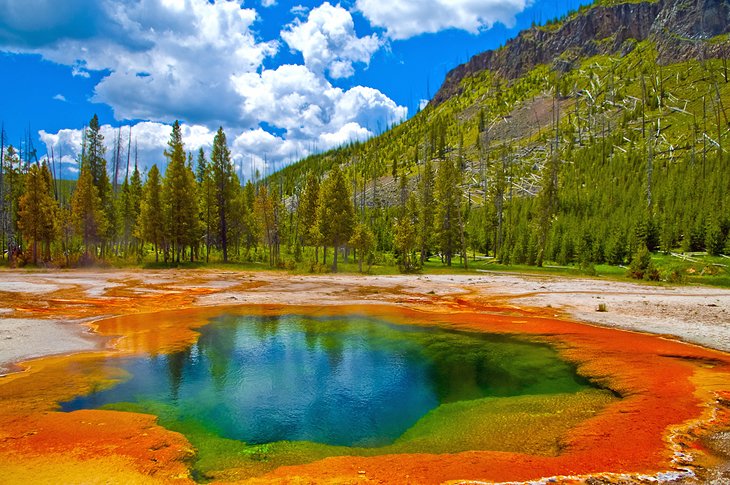




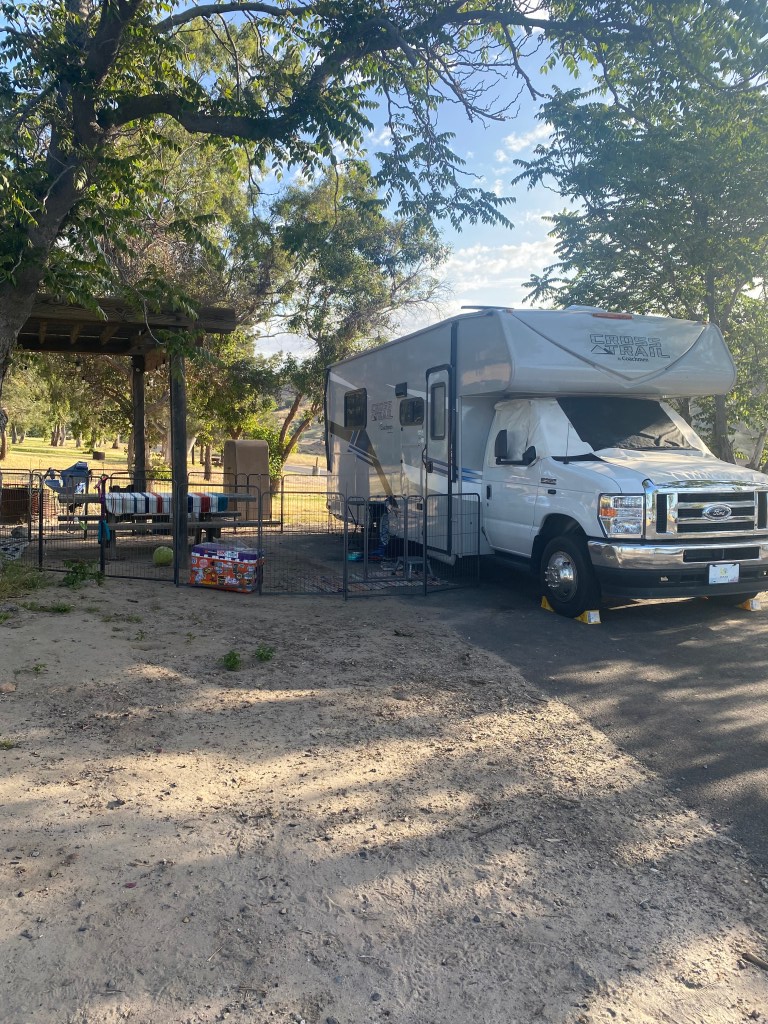
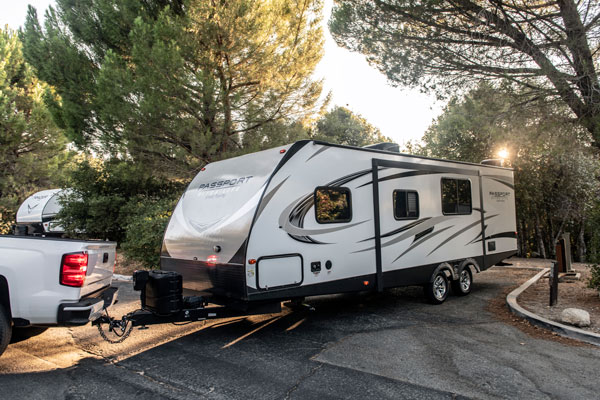





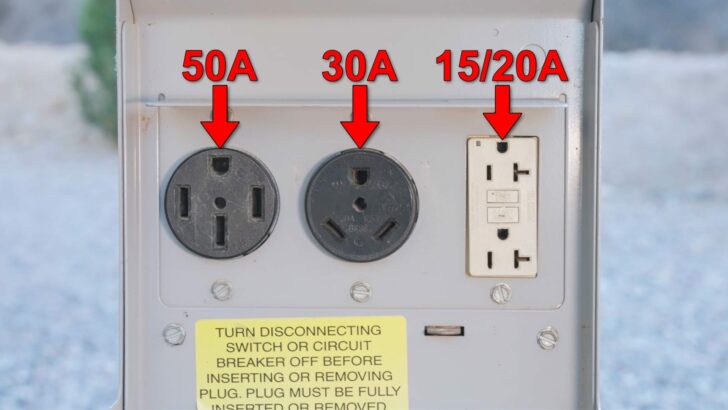




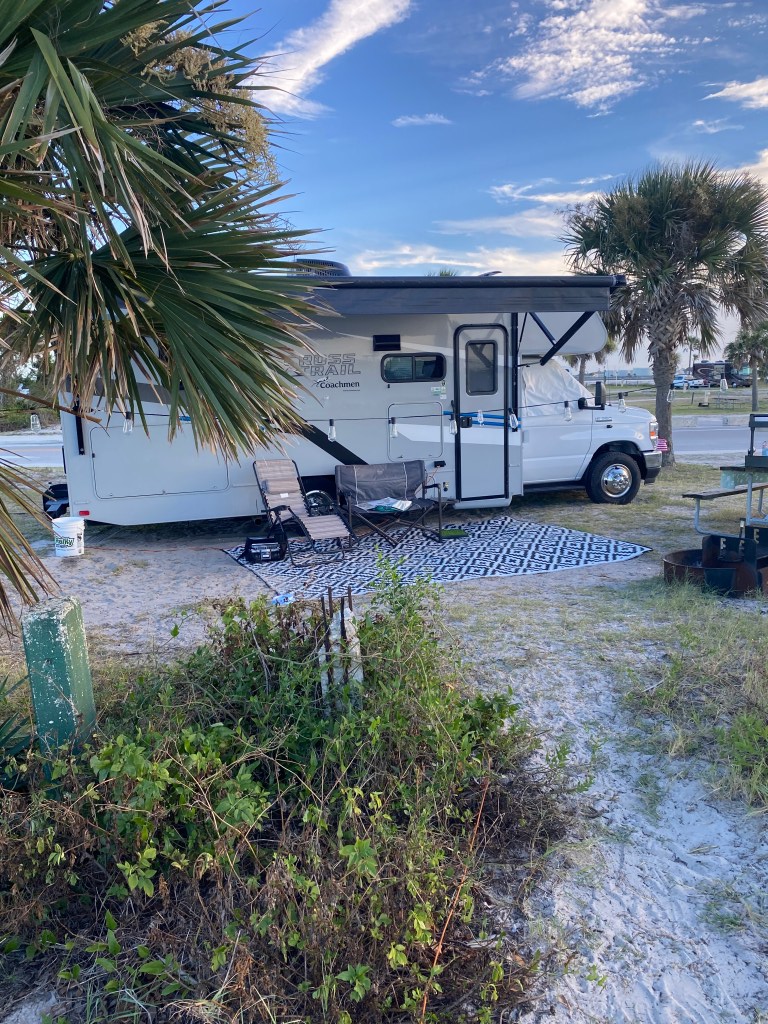




![What’s Your [Camping] Type?](https://noplacelikegone.com/wp-content/uploads/2023/12/cac39-rvs-explained.jpeg?w=580)
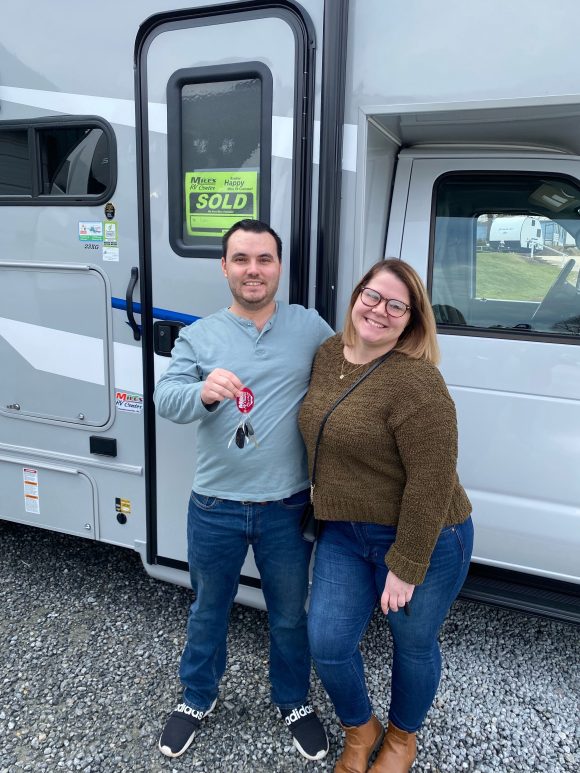







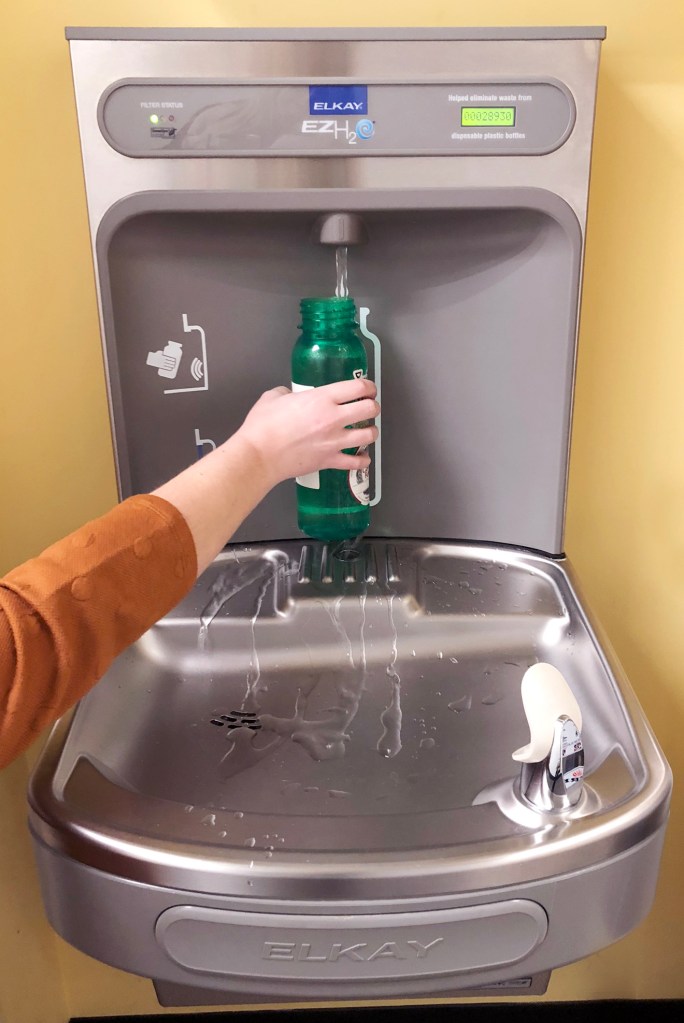




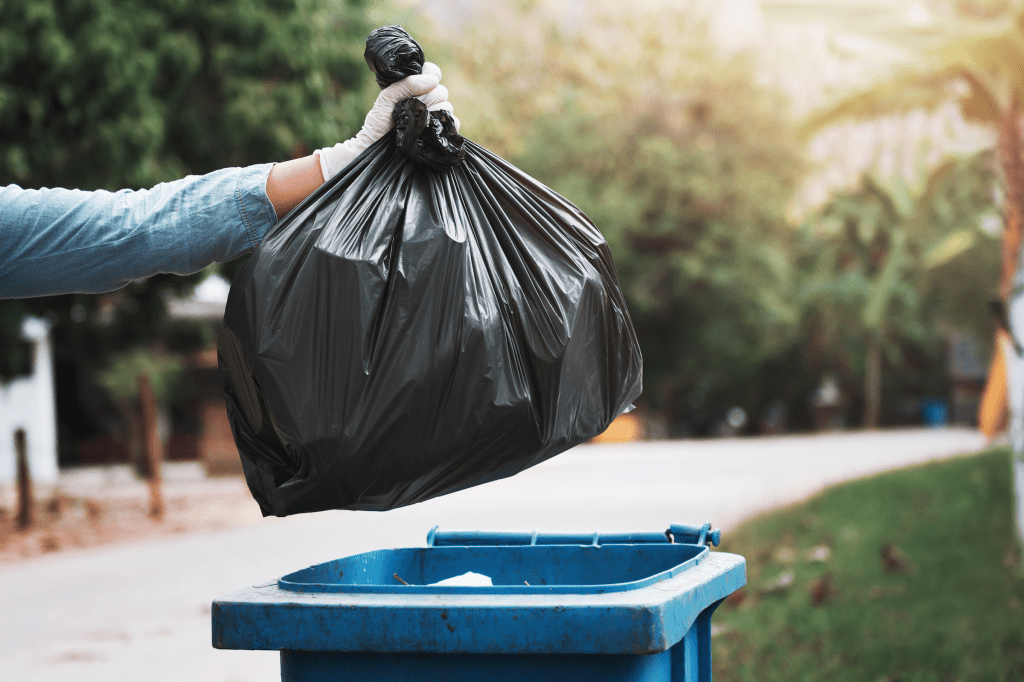
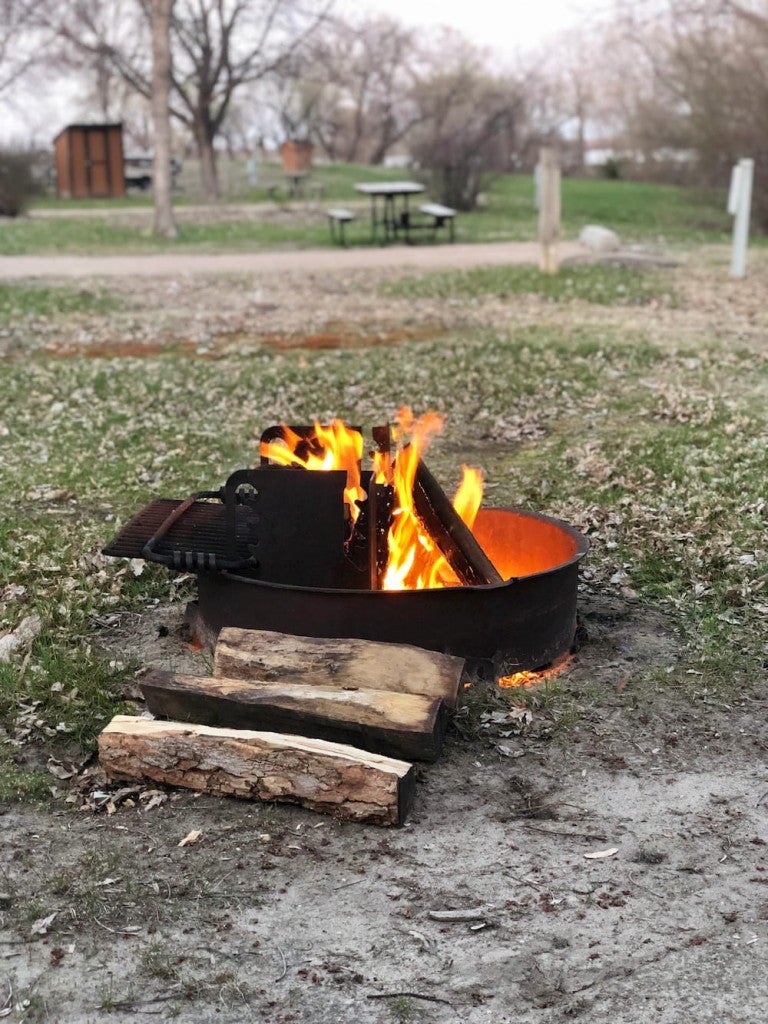


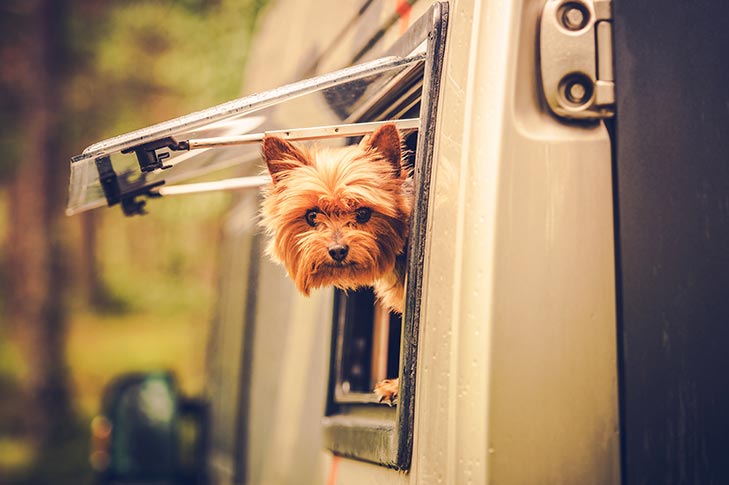


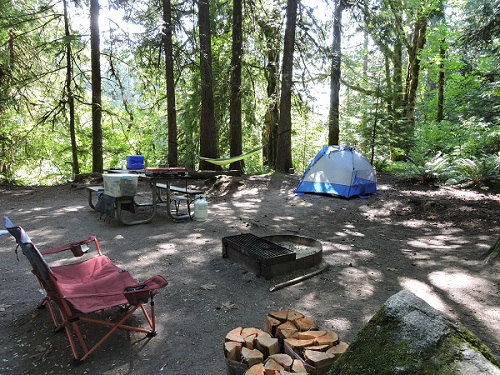
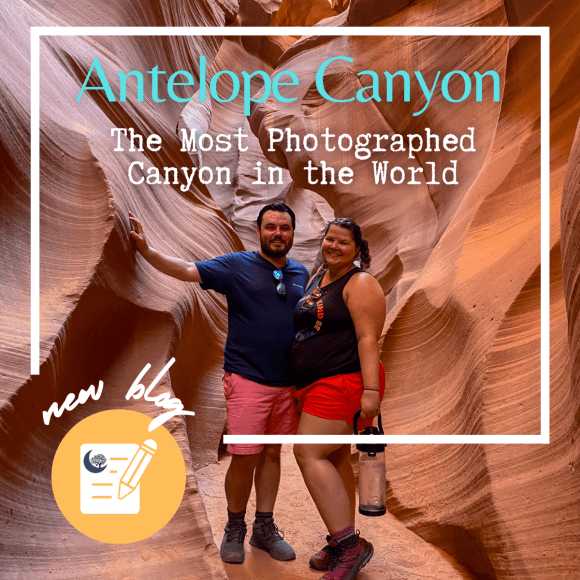


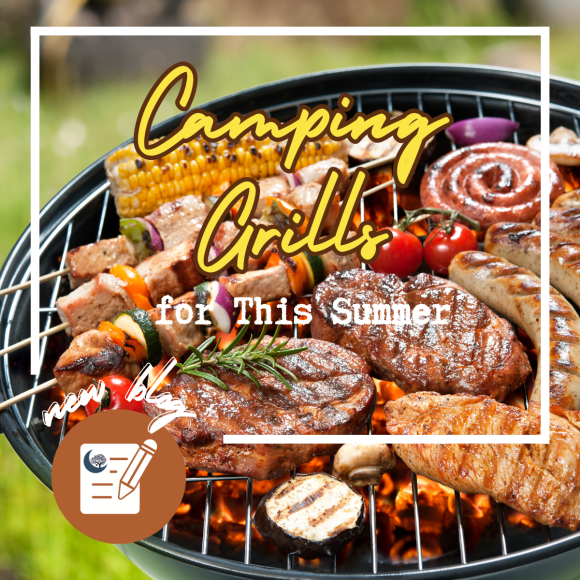


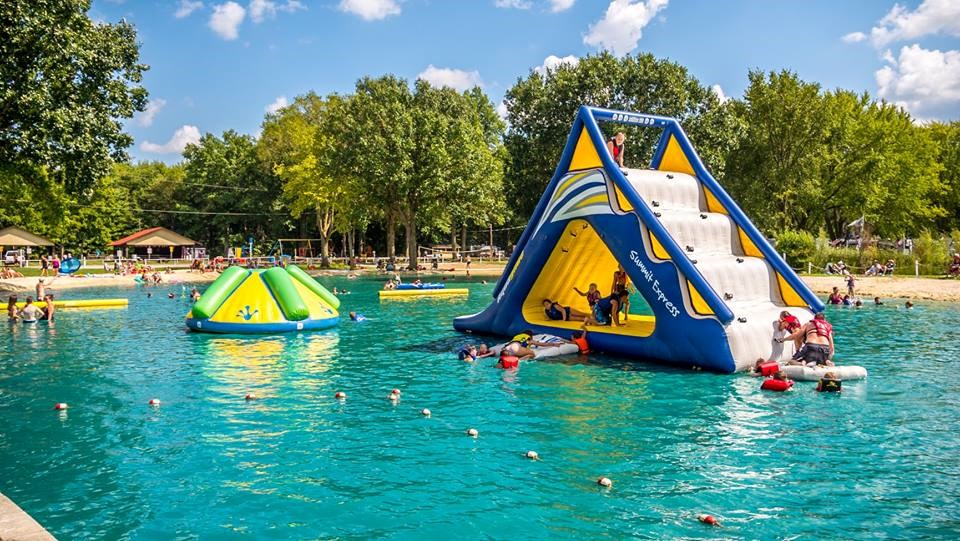


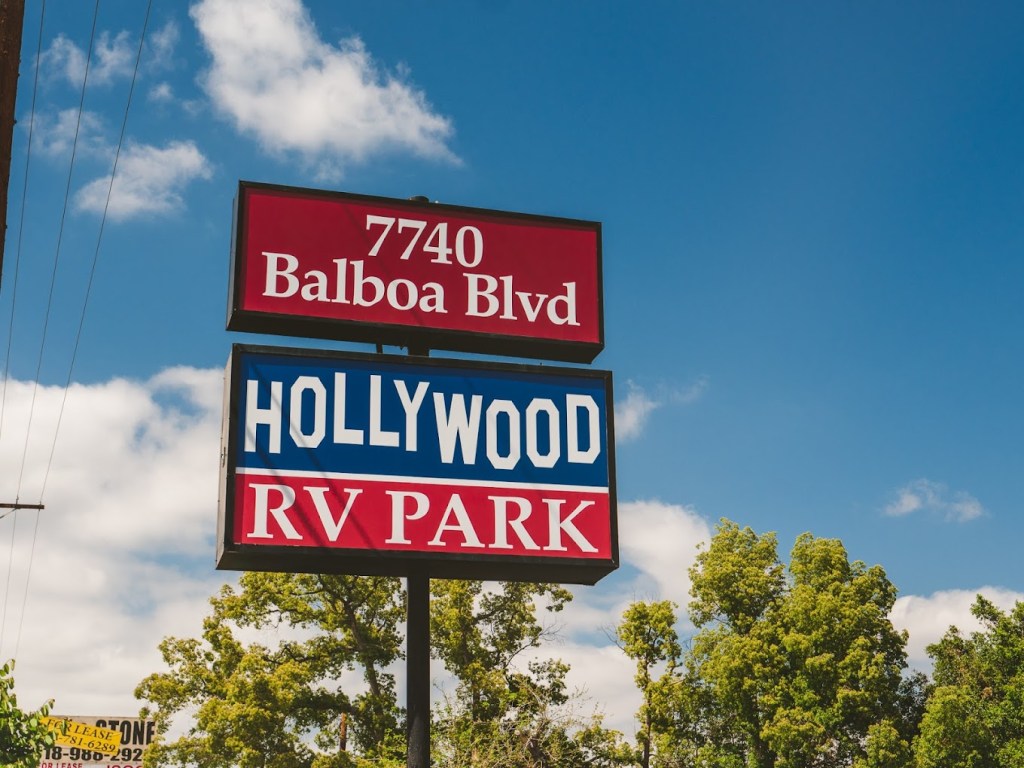
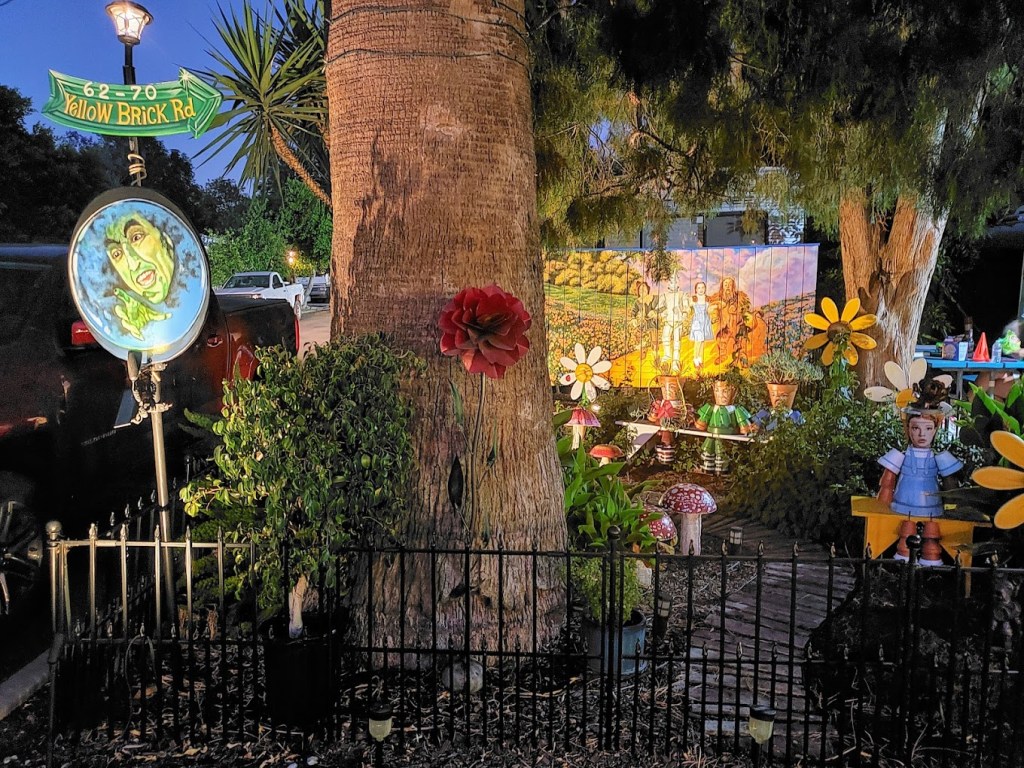
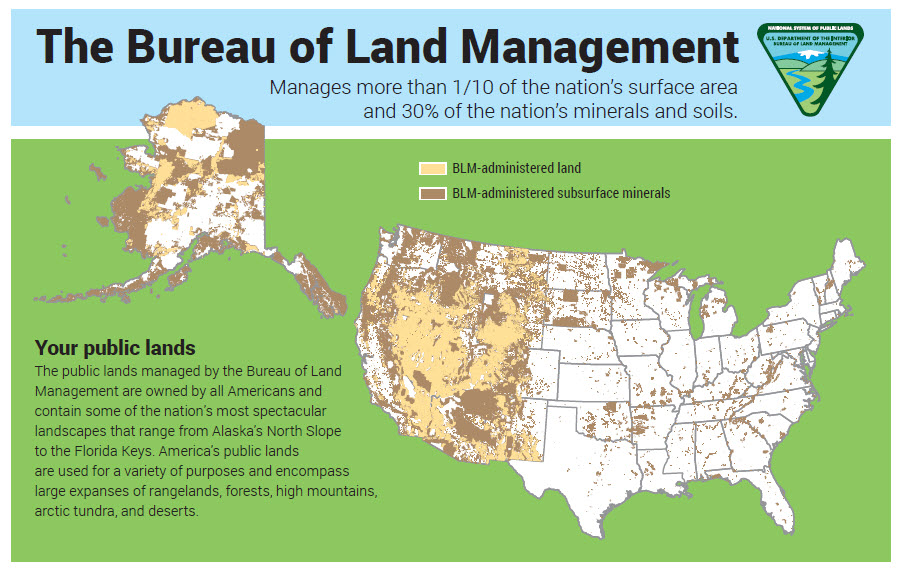

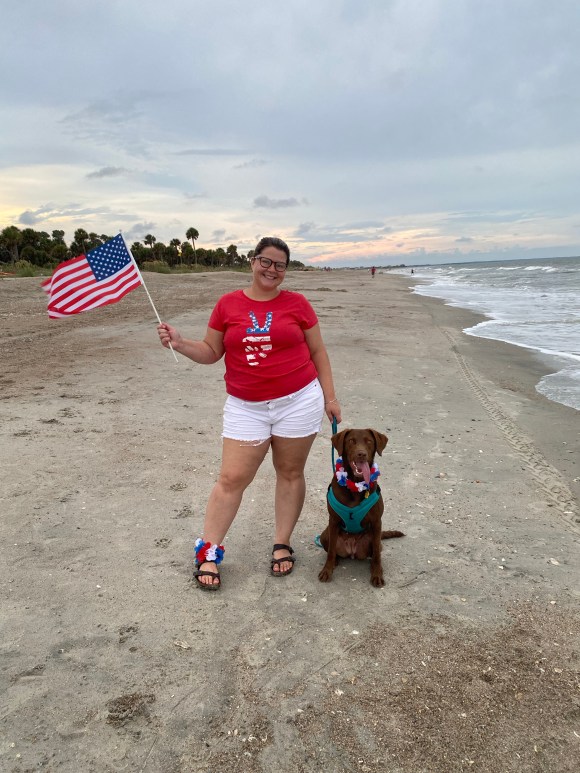


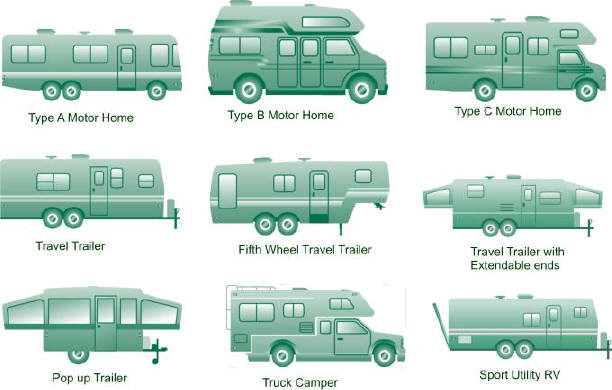
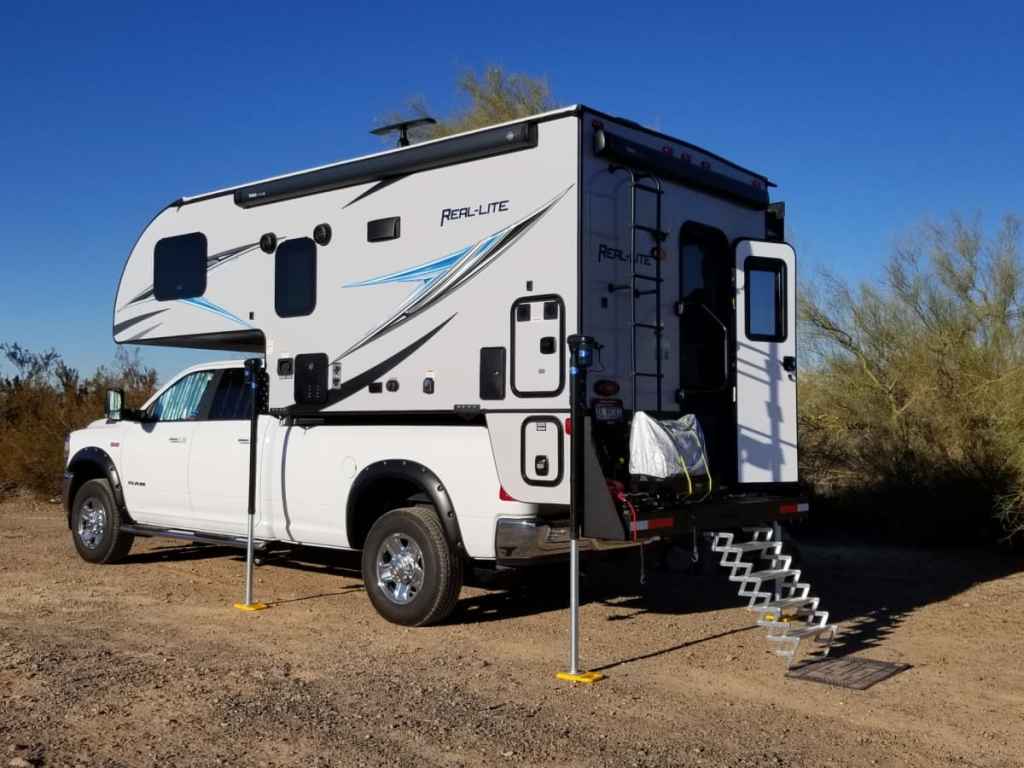
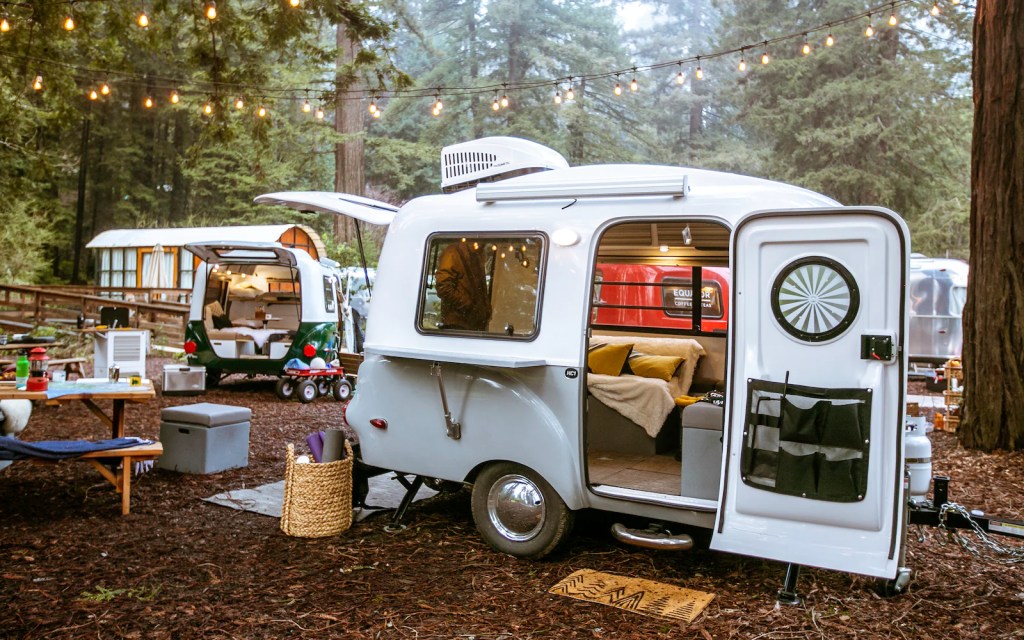
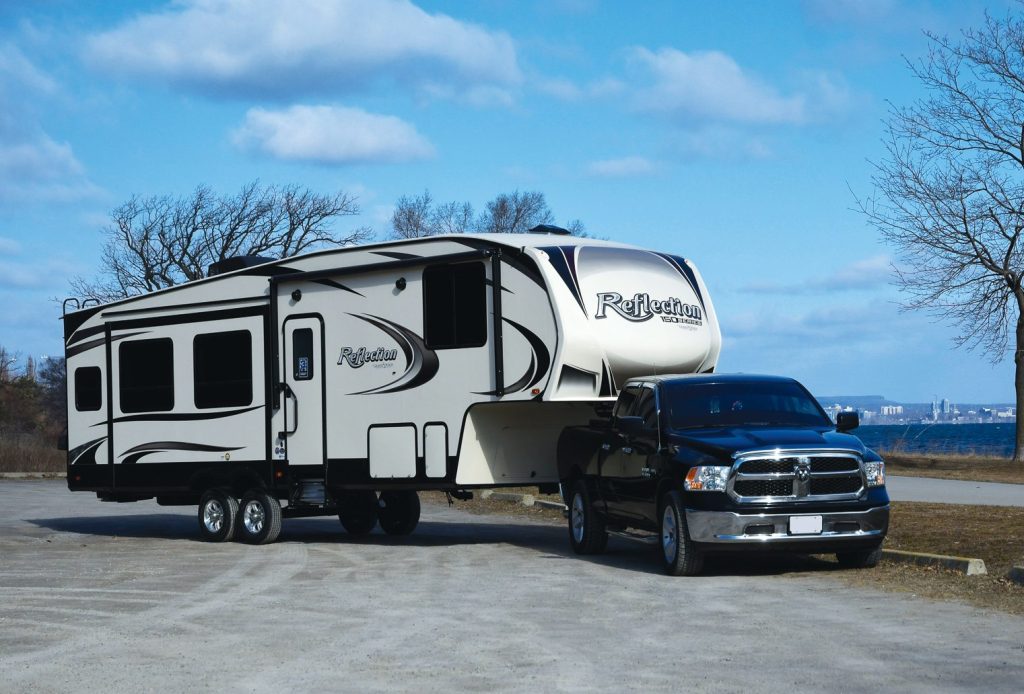
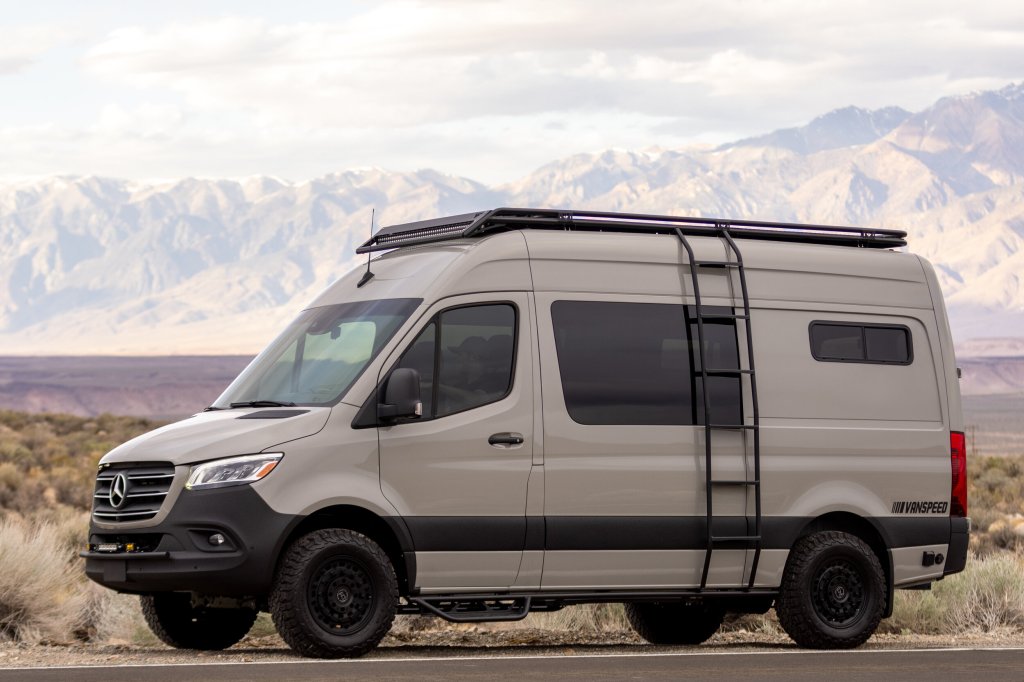

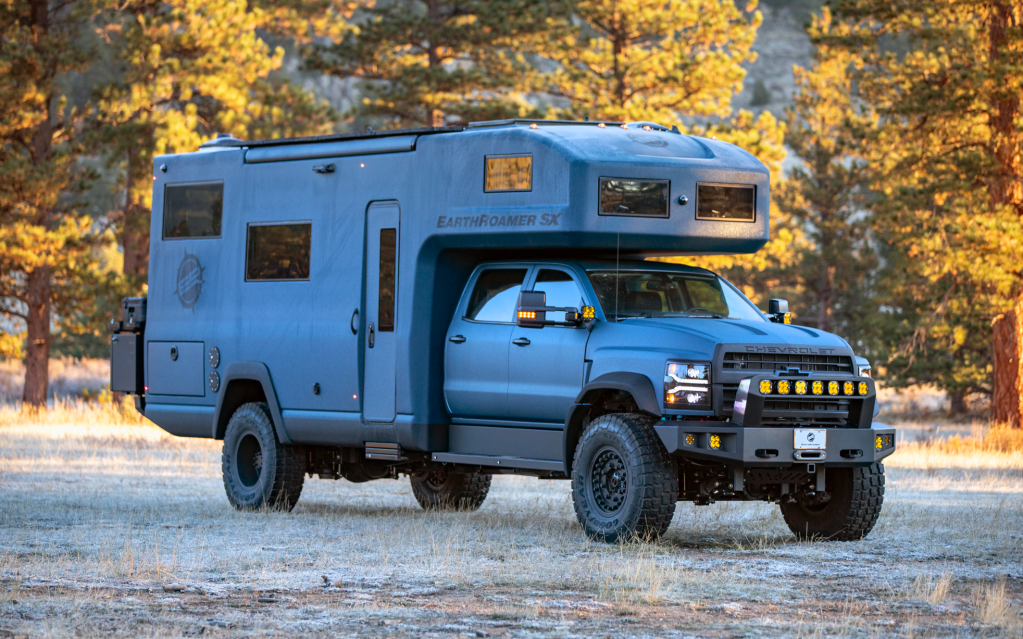
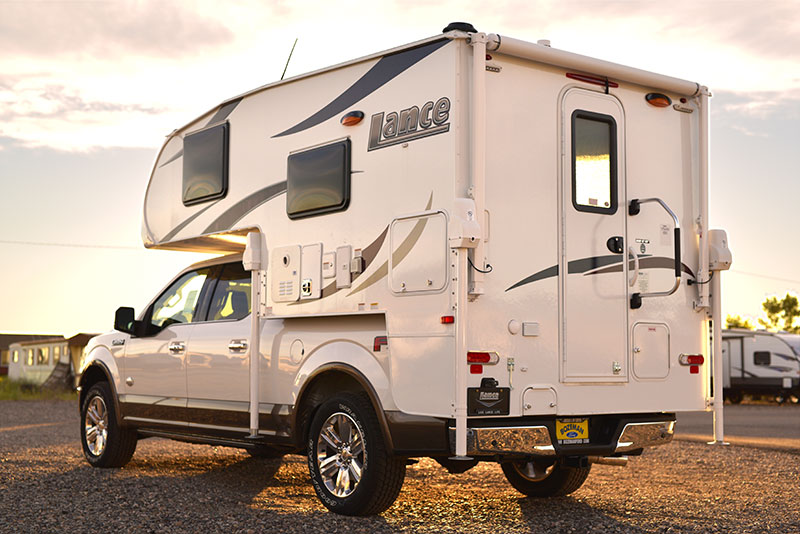
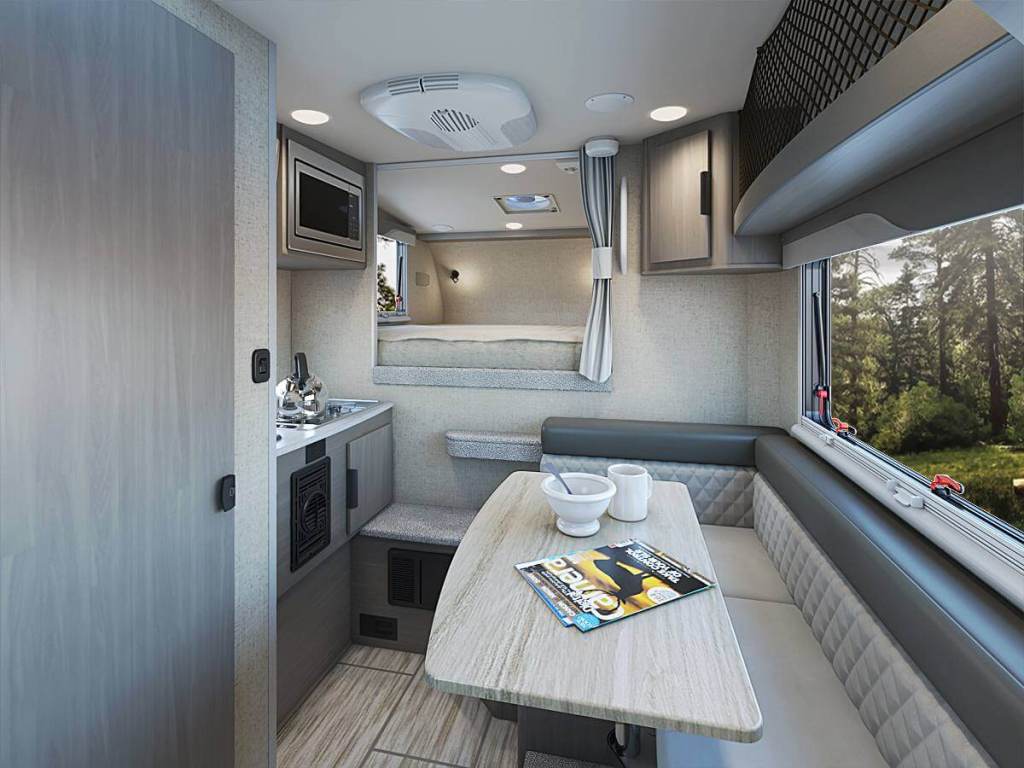
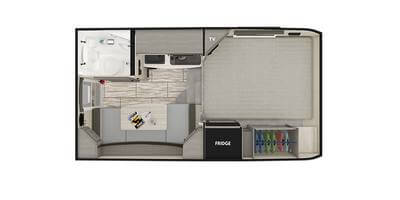

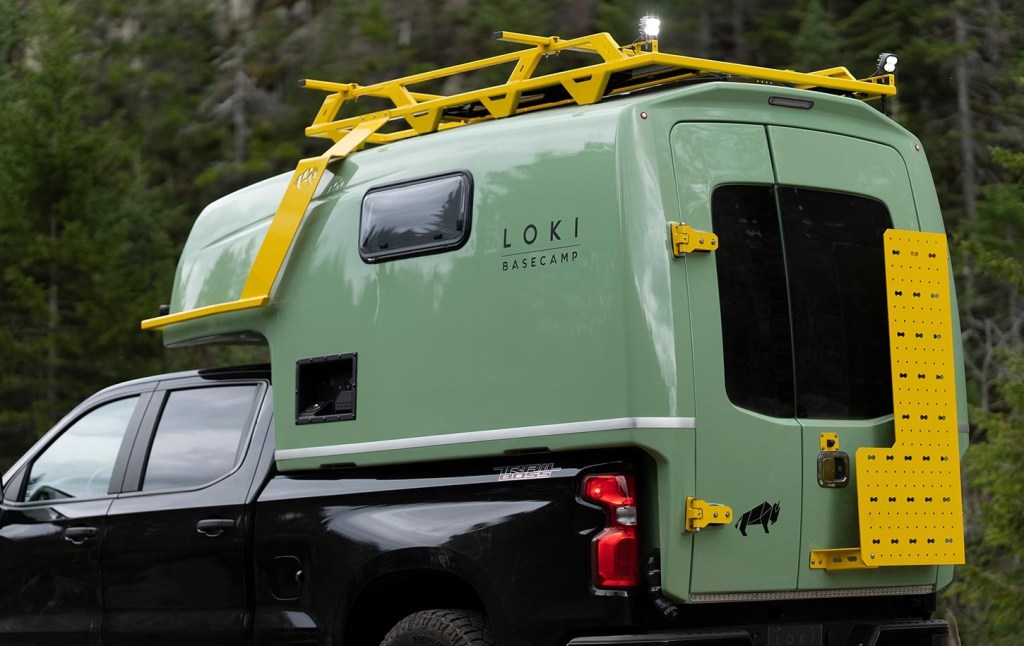
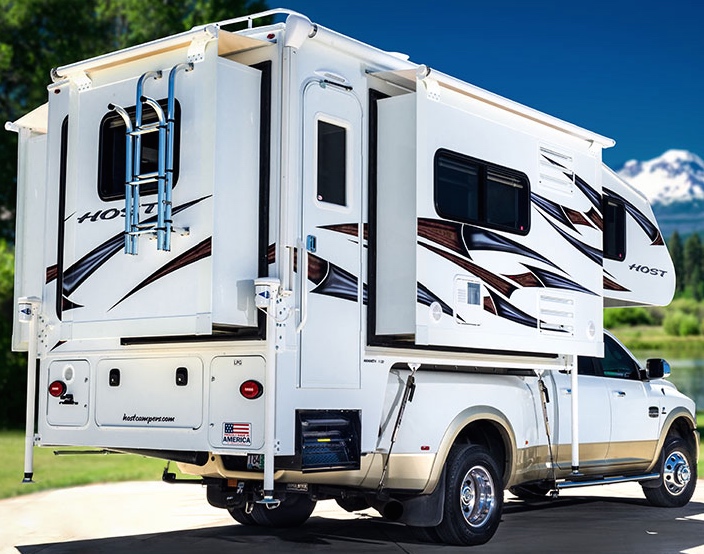
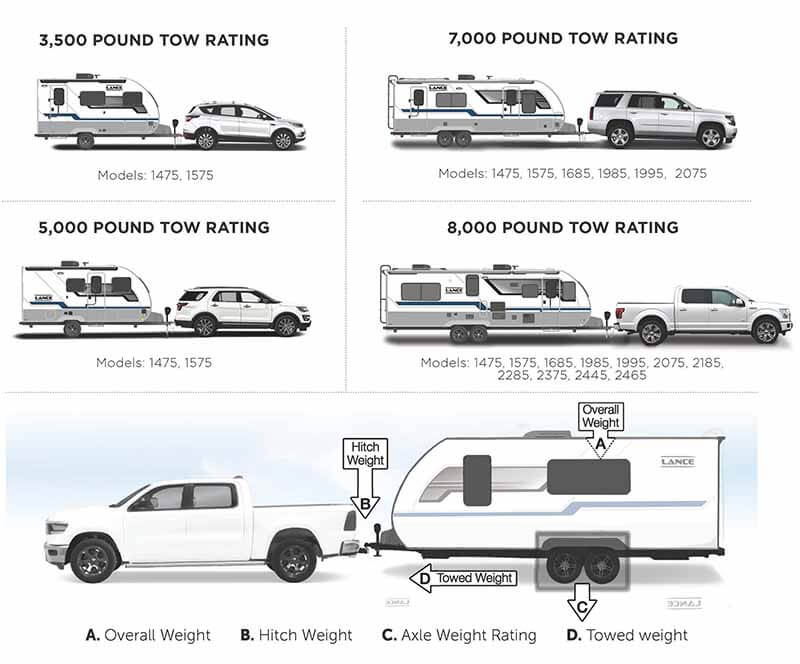


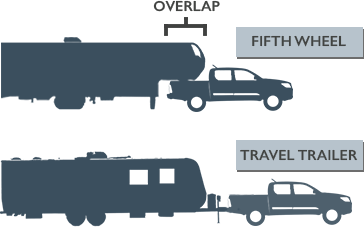


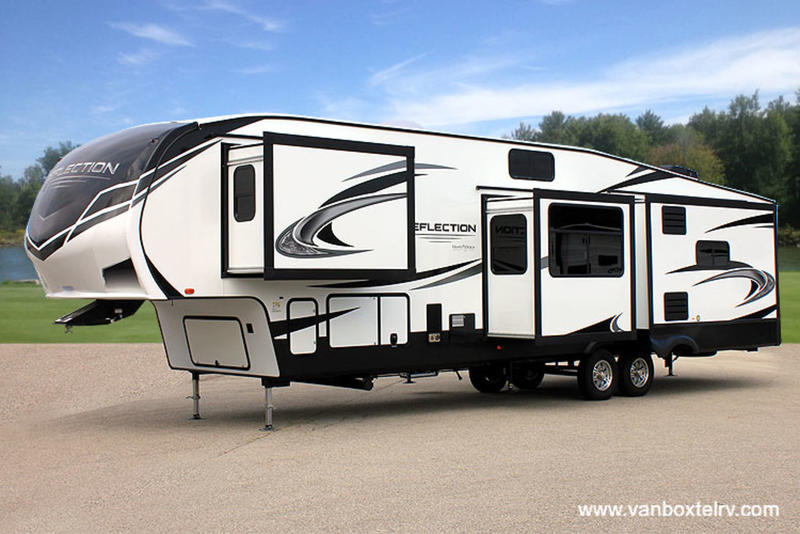


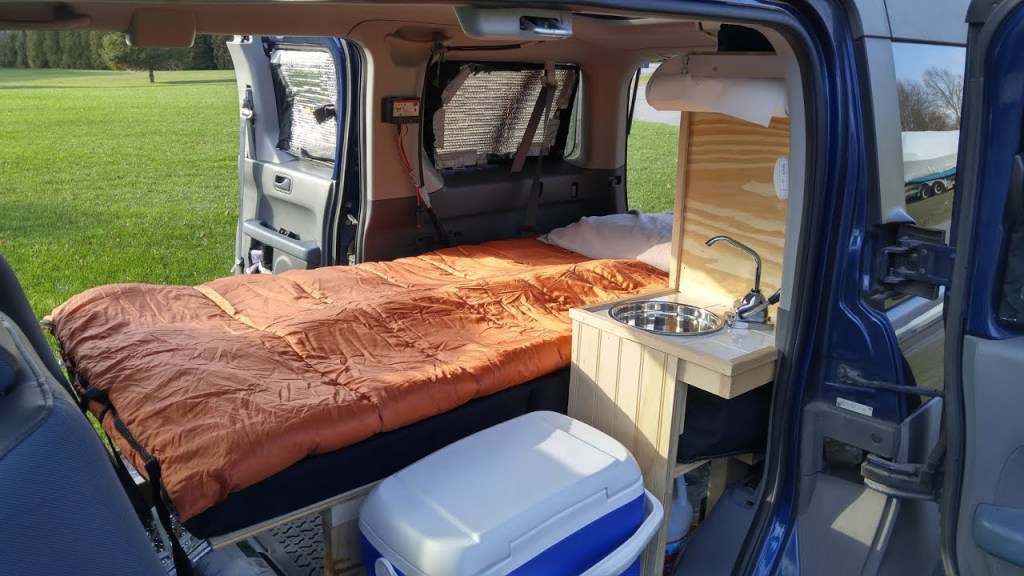
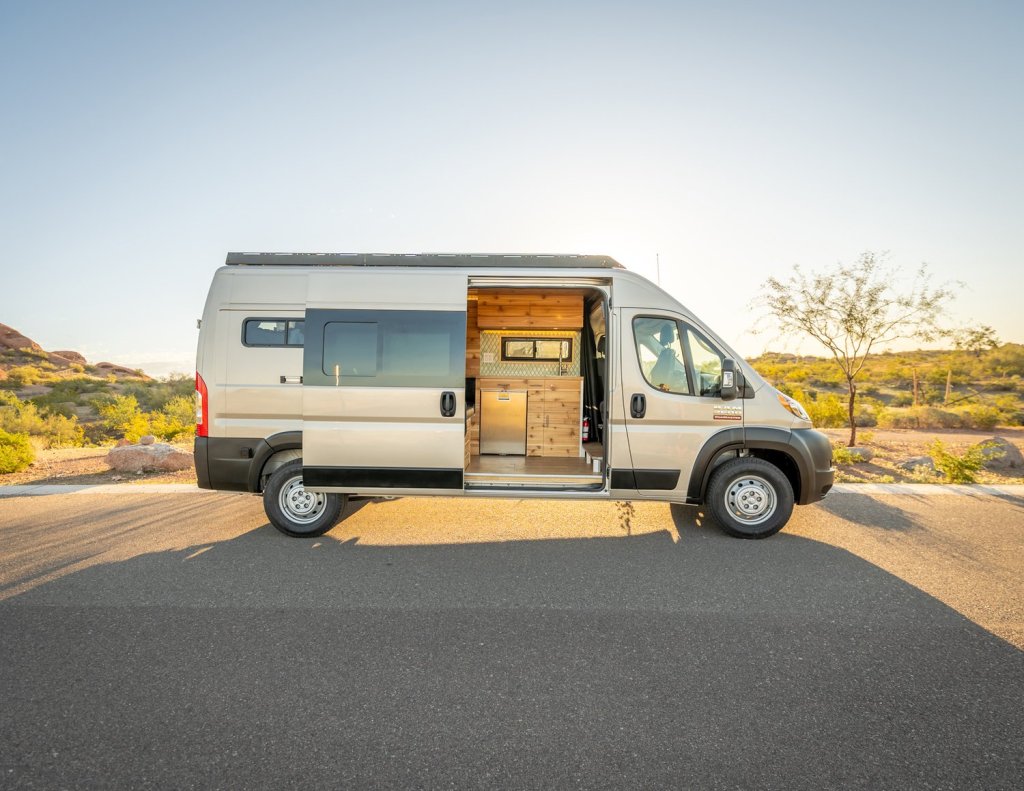
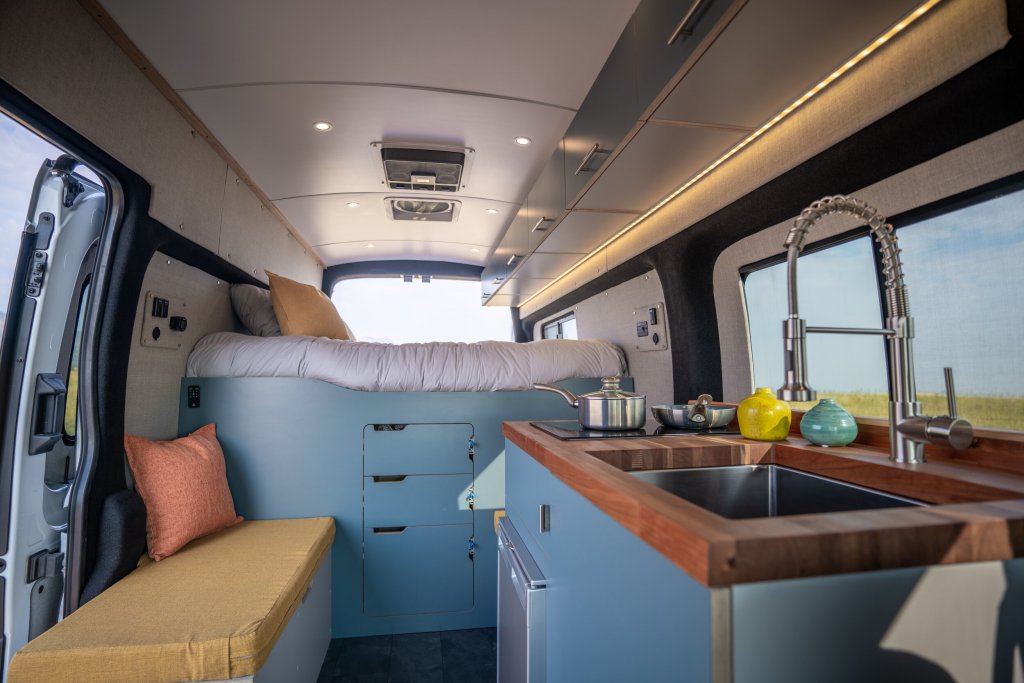
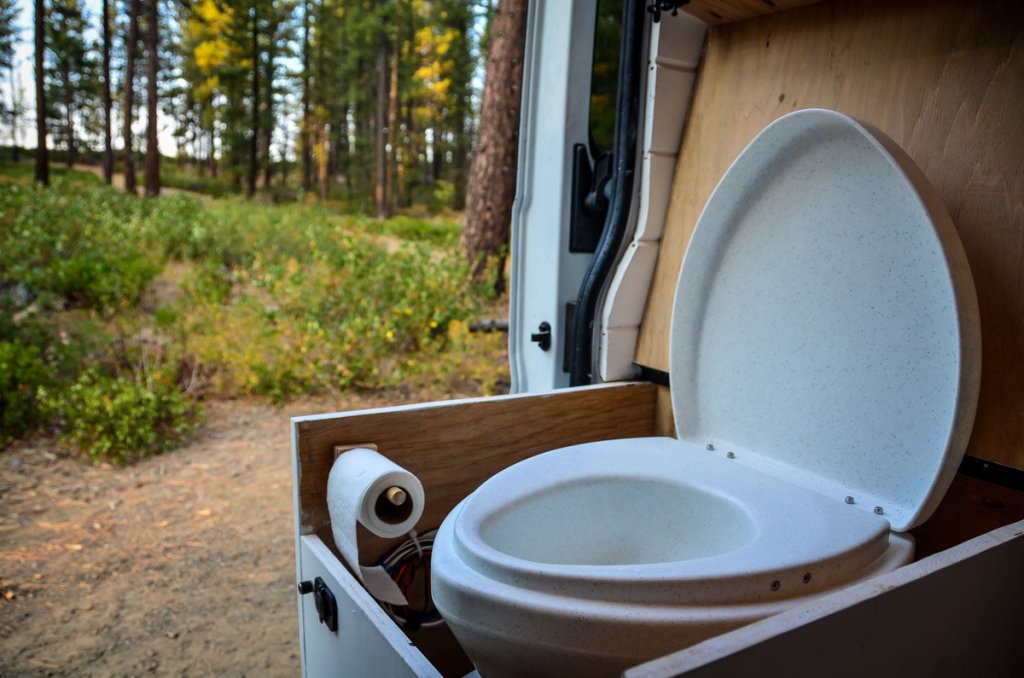


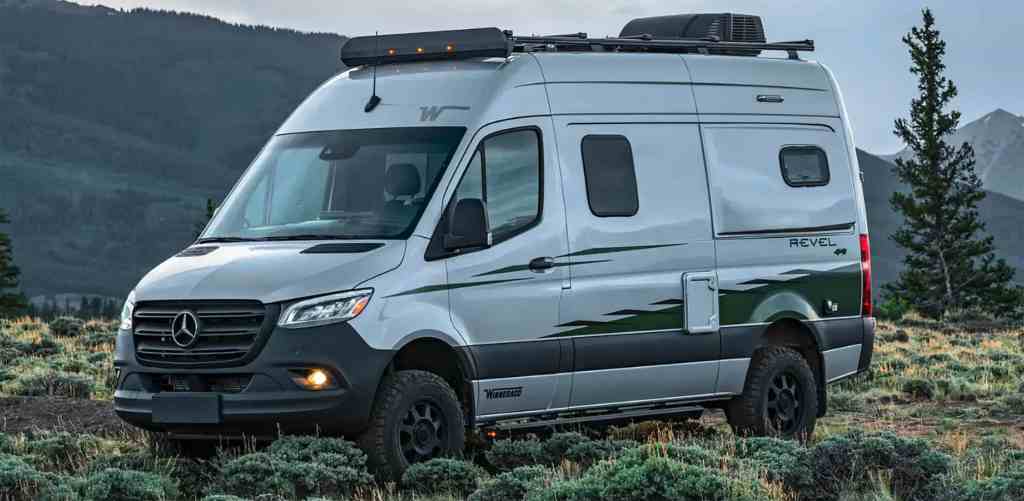
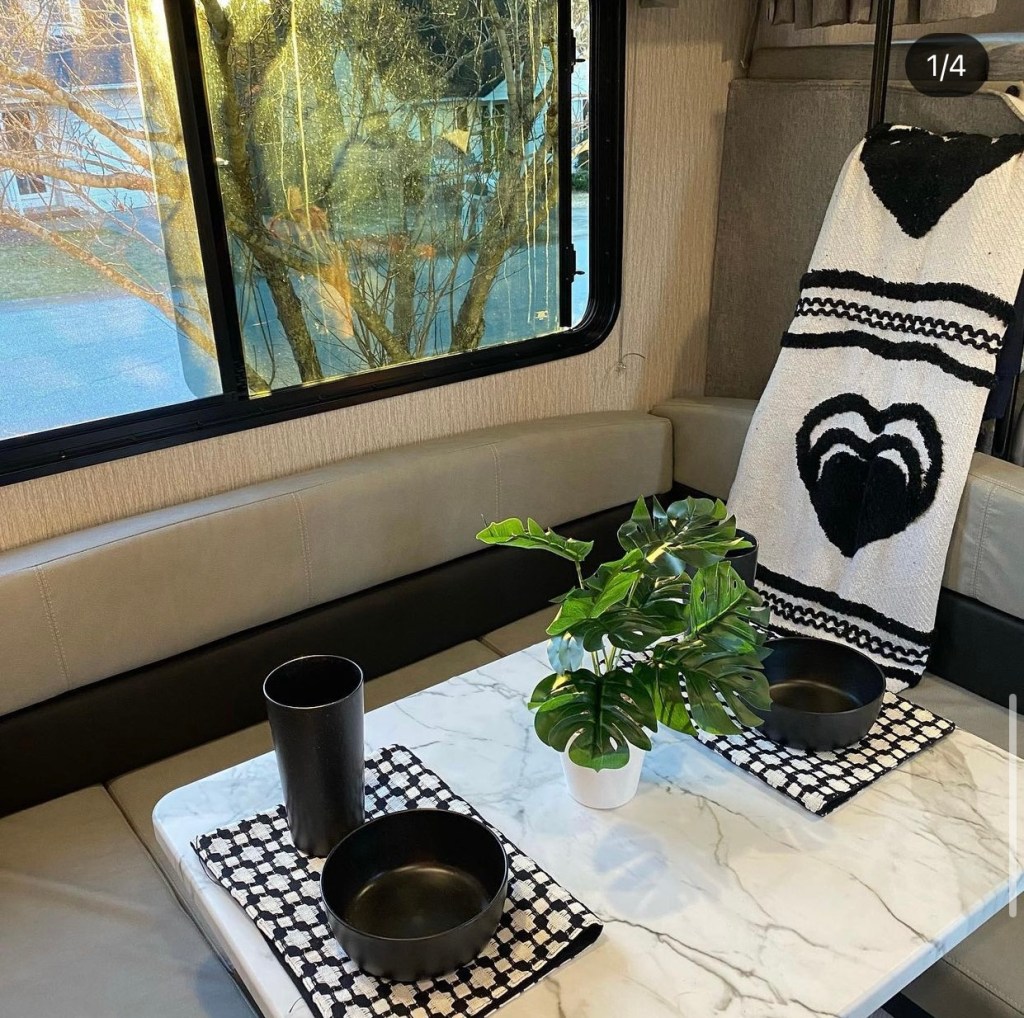
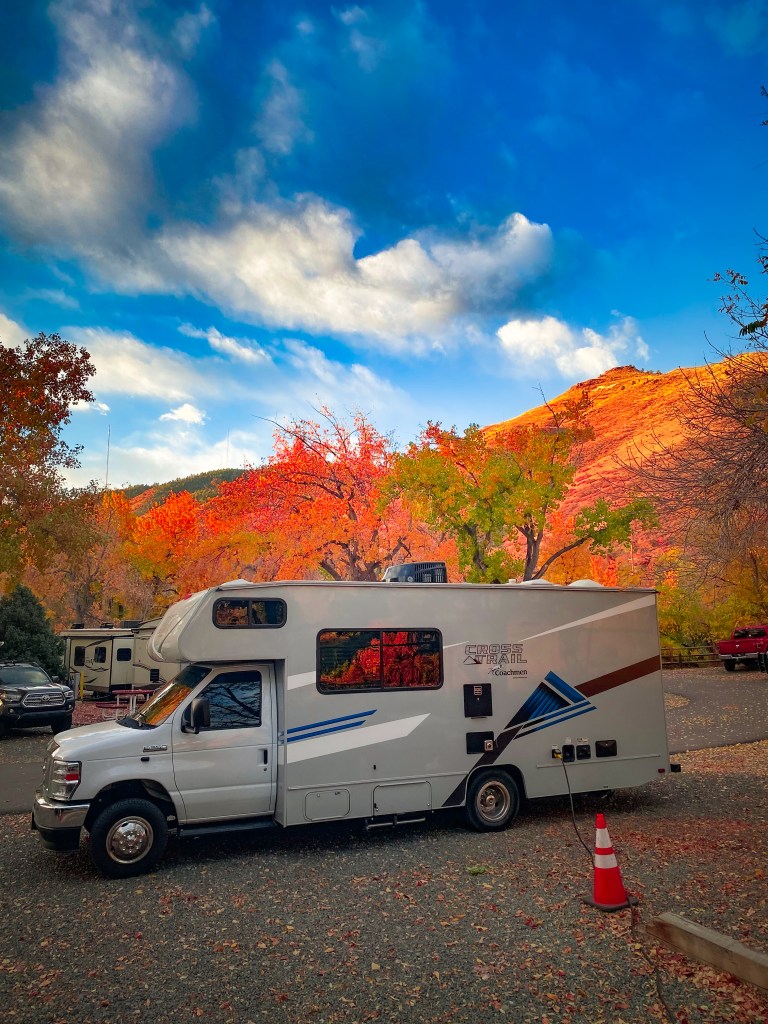


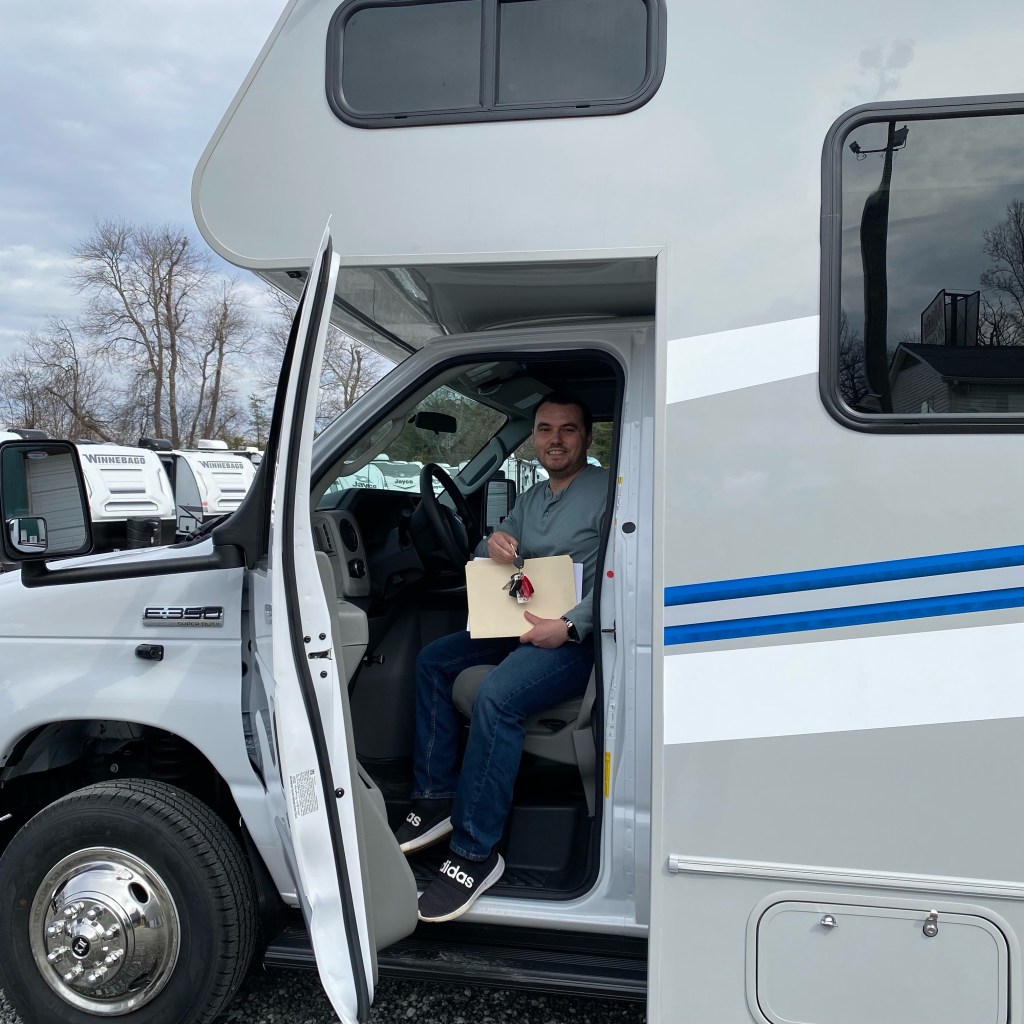
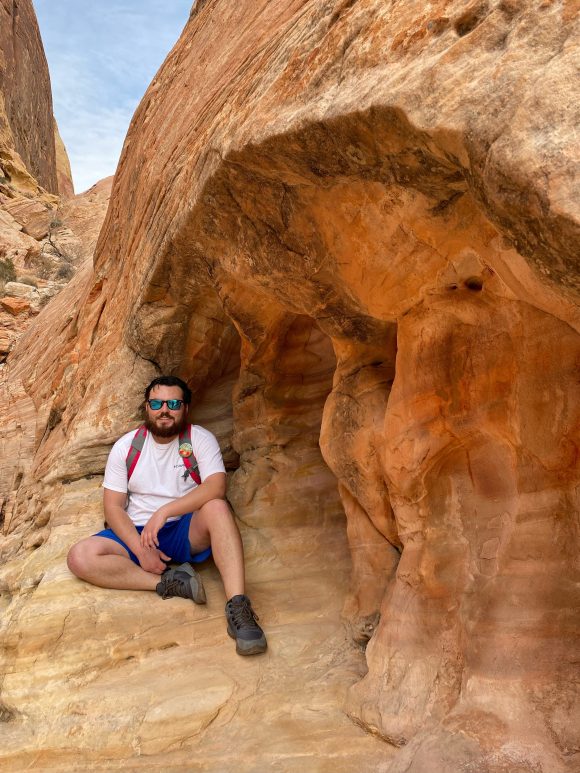


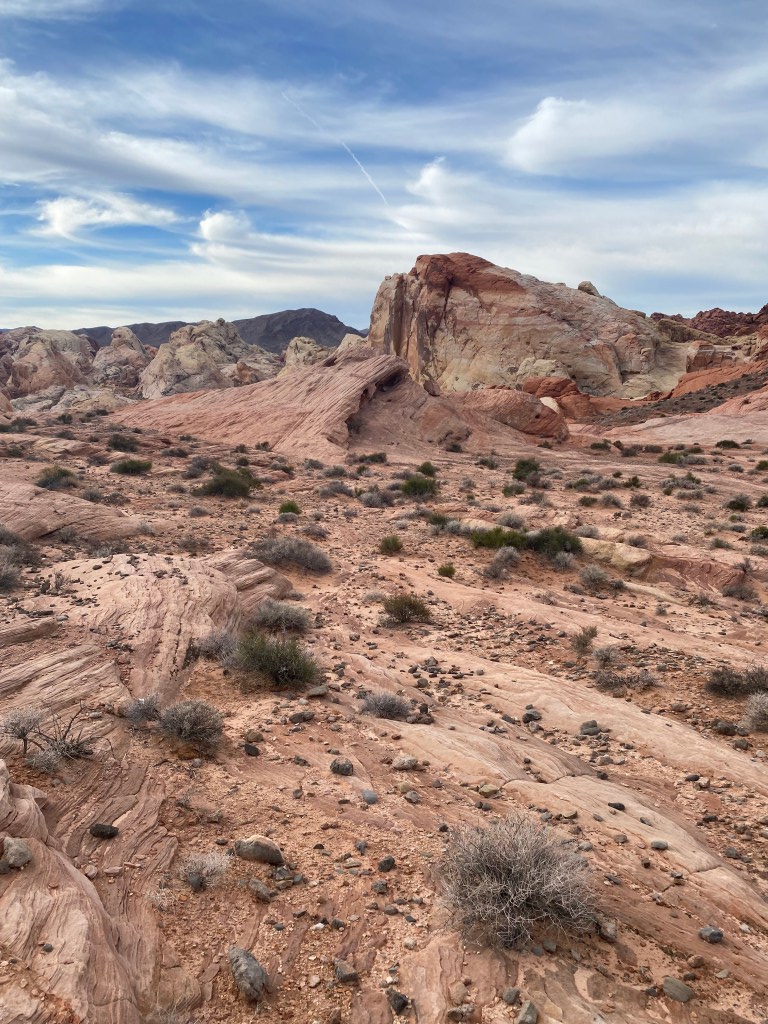
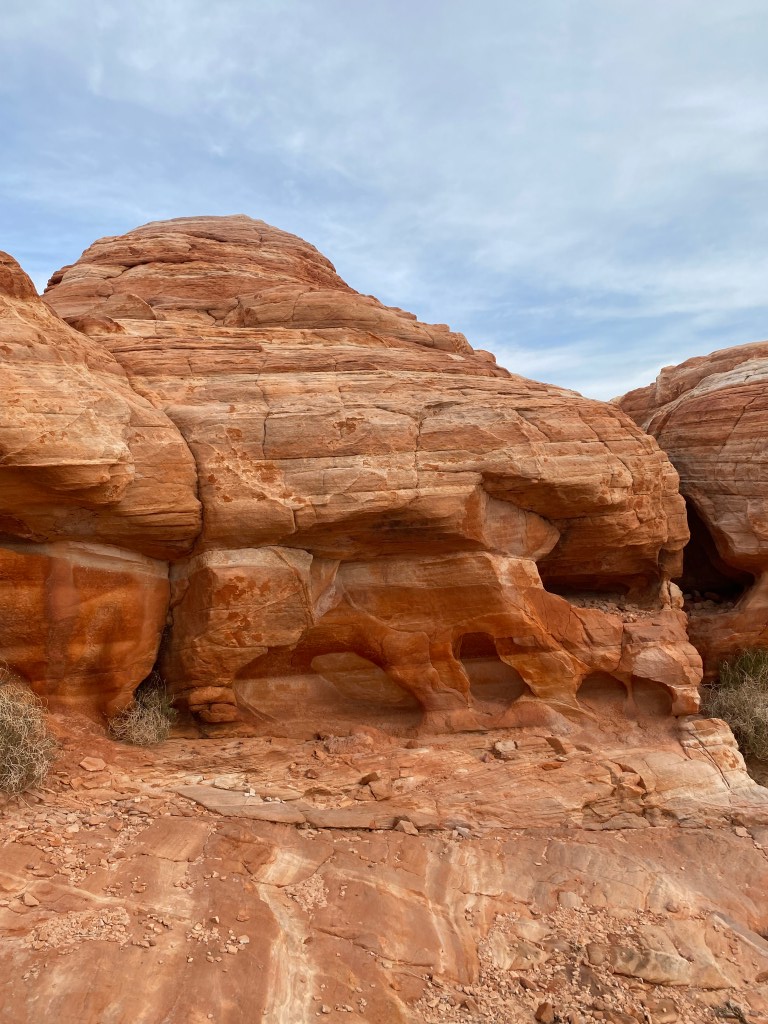

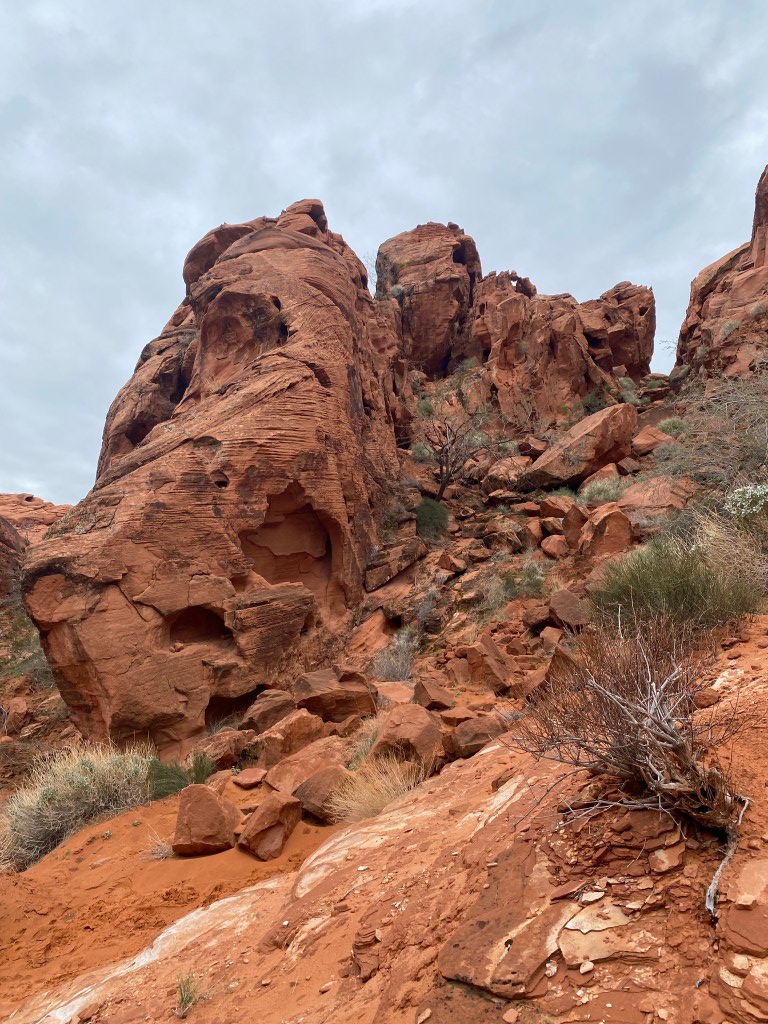


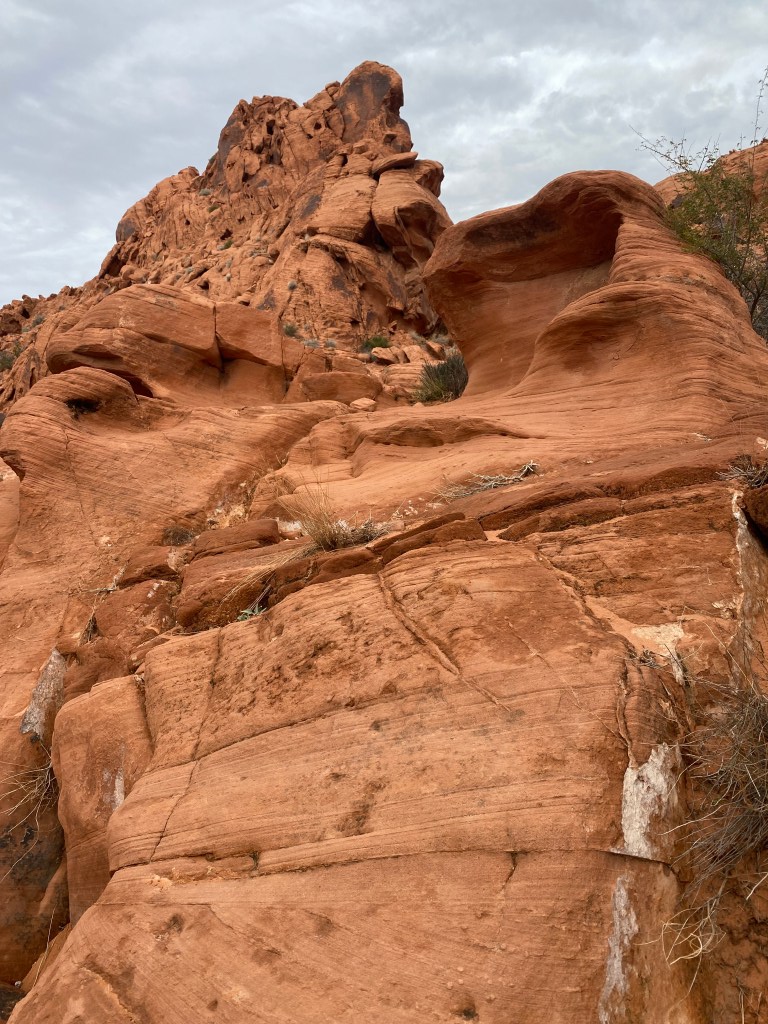


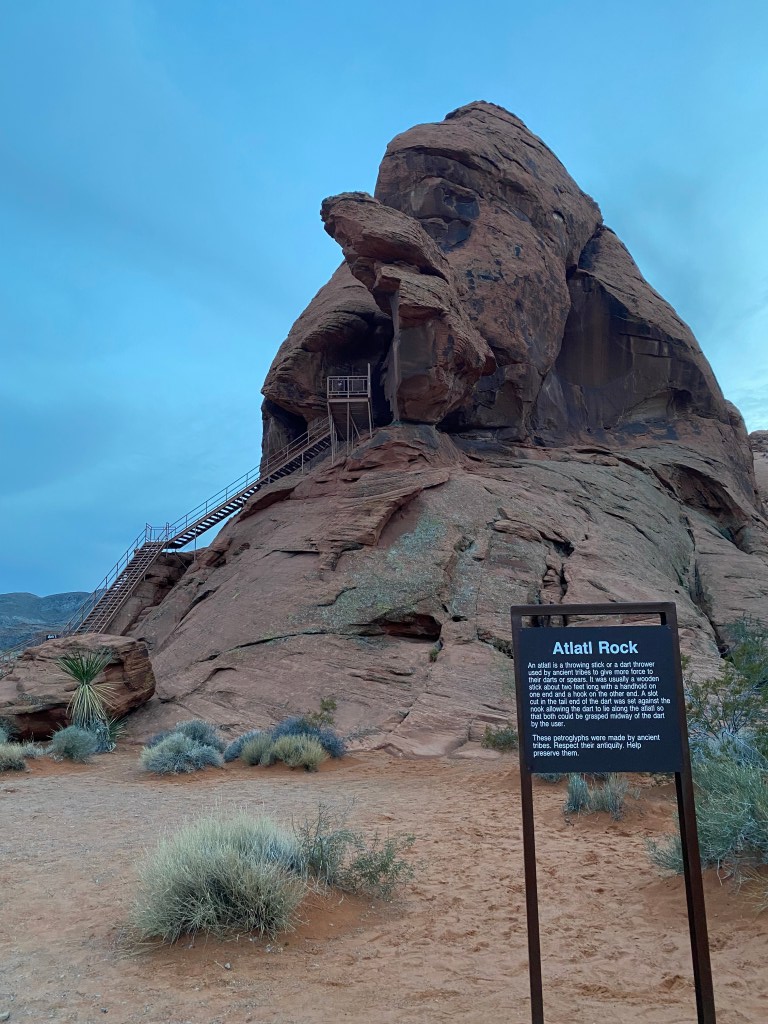


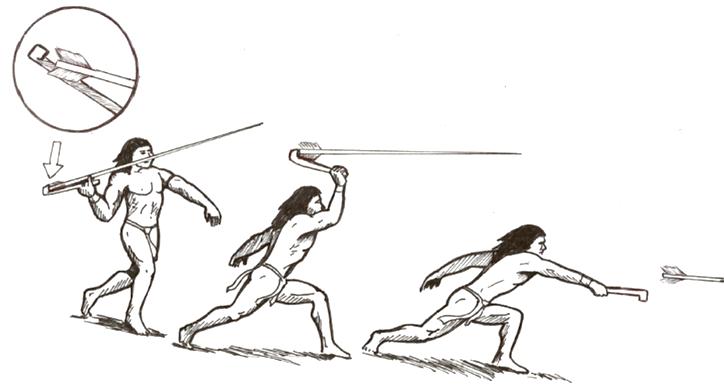
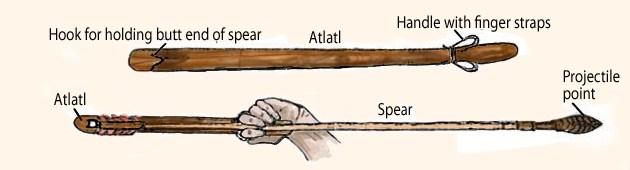
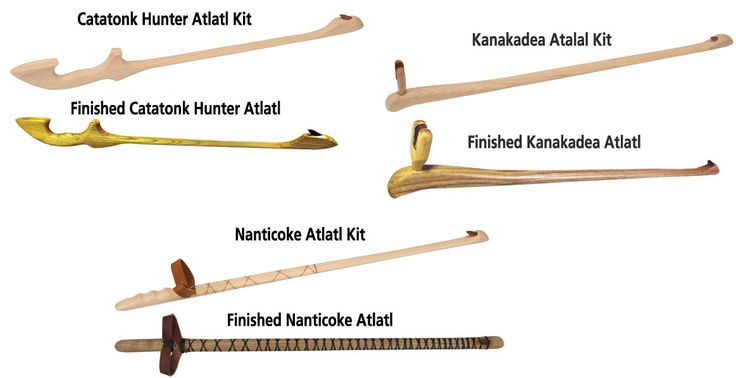
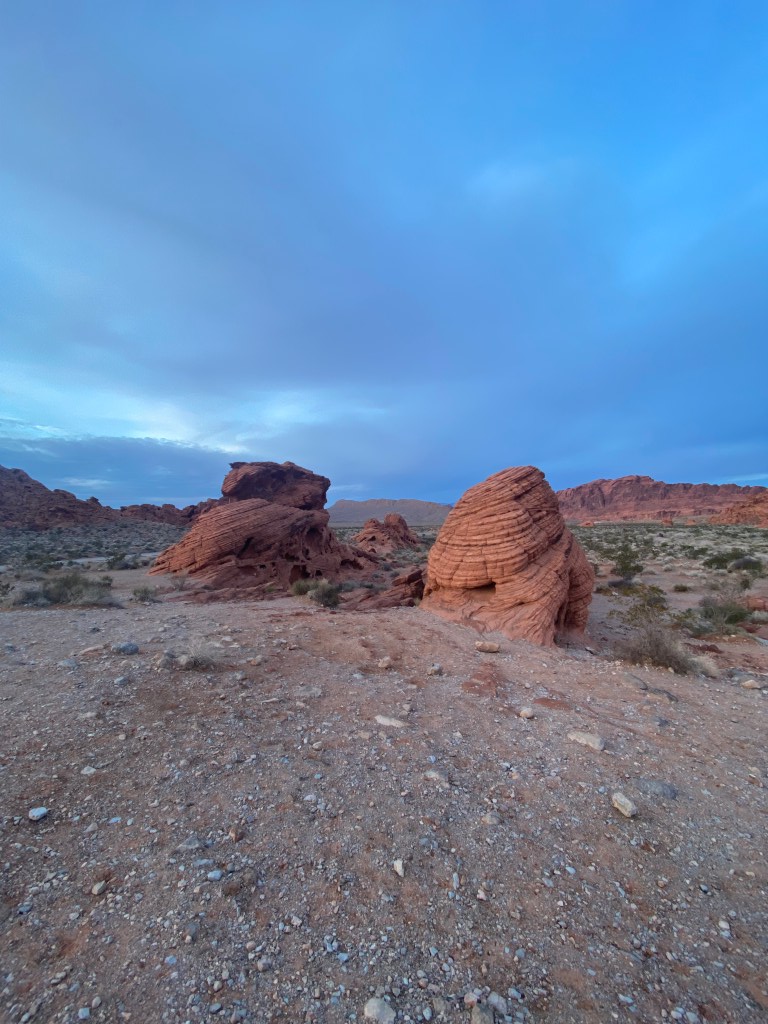


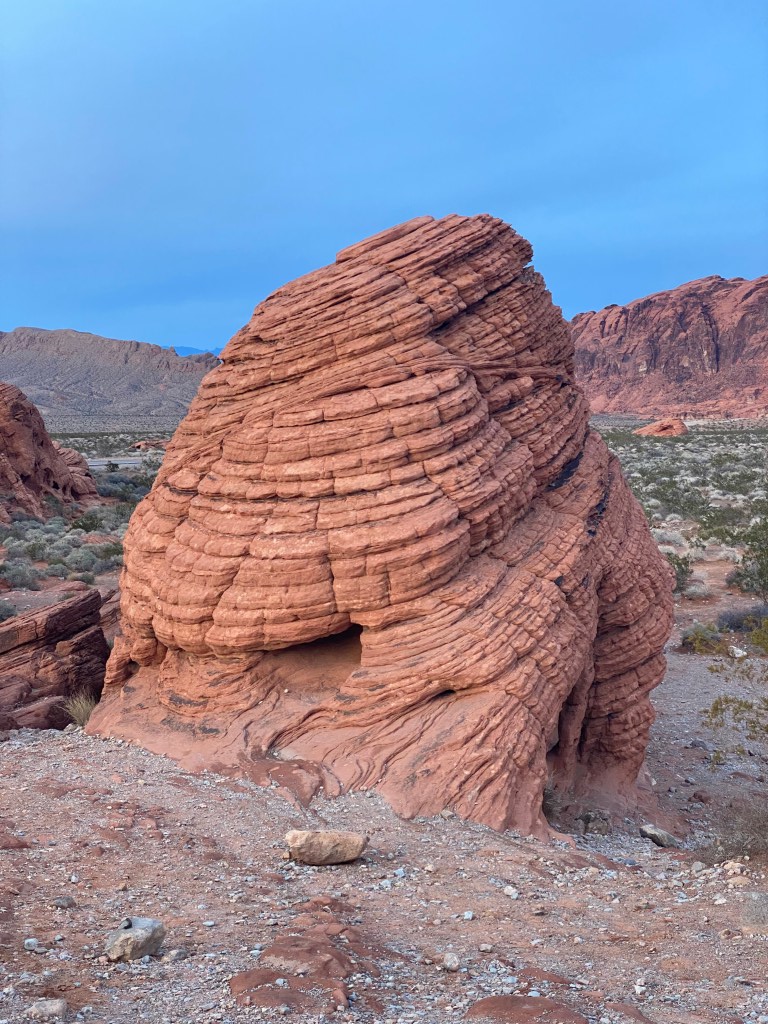

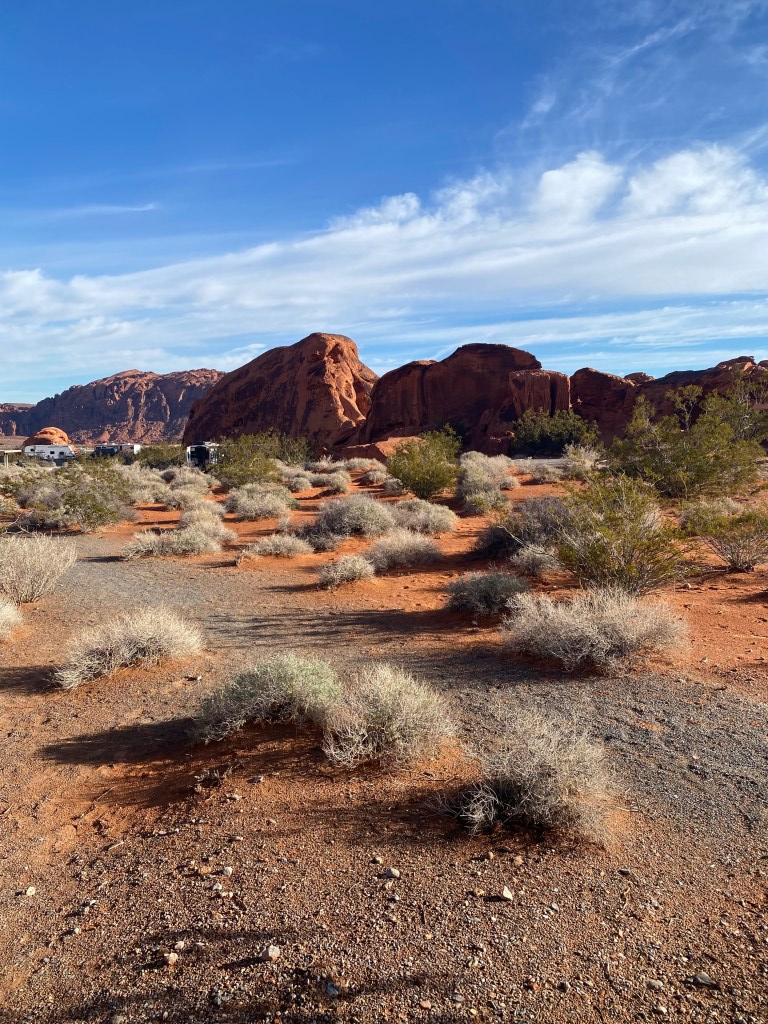
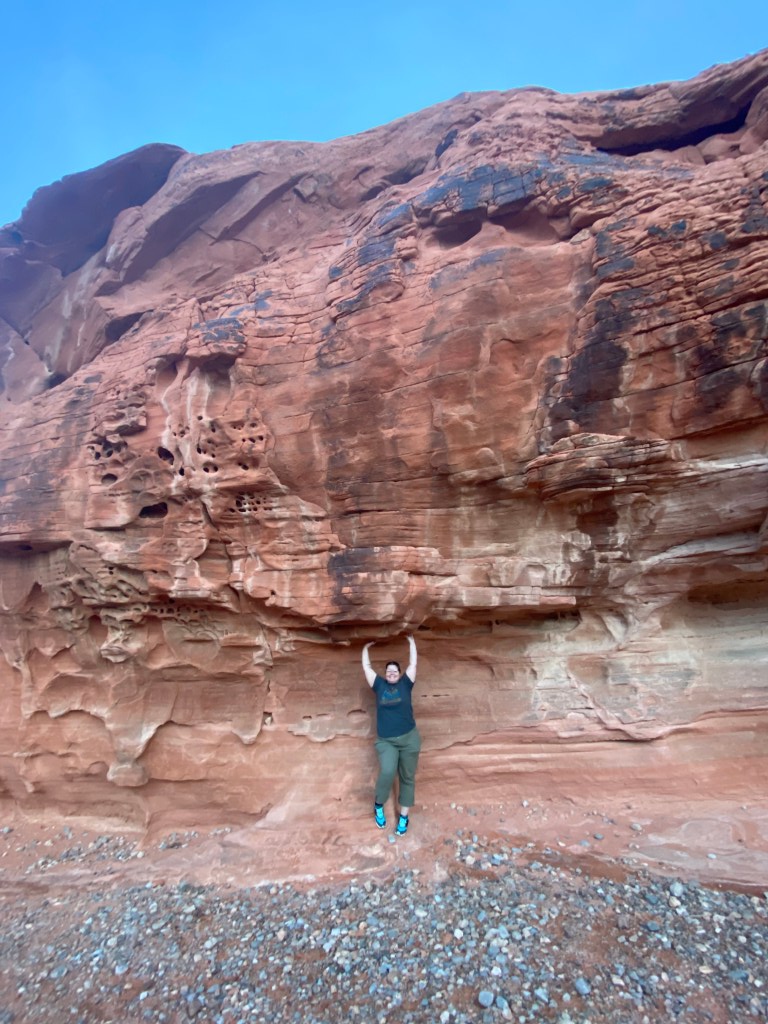
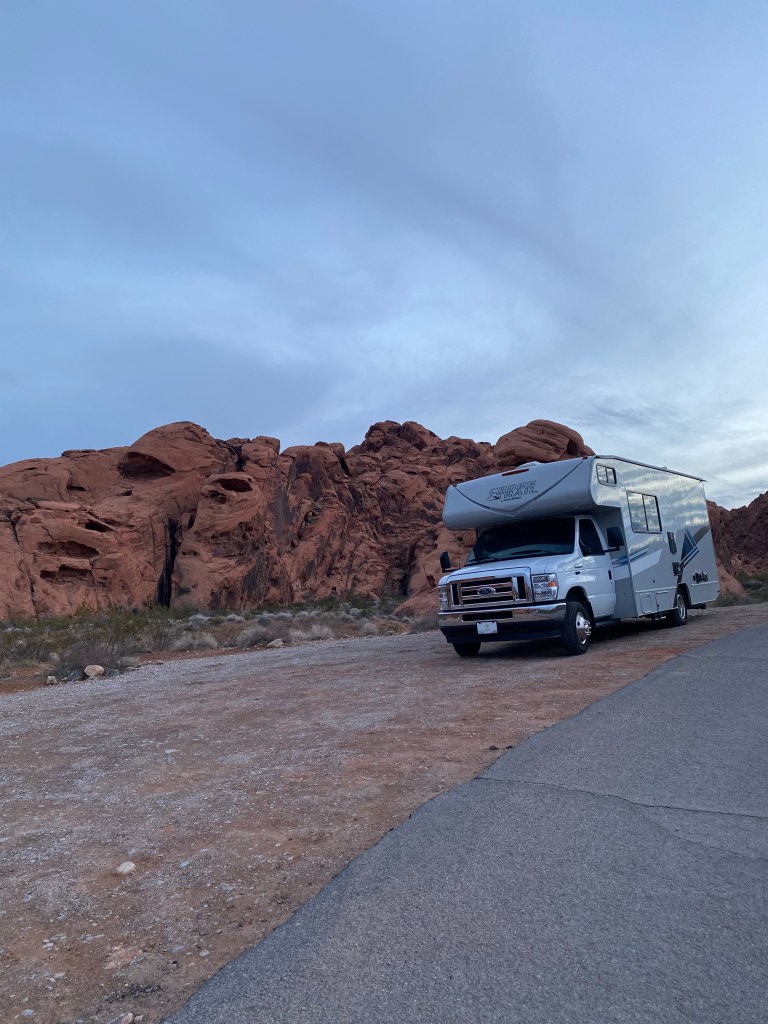


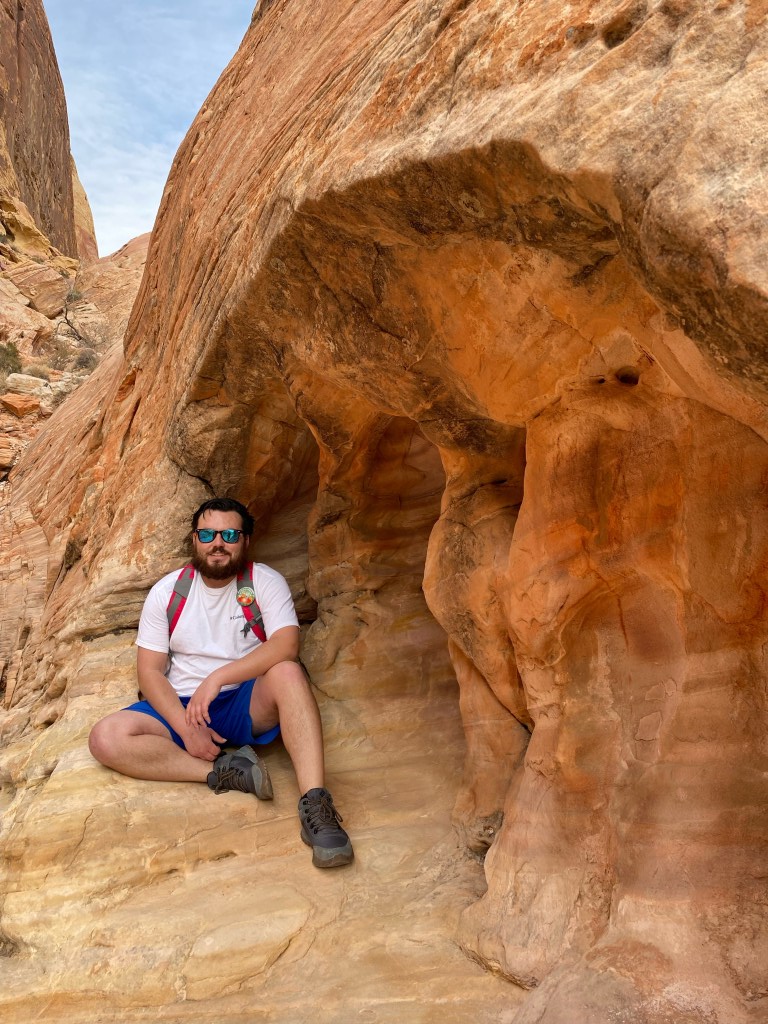

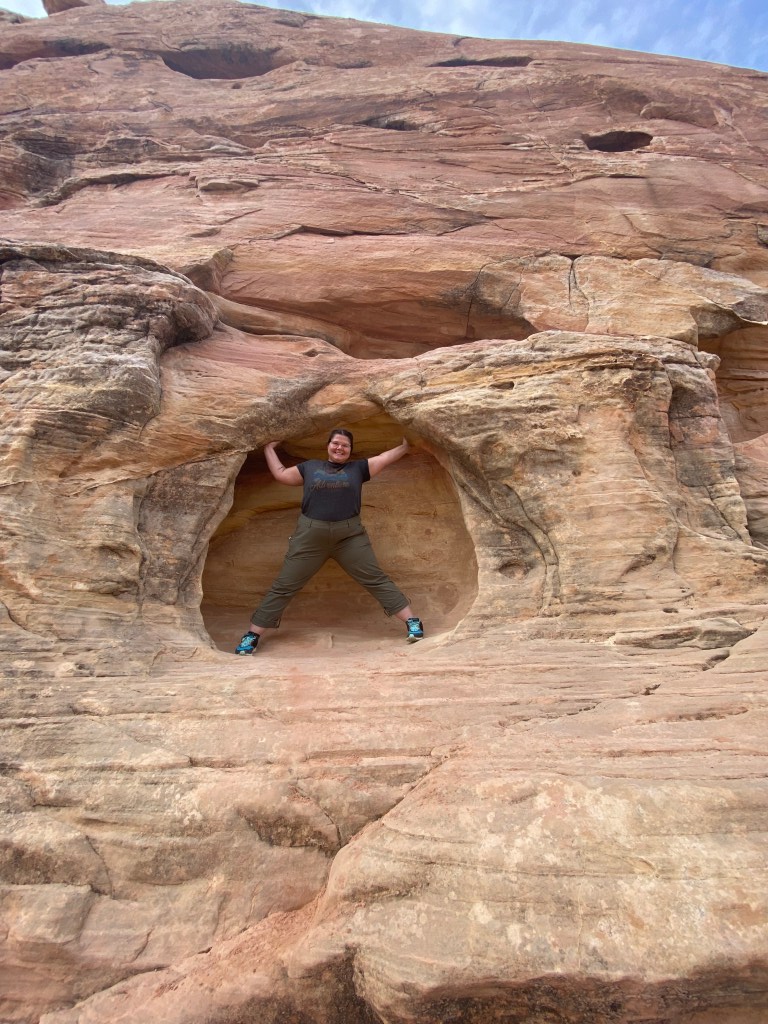


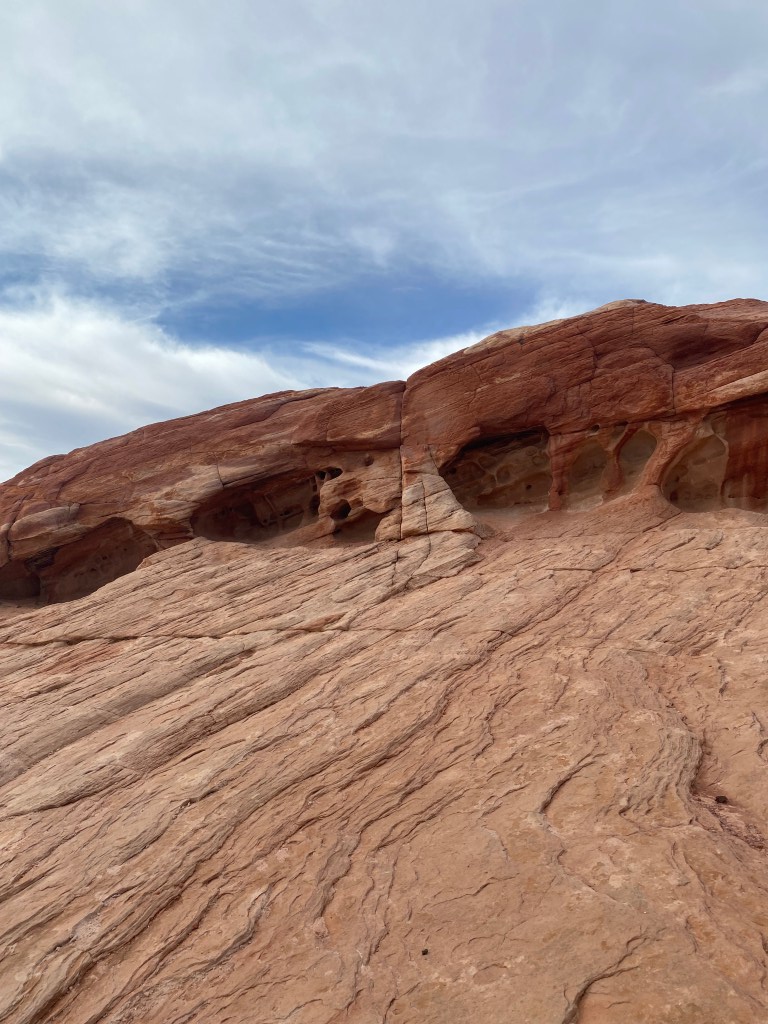
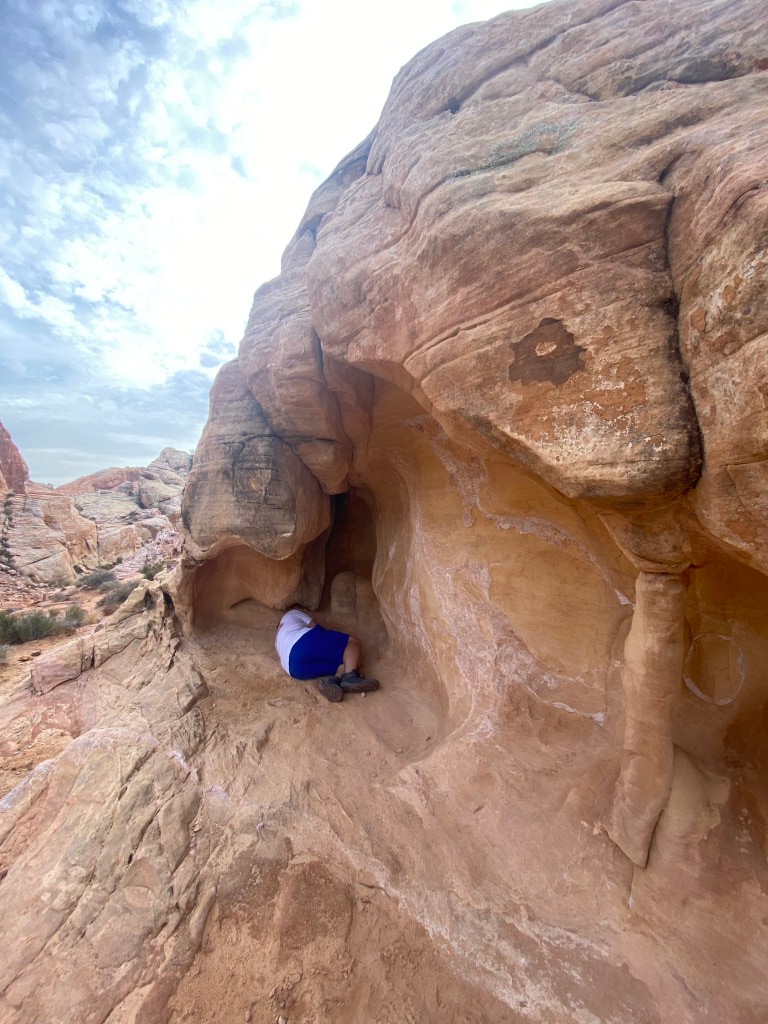


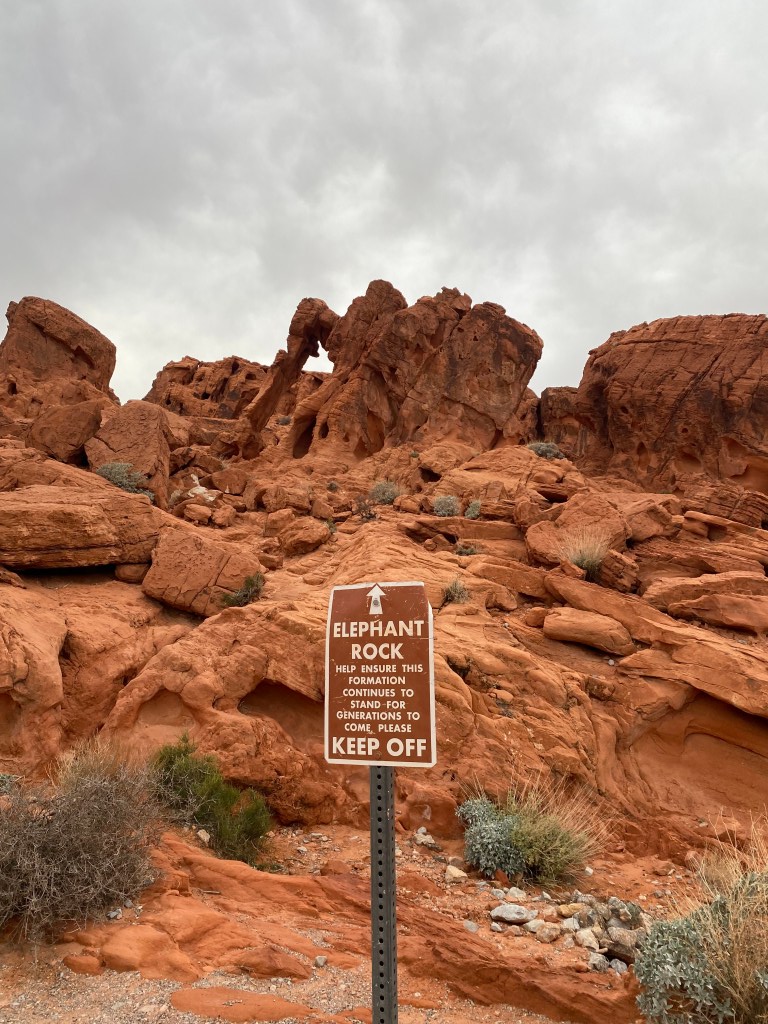

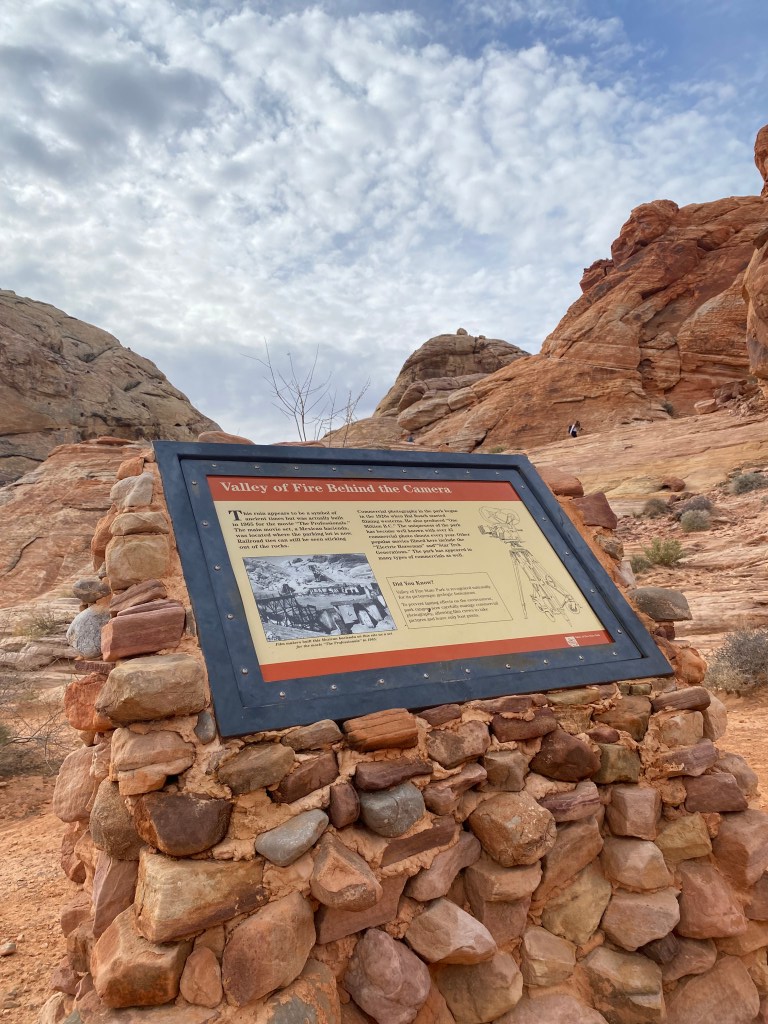

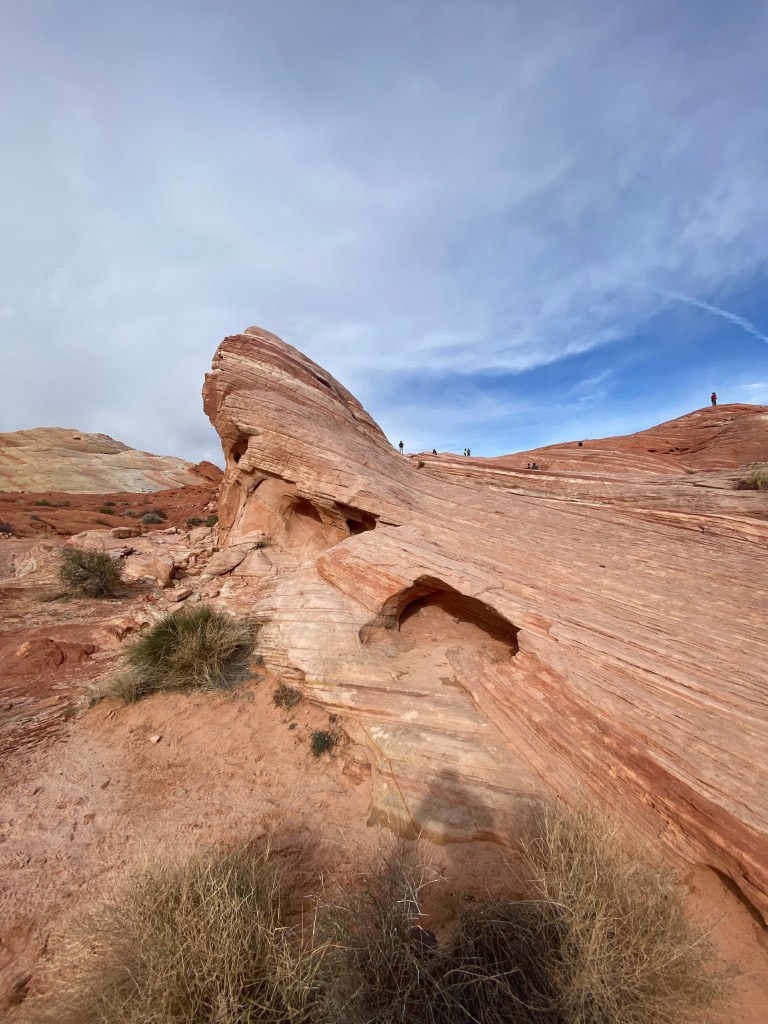
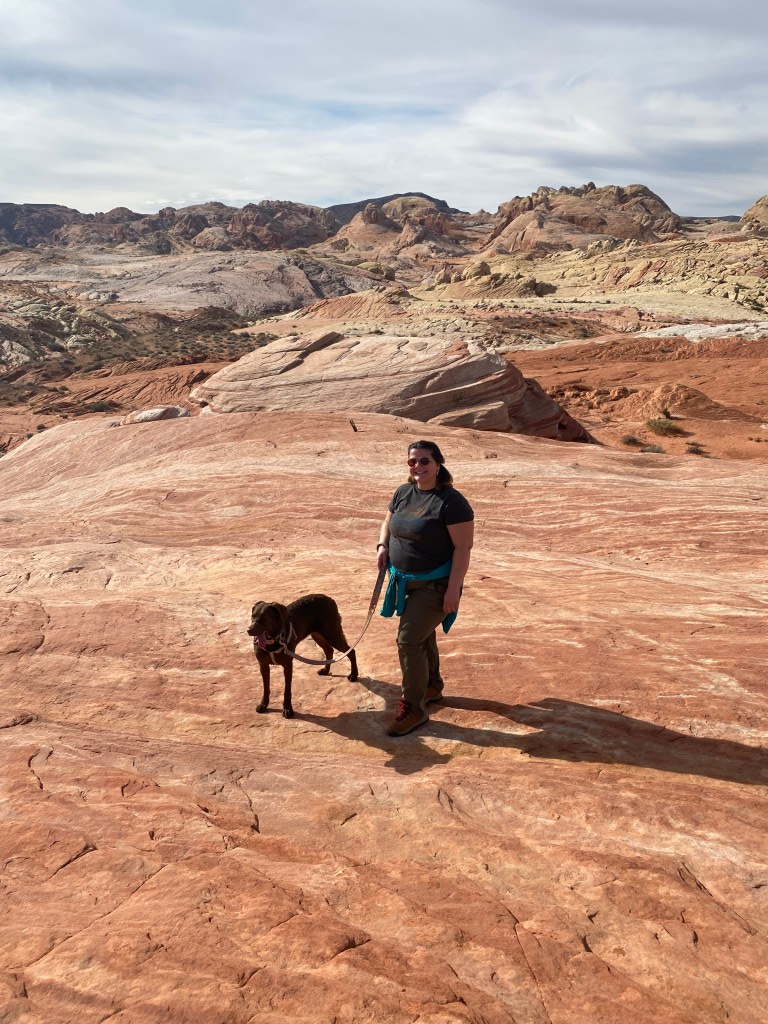


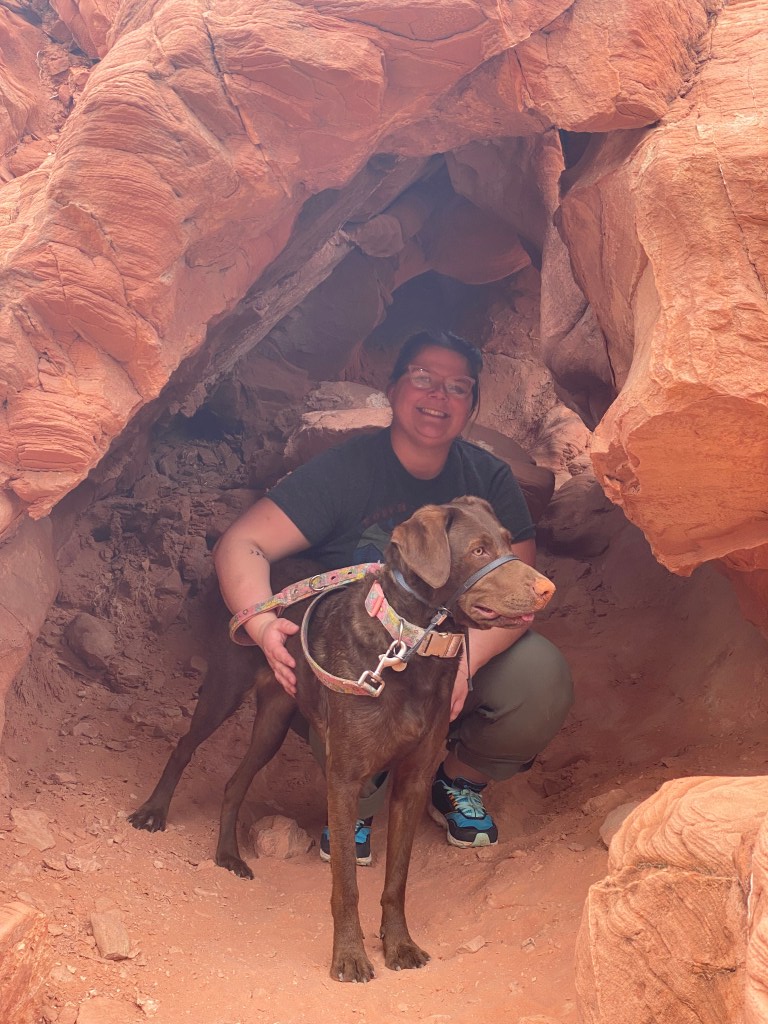


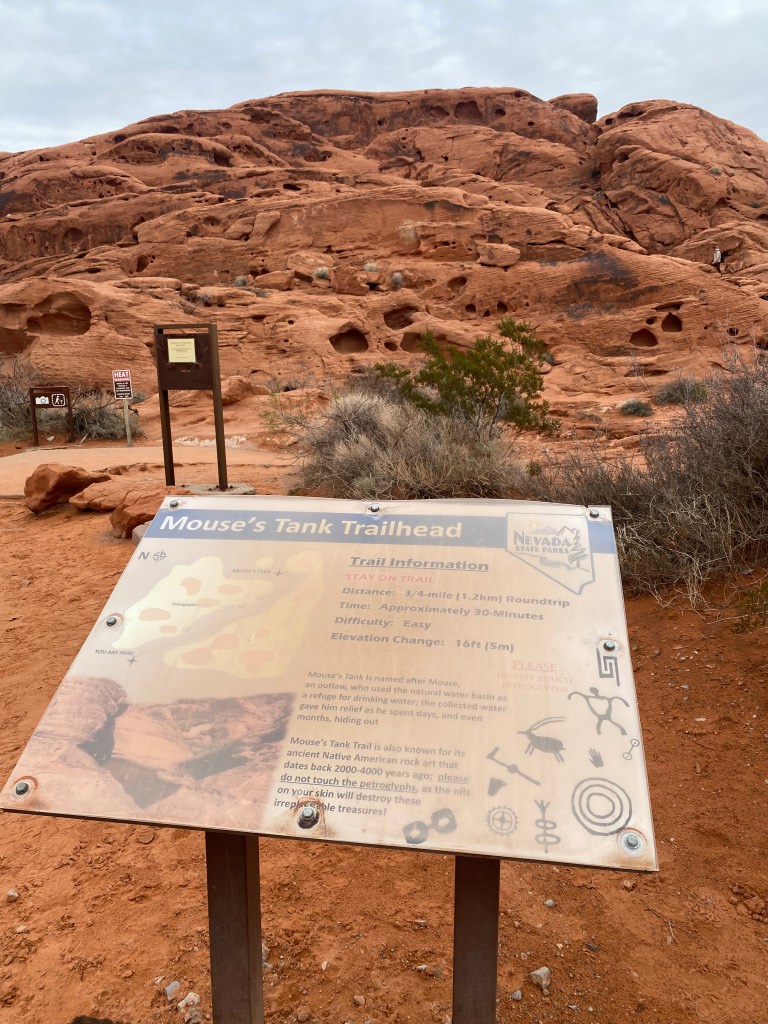


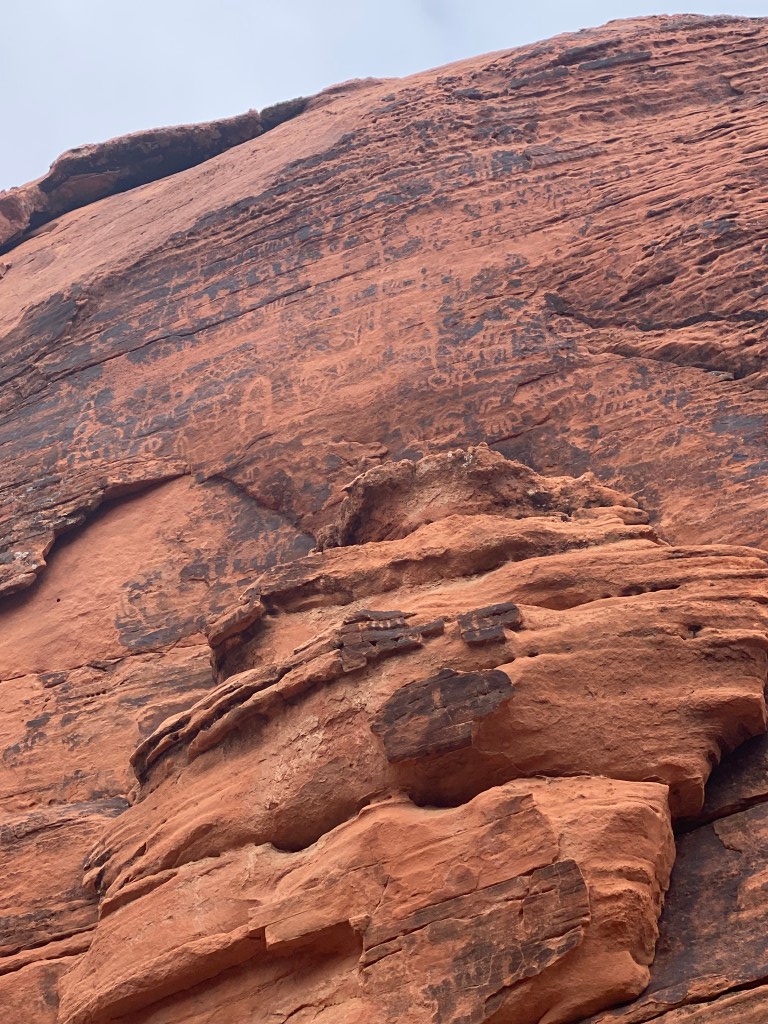


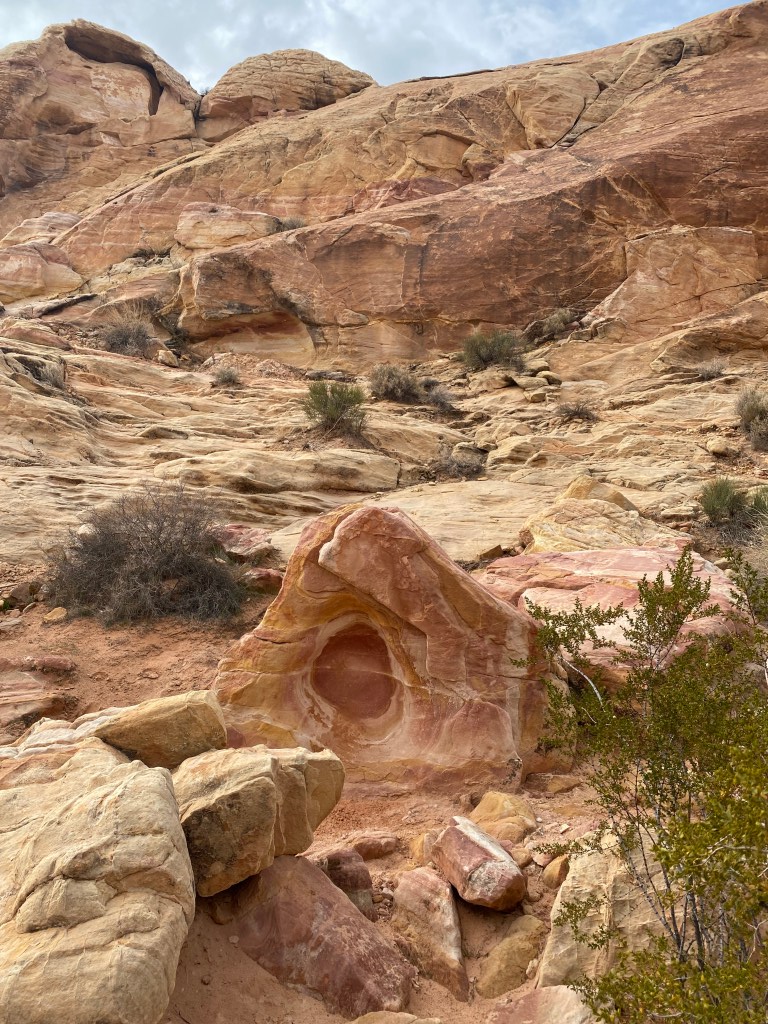
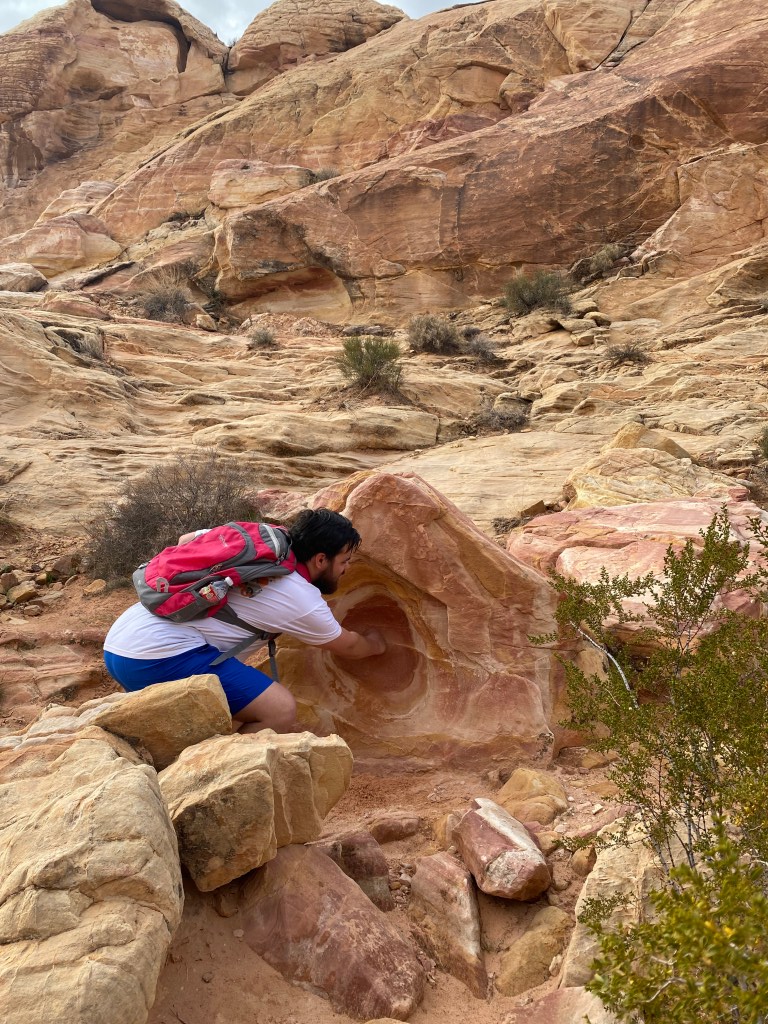


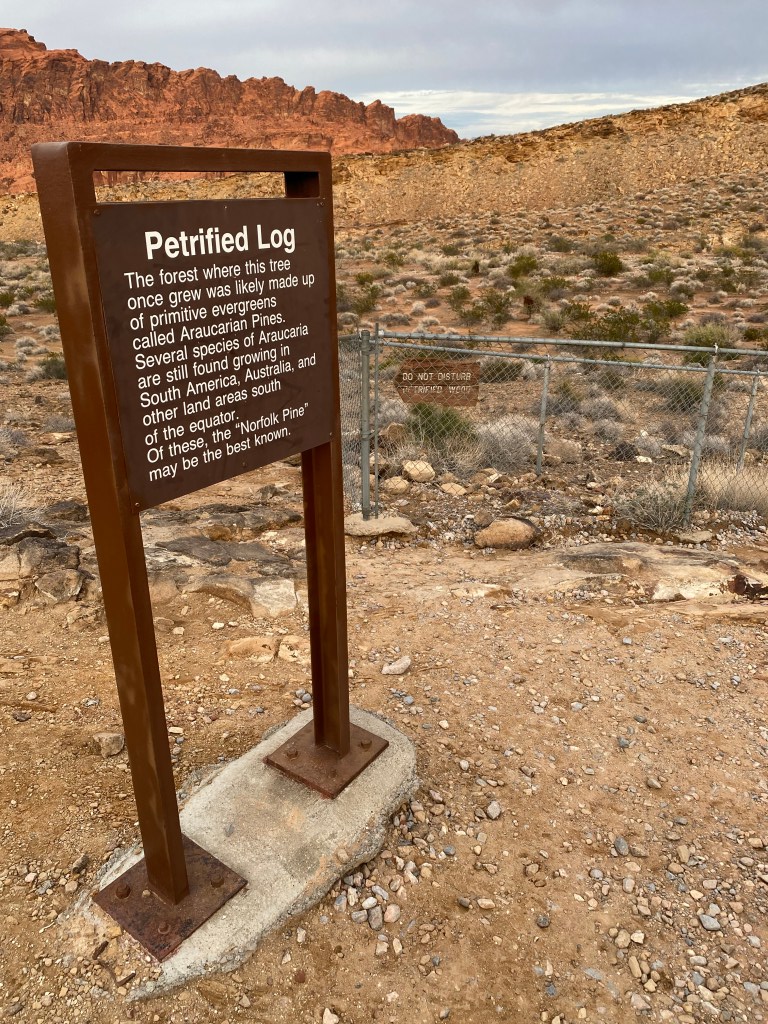






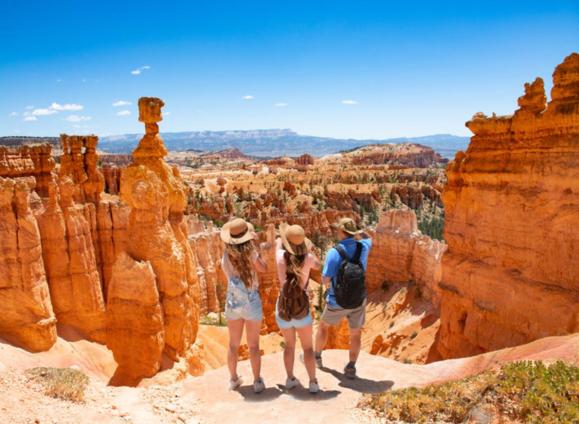
 No Place Like Gone